

Australia's Great Barrier Reef is like a giant underwater city made of colorful coral where thousands of fish, turtles, and other sea creatures live. But the reef is in trouble because the ocean is getting too warm.
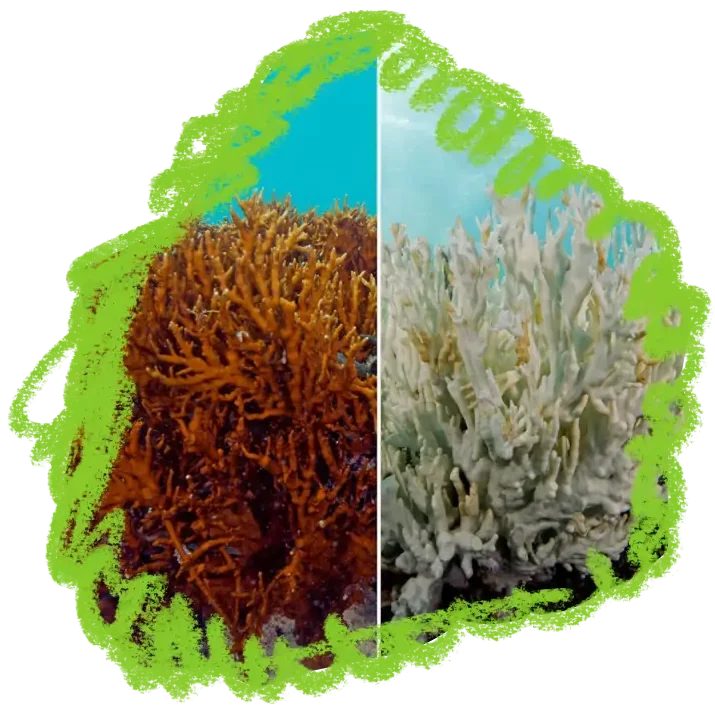
Rising ocean temperatures caused by climate change is the main cause of coral bleaching. A temperature increase of just one degree Celsius for only four weeks can trigger bleaching. When water gets too hot, the coral turns white (called "bleaching") and can die.
The past few decades have seen several widespread coral bleaching events on our Great Barrier Reef, with five mass bleaching events in the last eight years. Scientists say the ocean heat waves in 2024, 2017 and 2020 were the warmest in 400 years!
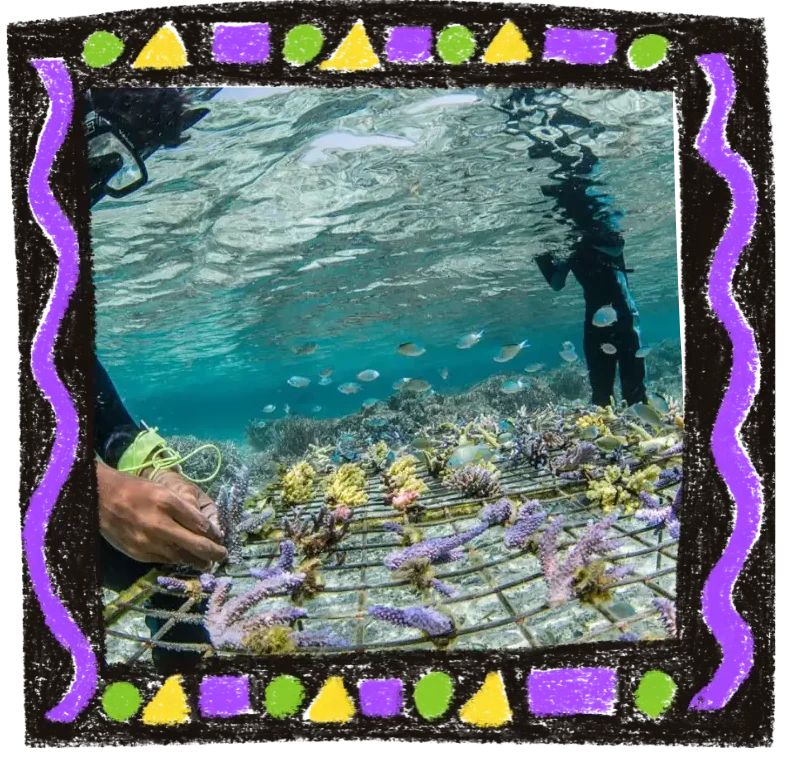
Scientists are growing "super coral": At the Australian Institute of Marine Science, researchers are growing coral in special tanks and training them to survive in warmer water - like giving coral swimming lessons for hot weather!
Creating marine protected areas where no fishing is allowed so coral can recover
Reducing pollution that flows into the ocean
Installing underwater fans to keep water moving and cooler
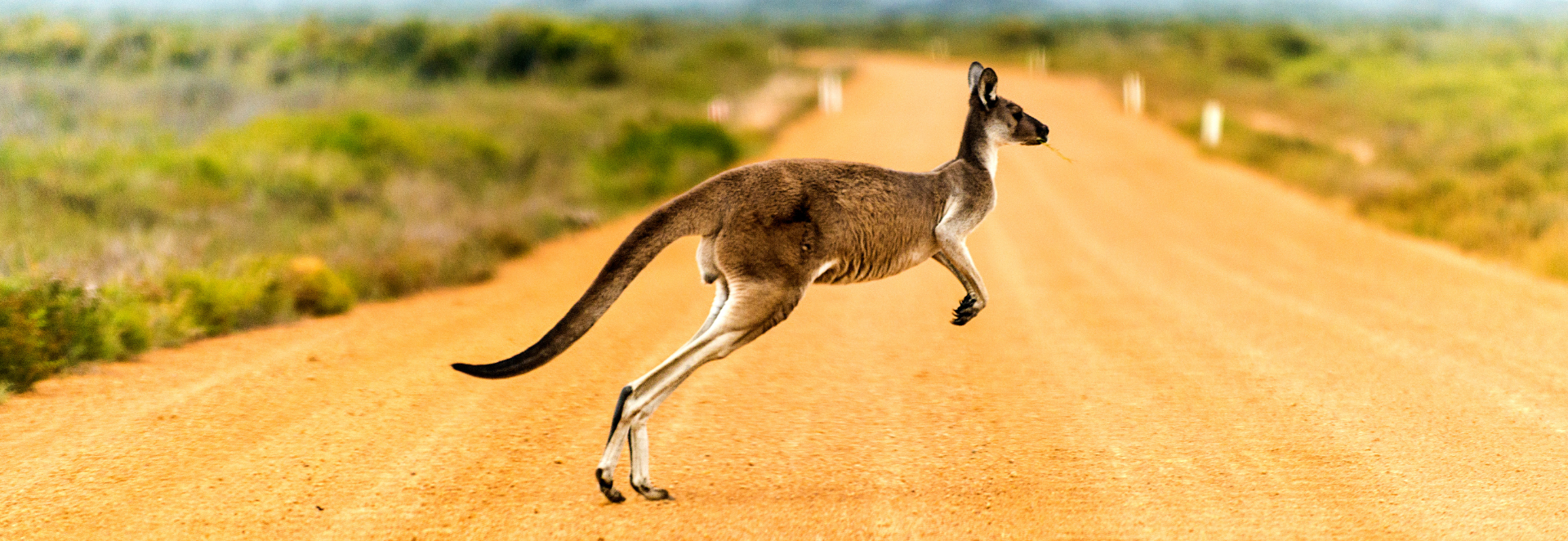
As Australia gets warmer, many animals are having to move to cooler places to survive. Fish are swimming further south to cooler waters, and some land animals are moving to higher, cooler mountains.
This creates problems because animals have to compete for food and homes in their new areas. Some of Australia's unique animals, like koalas and some tropical birds, are finding it harder to find the right places to live
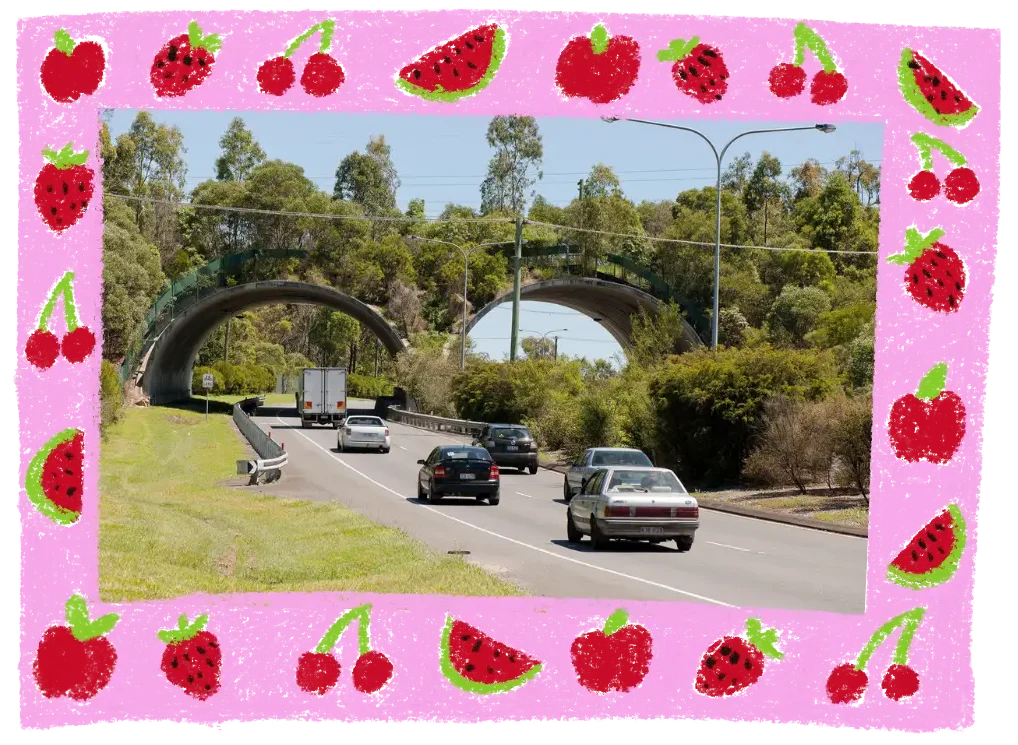
Creating "wildlife corridors" - safe pathways that connect different nature areas so animals can move safely
Protecting more land as national parks and nature reserves
Planting native trees and plants that animals need for food and shelter
Scientists are studying where animals might need to move and helping create safe spaces for them
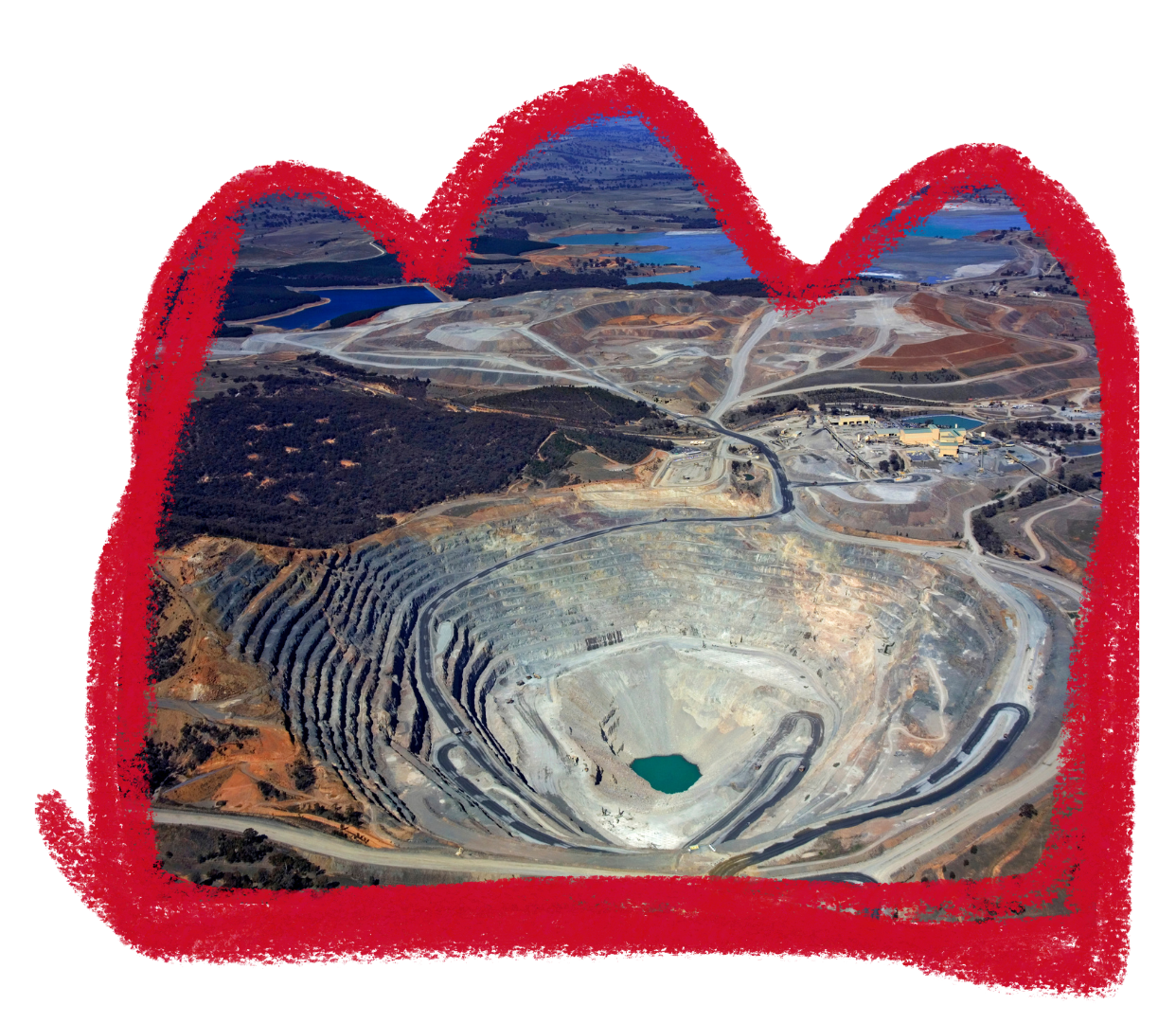
Australia has a big challenge: it's famous for digging up coal and gas from the ground and selling them to other countries, but burning these fuels is one of the main things causing climate change!
Australia is one of the world's biggest coal and gas exporters. Coal and gas are called "fossil fuels" and when people burn them for energy, they release gases that trap heat in our atmosphere like a thick blanket around Earth.
Even though Australia is working hard to use more clean energy at home, it's still digging up lots of coal and gas to sell to other countries. It's like trying to clean up your room while someone else keeps making it messy!
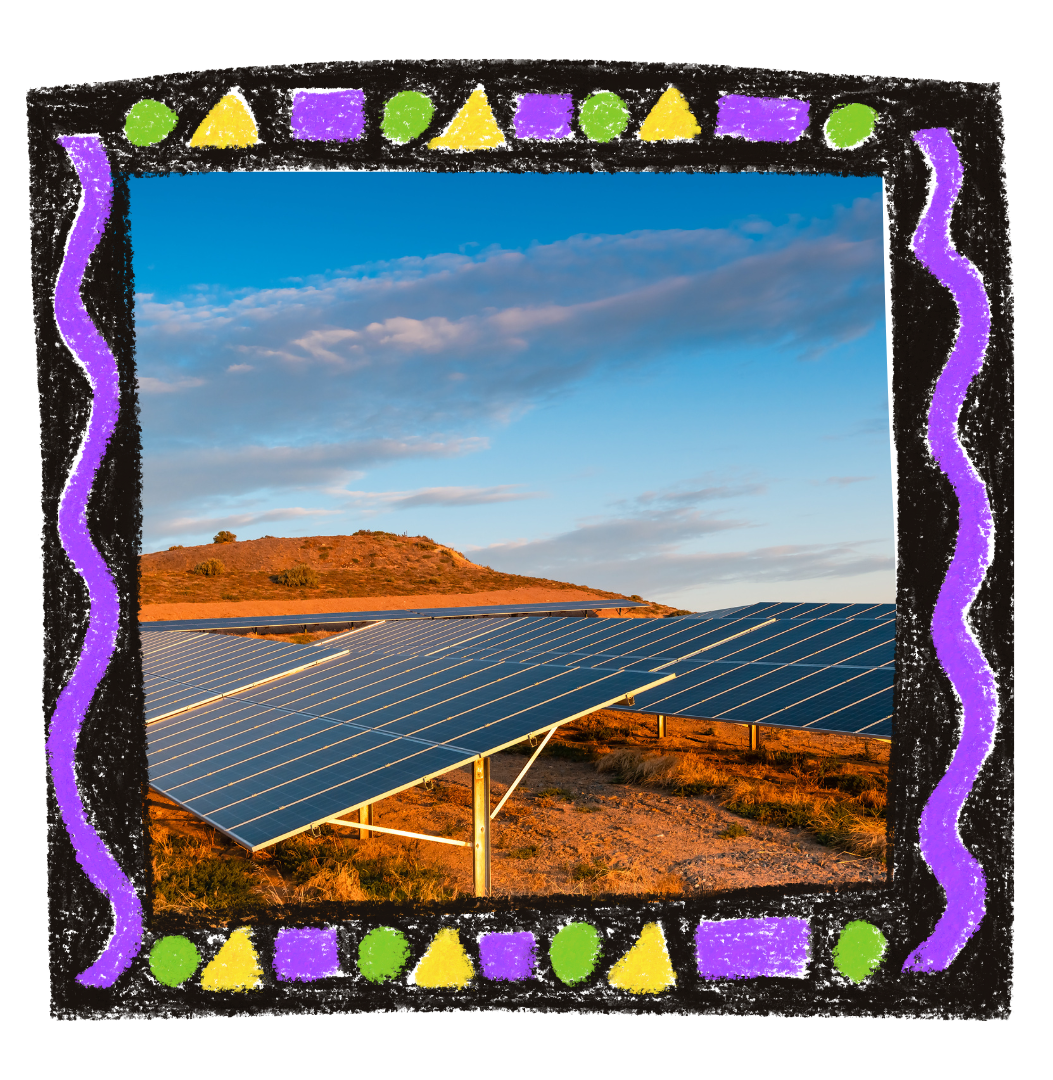
Building new clean energy projects to replace coal: The government announced $22 billion to help build more solar, wind, and battery projects so Australia can become a "renewable energy superpower" instead of just a coal and gas country
Some coal power plants are being shut down and replaced with clean energy
Scientists are working on new technologies like making "green hydrogen" using clean electricity - this could be a new clean fuel Australia can sell instead of coal and gas
Teaching miners new skills so they can work in clean energy jobs instead
Australia's unique plants - like eucalyptus trees, wattles, and banksia flowers - are struggling with hotter, drier conditions. Some plants that have lived in certain areas for thousands of years are finding it too hot or dry to survive.
Droughts are lasting longer, and when it does rain, sometimes it's too much all at once, which can damage plants and wash away soil.
Seed banking: Scientists are collecting and storing seeds from native plants in special freezers, like a library for plants! The Australian PlantBank has over 28,000 seed collections to keep safe for the future.
Planting drought-resistant native plants in cities and towns
Creating "climate refuges" - special protected areas where plants can survive during tough weather
Teaching people how to plant native gardens that don't need much water
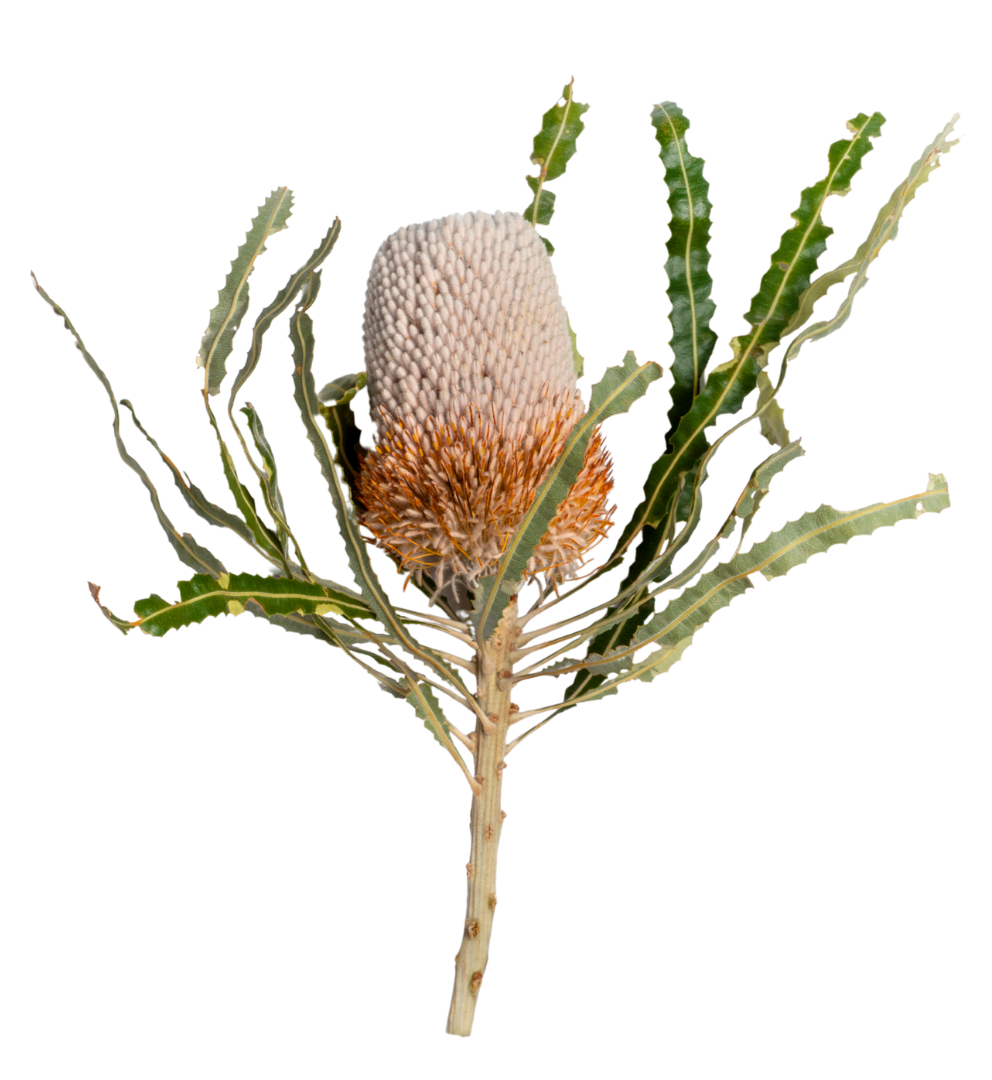
Australia is a massive continent, but it's home to some incredible animals and plants that are found nowhere else on Earth. Sadly, some of these species are endangered, which means they are at risk of disappearing forever.
Let's explore Australia's nature and learn about the amazing creatures that live here and how we can protect them!
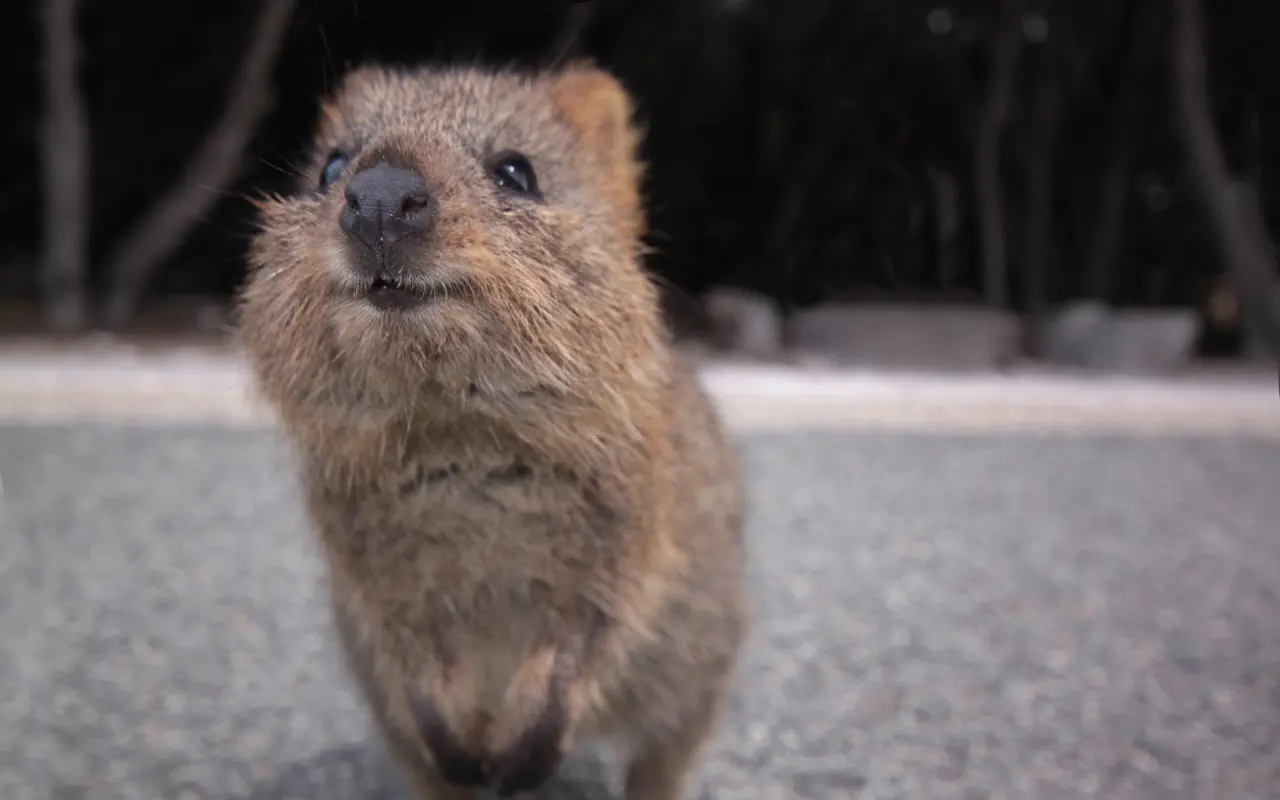
The Quokka is a small, furry marsupial that looks like it's always smiling! These adorable creatures have become famous around the world for their friendly faces and "selfie-ready" expressions.
What makes Quokkas special?
They're about the size of a house cat but are actually the smallest type of wallaby
They can climb trees up to 1.5 meters high - unusual for their kangaroo family!
They get most of their water from eating plants, not drinking
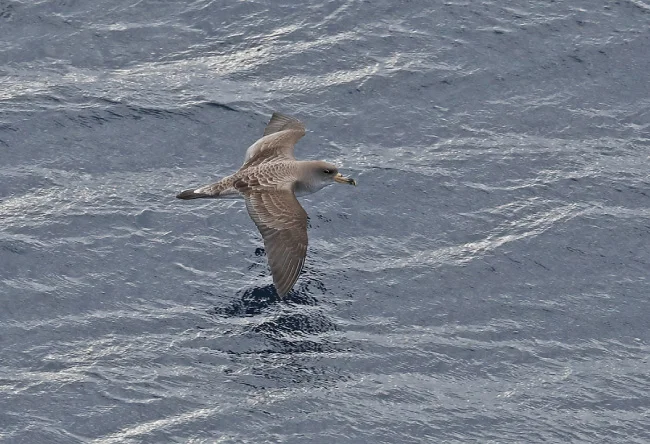
Malta is a small island, but it’s home to some incredible animals and plants that are found nowhere else. Sadly, some of these species are endangered, which means they are at risk of disappearing forever.
Let’s explore Malta’s nature and learn about the amazing creatures that live here and how we can protect them!


SUNx Malta is a not-for-profit organization dedicated to Climate Friendly Travel (Paris 1.5, SDGs, and Nature Positive tourism). Dodo4Kids is one of our educational initiatives, inspiring young travelers to explore the world responsibly through stories, activities, and gamified learning.
Vliertjeslaan 5, Overijse, Brussels, 3090, Belgium