
Building green paths that connect all the parks so animals and people can move around easily. These are like highways for animals - monkeys can swing from tree to tree and butterflies can travel across the island without leaving the forest!
Singapore has more trees per person than almost any other city in the world! There are literally millions of trees lining the streets and growing in parks.
The famous Singapore Botanic Gardens is the country's first UNESCO World Heritage Site, and it's like a giant outdoor museum of plants from all over the world!
Singapore has worked for over 50 years to transform from a "Garden City" to a "City in a Garden." Today, there are over 2 million trees island-wide and the world's highest urban tree density. Parks and green spaces are everywhere - you're never more than a 10-minute walk from a park!
Growing gardens on rooftops and up the sides of buildings like green walls! These living walls are covered in hundreds of plants and flowers, and some buildings look like they're wearing giant green blankets. Special sprinkler systems water all the plants automatically.
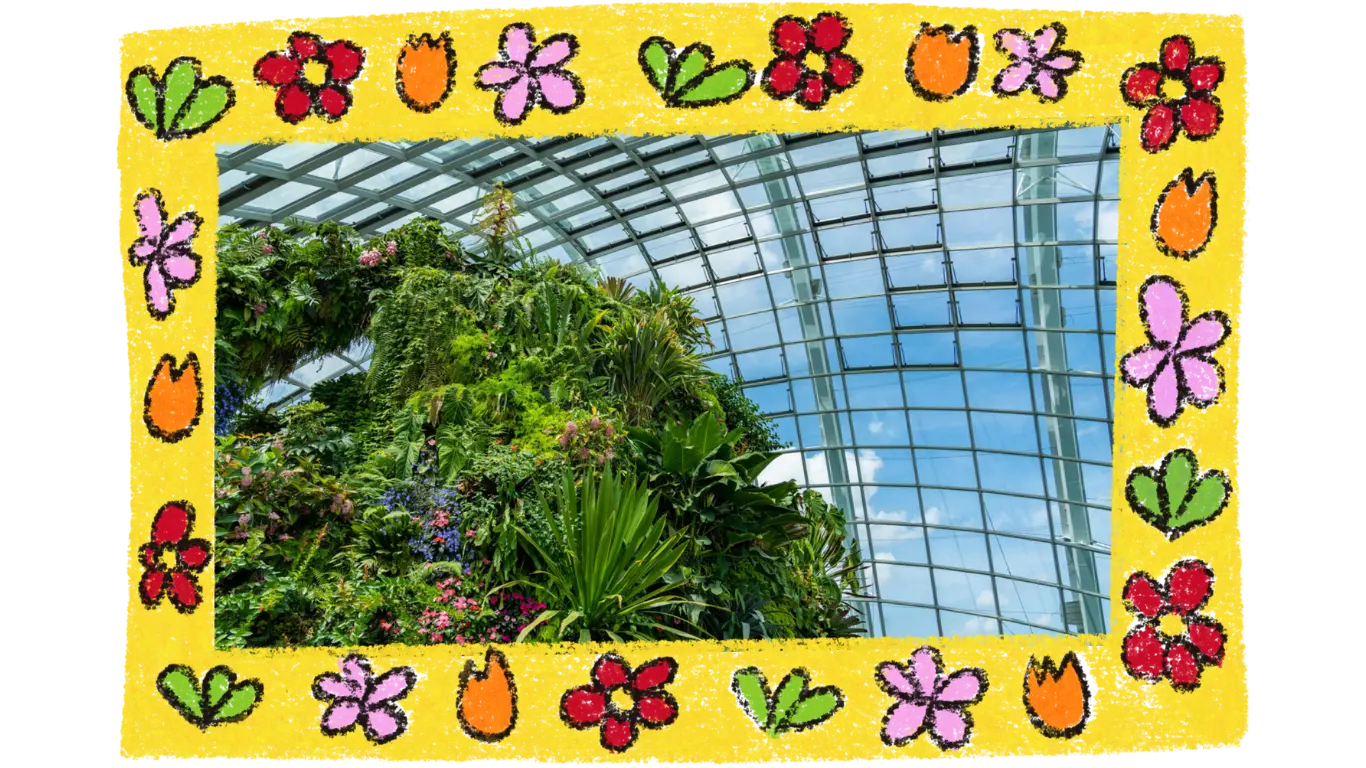
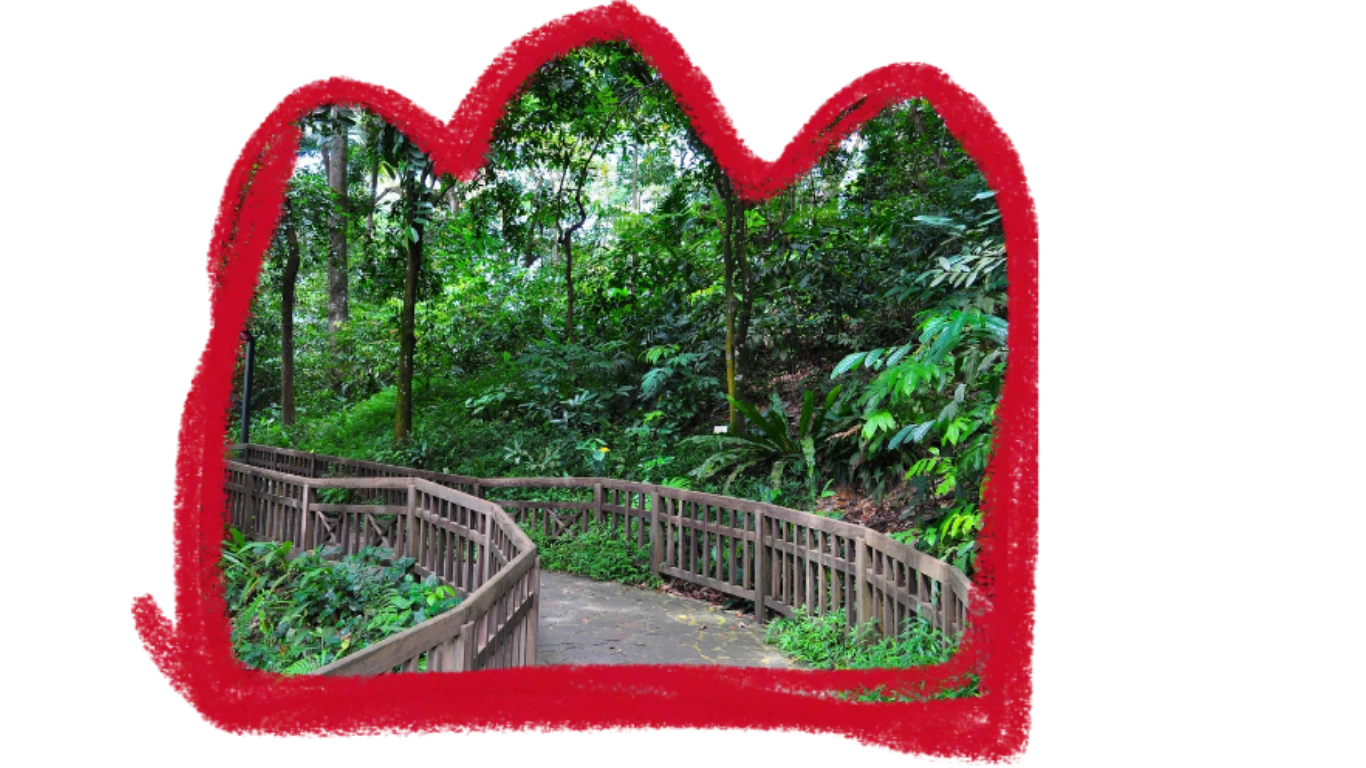
Singapore has real rainforests right in the middle of the city! These special places are home to monkeys, colorful birds, and hundreds of other wild animals.
Singapore has 4 nature reserves and over 350 parks managed by the National Parks Board. These places protect rare animals and plants, including some found nowhere else in the world. Recent surveys have discovered over 40 new animal species in these reserves!
Bukit Timah Nature Reserve has more plant species in one small area than the entire United States!
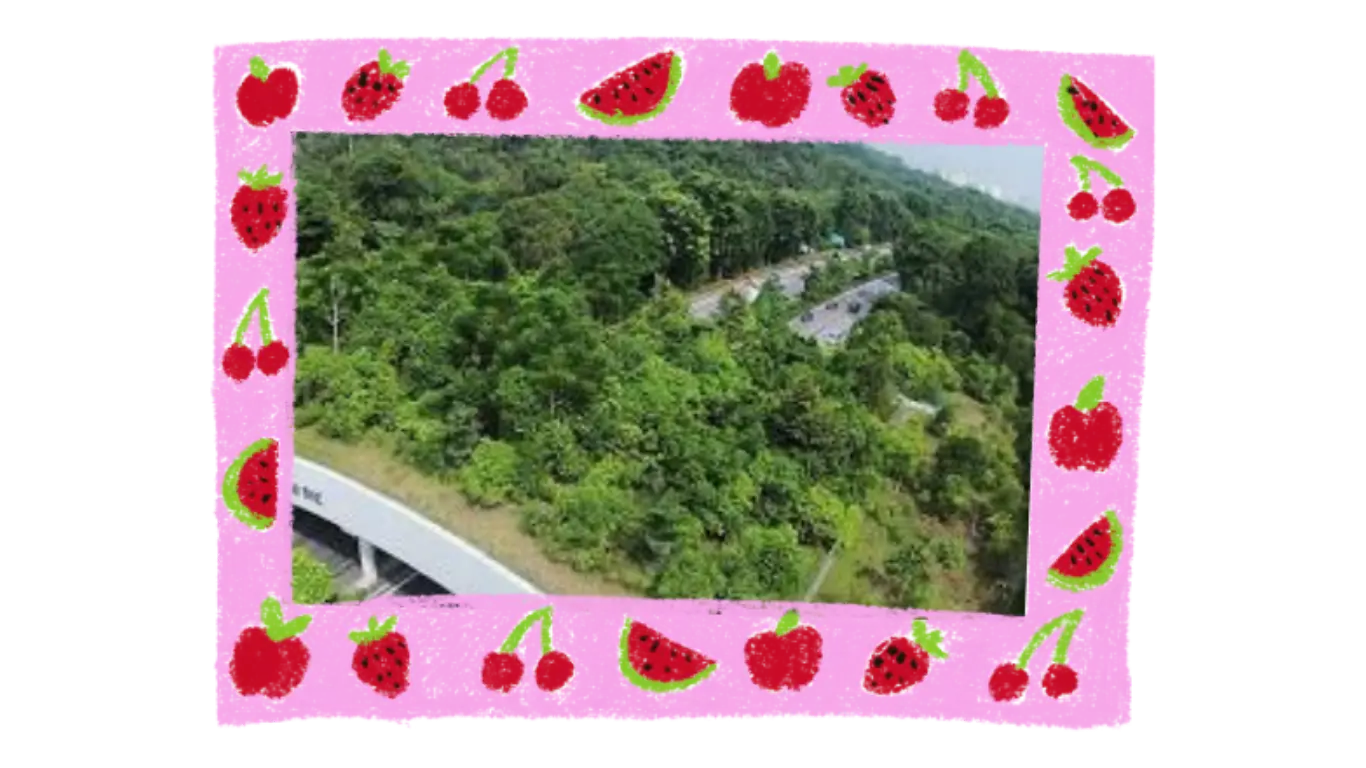
The government is building special bridges over roads so animals can safely move between forests. These bridges are covered in real trees and plants so animals feel like they're still in the forest when they cross.
Scientists study the animals and plants to learn how to protect them better. They use hidden cameras in trees that automatically take pictures of animals and even study animal droppings to learn what they eat!
They are also getting people involved in taking care of wildlife through volunteer programs. Families can join programs to plant trees, remove trash from forests, and help scientists count birds and animals.
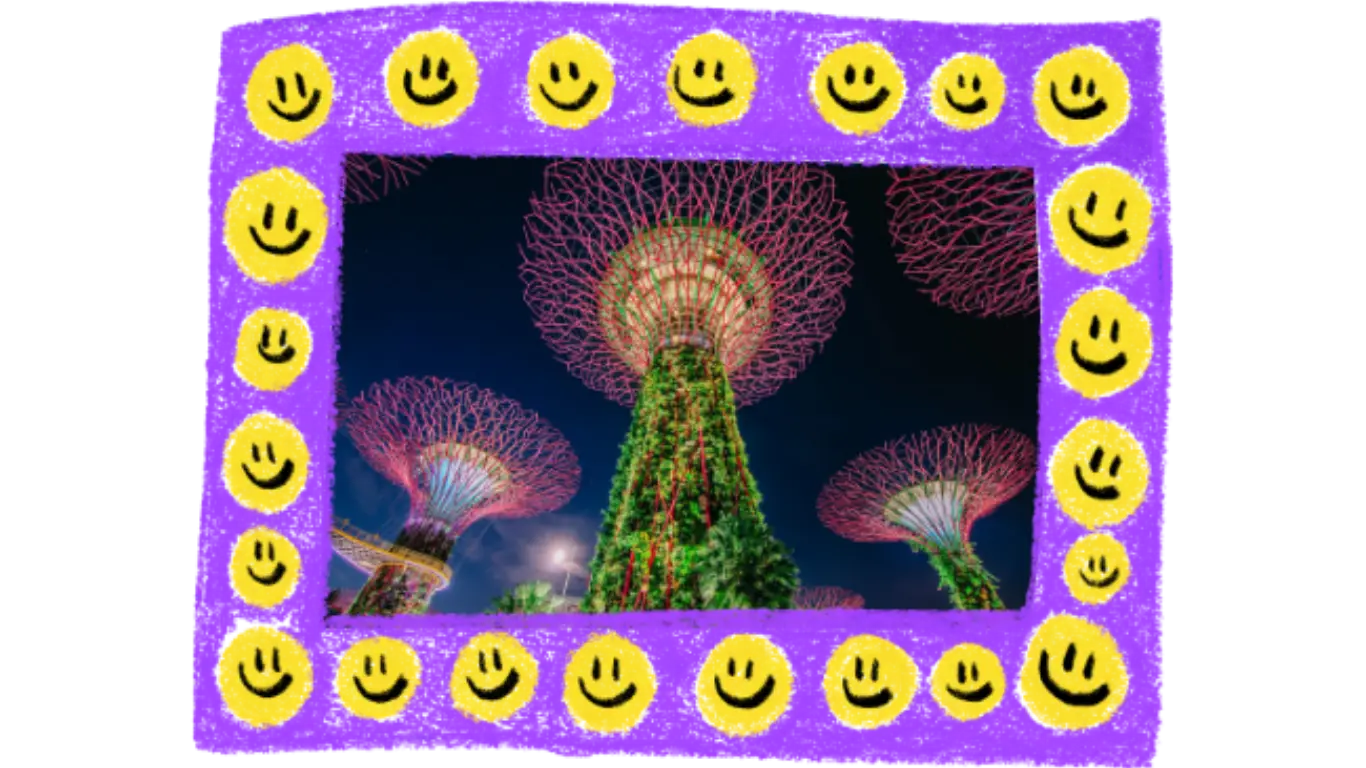
Gardens by the Bay has giant "Supertrees" that are like real trees but made by people! These amazing structures collect rainwater, make energy from the sun, and cool down the city.
The Supertrees are 25-50 meters tall (like 10-story buildings!) and are covered in real plants. At night, they light up with a magical music and light show. The Cloud Forest and Flower Dome are giant greenhouses with plants from all over the world.
The Supertrees collect energy from the sun to power lights and cool the buildings. Solar panels are hidden among the plants and flowers, collecting enough energy during the day to power amazing light shows at night!
They catch rainwater to water all the plants in the gardens. The Supertrees work like giant umbrellas that funnel rainwater into underground storage tanks.
The gardens use technology to create different climates so plants from cold mountains and hot deserts can all live in Singapore. Giant air conditioning systems can make it feel like you're in different countries!
Kids and families can learn about plants and conservation through fun activities and displays. There are interactive screens, apps that identify plants, and even virtual reality experiences!
Singapore is working hard to bring back animals that used to live here but disappeared when the city was built.
A study found that Singapore has lost 37% of its native species since 1819. Many forest birds, butterflies, and bees have disappeared as forests were cleared for buildings. But the good news is that some animals are coming back!
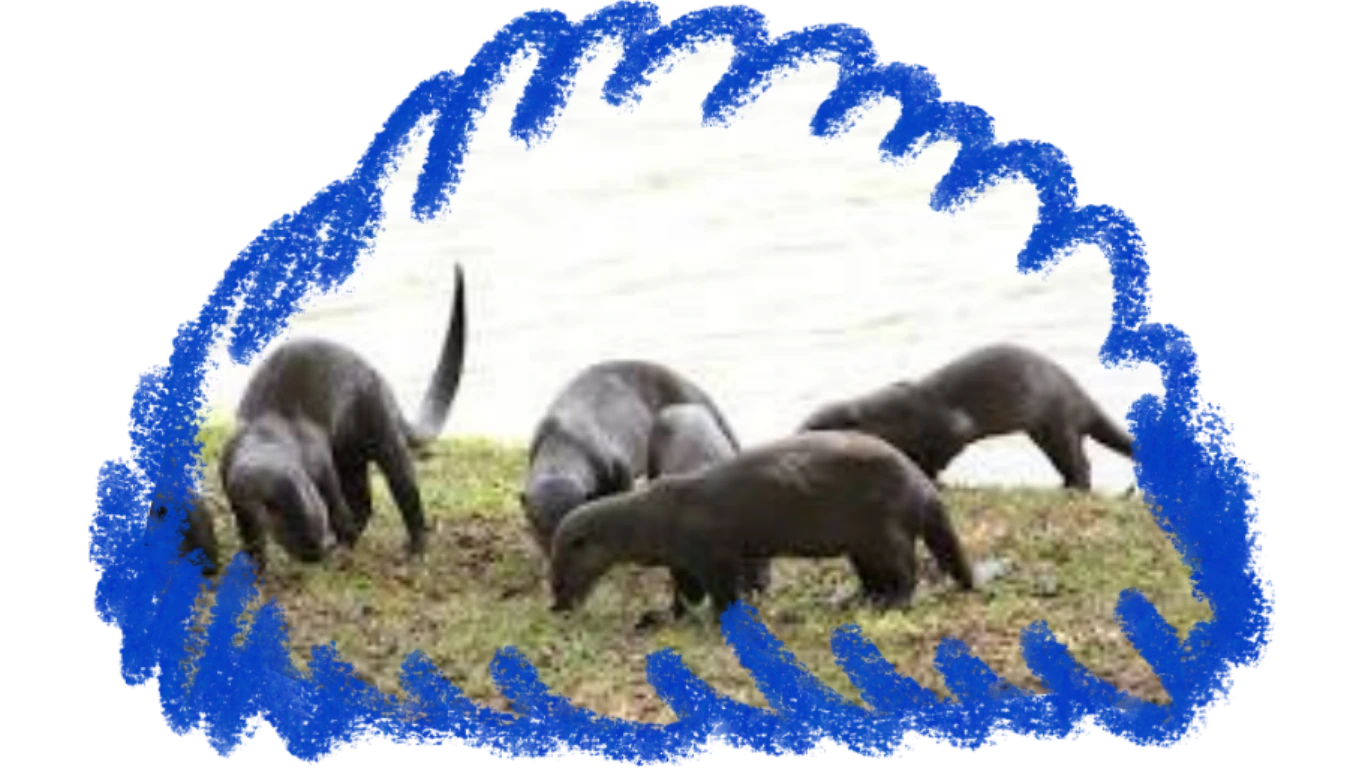
Wild otters have returned to Singapore's rivers and can be seen swimming and playing in the clean waterways! Scientists cleaned up the rivers and created special platforms where otters can rest and play. Otter families now have babies regularly!
The government is also working to bring back the beautiful hornbill birds that used to live in Singapore's forests. Scientists create artificial nests and plant trees that grow the fruits hornbills love to eat.
Bringing back swamplands and mangroves where many birds and fish can live. Teams plant special mangrove trees and build wooden walkways so people can explore without disturbing animals.
Pulau Ubin is a small island near Singapore where you can see what the country used to look like before it became a big city.
This island has kept its old kampong (village) feel with forests, wetlands, and traditional houses. Recent surveys found 20 new animal species on the island, including rare bats and birds. You can ride bikes, see wild boars, and spot monitor lizards!
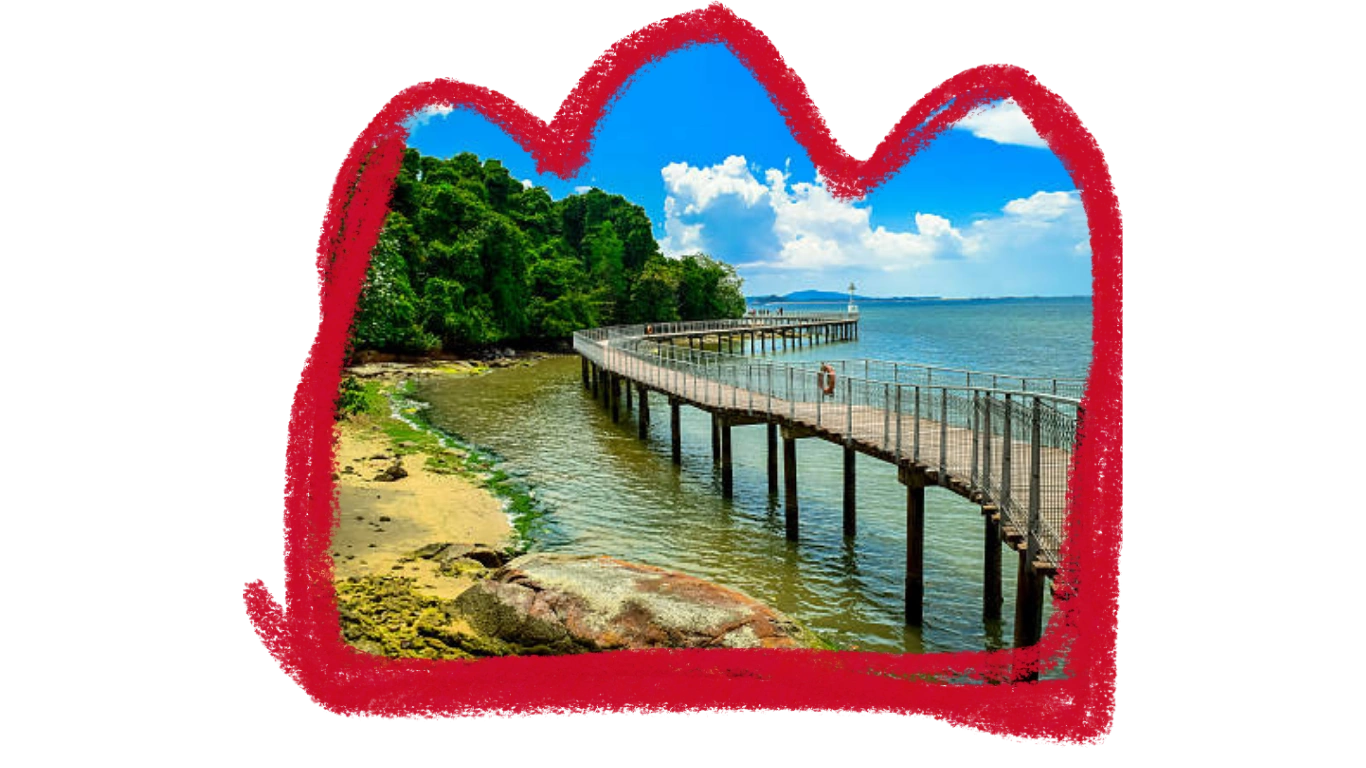
Protecting this special area where you can see starfish, sea anemones, and mudskippers at low tide. Special boardwalks let visitors walk over the water without stepping on sea creatures, and underwater cameras show sea life even at high tide.
Making sure visitors can enjoy the island without harming the wildlife. Visitors can rent quiet electric bikes and follow special paths that don't disturb animals.
Keeping the old village way of life alive alongside nature conservation. Traditional kampong houses show how people used to live alongside nature, and visitors can learn traditional crafts and fishing methods.
Scientists study the island's animals and plants to learn how to protect them better. Visitors can sometimes watch scientists at work and even help with projects like counting butterflies!
Singapore might be a busy city, but it's also home to some incredible animals that have adapted to city life in amazing ways! From playful otters swimming in urban rivers to colorful birds nesting in skyscrapers, Singapore proves that wildlife and cities can be best friends. Some of these special animals are endangered, which means they need our help to survive.
Let's explore Singapore's nature and learn about the amazing creatures that call this "City in a Garden" home and how we can protect them!
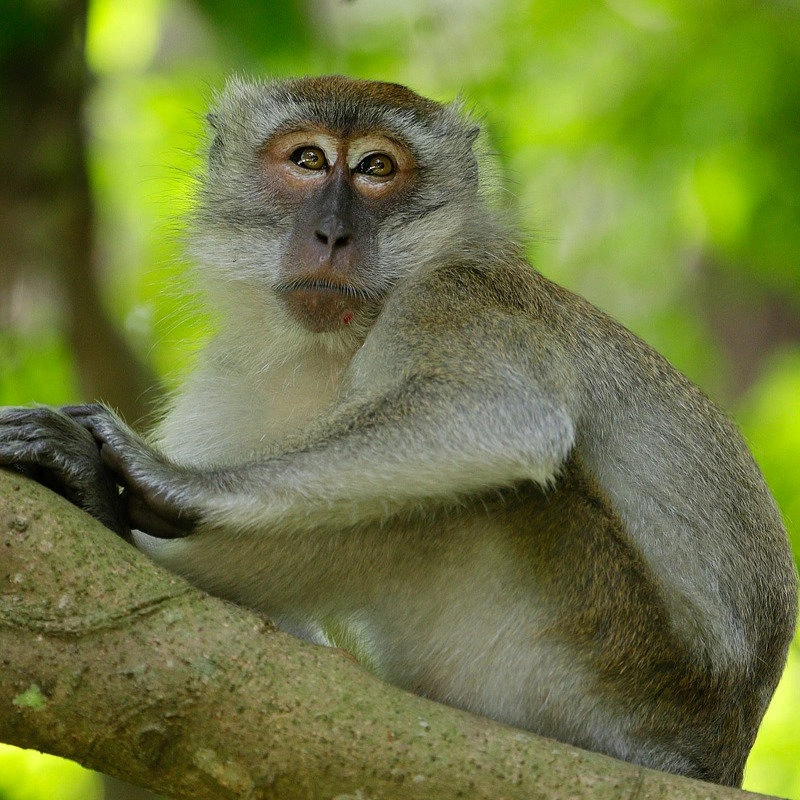
Long-Tailed Macaques: Singapore's Cheeky Neighbors
Long-tailed macaques are Singapore's most famous wild residents! These clever monkeys have brownish-gray fur, long tails that help them balance, and are incredibly smart problem-solvers. They live in troops (monkey families) in Singapore's nature reserves and have learned to adapt to city life. As Singapore grows, these amazing animals need our help to protect their forest homes. Singapore has created special wildlife bridges so macaques can move safely between forests, and park rangers teach people not to feed them so they stay wild and healthy!


SUNx Malta is a not-for-profit organization dedicated to Climate Friendly Travel (Paris 1.5, SDGs, and Nature Positive tourism). Dodo4Kids is one of our educational initiatives, inspiring young travelers to explore the world responsibly through stories, activities, and gamified learning.
Vliertjeslaan 5, Overijse, Brussels, 3090, Belgium