


New Zealand is experiencing warmer temperatures, especially during summer months. This warming is happening faster than in the past.
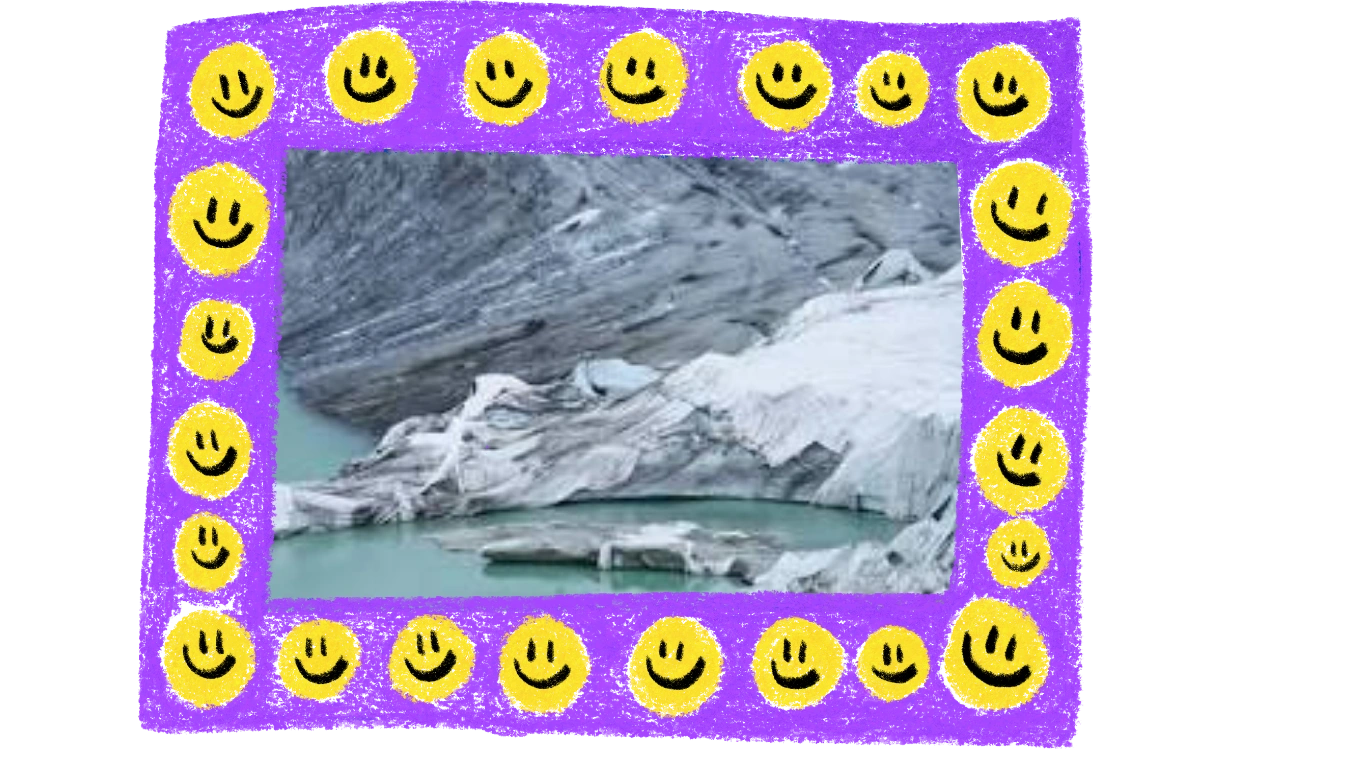
Glaciers in the Southern Alps are melting at a rapid rate, with some losing several meters of ice each year. Warmer temperatures change when plants bloom and when animals have babies, which can disrupt the natural balance. Heat stress affects native birds like the kiwi and kākāpō, making it harder for them to survive. Ski seasons are getting shorter as less snow falls on the mountains, affecting winter sports and tourism.

New Zealand is seeing more extreme weather, including stronger storms, flooding, and droughts (long periods without rain).
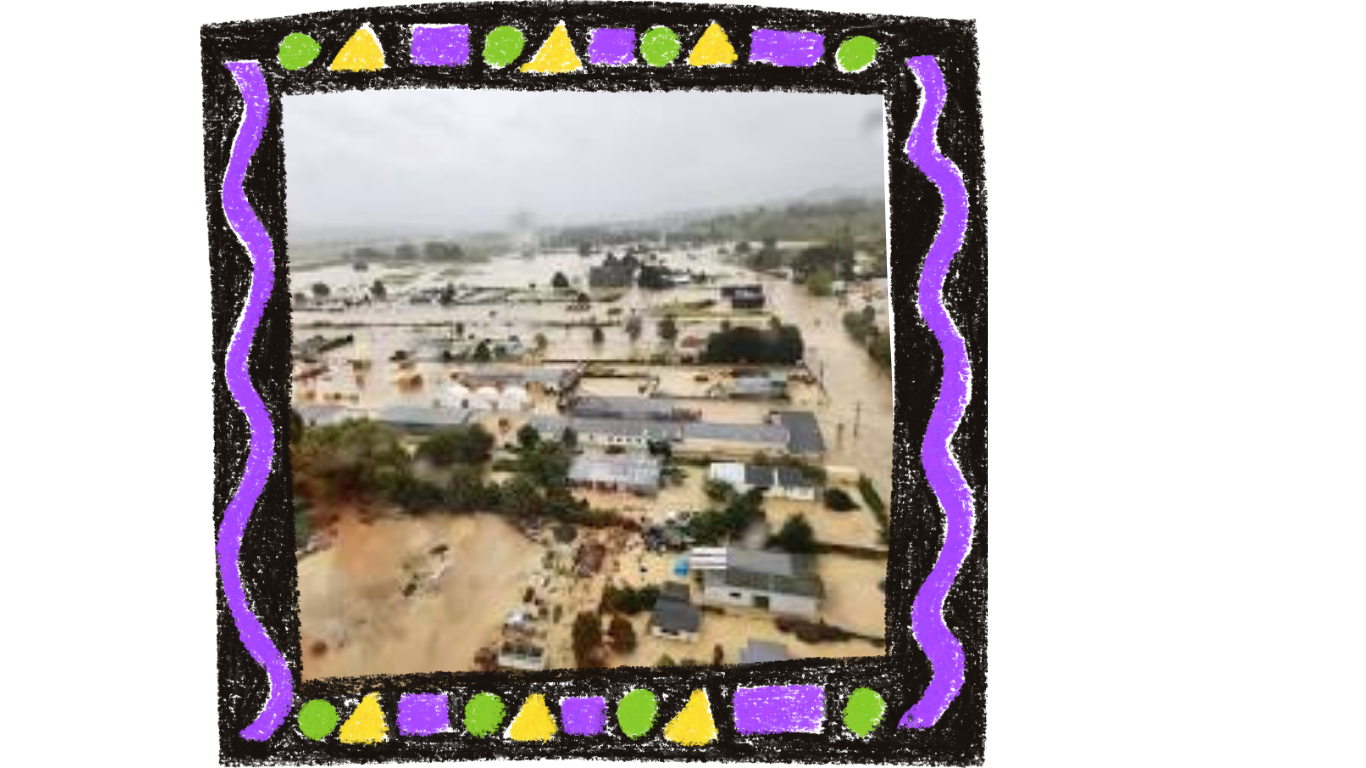
Cyclones (spinning storms) like Cyclone Gabrielle in 2023 brought devastating floods and landslides to the North Island. More frequent droughts affect farmers who grow food and raise animals like sheep and cows. Heavy rainfall events can cause rivers to overflow, damaging homes, roads, and farmland. Stronger winds during storms can knock down power lines and damage forests.
Rising sea levels are a concern for New Zealand's long coastline. As the planet warms, ice caps melt and oceans expand, causing the sea to rise.
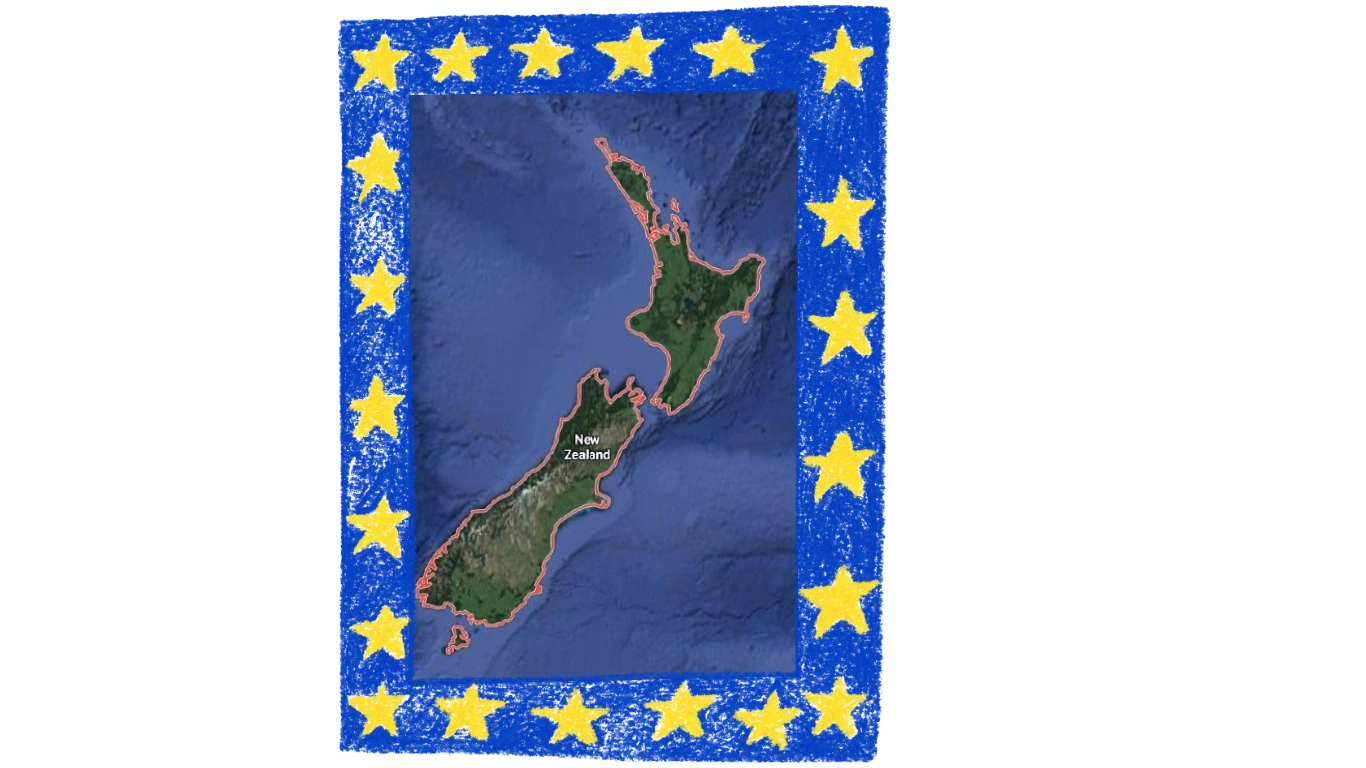
Low-lying coastal areas around Auckland and Wellington face increased flooding during high tides and storms. Important ecosystems like wetlands (soggy areas where many animals live) are being lost as salt water moves inland. Coastal roads and buildings may need to be moved or protected as the sea gets higher. Traditional Māori sites and settlements near the coast are at risk of being damaged or lost.
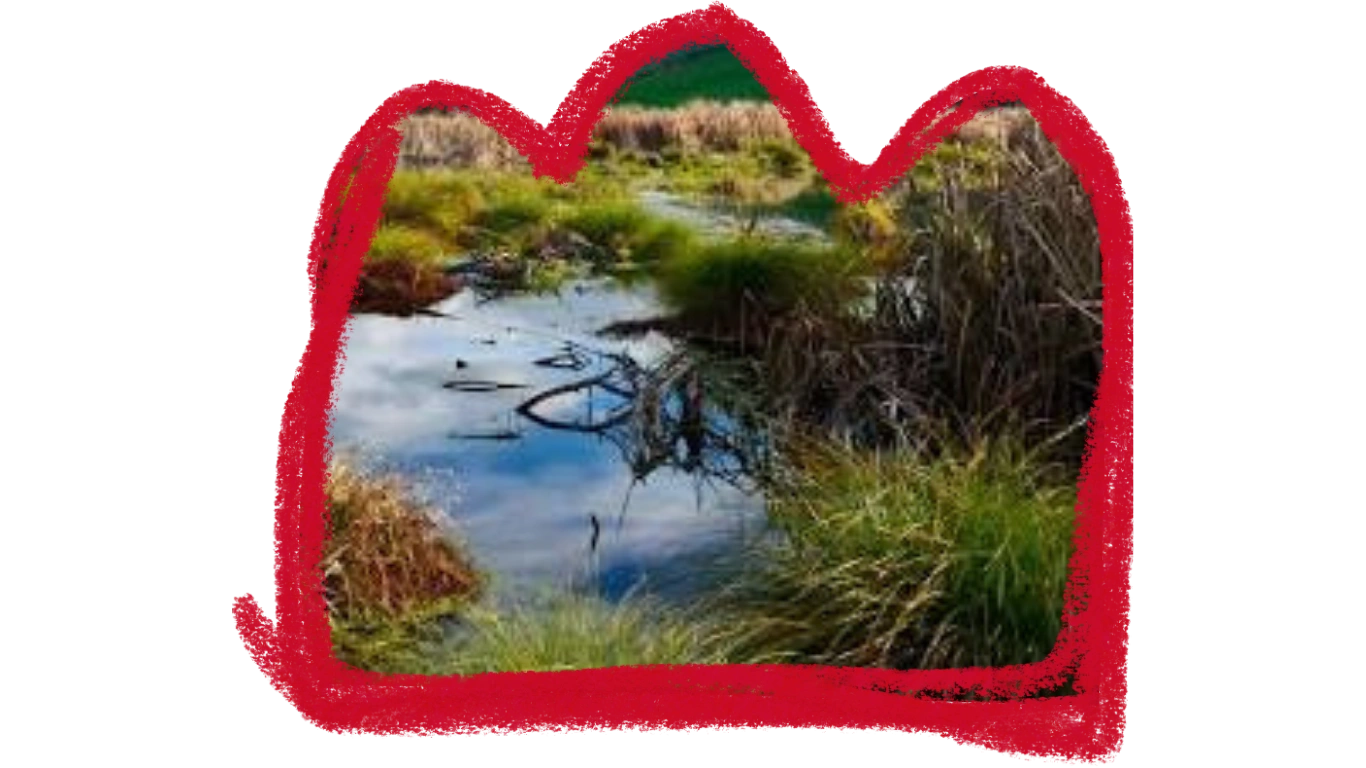
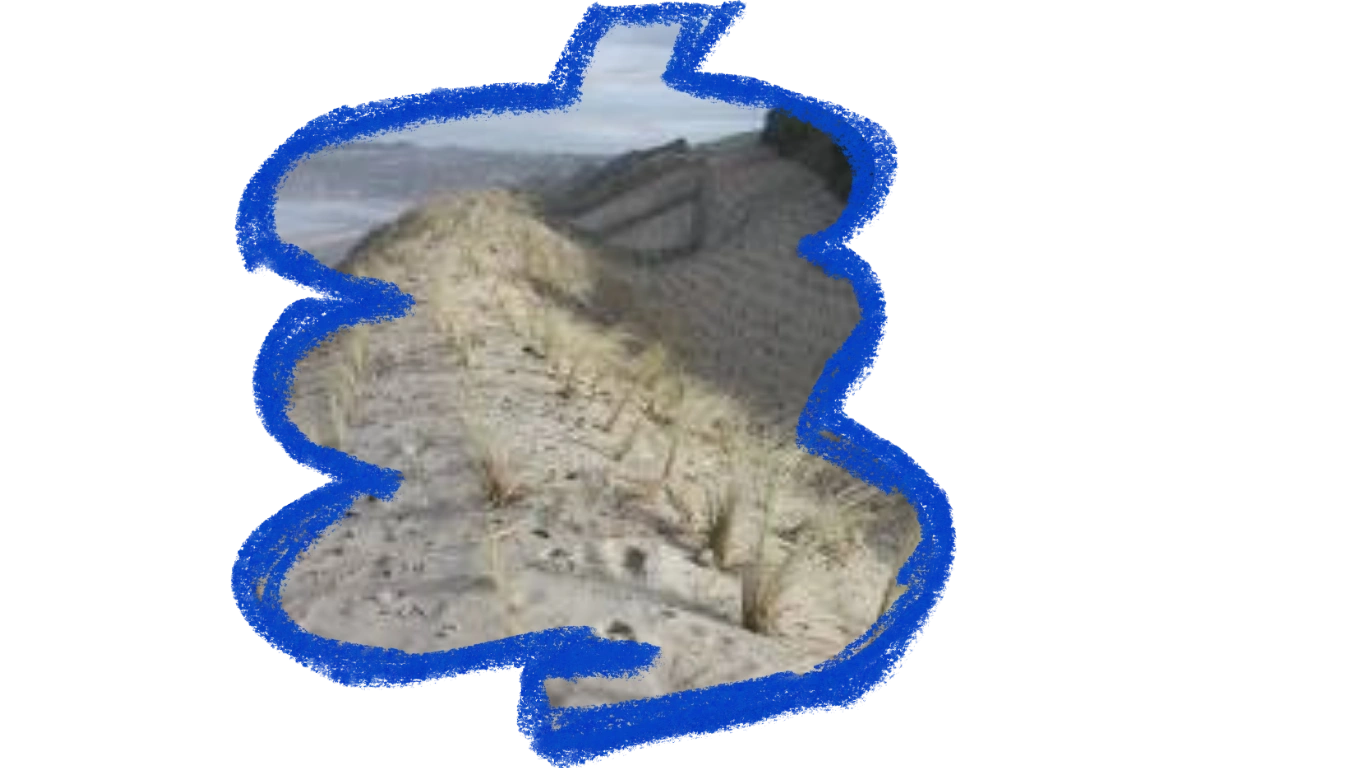
Coastal Management: Building sea walls and restoring sand dunes (hills of sand) to protect communities from rising seas and storm waves. Water Conservation: Teaching people to use less water and protecting rivers and lakes from pollution. Flood Protection: Building better drainage systems and early warning systems to keep people safe during heavy rains. Wetland Restoration: Bringing back natural wetlands that act like giant sponges, soaking up flood water and providing homes for native birds and fish.
New Zealand is already a world leader in clean energy! About 80-87% of the country's electricity comes from renewable sources - energy that doesn't run out.
Renewable energy comes from natural sources that never run out, like water flowing down rivers, wind blowing through valleys, heat from underground, and sunlight. Unlike fossil fuels (coal, oil, and gas), renewable energy doesn't pollute the air.
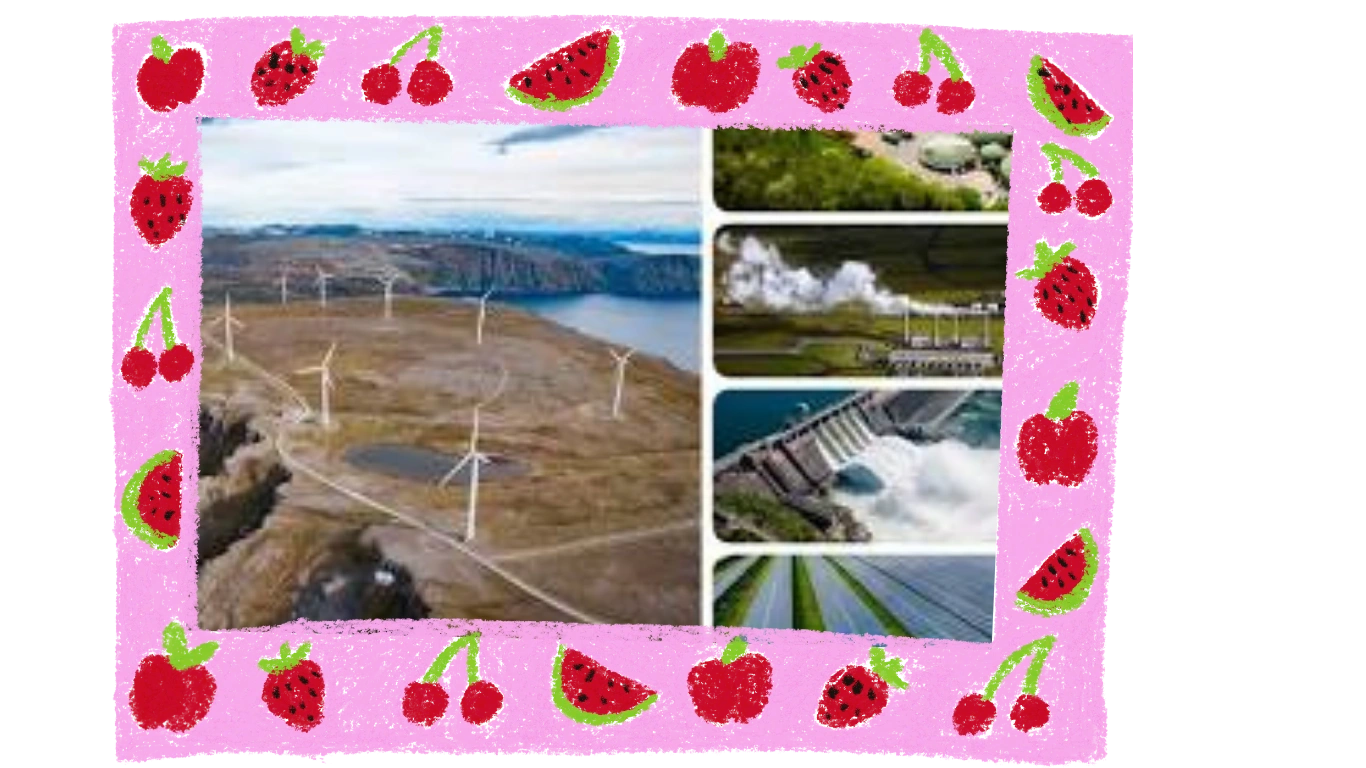
Most of New Zealand's electricity comes from water flowing through dams on rivers. The flowing water spins big wheels called turbines that make electricity. Geothermal Energy: In places like Rotorua, hot water and steam from underground is used to generate clean electricity. It's like using the Earth's natural heat! Wind Farms: Giant wind turbines on hills and coastlines capture wind energy and turn it into electricity. Electric Transport: More electric buses, trains, and cars are being used to reduce pollution from vehicles. The goal is to have 100% renewable electricity by 2030!





SUNx Malta is a not-for-profit organization dedicated to Climate Friendly Travel (Paris 1.5, SDGs, and Nature Positive tourism). Dodo4Kids is one of our educational initiatives, inspiring young travelers to explore the world responsibly through stories, activities, and gamified learning.
Vliertjeslaan 5, Overijse, Brussels, 3090, Belgium