

Marae: Sacred Māori meeting grounds where important ceremonies and community gatherings take place.
Many tourism operators now work with Māori communities to share their culture respectfully, ensuring traditions are preserved while providing meaningful experiences for visitors.
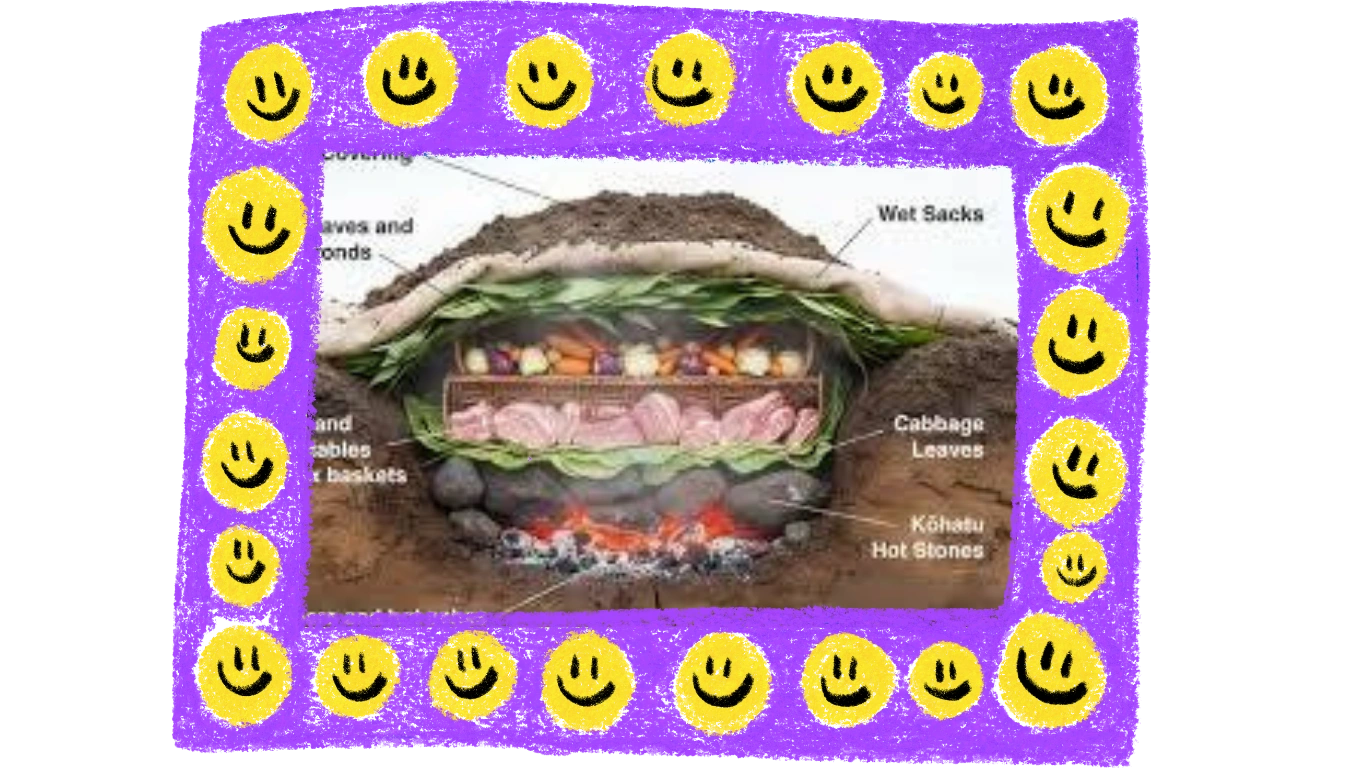
Hangi: A traditional Māori cooking method where food is cooked underground using hot stones.
Māori Culture: New Zealand's indigenous Māori culture is at the heart of the country's identity, with the Māori language (te reo Māori) being one of three official languages.
Haka: The powerful traditional Māori war dance performed at special events and rugby matches.
Te Reo Māori: New Zealand's indigenous language is experiencing a revival, with more schools teaching it and families speaking it at home.
English and New Zealand Sign Language are also official languages, making New Zealand inclusive for all communities.
Kia ora! (Hello!) - A Māori greeting now used by all New Zealanders
Aotearoa - The Māori name for New Zealand, meaning "land of the long white cloud"
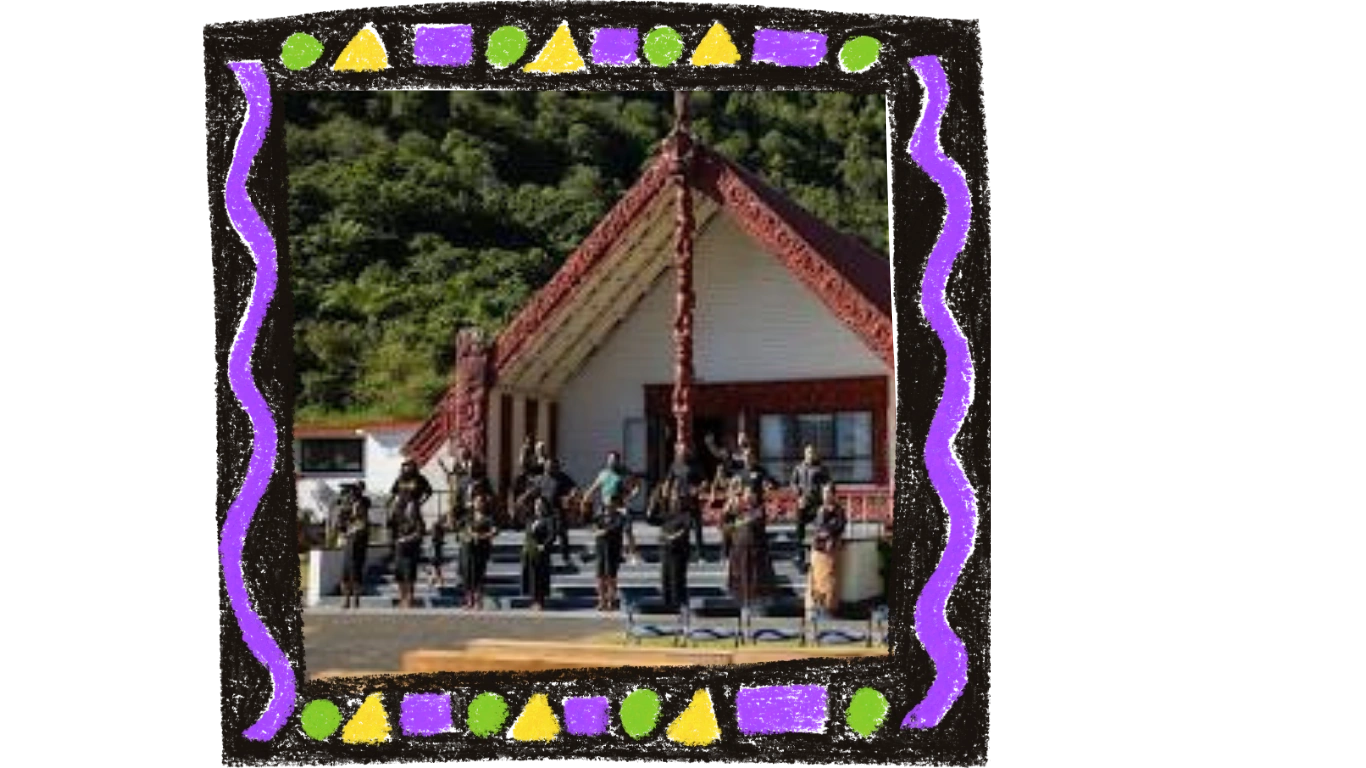
New Zealand fishermen have been sustainably fishing in these waters for generations, using traditional knowledge passed down through families.
Fishing quotas help protect fish populations by limiting how many fish can be caught each year.
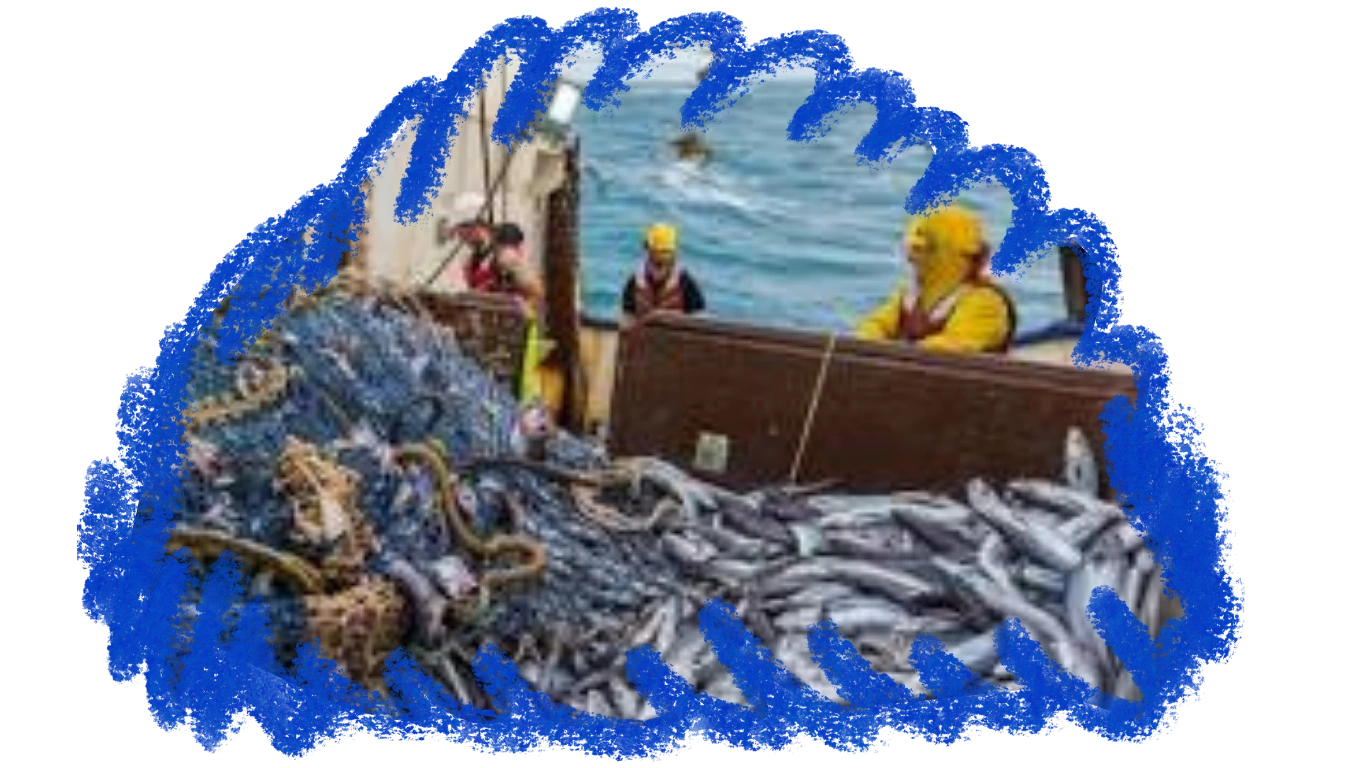
Special zones in the ocean where no fishing is allowed, helping fish populations recover and marine ecosystems thrive.
However, overfishing and pollution threaten some marine areas, so conservation groups work with fishing communities to protect the ocean for future generations.
New Zealand produces a lot of waste and wants to move towards a "circular economy" where nothing gets thrown away unnecessarily.
New Zealand sends about 2.5 million tonnes of waste to landfill every year - that's over a tonne per household! Much of the plastic and paper that could be recycled ends up in landfills instead.
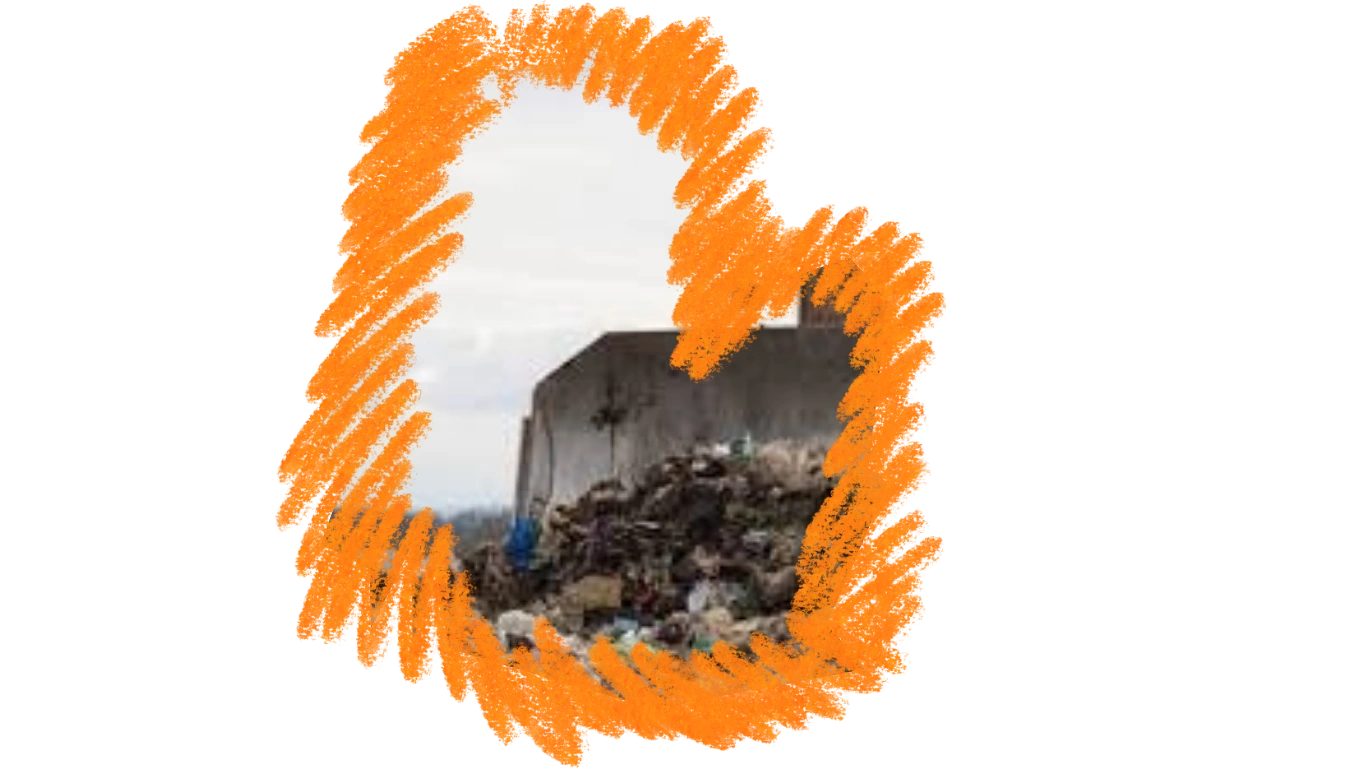
New laws to help businesses and communities create less waste and recycle more. Circular Economy Strategy: Designing products to last longer and be easily recycled or reused at the end of their life. Community Recycling Programs: Local councils are improving recycling collection and teaching people how to reduce waste at home and school.
New Zealand faces challenges with housing affordability, where many families struggle to find safe, warm, and affordable homes.
House prices have risen much faster than wages, making it difficult for families to buy homes. About one-third of households spend 30% or more of their income on housing, and some families live in cold, damp homes that make people sick.
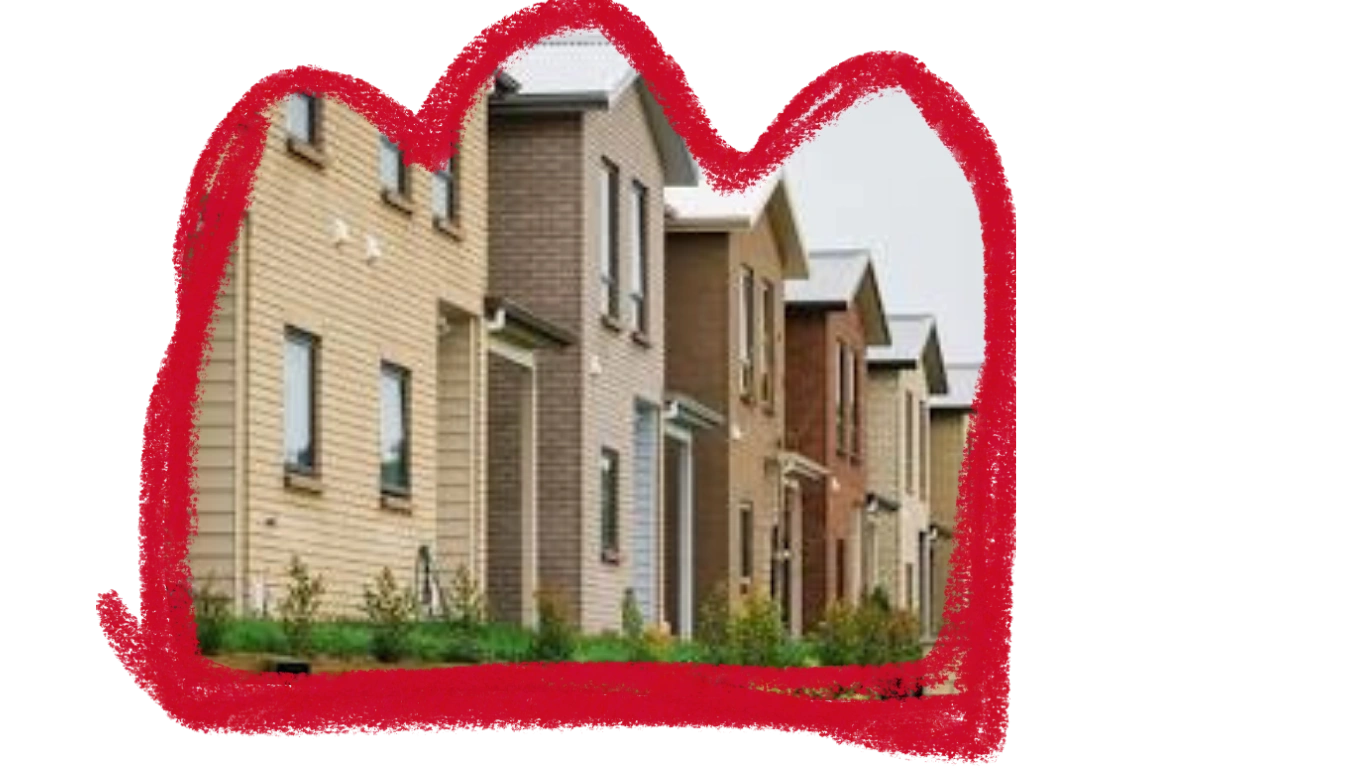
New laws require rental homes to have proper insulation and heating to keep families warm and healthy.
The government is building more affordable homes for families who need them. Community Support: Local organizations help families find temporary housing and support services when they need help.
New Zealand's beautiful landscapes attract millions of visitors, but too many tourists can damage the environment.
Popular places like Milford Sound and Tongariro Alpine Crossing are being damaged by too many visitors. Tourism creates pollution and puts pressure on fragile ecosystems like mountains and coastlines.
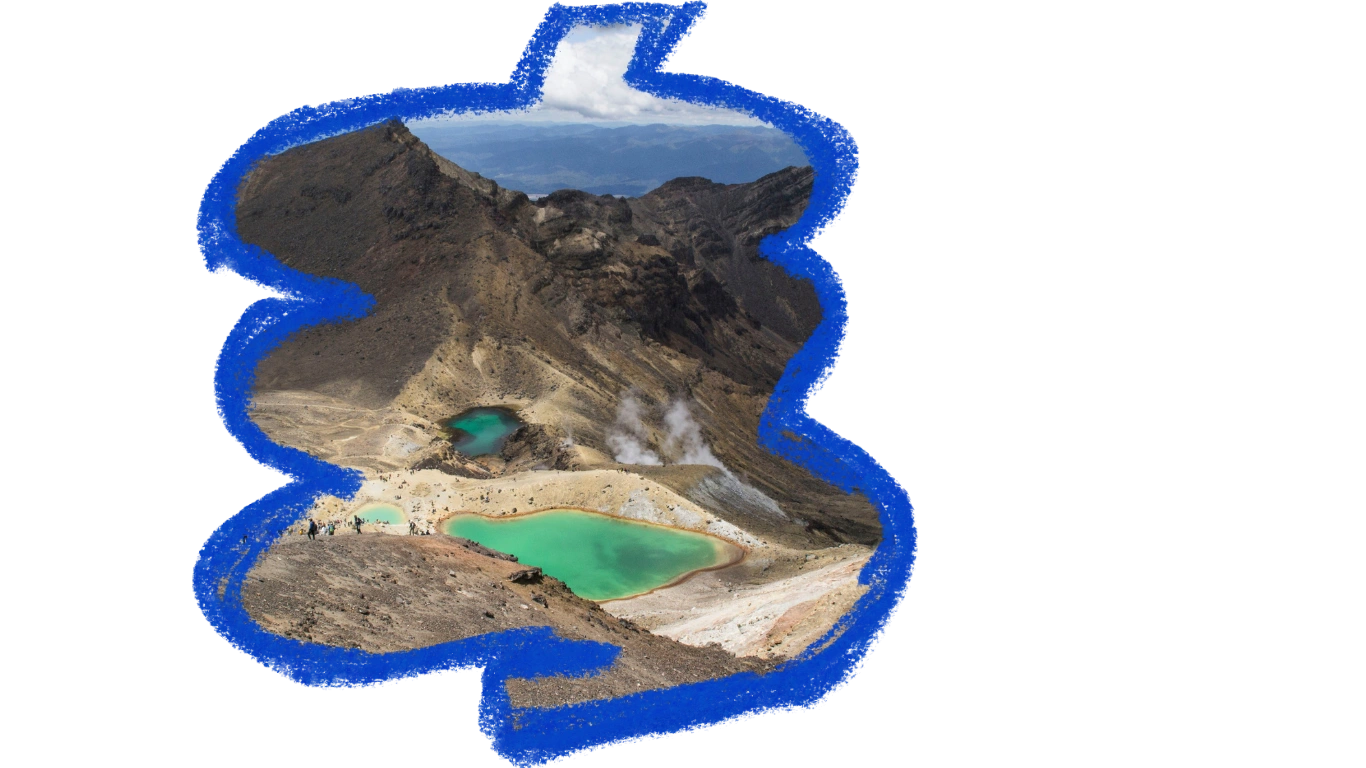
Limiting the number of people who can visit popular hiking trails each day to protect the environment. Tourism businesses are pledging to protect the environment and support local communities. Māori-led Tourism: Working with indigenous communities to ensure tourism respects traditional values and helps preserve cultural sites.


SUNx Malta is a not-for-profit organization dedicated to Climate Friendly Travel (Paris 1.5, SDGs, and Nature Positive tourism). Dodo4Kids is one of our educational initiatives, inspiring young travelers to explore the world responsibly through stories, activities, and gamified learning.
Vliertjeslaan 5, Overijse, Brussels, 3090, Belgium