

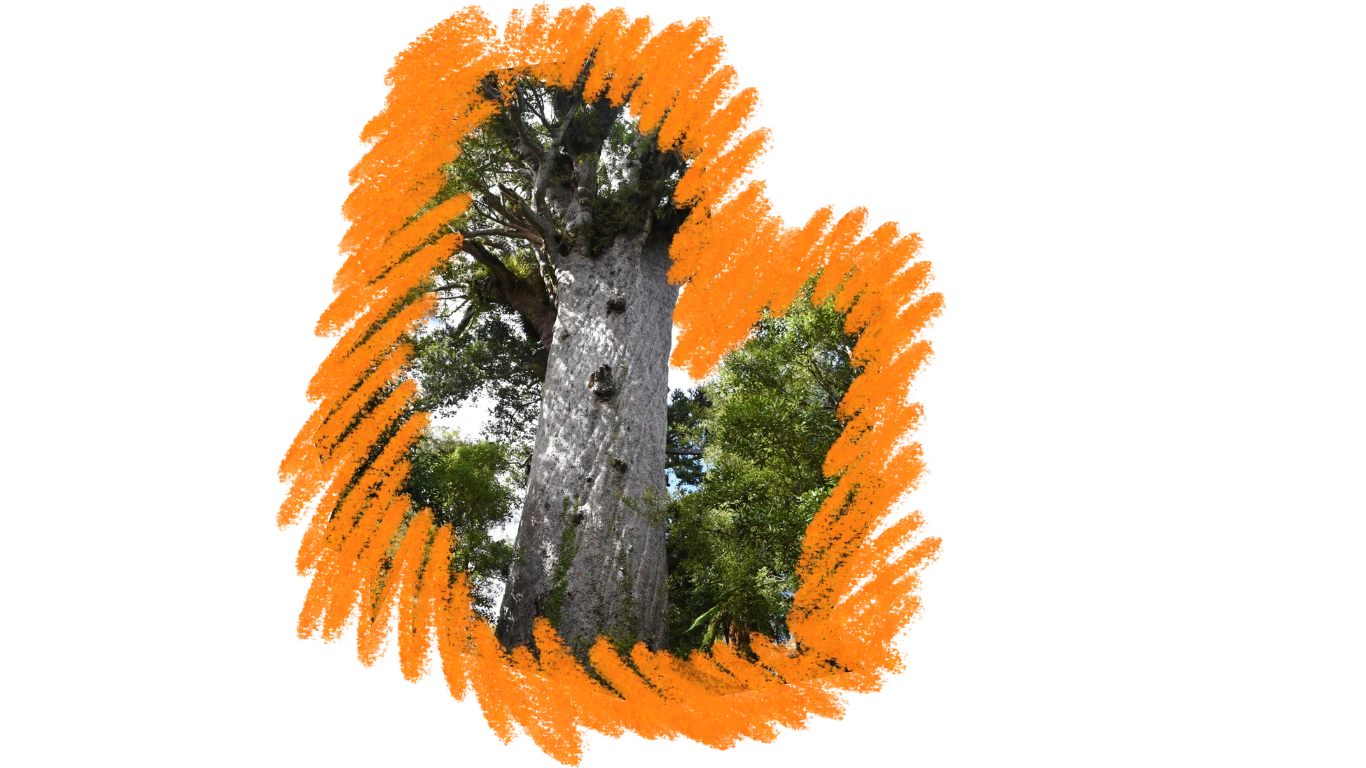
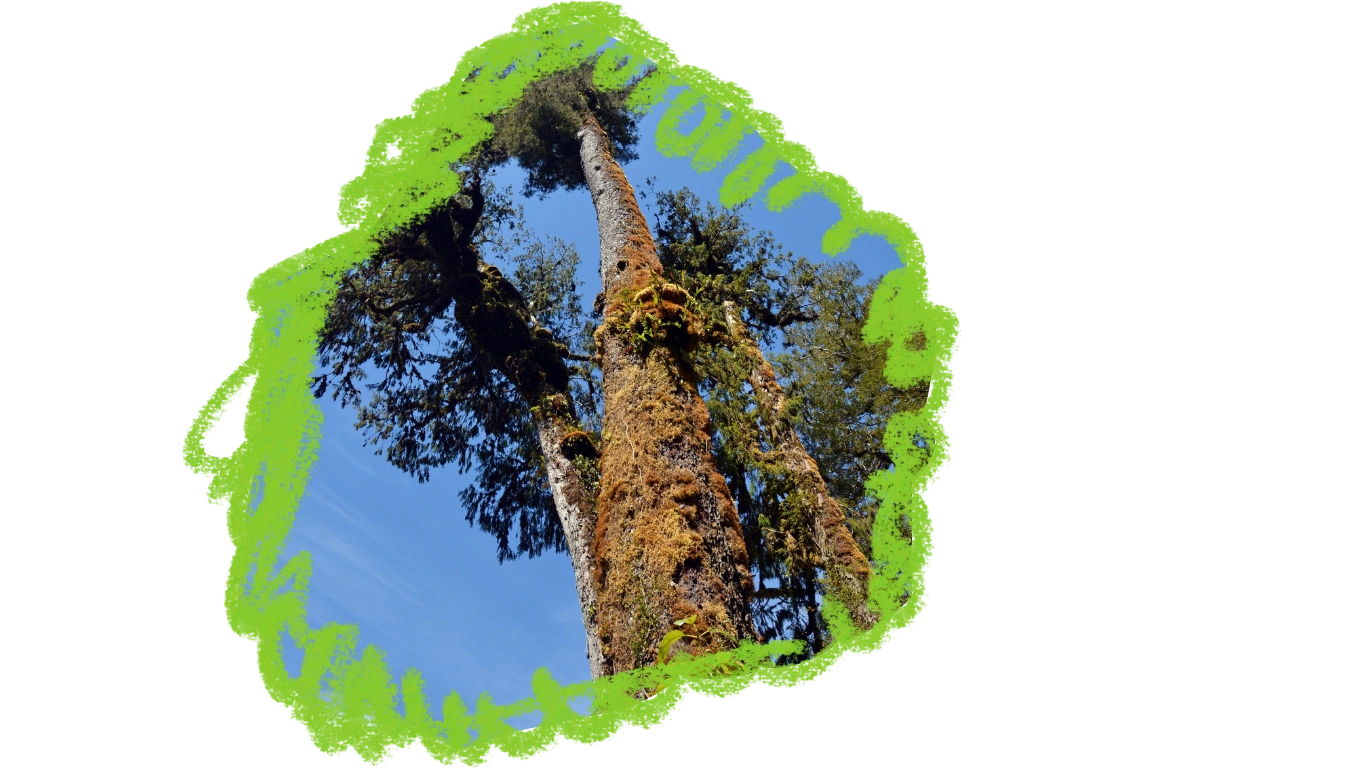
Before people arrived, over 80% of New Zealand was covered in beautiful native forests! Today, these forests - called "the bush" by New Zealanders - are home to amazing trees like giant kauri, tall rimu, and graceful tree ferns.
One of the most famous forests is in Waipoua, where you can visit Tāne Mahuta - a kauri tree over 2,000 years old and as tall as a 15-story building!
Only about 25% of New Zealand's original native forest remains, and much of what's left has been damaged by introduced animals like possums, deer, and goats that eat the native plants. Before people arrived, over 80% of the land was covered in lush, dense native forest and shrublands.
The Department of Conservation manages about 5.2 million hectares of New Zealand's forests in national parks and protected areas. Tree planting programs are restoring native forests on private land, and special fences protect regenerating areas from introduced animals. Community groups like the Native Forest Restoration Trust help buy and protect important forest areas.
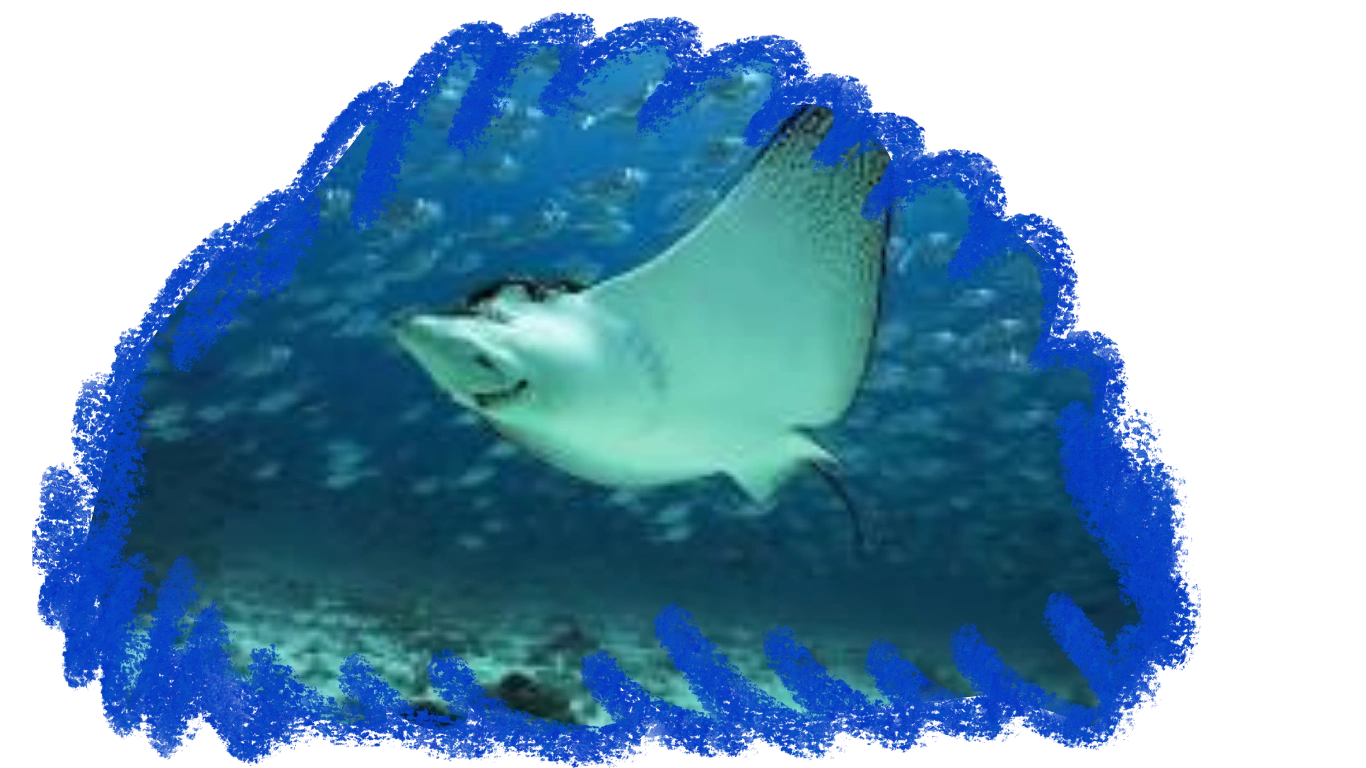
New Zealand is surrounded by ocean that's 15 times bigger than the land! This ocean is home to whales, dolphins, seals, penguins, and thousands of fish species.
Marine Protected Areas (MPAs) are like underwater national parks where no fishing is allowed, giving sea creatures a safe place to live and grow.
Less than half a percent of New Zealand's marine environment is fully protected, and nearly all of that is found around distant islands. Despite New Zealand's ocean territory being 15 times larger than its landmass, New Zealand currently has less than one percent of its ocean areas protected.
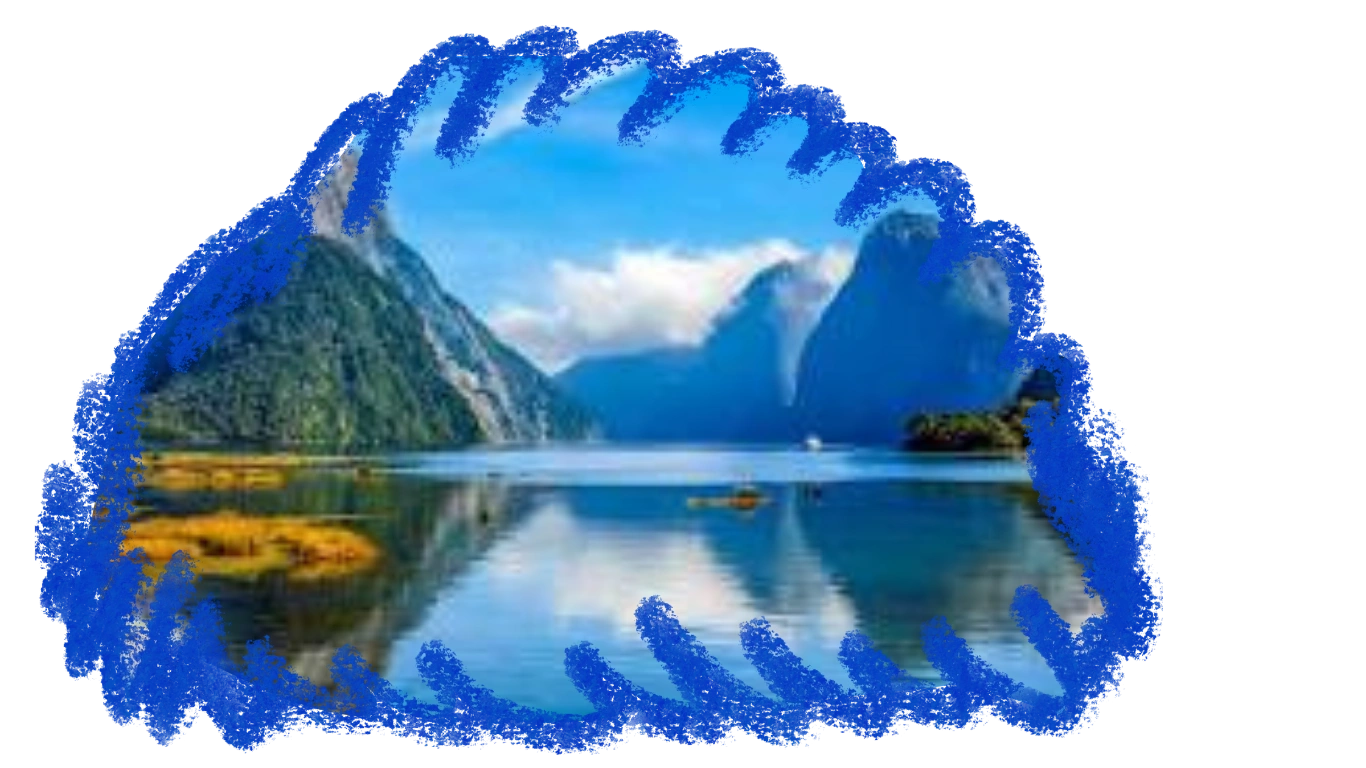
New Zealand has many marine reserves including Cape Rodney-Okakari Point near Auckland, and ten marine reserves in Fiordland. WWF and other groups are working toward protecting 30% of the world's oceans by 2030. The proposed Kermadec Ocean Sanctuary would create one of the world's largest marine protected areas.
New Zealand is famous for having animals found nowhere else on Earth! Many of these unique creatures are in danger and need our help.
79% of native land vertebrates are classified as threatened with or at risk of extinction, with more than 75% of indigenous reptile, bird, bat, and freshwater fish species groups threatened.
Kiwi Birds: New Zealand's national bird is flightless and has nostrils at the end of its beak! Kiwi currently number around 70,000 but are declining at a rate of 2% per year.
Kākāpō: The world's only flightless parrot! These gentle giants can live over 100 years and smell like flowers.
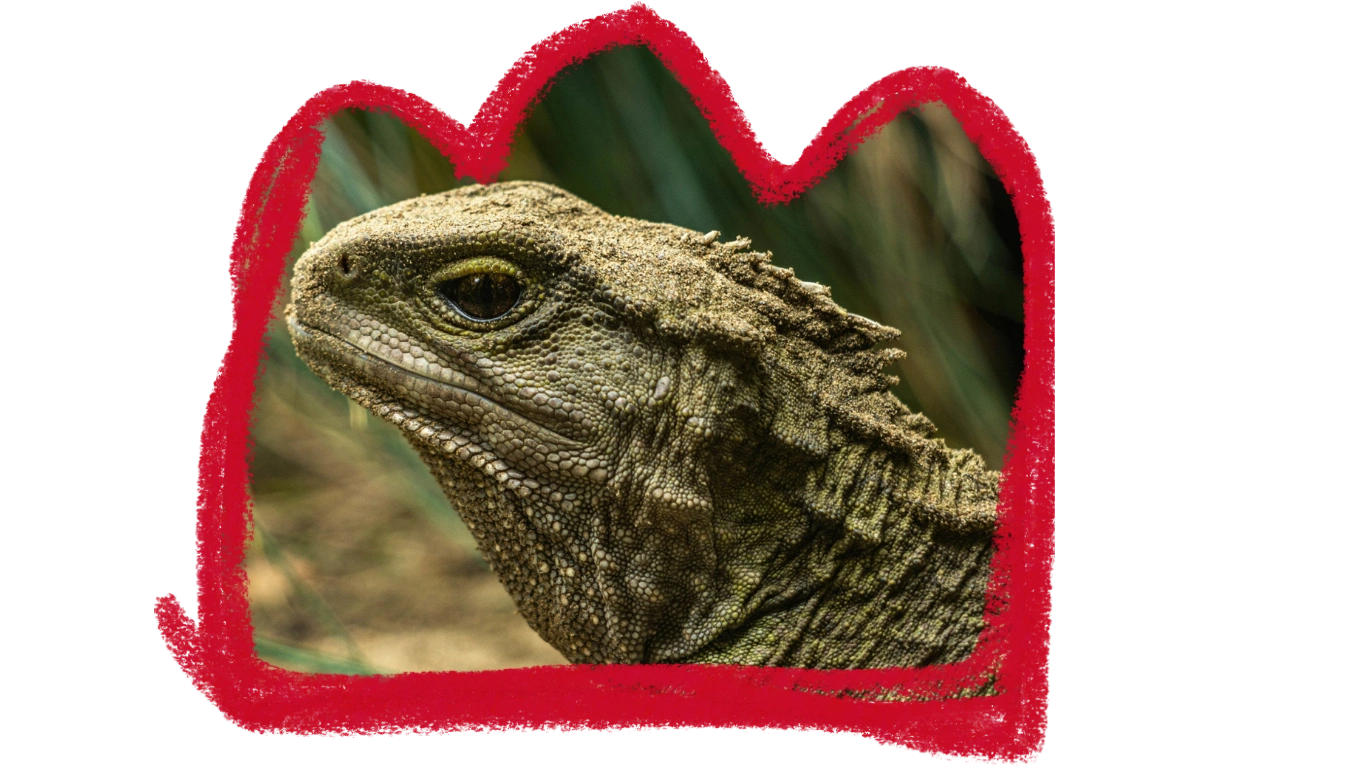
Tuatara: Ancient reptiles that have been around since the time of dinosaurs - they even have a "third eye" on top of their heads!
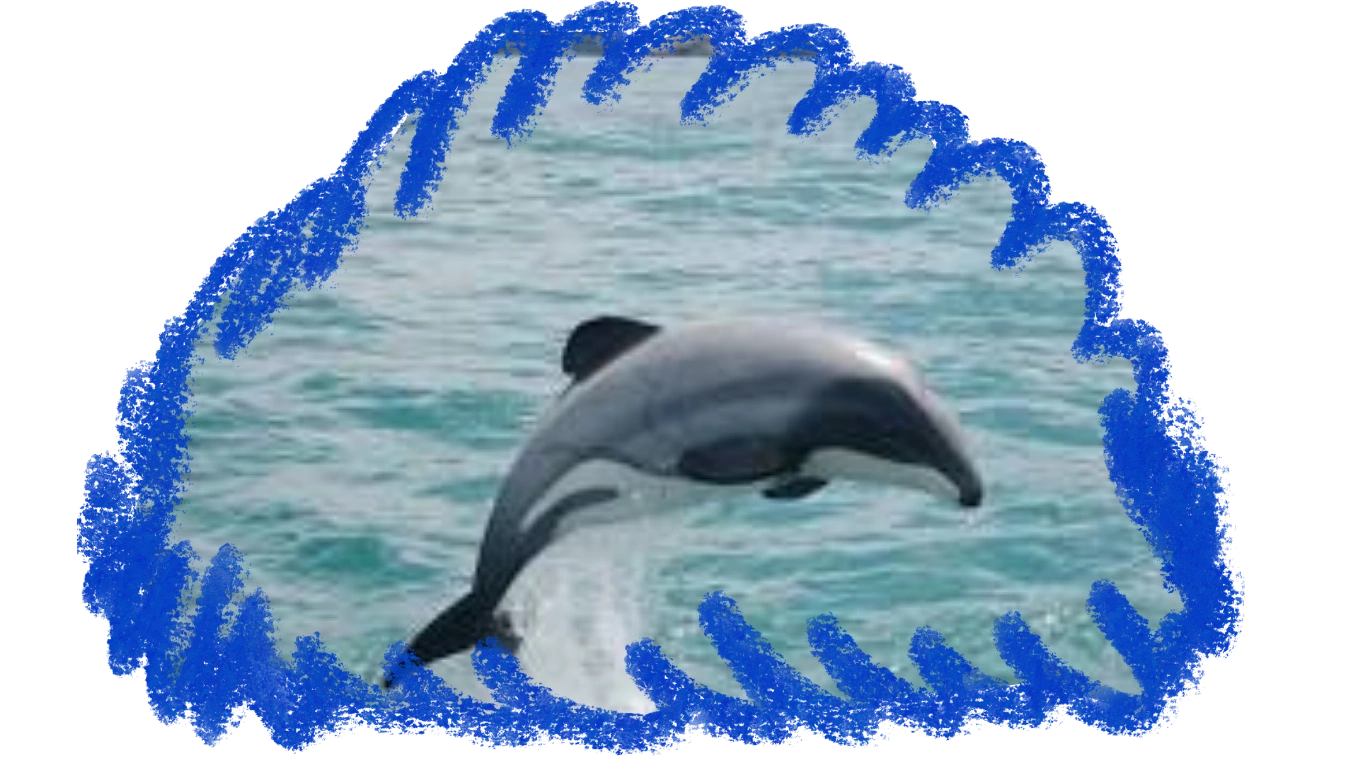
Māui and Hector's Dolphins: Only between 55 to 63 Māui dolphins remain, making them one of the world's smallest and rarest dolphins.
With over 7,500 of New Zealand's plant and animal species currently in some danger of going extinct, urgent help is needed. Introduced predators like rats, stoats, and cats hunt native birds, while possums damage native forests.
Predator control programs use special traps and bait stations to protect native wildlife. Captive breeding programs help increase numbers of endangered species like kākāpō and takahē. Community conservation groups and volunteers help monitor and protect native species. The ambitious "Predator Free 2050" goal aims to remove all introduced mammalian predators from New Zealand.
High in New Zealand's mountains, above the tree line, grow some of the world's most beautiful alpine plants. New Zealand has some 600 alpine plant species, 93% of them found nowhere else.
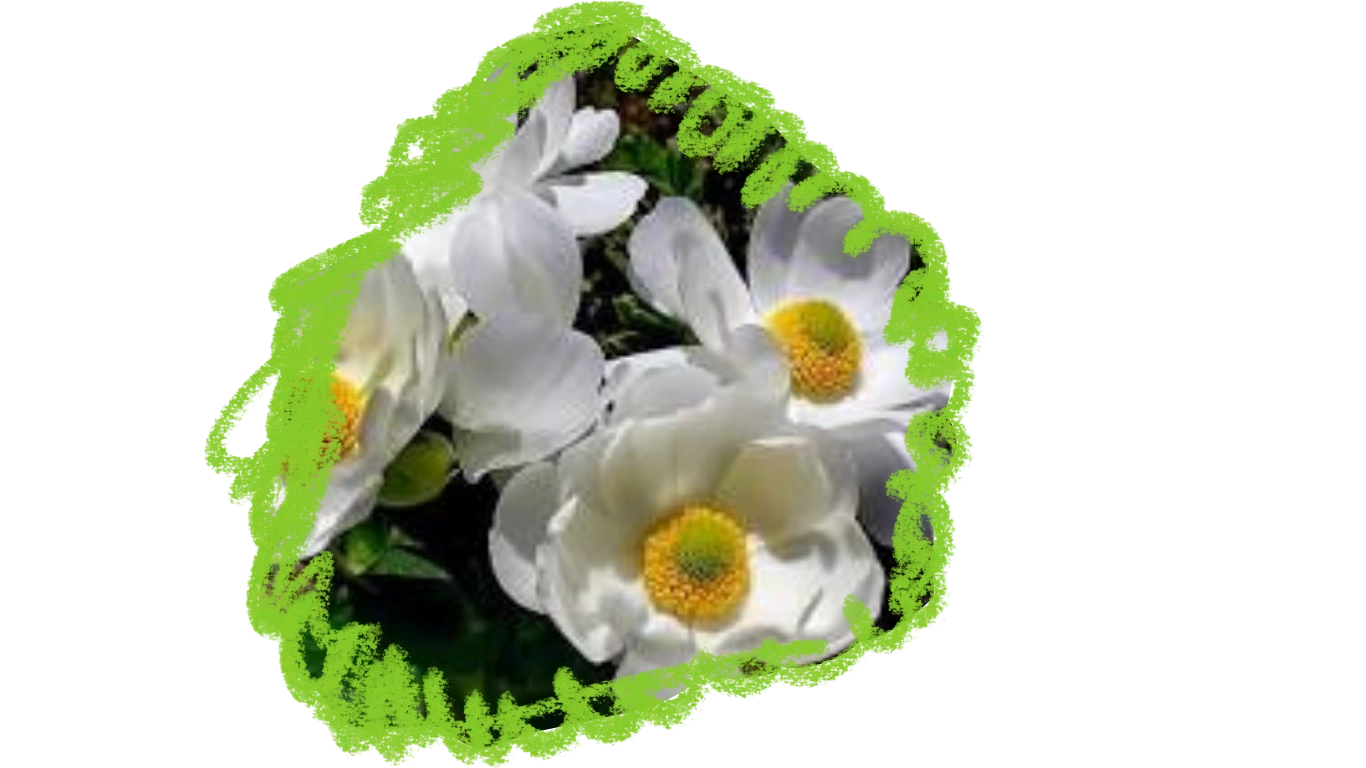
The famous Mount Cook Buttercup (also called the Mount Cook Lily) is the world's largest buttercup flower!
Climate change is pushing these special mountain plants higher up the mountains as temperatures warm, and some may have nowhere left to go.
National parks protect most alpine areas, and scientists study these plants to understand how to help them survive climate change. Some rare alpine plants are grown in special gardens to ensure they don't disappear forever.
New Zealand is like a magical island where some of the world's most unusual and amazing animals live! Because New Zealand has been separated from other countries for millions of years, many of its animals are found nowhere else on Earth. Some of these special creatures are endangered, which means they need our help to survive.
Let's explore New Zealand's nature and learn about the incredible creatures that call these beautiful islands home and how we can protect them!
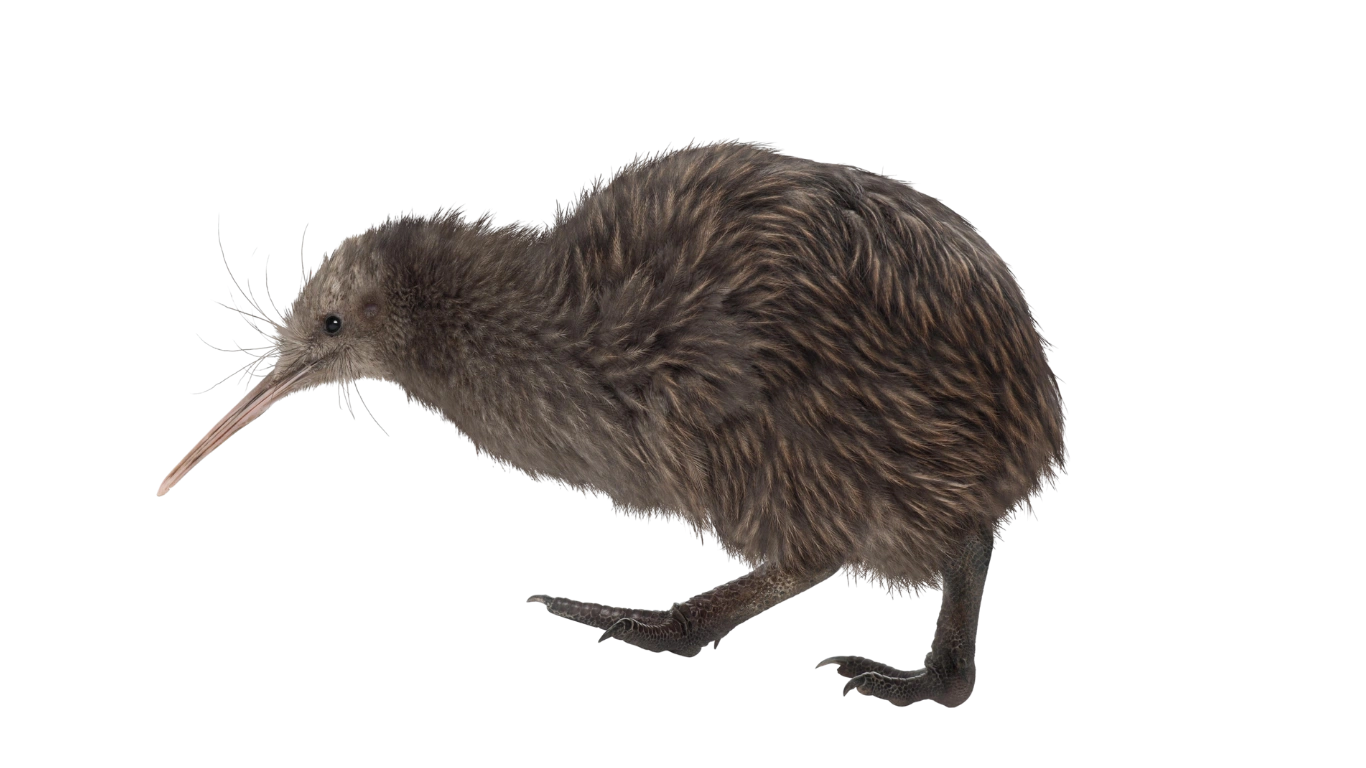
Kiwi birds are New Zealand's most famous animals and one of the most unusual birds in the world! These amazing creatures can't fly, are about the size of a chicken, have hair-like feathers instead of regular feathers, and long beaks with nostrils at the tip for sniffing out food in the dark. They're nocturnal, which means they come out at night, and they lay eggs that are huge compared to their body size - imagine if you laid an egg the size of a watermelon! Sadly, there are only about 70,000 kiwis left in the wild because introduced animals like cats, dogs, and stoats hunt them. New Zealand has created special kiwi sanctuaries, predator-free islands, and breeding programs to help these incredible birds survive, and many communities work together to protect kiwi nests and remove dangerous predators from kiwi habitats!
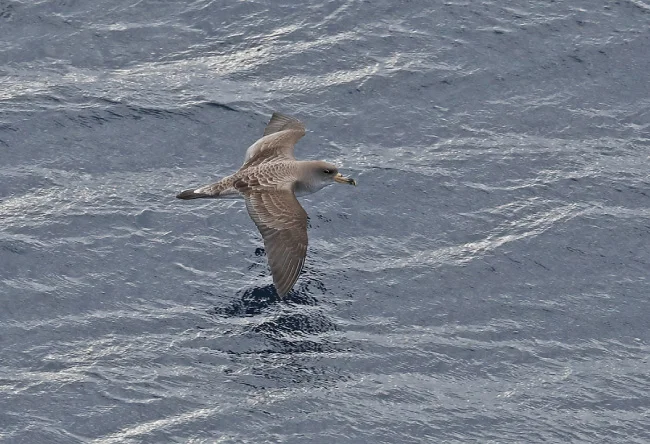
Malta is a small island, but it’s home to some incredible animals and plants that are found nowhere else. Sadly, some of these species are endangered, which means they are at risk of disappearing forever.
Let’s explore Malta’s nature and learn about the amazing creatures that live here and how we can protect them!


SUNx Malta is a not-for-profit organization dedicated to Climate Friendly Travel (Paris 1.5, SDGs, and Nature Positive tourism). Dodo4Kids is one of our educational initiatives, inspiring young travelers to explore the world responsibly through stories, activities, and gamified learning.
Vliertjeslaan 5, Overijse, Brussels, 3090, Belgium