


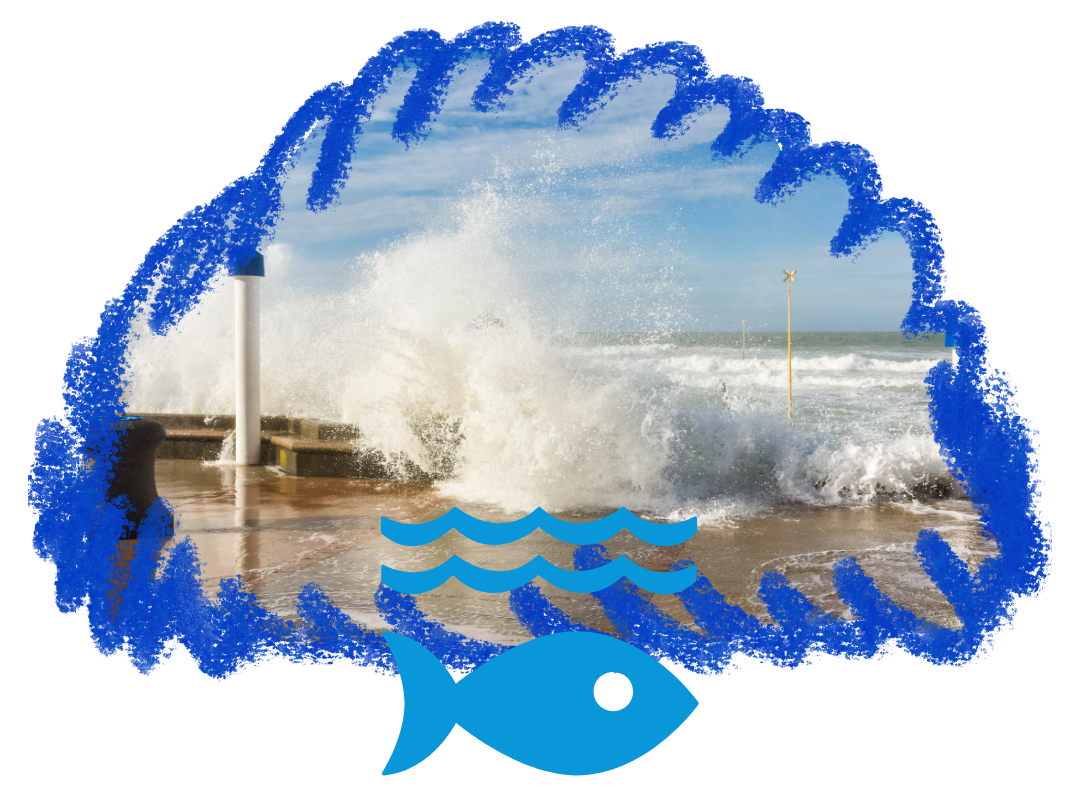
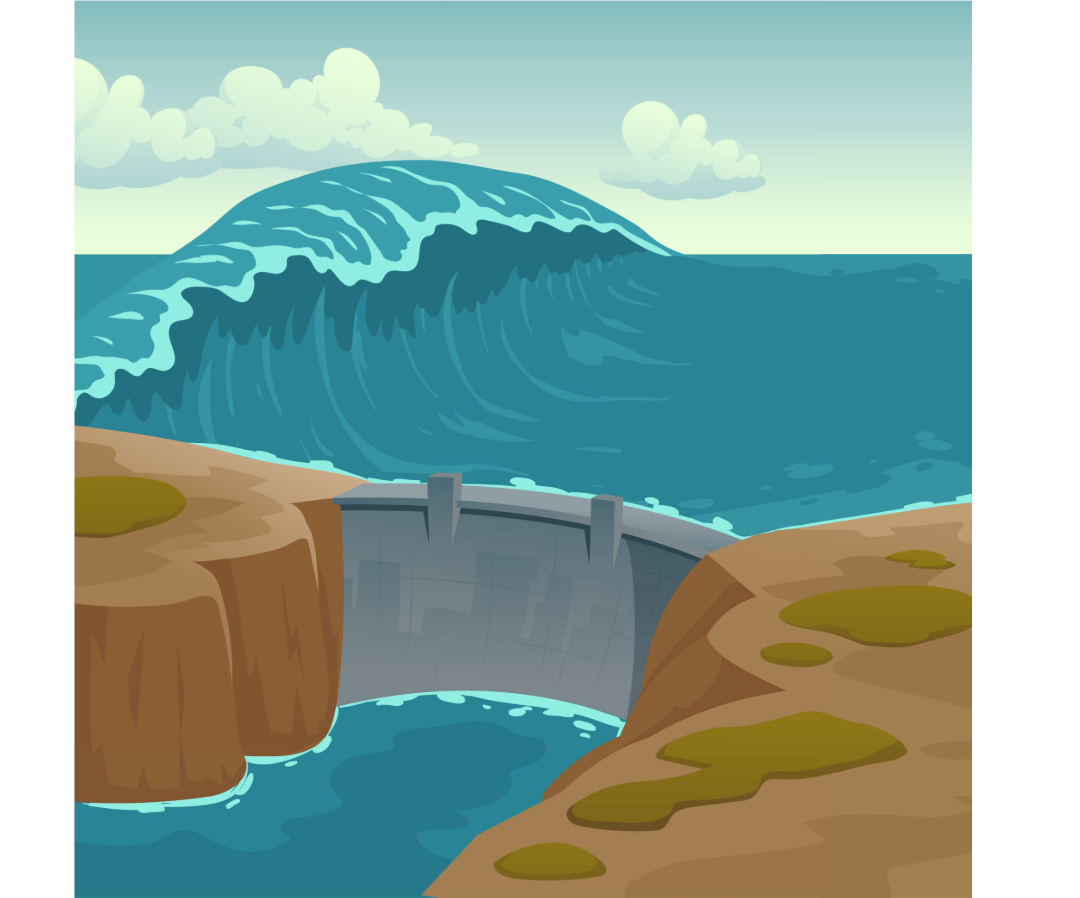
The ocean around Mauritius is rising 8 millimeters every year—faster than the global average! This means beaches are disappearing, and salty seawater is getting into freshwater sources.
Beaches like Grand Baie and Flic en Flac are getting smaller as waves wash away the sand.
Important places, like Port Louis and Mahebourg, could have more flooding in the future.
Saltwater is mixing into underground water, making it harder for people to get clean drinking water.
Building sea walls in places like Mon Choisy to block powerful waves and stop floods.
Restoring mangrove forests—These special trees hold onto soil with their strong roots, stopping erosion. They also trap pollution and shelter fish! More than 20,000 mangroves were planted in Grand Sable.
Raising houses on stilts in flood-prone areas so that people stay dry and safe.
Mauritius is right in the Indian Ocean Cyclone Belt, which means it gets huge storms every year. These storms are becoming stronger because of climate change, bringing more rain, faster winds, and serious damage.
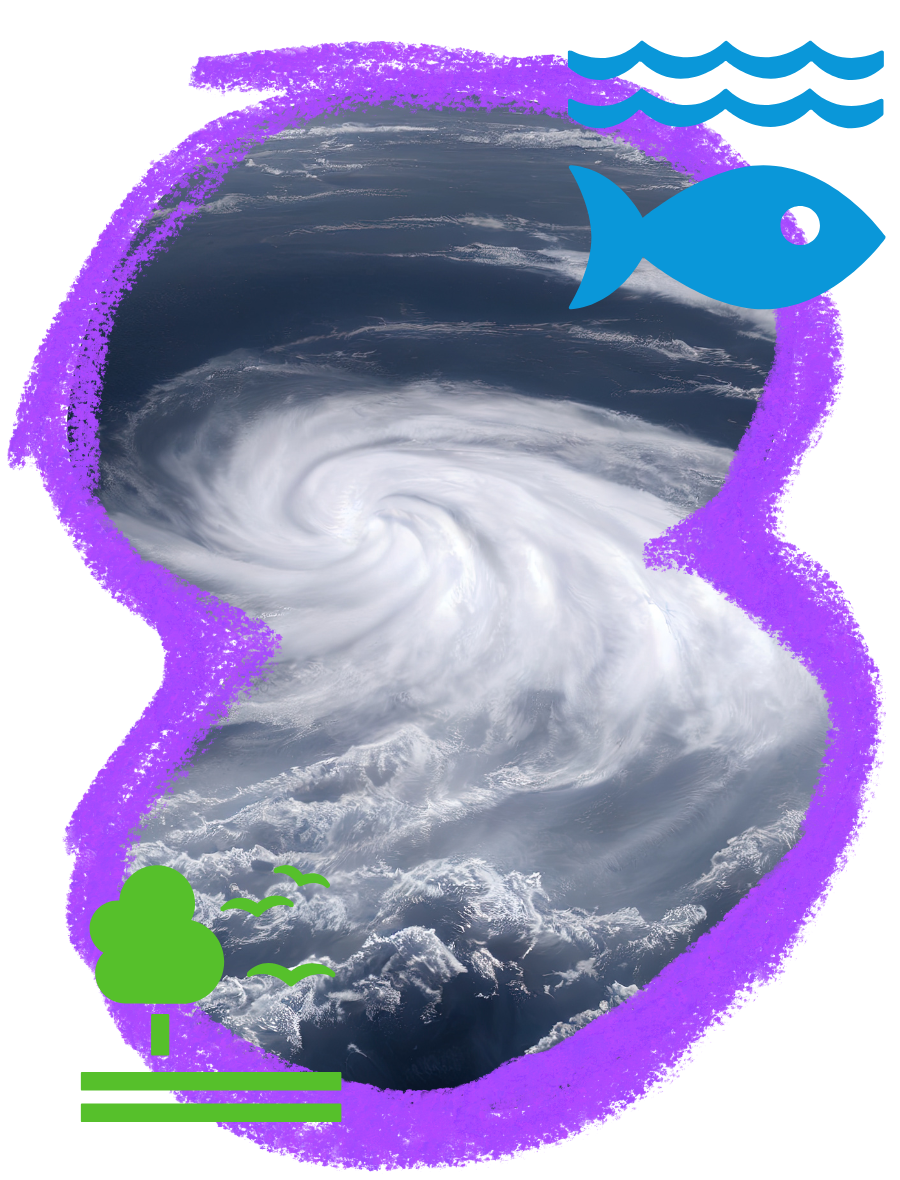
Cyclones are stronger! Cyclone Fantala had 280 km/hr winds, which is faster than a race car! Cyclone Gelena hit Mauritius in 2019, causing flash floods that washed away houses and farms.
Flash floods in cities like Port Louis turn streets into rivers, making it hard for people to get around.
Heavy rain damages farmland, making it harder for farmers to grow food.
Early warning systems now send alerts to people’s phones when a cyclone is coming.
Stronger drainage systems are being built in cities like Port Louis to move water away quickly and prevent floods.
Planting more mangroves—Besides stopping erosion, their roots also slow down waves during cyclones!
Mauritius is getting hotter faster than before! Since 1960, the temperature has risen by 1.2°C—that might not sound like much, but it changes everything.
Farms are struggling because crops like sugarcane and pineapples need cooler nights to grow.
Tourists don’t visit as much during extreme heat, which affects hotels and restaurants.
People use more air conditioning, which increases electricity use and causes blackouts.
Planting more trees in cities to create shade and cool down the streets.
Helping farmers grow heat-resistant crops like coconuts and special vegetables that survive in hot weather.
Encouraging smart cooling systems in hotels and homes to save electricity.
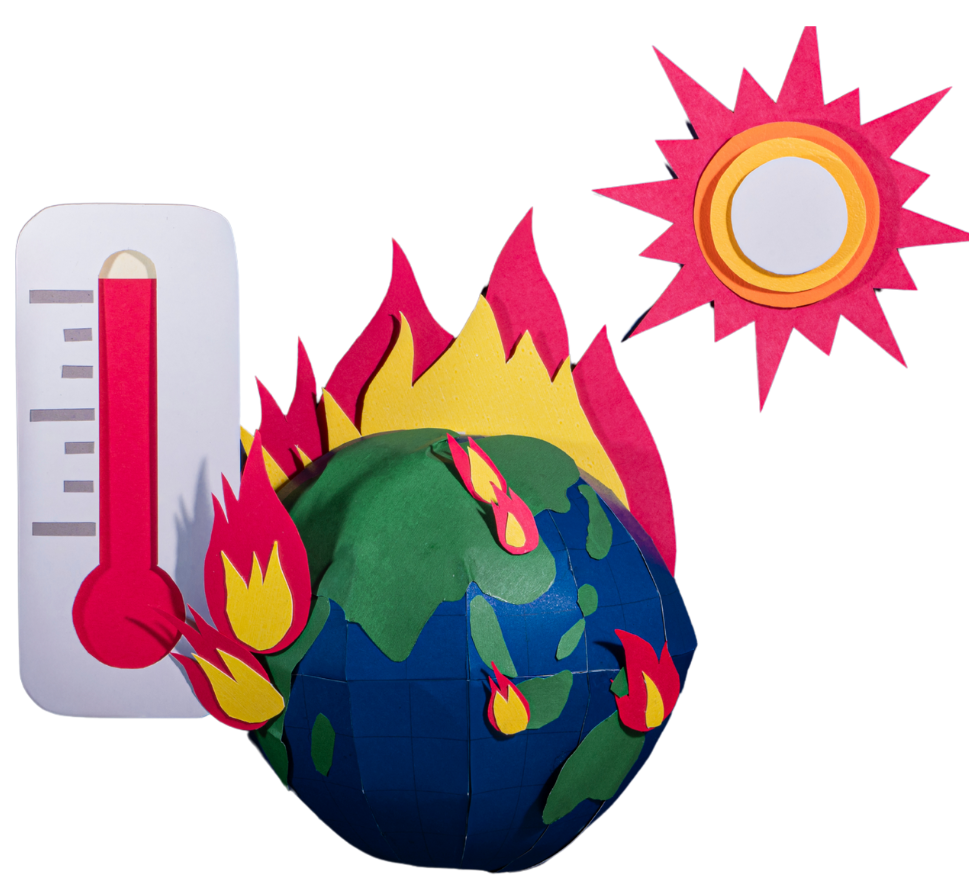
Water scarcity means there isn’t enough water to go around. Mauritius depends on rain and underground water for drinking, farming, and daily life. But climate change is making fresh water harder to find!
Less rain – Since the 1950s, Mauritius has lost 8% of its rainfall, and by 2050, this could reach 13%! That means rivers and reservoirs don’t fill up as much as they used to.
Saltwater is sneaking in – The ocean is rising faster than the global average, pushing salty seawater into underground wells. By 2100, half of the wells in the Northern Aquifer could be too salty to use!
Hotter weather – Rising temperatures make water dry up faster, so there’s less for people, farms, and wildlife.
Better water storage – New underground water tanks help save extra rainwater for dry months.
Salt-tolerant farming – Farmers are growing crops that survive with salty water, like eggplants and tomatoes.
Rainwater collection – Families and hotels collect and store rainwater so they use less from underground sources.
Water monitoring systems – Scientists track water levels to stop drinking water from getting too salty.
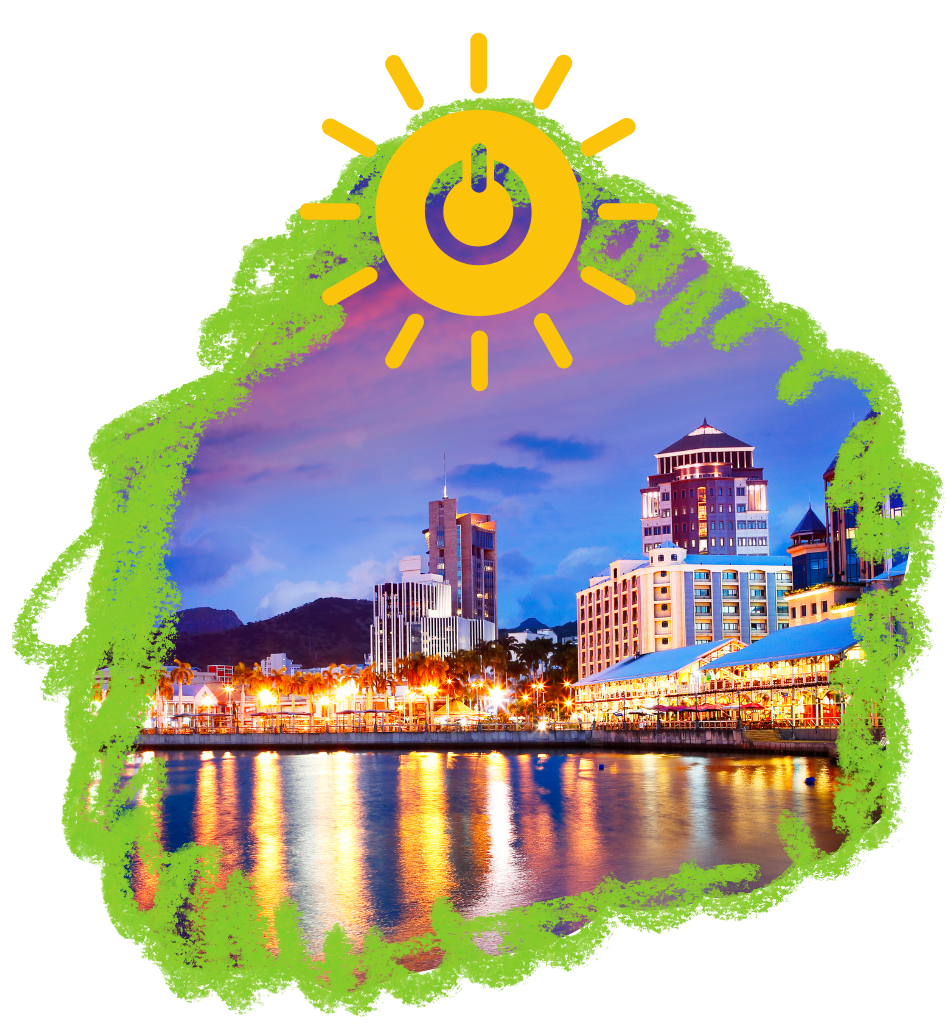
Mauritius is moving towards clean energy to protect the planet and reduce pollution. Right now, most of the island’s power comes from fossil fuels, which release carbon into the air and make climate change worse. But Mauritius has a big plan to switch to renewable energy and make the island greener and cleaner!
Most of Mauritius' energy still comes from coal and oil! These fuels pollute the air and make the planet hotter.
But the sun shines all year! Mauritius gets lots of sunlight, making it perfect for solar power.
The island also has strong winds that could be used for wind energy.
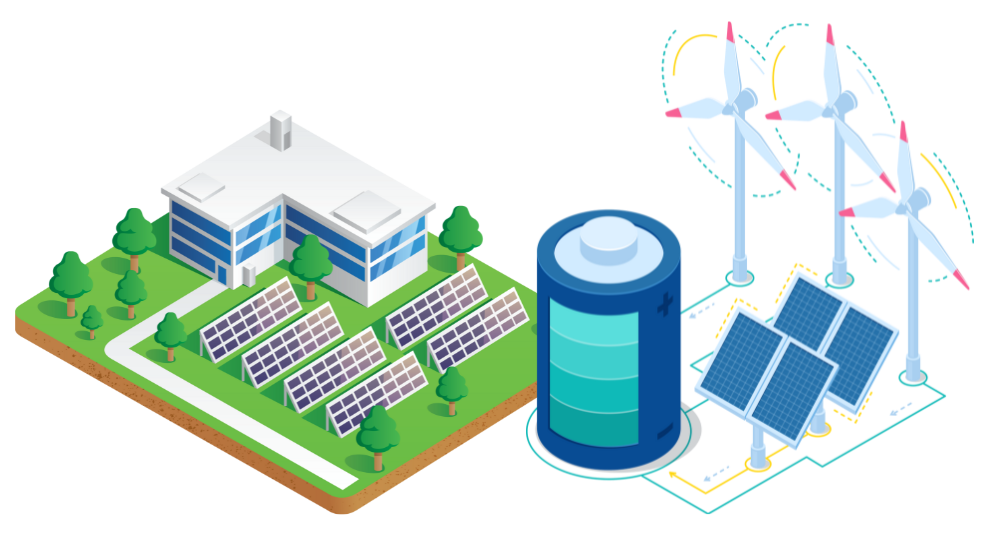
Solar energy boom! The government is building more solar farms, so homes and businesses can use sunshine instead of coal.
Wind power projects – Mauritius is testing wind farms to create electricity from the wind.
Electric transport! The Metro Express, Mauritius’ light rail system, runs on electricity and helps people travel without using gas-powered cars.
Encouraging green homes! More houses and hotels are installing solar panels to use the island’s natural energy





SUNx Malta is a not-for-profit organization dedicated to Climate Friendly Travel (Paris 1.5, SDGs, and Nature Positive tourism). Dodo4Kids is one of our educational initiatives, inspiring young travelers to explore the world responsibly through stories, activities, and gamified learning.
Vliertjeslaan 5, Overijse, Brussels, 3090, Belgium