
Uganda is home to more than 50 different tribes, each with their own special traditions!
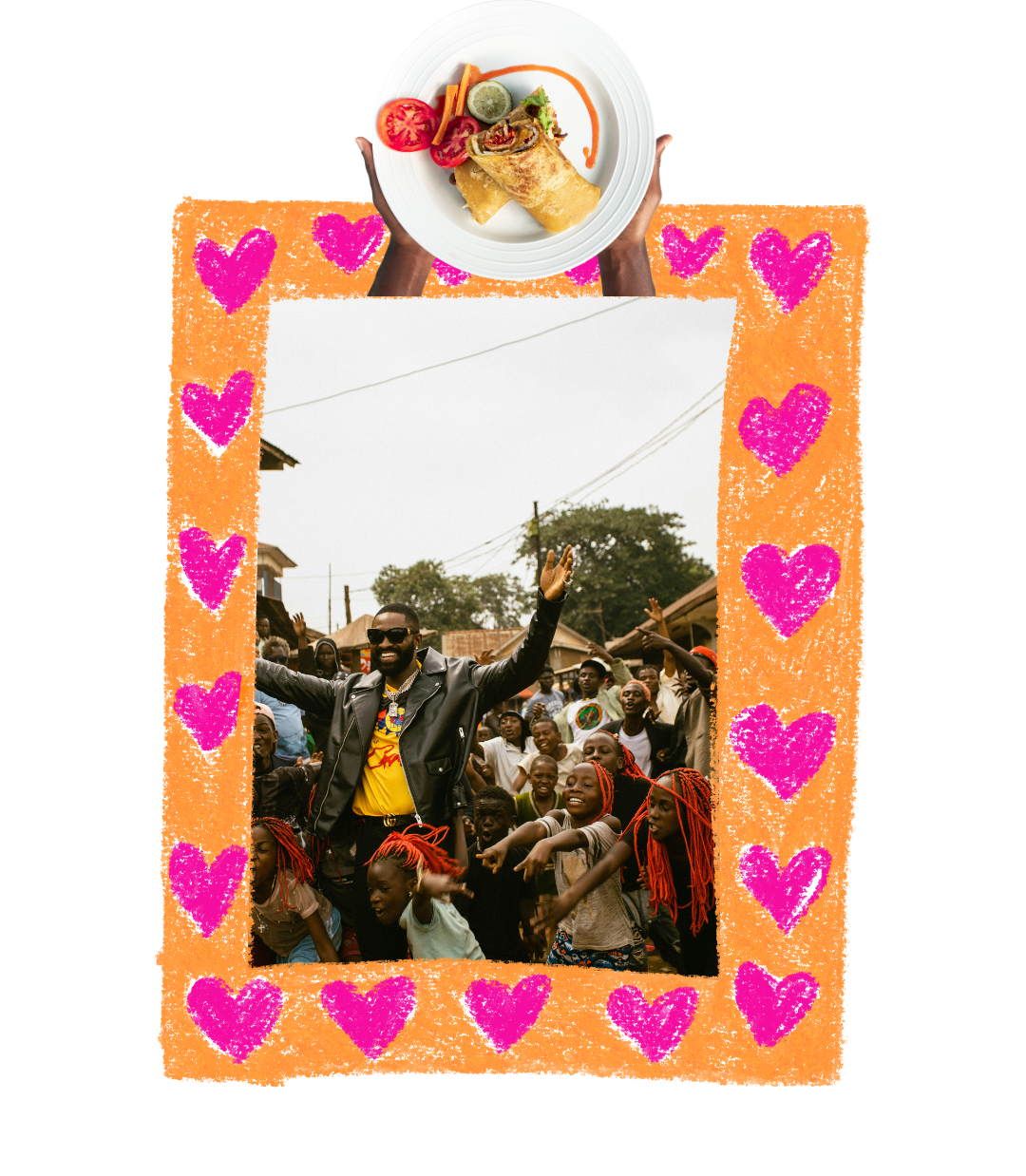
The most important food is "matoke" - mashed green bananas steamed in banana leaves. It's served with groundnut (peanut) sauce or meat stew.
Ugandan children love "rolex" - not the watch, but a tasty street food! It's an omelet rolled up in a flatbread with vegetables inside.
Each tribe has their own special dances and music!
The Kiganda dance includes amazing hip movements, while dances from western Uganda feature high jumps and stomping.
The Batwa people, who once lived in the forests near mountain gorillas, have a special dance where they mimic the movements of different forest animals.
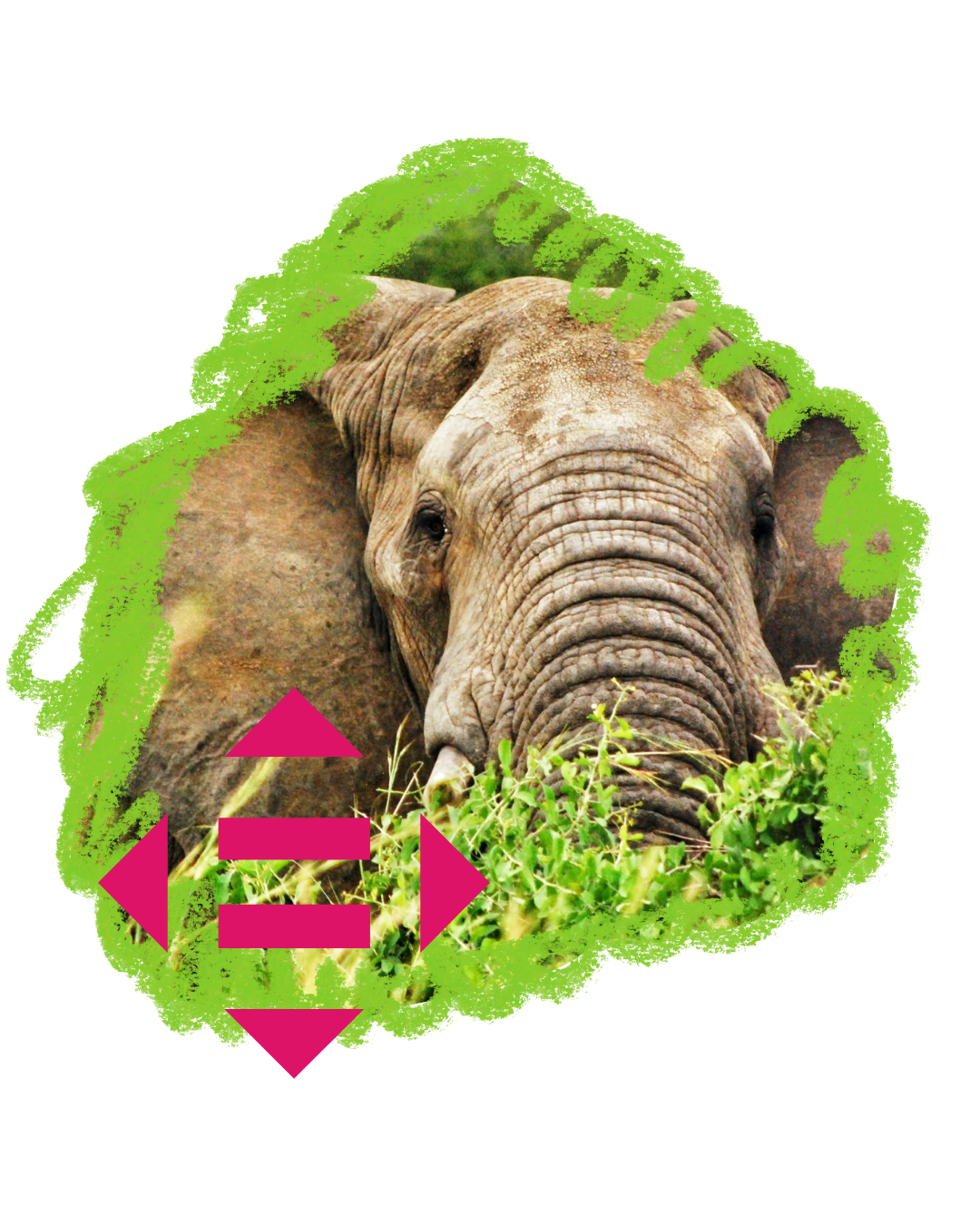
People in Uganda sometimes face challenges living near wildlife! Animals like elephants and baboons sometimes leave the national parks looking for food and eat farmers' crops. Almost everyone living near Kibale National Park has had wild animals eat their bananas or corn.
In some areas, families don't have official papers saying they own their land. This makes it hard for them to benefit from tourism or make long-term plans for their farms.
Uganda is working to give people official papers for their land, especially near tourist areas. They're also teaching farmers ways to keep wildlife away from their crops without hurting the animals. Special fences, guard dogs, and growing crops that animals don't like to eat are all helping reduce conflicts between people and wildlife
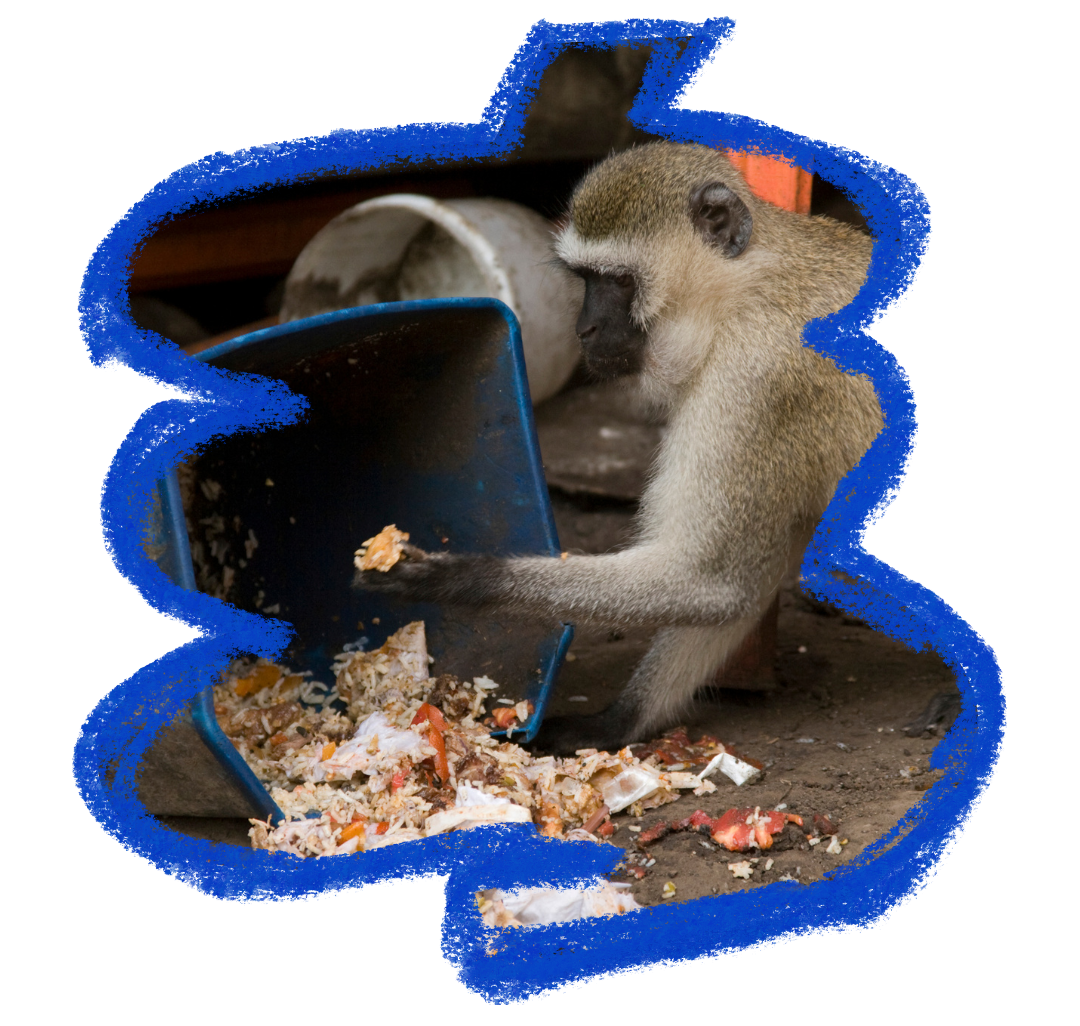
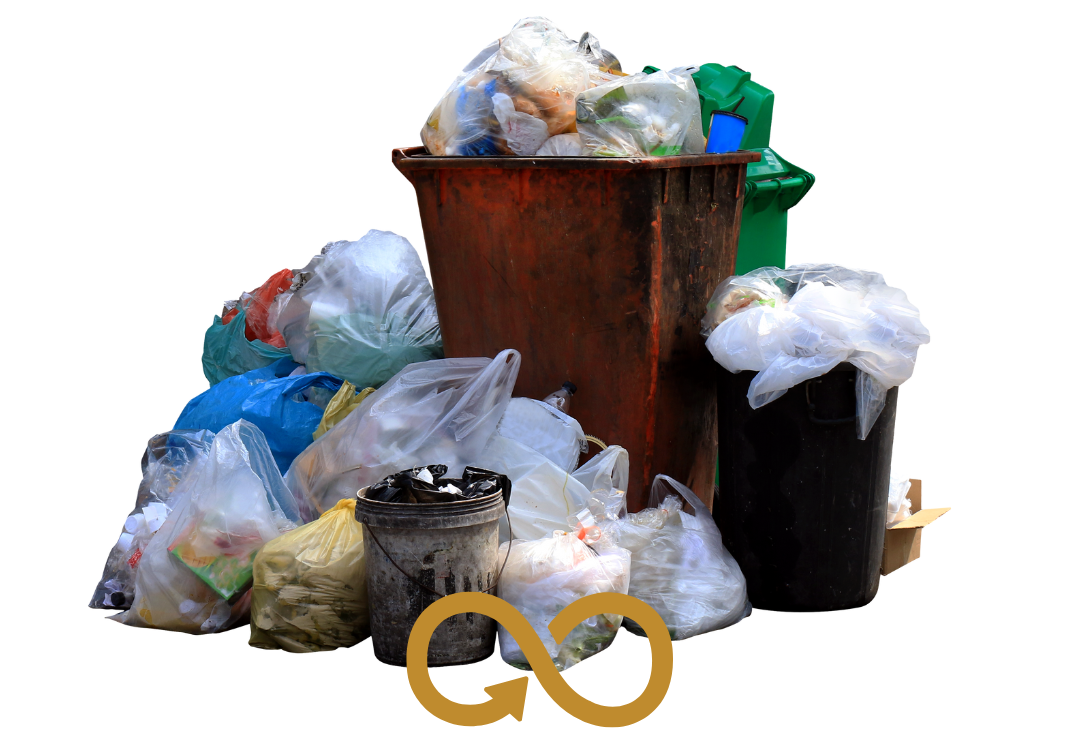
Uganda has a big trash problem! In Kampala city alone, people create about 2,500 tons of trash every day - that's as heavy as 500 elephants! But garbage trucks only pick up about 1,500 tons.
About 70% of Uganda's uncollected trash gets burned in open fires, making smelly smoke. The rest often ends up in rivers like the Rwizi and even beautiful Lake Victoria. Plastic bottles, food scraps, and packaging from hotels and tourist areas add to this problem.
In 2019, Uganda created the National Environment Act and in 2020 made special Waste Management Rules. These rules tell businesses exactly how to separate different types of trash, who's allowed to collect it, and how it should be treated or recycled.
Hotels and restaurants now need permits to operate, and they must show how they'll handle their waste properly.
Some hotels in Kampala have started following these rules by separating their trash, turning food scraps into garden soil through composting, and using fewer plastic items.
These hotels have found they save money this way too! The Uganda Tourism Board is checking to make sure all tourism businesses have proper licenses and follow these new waste rules.
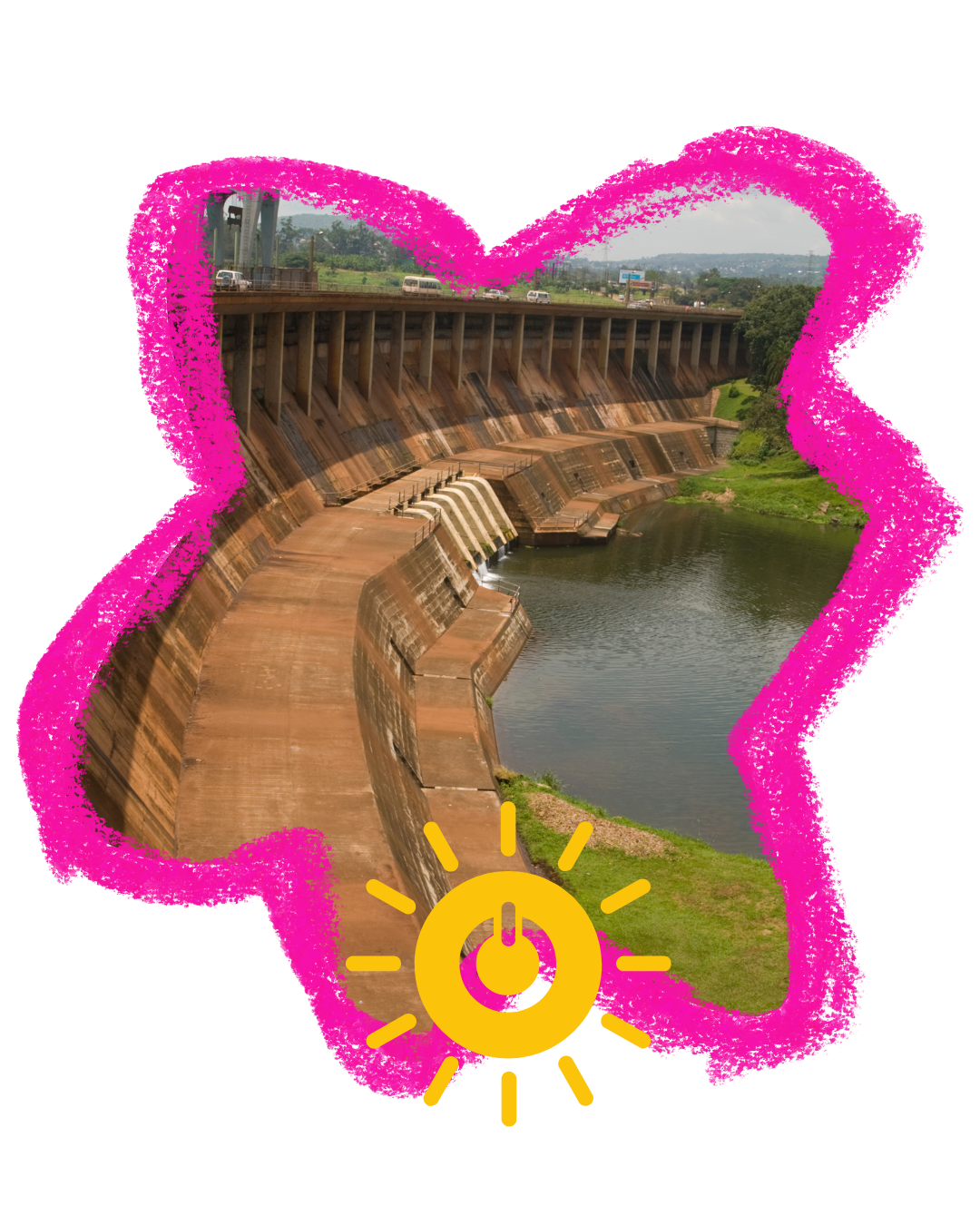
Most people in Uganda (about 88%) use wood and charcoal for cooking, which means cutting down too many trees. For electricity, Uganda mostly uses hydropower - energy from moving water.
Hotels need lots of electricity for lights, hot water, and keeping food cold. When the power goes out, they have to use noisy, polluting generators.
Uganda plans to build solar panels to catch energy from the sun. By 2050, they want to have enough solar power for millions of homes! Some hotels are already putting solar panels on their roofs to make their own electricity and save money.
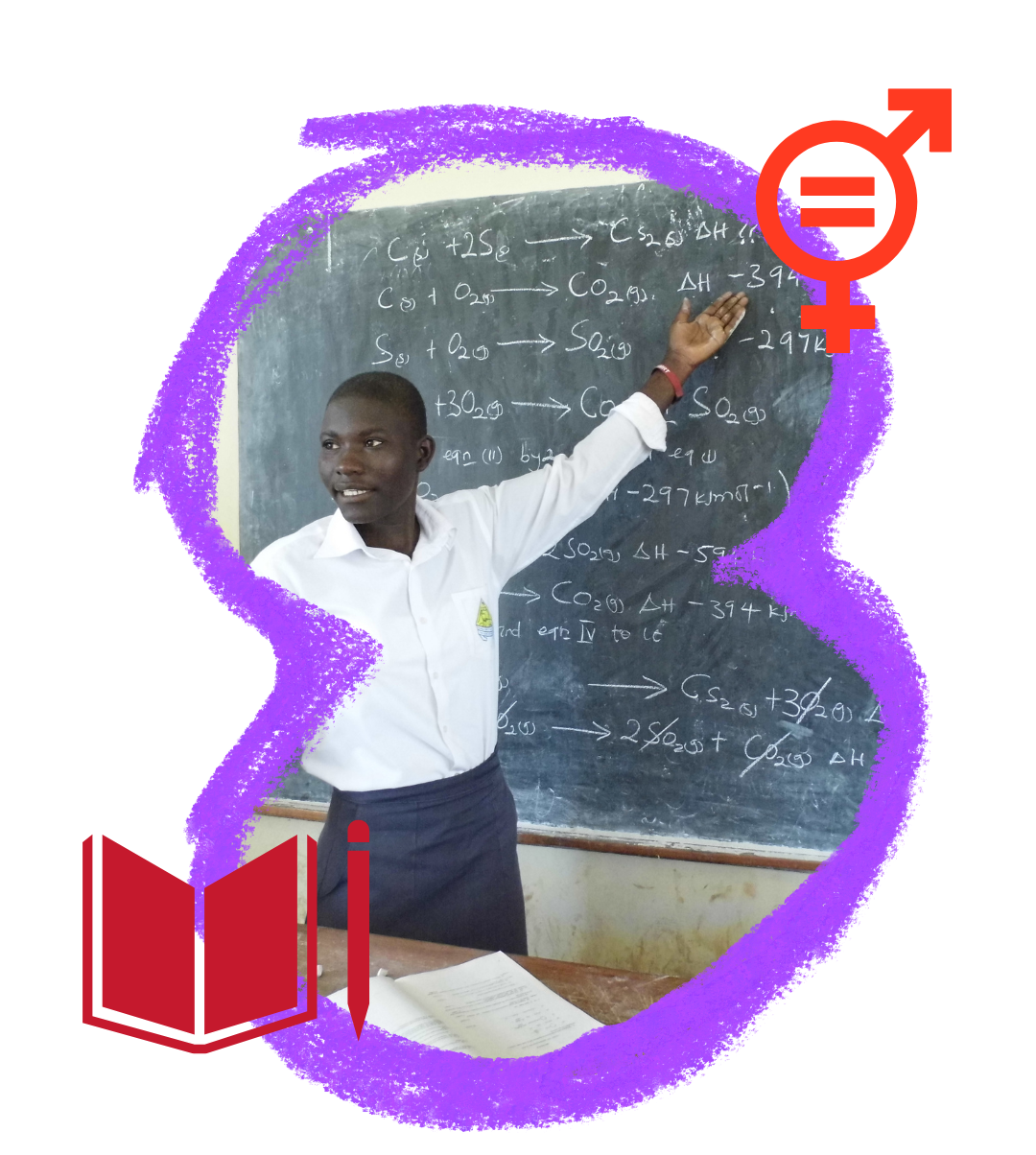
Tourism creates lots of jobs in Uganda! About 1 in every 7 workers has a job in tourism. Most work in restaurants or hotels. But many people haven't had a chance to learn the skills needed for these jobs, and it's harder for women to get certain tourism jobs than men.
Uganda created special schools to teach people tourism skills. When tourists pay to see mountain gorillas (which costs $700!), some of that money goes to nearby villages. This has helped build water systems, schools, and health centers. Local communities now see that protecting nature can help them earn money and improve their lives.



SUNx Malta is a not-for-profit organization dedicated to Climate Friendly Travel (Paris 1.5, SDGs, and Nature Positive tourism). Dodo4Kids is one of our educational initiatives, inspiring young travelers to explore the world responsibly through stories, activities, and gamified learning.
Vliertjeslaan 5, Overijse, Brussels, 3090, Belgium