
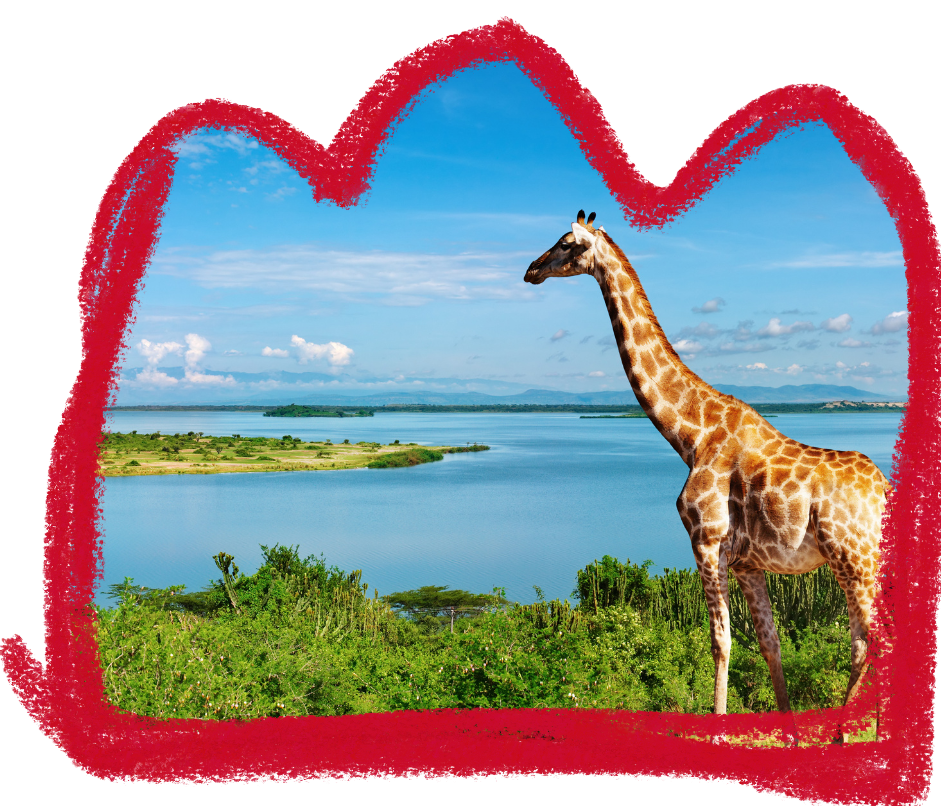
Uganda has amazing wetlands - special places where the land is covered with shallow water for all or part of the year. These include swamps, marshes, and areas around lakes. These wet areas are super important "nurseries" where fish lay their eggs and baby fish grow up.
Uganda's wetlands act like giant sponges that store water during rainy seasons and slowly release it during dry times. They also work as natural filters, cleaning water before it flows into lakes and rivers. Animals like hippos, crocodiles, and hundreds of bird species make wetlands their home.
Many wetlands are being drained so people can farm the land or build houses. Some are being polluted by trash and chemicals from farms and cities. The floating islands that sometimes appear on Lake Victoria happen when pieces of wetland break off because they're not healthy.
Uganda has created special wetland protected areas, including some around Lake Victoria. These are like "no-touch zones" where the wetlands must stay natural.
Communities are learning how to fish and harvest plants from wetlands without damaging them.
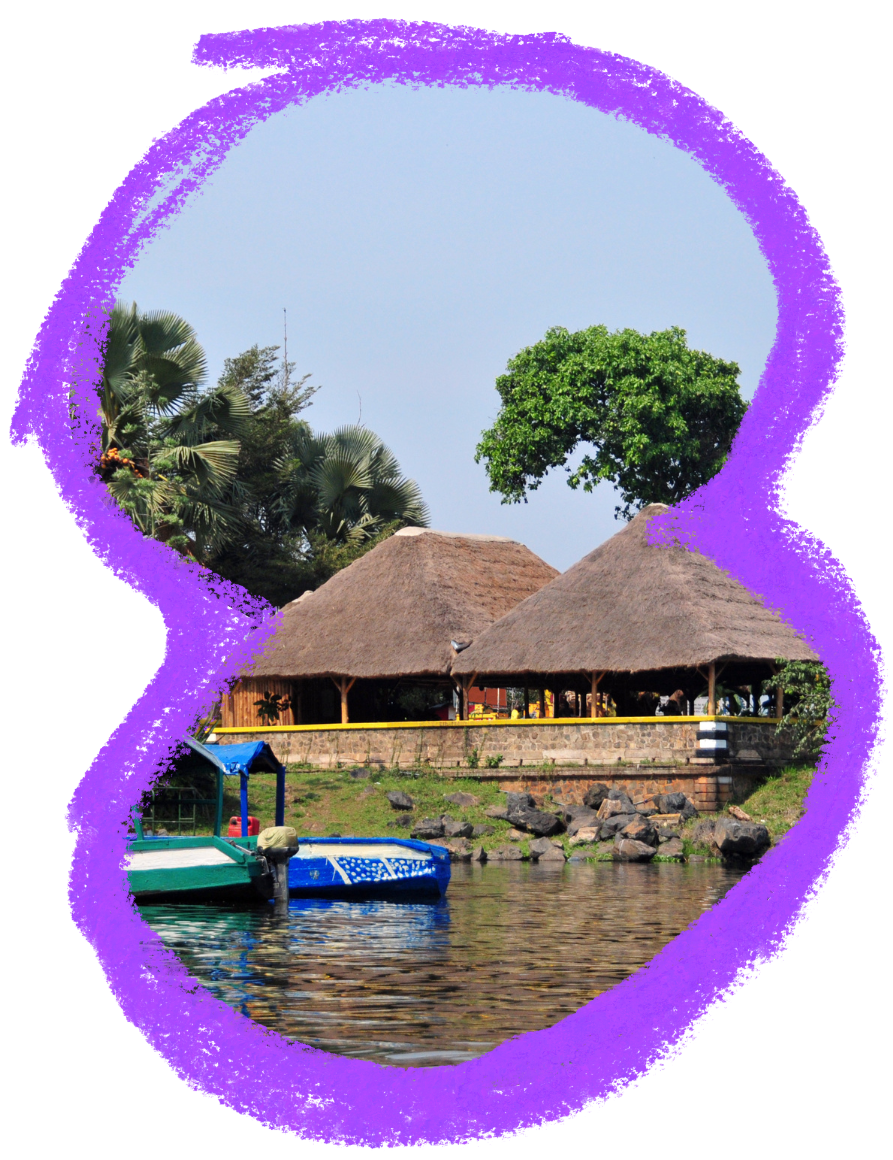
Some tourism businesses offer boat trips through wetlands so visitors can see the amazing birds and animals, showing that protecting these wet areas can create jobs.
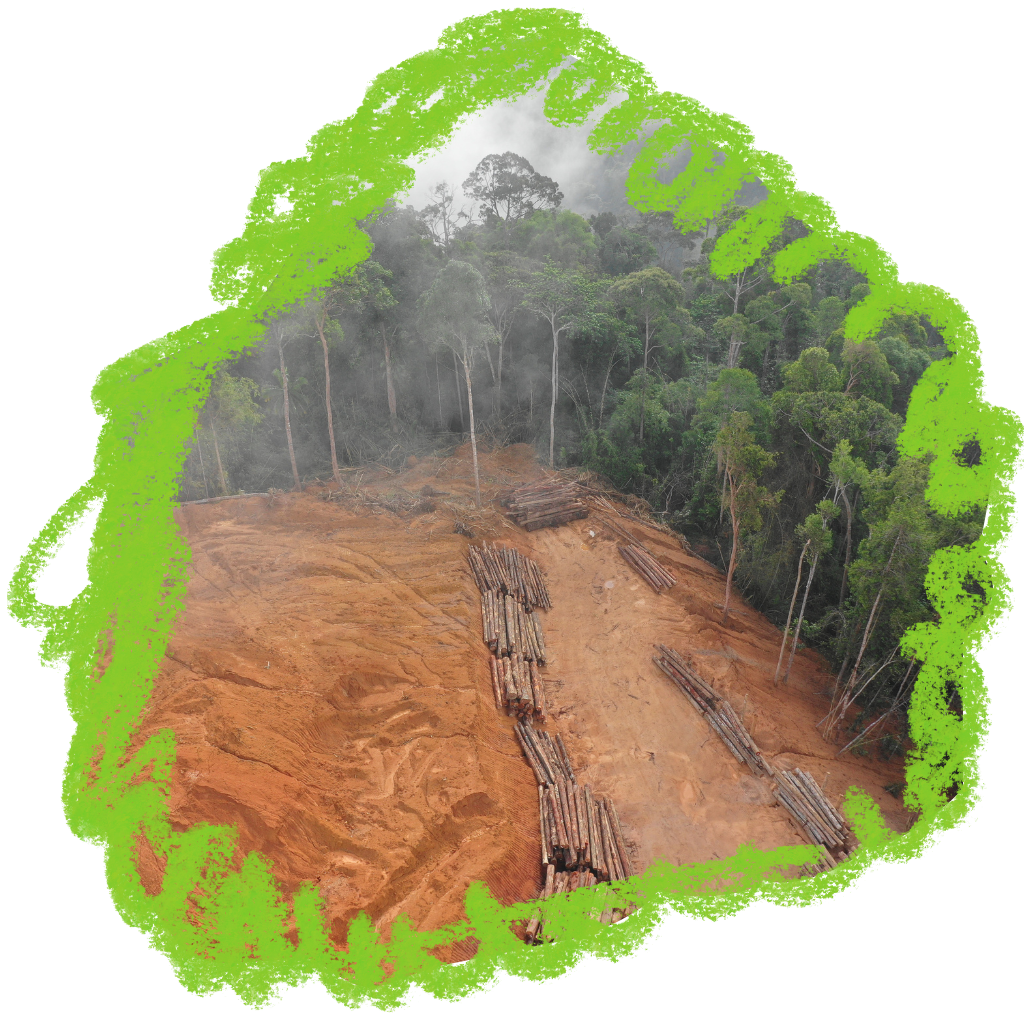
Uganda's forests are being cut down too quickly. People need wood for cooking and building, and sometimes forests are cleared for farming or development projects. In places like Bugoma Forest, trees have been cut down to grow sugarcane.
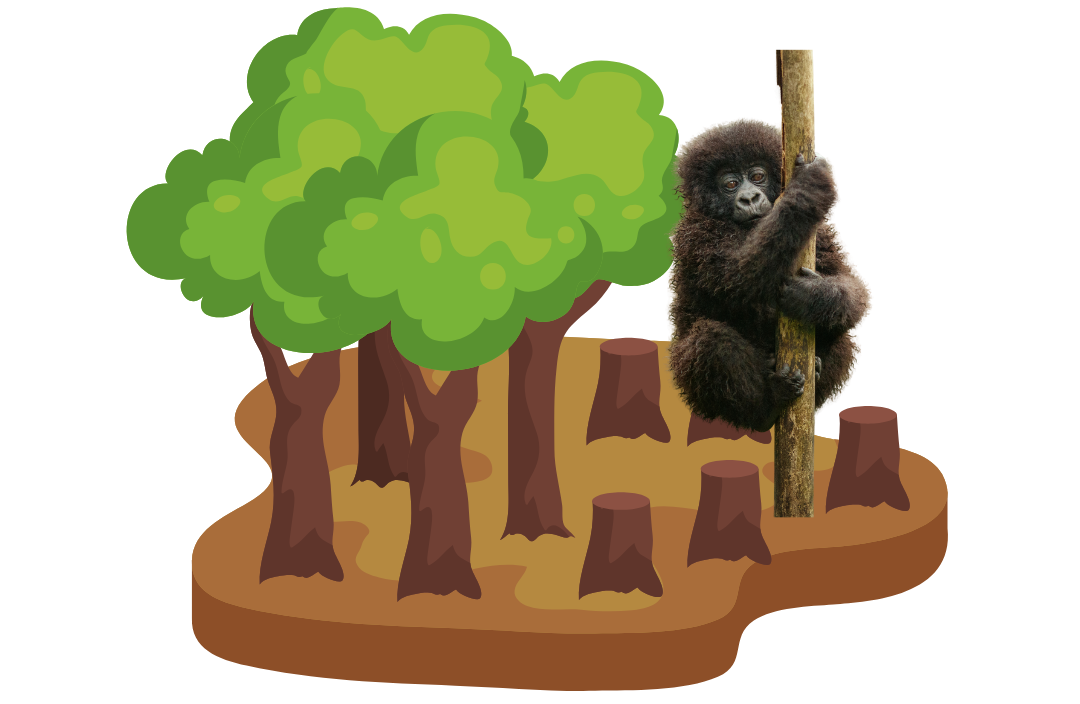
Forests are super important because they're home to chimpanzees, birds, and thousands of plant species. They also help stop climate change by absorbing carbon dioxide from the air, and they prevent soil from washing away during heavy rains.
Uganda plans to increase the area of planted forests to 407,608 hectares (that's about 1 million acres!) by 2030.
The country has special strategies like the National REDD+ Strategy and the Biodiversity Strategy and Action Plan to protect forests and plant new trees.
Some communities earn money by planting trees and taking care of forests, showing that protecting nature can also help people.
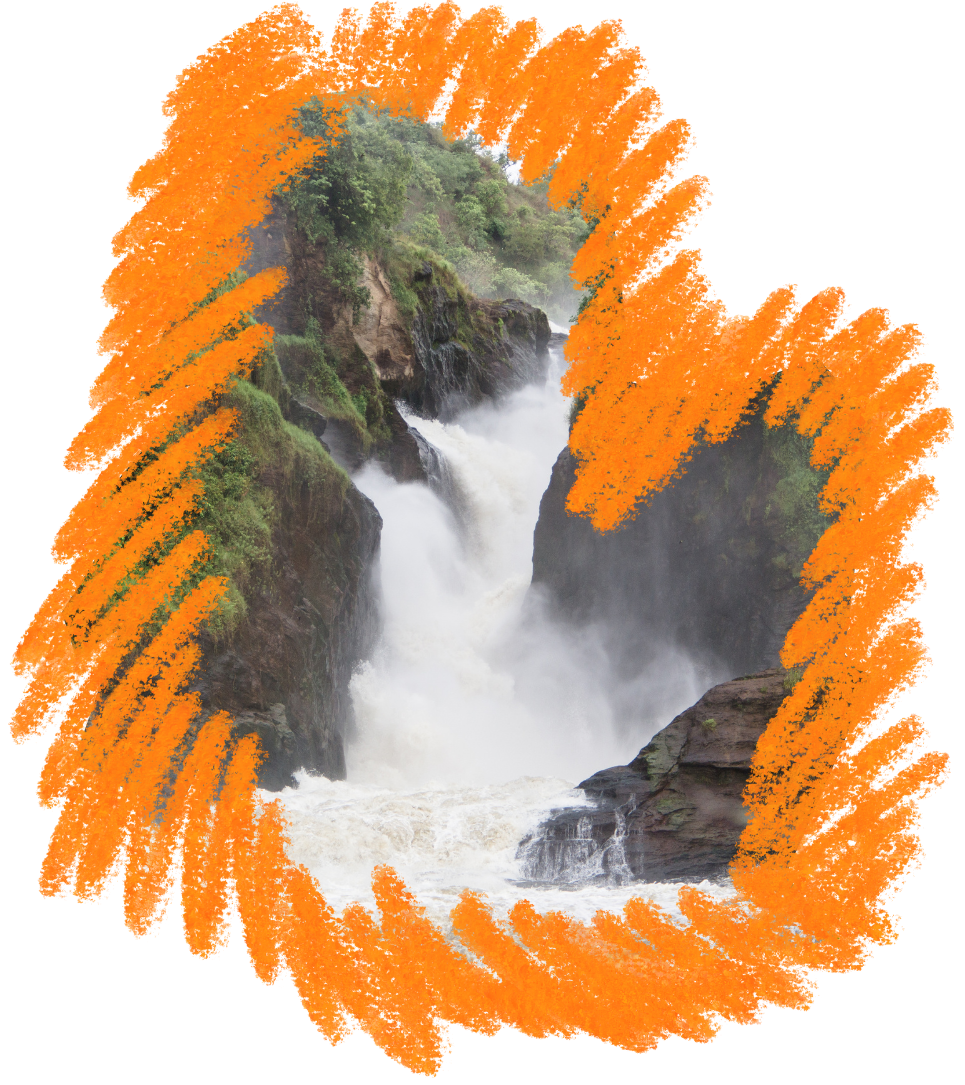
Some big construction projects are happening in places where animals live. In Murchison Falls National Park, a big oil pipeline (a long tube that carries oil underground) is being built that could bother wildlife like elephants and chimpanzees.
When roads and buildings are constructed in or near parks, animals get confused by the noise and activity.
Some might avoid these areas, while others might be curious and get too close to people.
Uganda is trying to balance development (building new things) with protecting nature. The government requires special environmental studies before big projects can start.
Companies must show how they'll reduce harm to wildlife and fix any damage they cause.
Conservation groups (people who work to protect nature) are working with the government to make sure some areas remain untouched for animals.
Some people hunt wildlife illegally to sell as bushmeat or for animal parts. Elephants are hunted for their tusks, pangolins for their scales, and chimpanzees are sometimes captured to be sold as pets.
Poaching is a big threat to Uganda's amazing animals. Even though it provides some money for people who are very poor, it harms wildlife populations and can make species disappear forever.
Uganda has increased penalties for poaching and wildlife trafficking. Park rangers use modern technology like drones and camera traps to catch poachers. Most importantly, wildlife tourism brings in much more money than illegal wildlife trade - about five times more!
This shows communities that living animals are worth more than dead ones. Educational programs in schools teach children about the importance of wildlife conservation for Uganda's future.
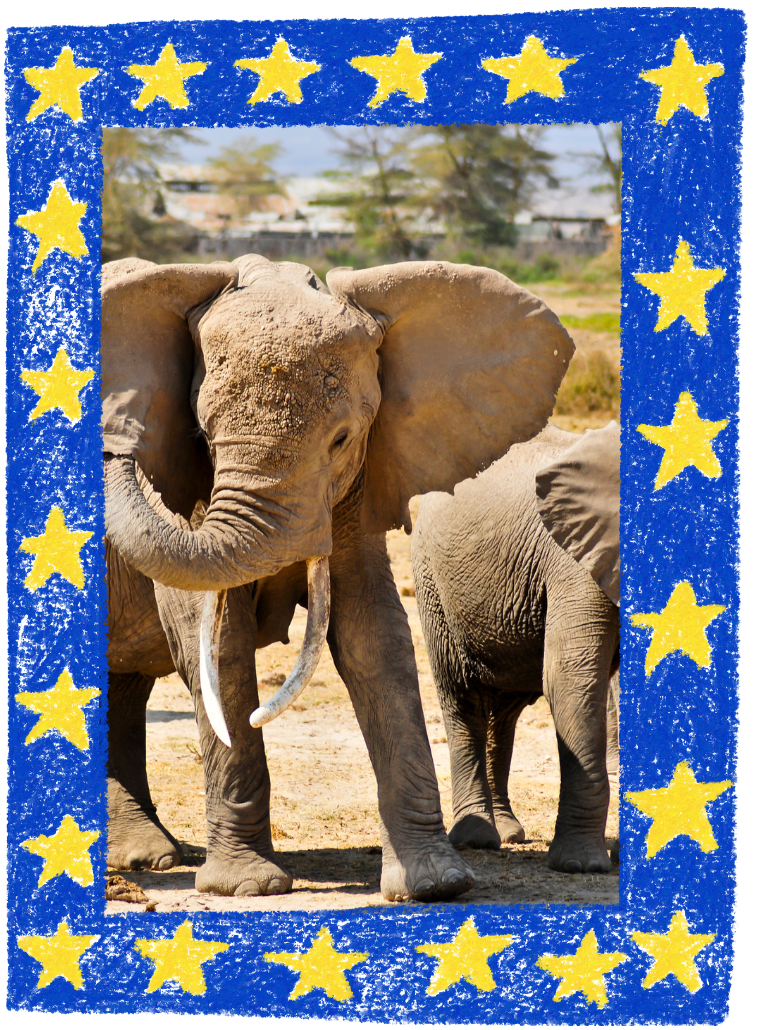
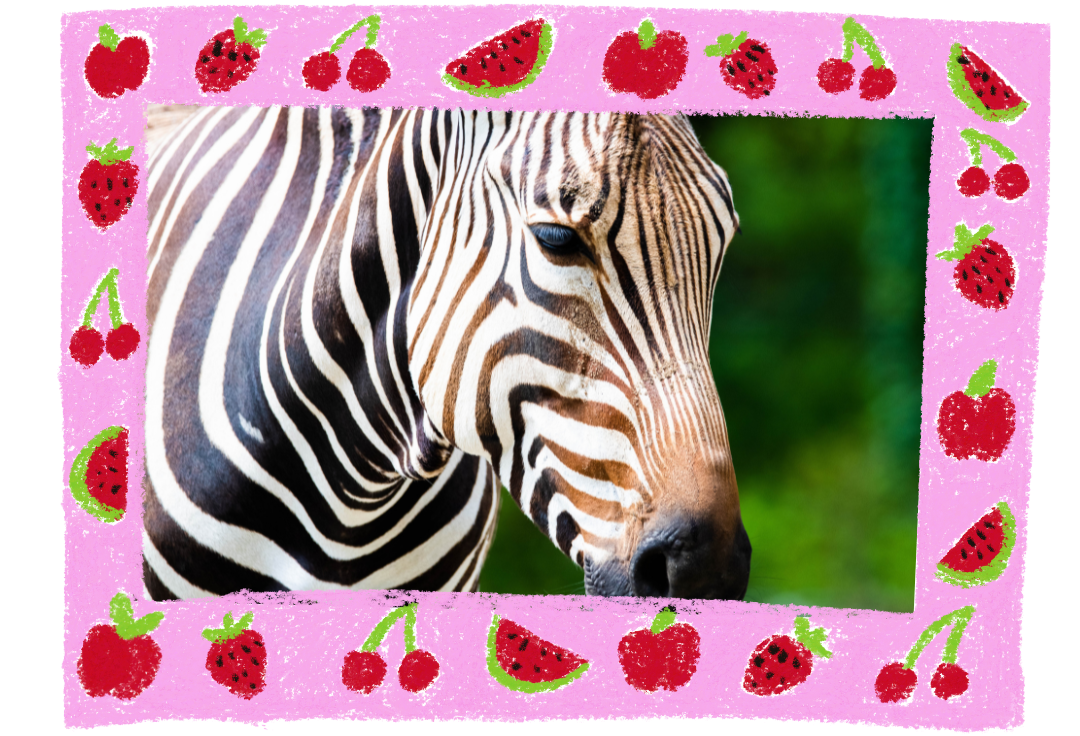
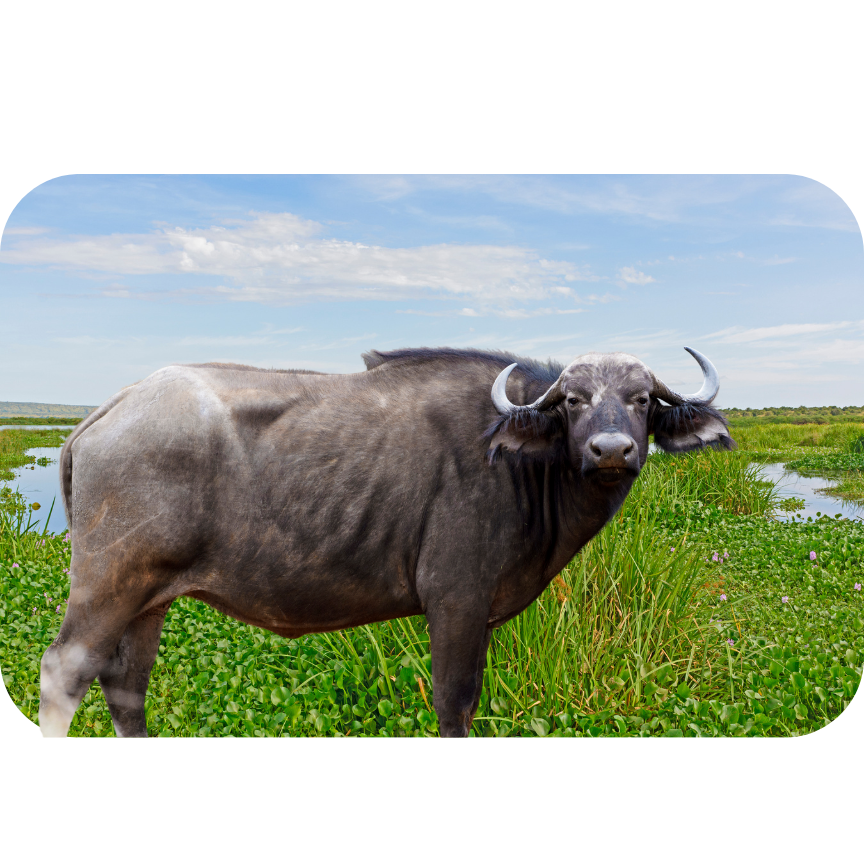
Uganda is packed with incredible animals! The country has over 1,000 different bird species - that's more than in all of North America! Uganda is also home to the "Big Five" African animals: elephants, lions, leopards, rhinos, and buffaloes.
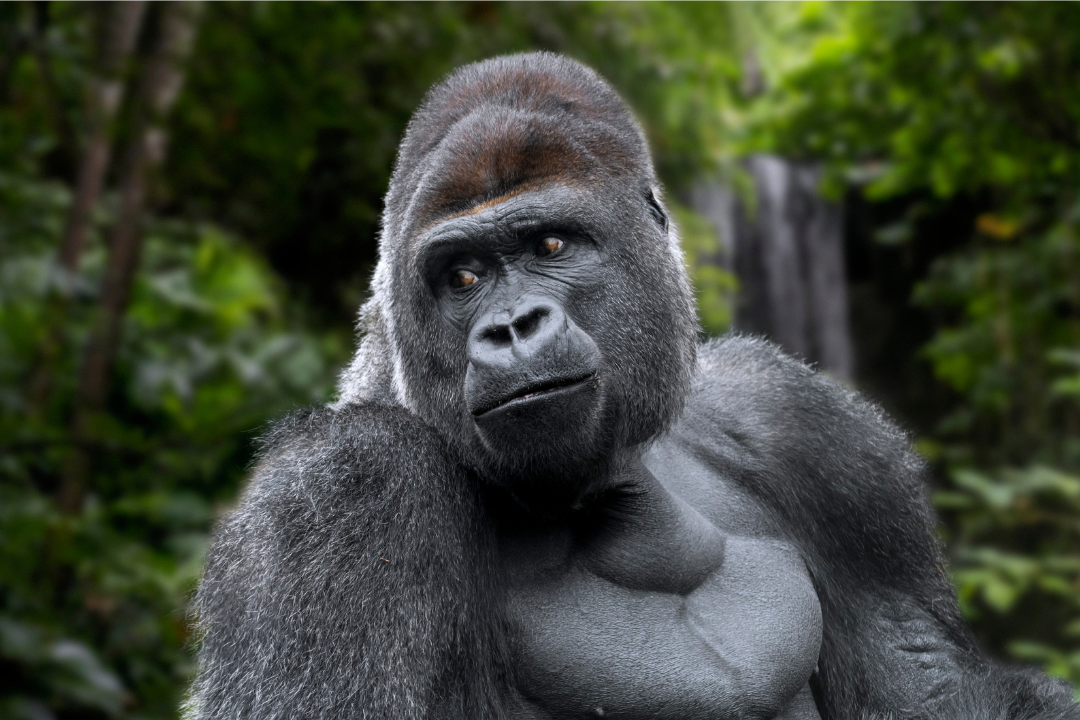
The most special animals in Uganda are the mountain gorillas. Only about 1,000 of these gentle giants exist in the wild, and Uganda protects half of them in Bwindi Impenetrable National Park and Mgahinga Gorilla National Park. Each gorilla family is carefully watched over by park rangers who protect them from poachers and make sure they stay healthy.
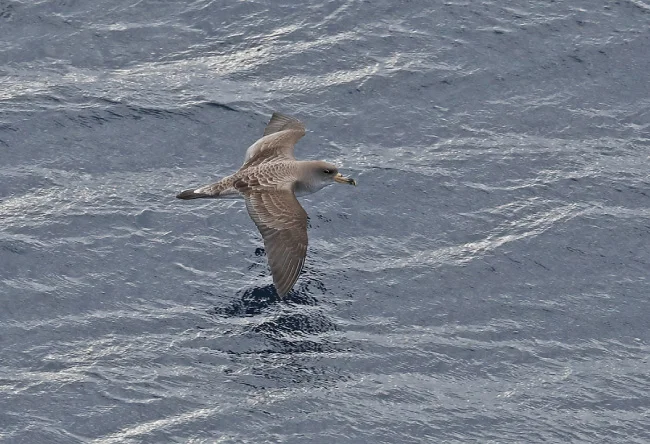
Malta is a small island, but it’s home to some incredible animals and plants that are found nowhere else. Sadly, some of these species are endangered, which means they are at risk of disappearing forever.
Let’s explore Malta’s nature and learn about the amazing creatures that live here and how we can protect them!

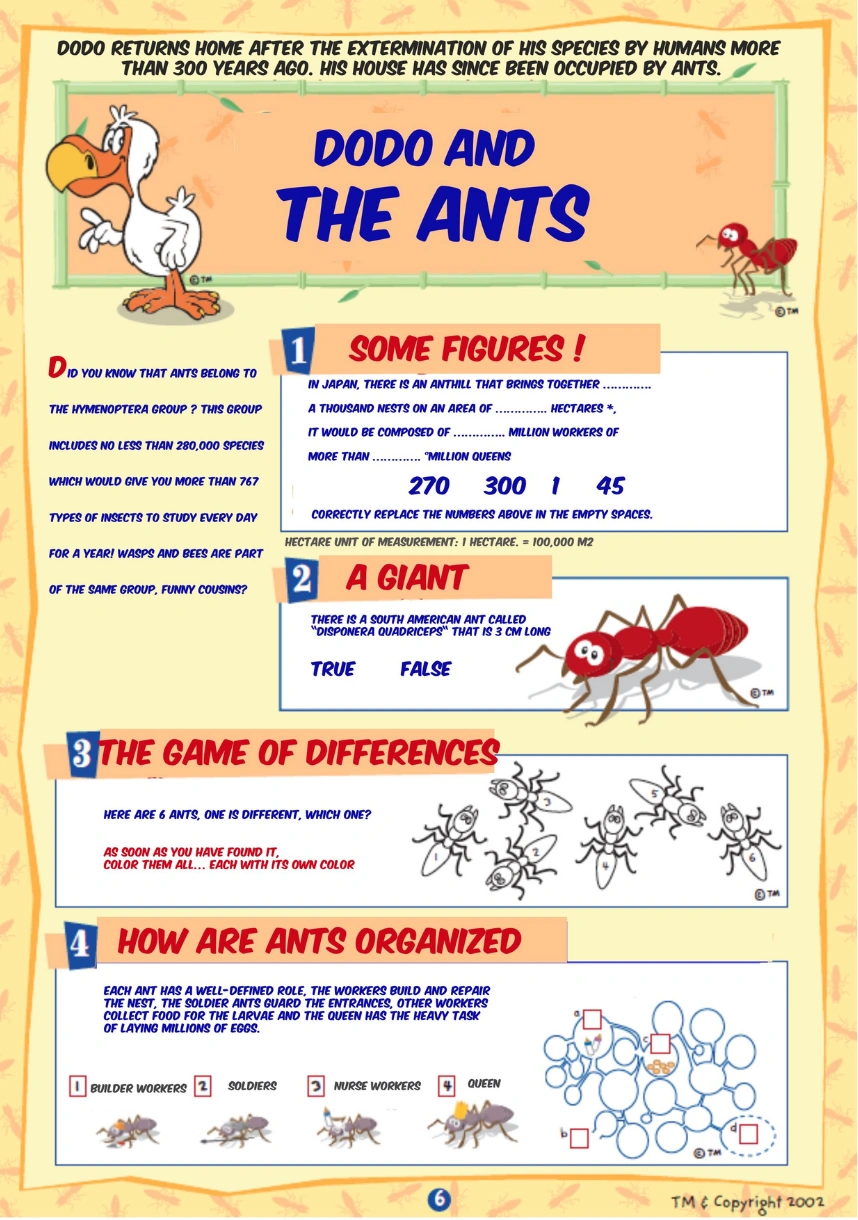

SUNx Malta is a not-for-profit organization dedicated to Climate Friendly Travel (Paris 1.5, SDGs, and Nature Positive tourism). Dodo4Kids is one of our educational initiatives, inspiring young travelers to explore the world responsibly through stories, activities, and gamified learning.
Vliertjeslaan 5, Overijse, Brussels, 3090, Belgium