



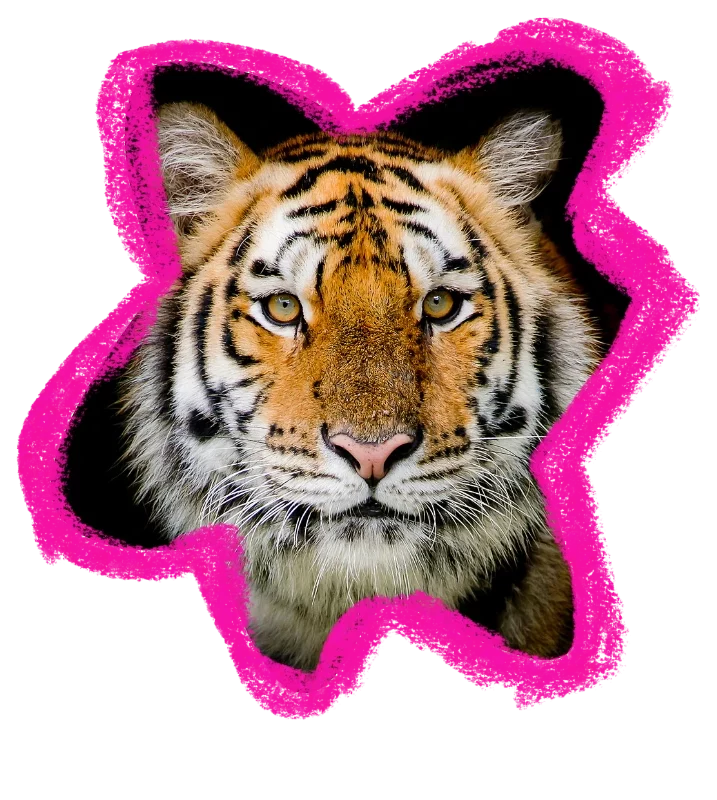
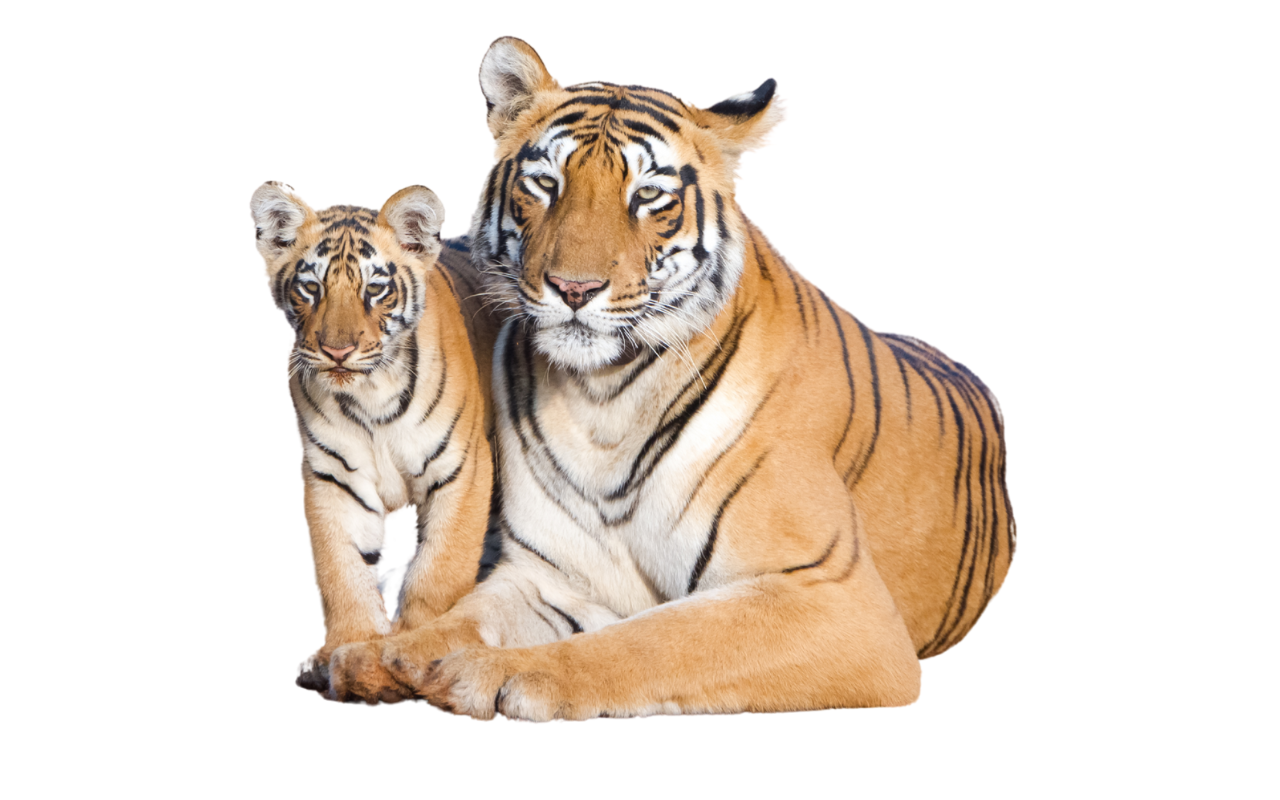
India has the world's BIGGEST tiger conservation success story! In 1973, when Project Tiger started, there were only about 1,800 tigers left in India. People were really worried they might disappear forever!
But guess what? By 2022, India had 3,682 tigers - that's more than double! As India is home to majority of the global wild tiger population, the increase in population of tigers in India played a major role in driving up global populations as well.
Today, India has 58 tiger reserves spread across 18 states. Corbett National Park hosts the highest number of tigers, recording 260 in the recent census.
Some tiger reserves need more protection, and sometimes tigers wander outside parks looking for territory. When habitats get smaller, tigers have to travel farther to find food and mates.
India created special "tiger corridors" - like highways for tigers to move safely between forests! The government spends lots of money protecting tigers and uses cool technology like camera traps and drones to watch over them.
Park rangers work day and night to keep tigers safe, and local communities get jobs helping with tiger conservation. Tourism money from people wanting to see tigers helps pay for protection!
The Western Ghats mountains along India's west coast are older than the Himalayas and are home to more unique species than almost anywhere else on Earth! These ancient mountains have special forests where it rains for months during monsoons.
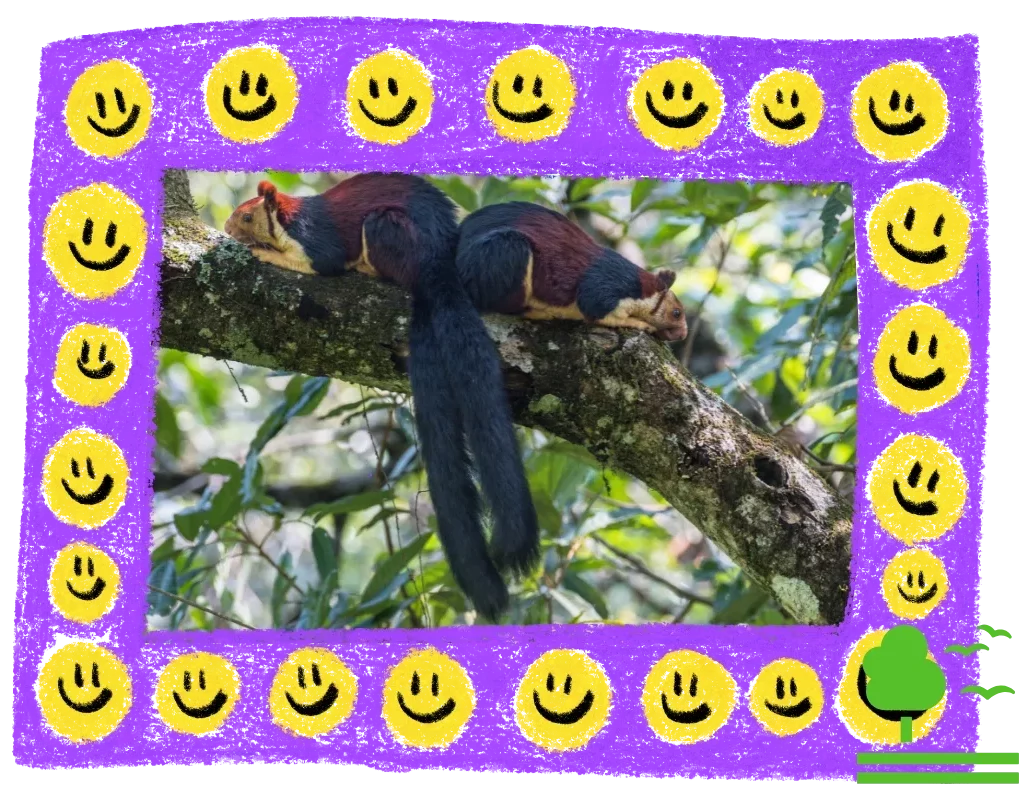
These "biodiversity hotspots" have animals and plants found nowhere else in the world - like the purple frog that lives underground most of the year, and the Malabar giant squirrel with its rainbow-colored fur!
Roads, dams, and plantations are cutting through these ancient forests. Many animals are getting trapped in small forest patches and can't find mates or food
India has created special "eco-sensitive zones" around the Western Ghats where building is limited. Wildlife corridors help animals move safely between forest patches.
Local communities are learning eco-tourism - showing visitors amazing animals and plants while earning money to protect the forests.
India has created special "eco-sensitive zones" around the Western Ghats where building is limited. Wildlife corridors help animals move safely between forest patches.
Local communities are learning eco-tourism - showing visitors amazing animals and plants while earning money to protect the forests.
India has created special "eco-sensitive zones" around the Western Ghats where building is limited. Wildlife corridors help animals move safely between forest patches.
Local communities are learning eco-tourism - showing visitors amazing animals and plants while earning money to protect the forests.



India has amazing mangrove forests - special trees that can live in salty seawater! The Sundarbans in West Bengal is the world's largest mangrove forest and home to the famous swimming tigers who have learned to hunt in water!
Mangroves act like giant shields, protecting India's coast from big storms and tsunamis. They're also like underwater nurseries where baby fish grow up safely before swimming out to the ocean.
Many mangroves are being cut down to build shrimp farms and seaside resorts. Rising sea levels due to climate change are also threatening these coastal forests.
India has made the Sundarbans a UNESCO World Heritage Site with super strict protection! Local communities are learning how to harvest honey and fish from mangroves without harming them.
Scientists are replanting mangroves and teaching coastal villages how these magical trees protect their homes from big waves and storms.
Some big construction projects are happening in places where animals live. New highways, railway lines, and mining projects sometimes cut right through elephant migration routes and tiger territories.
When roads and buildings are constructed in or near national parks, animals get confused by the noise and activity. Elephants trying to cross busy highways often get hit by trucks, and tigers avoid areas with too much human disturbance.
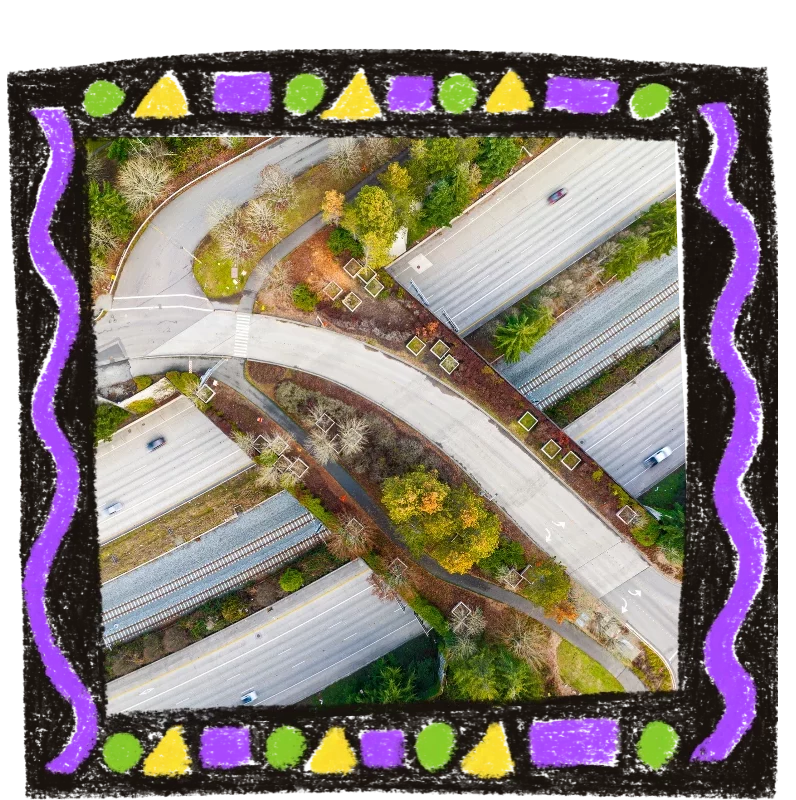
India is building special "wildlife crossings" - bridges and tunnels that let animals cross roads safely! The government requires environmental studies before big projects can start.
Companies must show how they'll reduce harm to wildlife and fix any damage they cause. Some areas are completely off-limits to development to keep them safe for animals.
Conservation groups work with the government to make sure the most important wildlife areas remain protected forever.

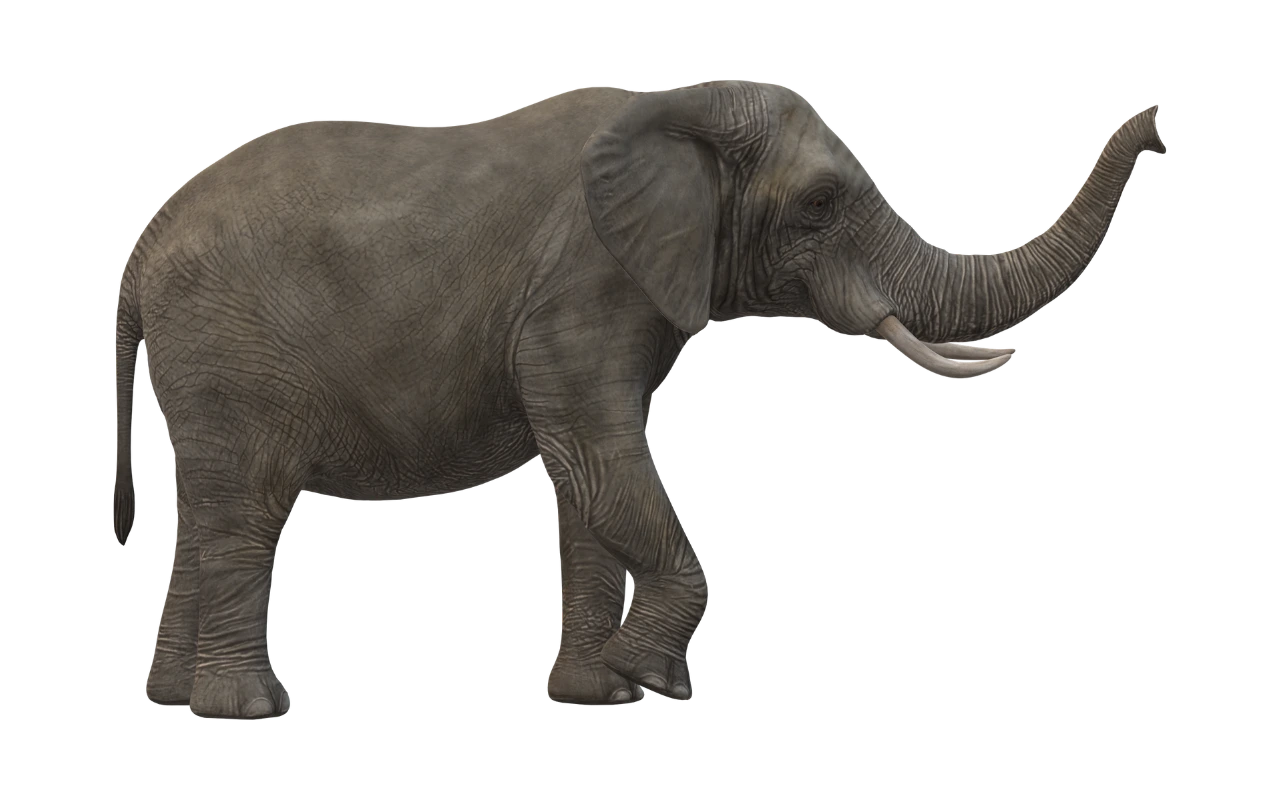
India has 25,000-30,000 elephants - the most in the world! But as cities and farms grow bigger, elephants and people sometimes have to share the same space. India's annual loss due to human-elephant conflict is estimated at 400 human deaths and 100 dead elephants each year.
Elephants sometimes eat farmers' crops (they can eat 450 kg of food per day!), and leopards might come into villages looking for food. Not a single month passes when incidents of attacks by leopards, tigers, or elephants are not reported.
India created the "Living with Leopards" program that teaches people how to stay safe around wild animals. Communities use clever tricks like:
When animals do cause damage, the government pays farmers for their losses. Wildlife corridors help animals move safely without going through villages.
Most importantly, wildlife tourism brings in much more money than farming in conflict areas - showing communities that protecting animals helps their families too!
India is building special "wildlife crossings" - bridges and tunnels that let animals cross roads safely! The government requires environmental studies before big projects can start.
Companies must show how they'll reduce harm to wildlife and fix any damage they cause. Some areas are completely off-limits to development to keep them safe for animals.
Conservation groups work with the government to make sure the most important wildlife areas remain protected forever.
India is packed with incredible animals! The country has over 1,300 different bird species - that's more than in all of Europe! India's amazing conservation success with Project Tiger increased the population from 1,800 tigers in 1973 to 3,682 tigers today!
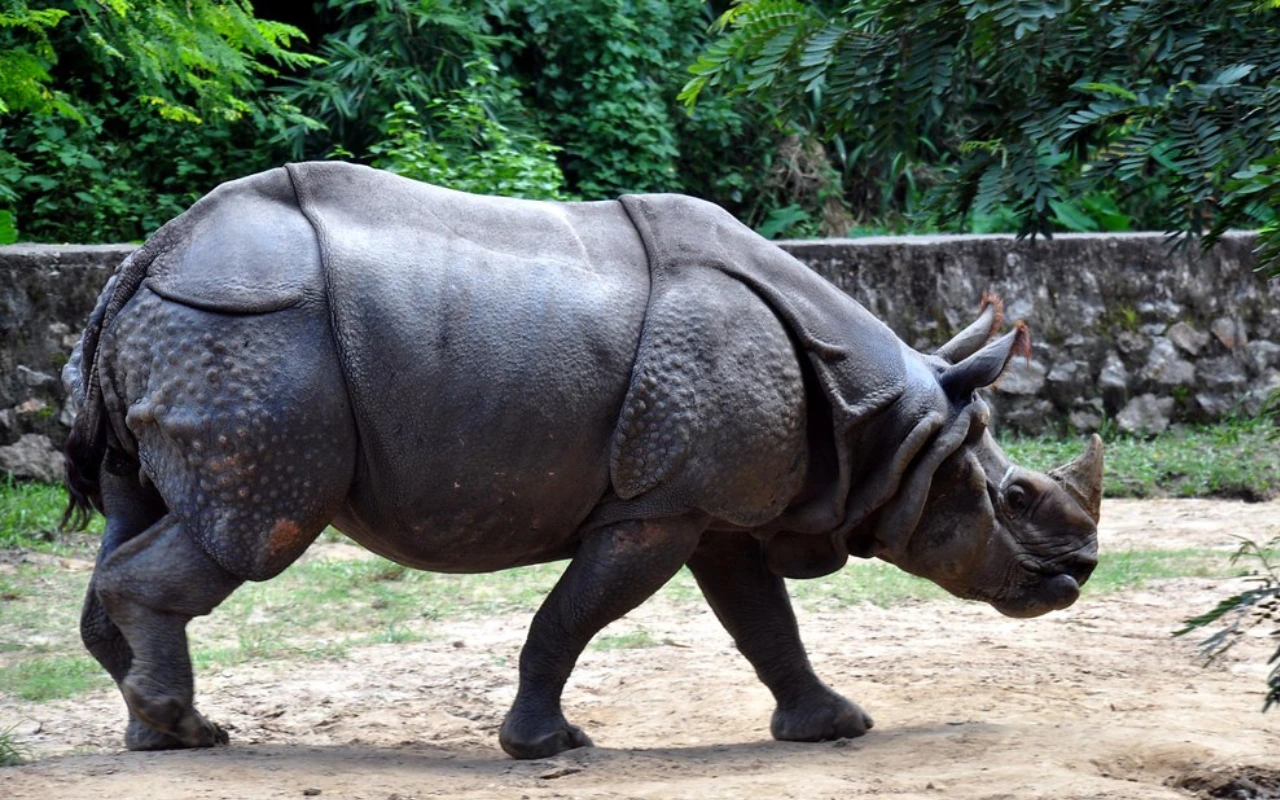
Thanks to strict protection and management from Indian and Nepalese wildlife authorities, the greater one-horned rhino was brought back from the brink. Today populations have increased to around 4000 rhinos in northeastern India and the Terai grasslands of Nepal.
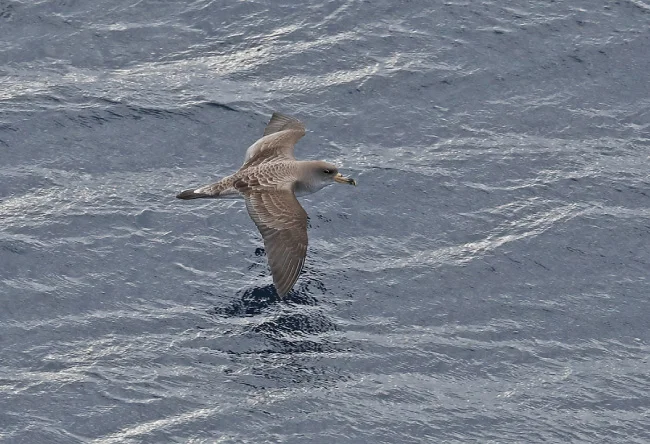
Malta is a small island, but it’s home to some incredible animals and plants that are found nowhere else. Sadly, some of these species are endangered, which means they are at risk of disappearing forever.
Let’s explore Malta’s nature and learn about the amazing creatures that live here and how we can protect them!


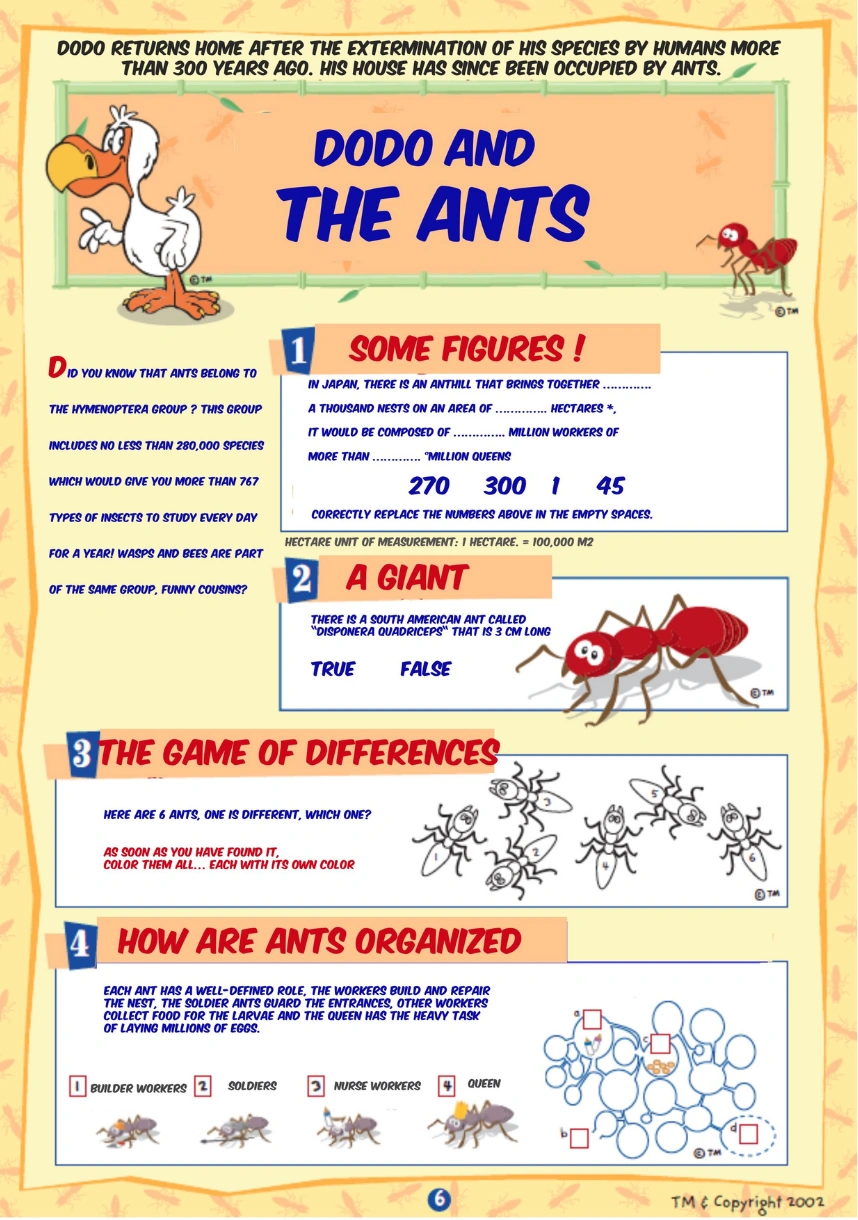



SUNx Malta is a not-for-profit organization dedicated to Climate Friendly Travel (Paris 1.5, SDGs, and Nature Positive tourism). Dodo4Kids is one of our educational initiatives, inspiring young travelers to explore the world responsibly through stories, activities, and gamified learning.
Vliertjeslaan 5, Overijse, Brussels, 3090, Belgium