


Vietnam's coastline is sinking under rising seas! Sea levels around Vietnam are rising by 3.6 millimeters every year, and the mighty Mekong Delta sits only 80 centimeters above sea level - that's less than the height of most kids!
Vietnam built 264 kilometers of sea dikes - like giant LEGO walls protecting cities! They're also planting 200,000 hectares of mangrove "superhero trees" that can shrink 4-meter tsunami waves down to tiny 0.5-meter splashes.
Communities are replanting mangrove forests along coastlines to stop beaches from washing away. Tourism companies are creating new protected areas away from eroding coasts and designing flood-resistant buildings that can handle storms and high water.
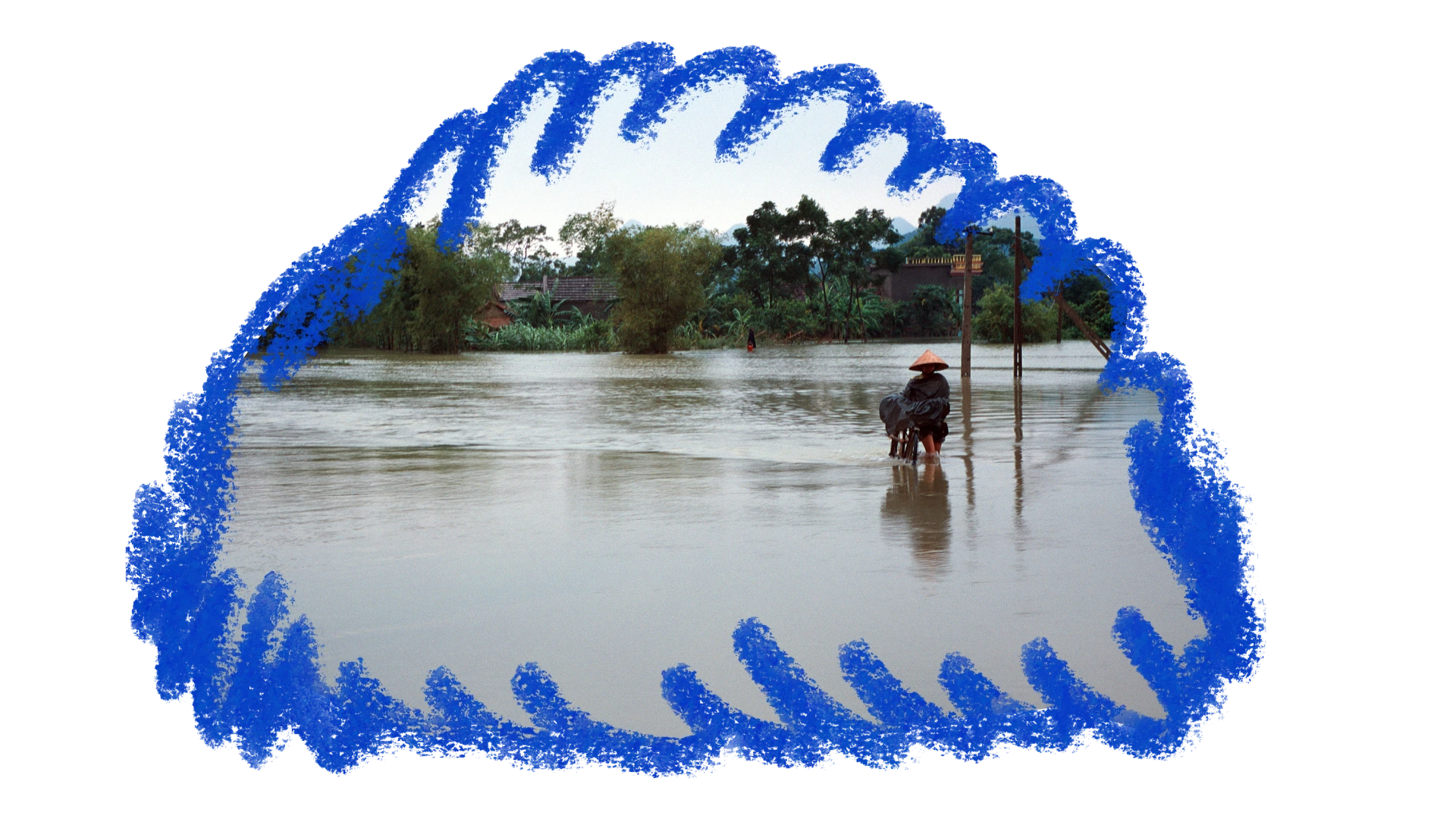
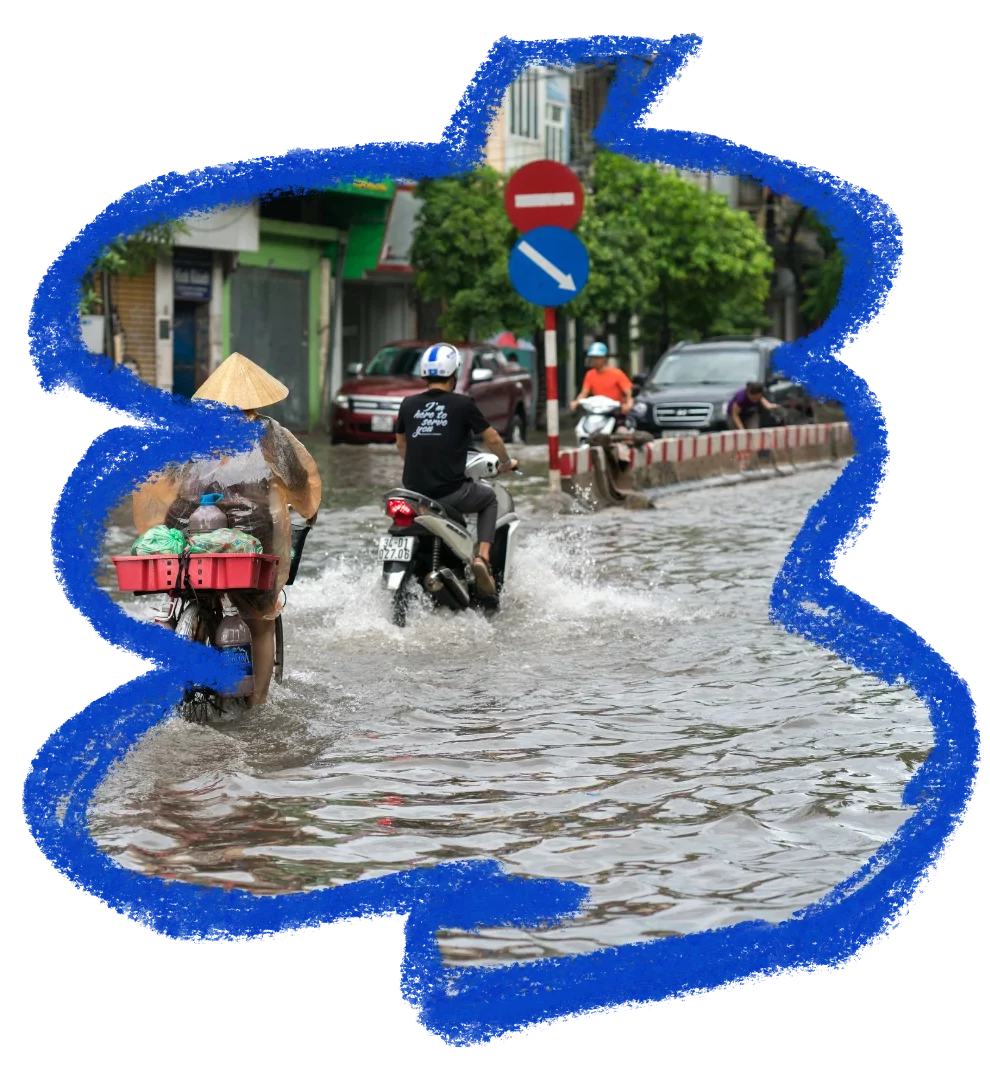
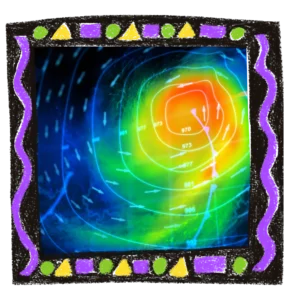
Vietnam gets hit by 6-7 powerful typhoons every year. Typhoons are massive spinning storms (called hurricanes in other parts of the world) with winds over 200 kilometers per hour - strong enough to flip cars and destroy buildings.
The government trained 460,000 emergency workers for disaster response (imagine filling 10 football stadiums with rescue heroes!). Advanced weather satellites (special cameras in space) now track storms earlier, giving people more time to evacuate safely. Engineers are also building stronger schools and hospitals to withstand powerful winds.
Some regions of Vietnam are experiencing severe water shortages (not enough water to drink or grow food). During dry times, salt water from the ocean travels 60-70 kilometers inland through rivers, making the water too salty to drink or use for crops.
Farmers are learning "flood-based agriculture" - they grow fish in flooded fields during wet seasons, then grow rice when waters go down. Scientists are developing salt-resistant crops (plants that can grow in salty water), and communities are building water storage systems to save rainwater for dry times.

Vietnam is getting much hotter, which makes it dangerous for people to work outside and harder to grow food.
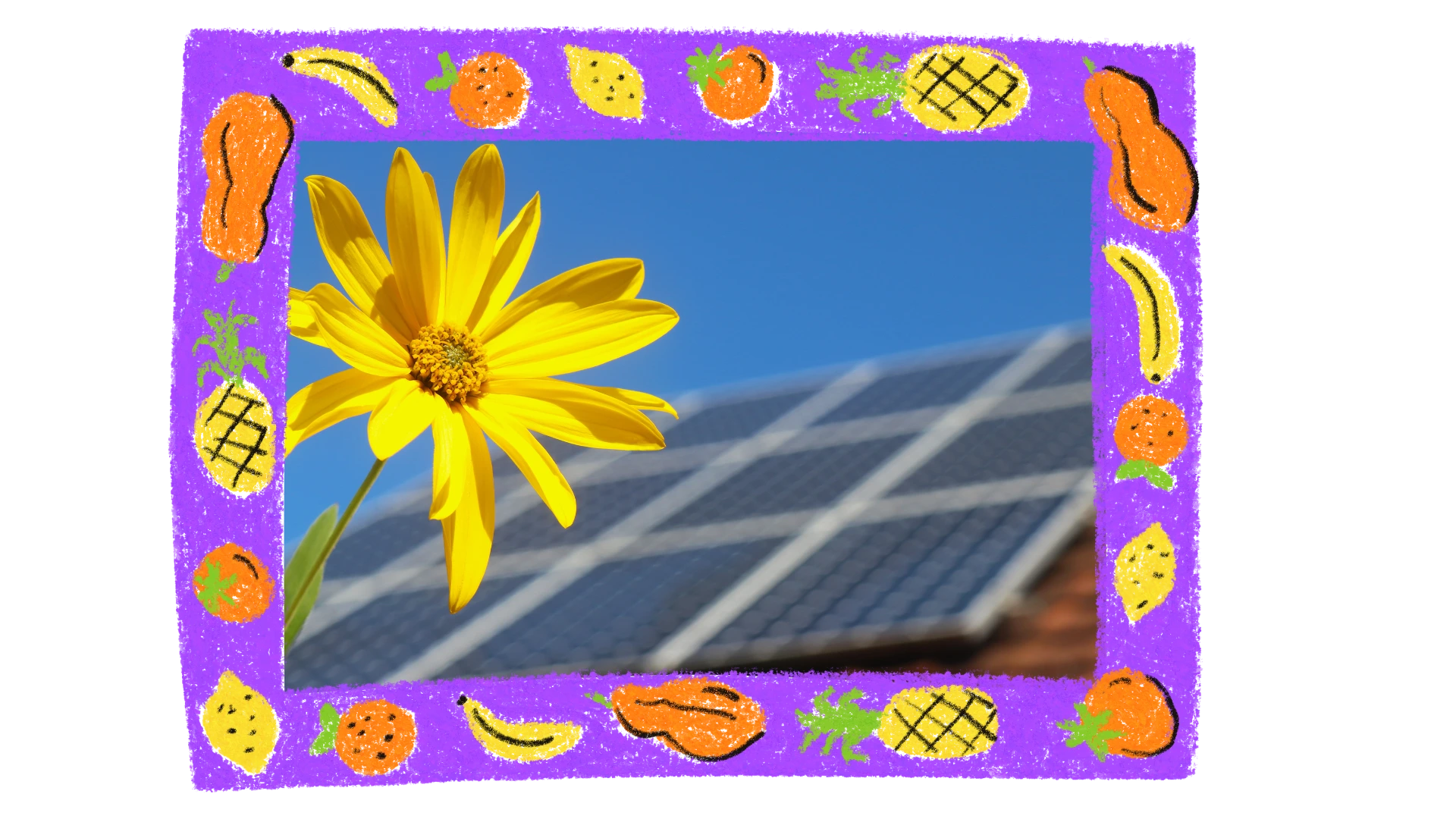
Vietnam is rapidly building renewable energy (power from sun and wind instead of burning coal). Between 2019-2020, they added more solar power than all other Southeast Asian countries combined. By 2030, wind and solar will provide 31-39% of electricity. All buses will be electric by 2025, and all taxis by 2030.





SUNx Malta is a not-for-profit organization dedicated to Climate Friendly Travel (Paris 1.5, SDGs, and Nature Positive tourism). Dodo4Kids is one of our educational initiatives, inspiring young travelers to explore the world responsibly through stories, activities, and gamified learning.
Vliertjeslaan 5, Overijse, Brussels, 3090, Belgium