


Music and Traditions Traditional Vietnamese music uses special instruments like the "dan bau" - a one-string guitar that makes magical sounds.
During Tet (Vietnamese New Year), families gather to eat special foods, give red envelopes with money, and watch dragon dances in the streets.
The Hmong people in northern mountains wear beautiful colorful clothes and celebrate harvest festivals with traditional dancing.
Vietnam has 54 different ethnic groups, each with their own special traditions!
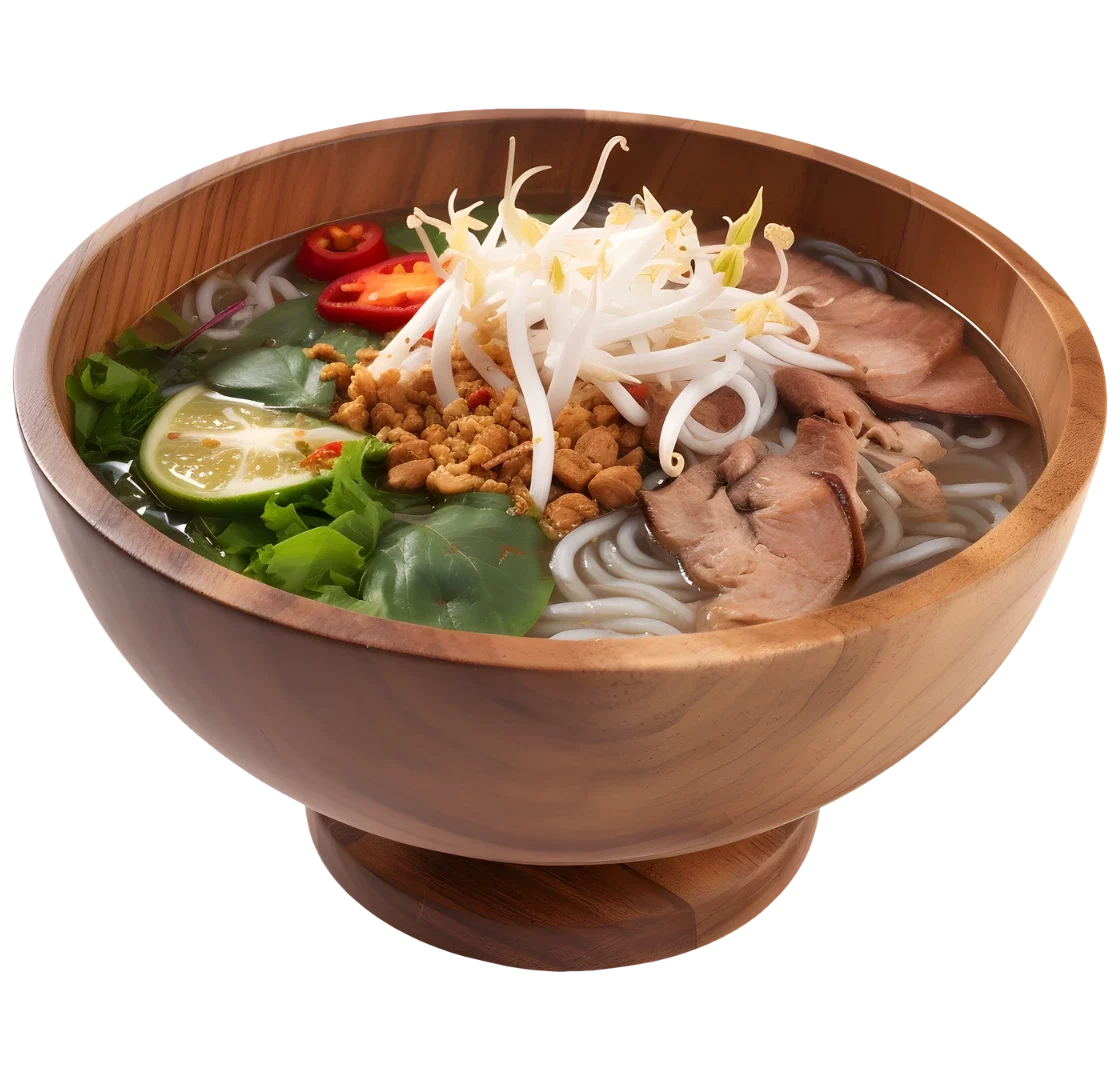
Food The most famous food is "pho" - a delicious soup with rice noodles, herbs, and meat that people eat for breakfast, lunch, or dinner.
Vietnamese people love "banh mi" - crispy bread rolls filled with meat, vegetables, and spicy sauce. Street vendors sell them everywhere!
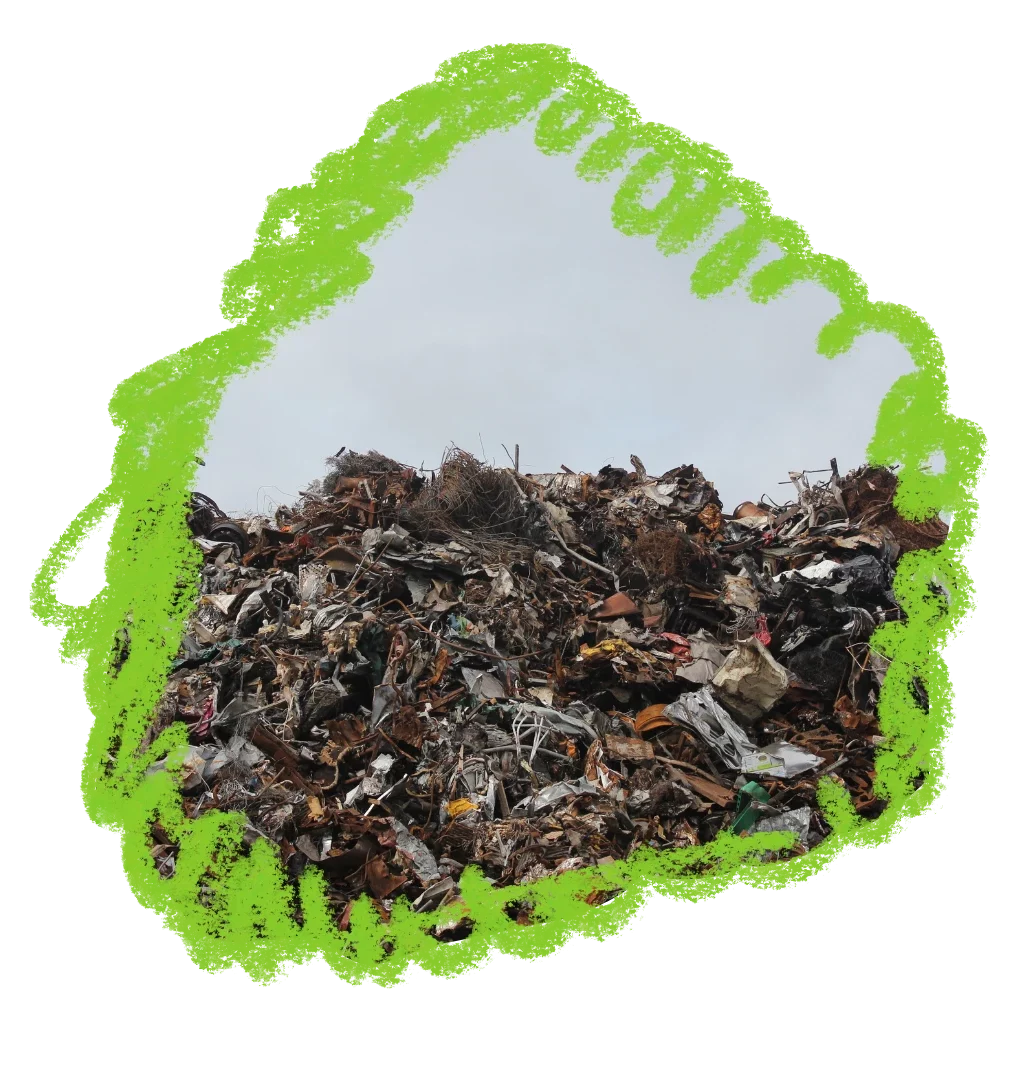
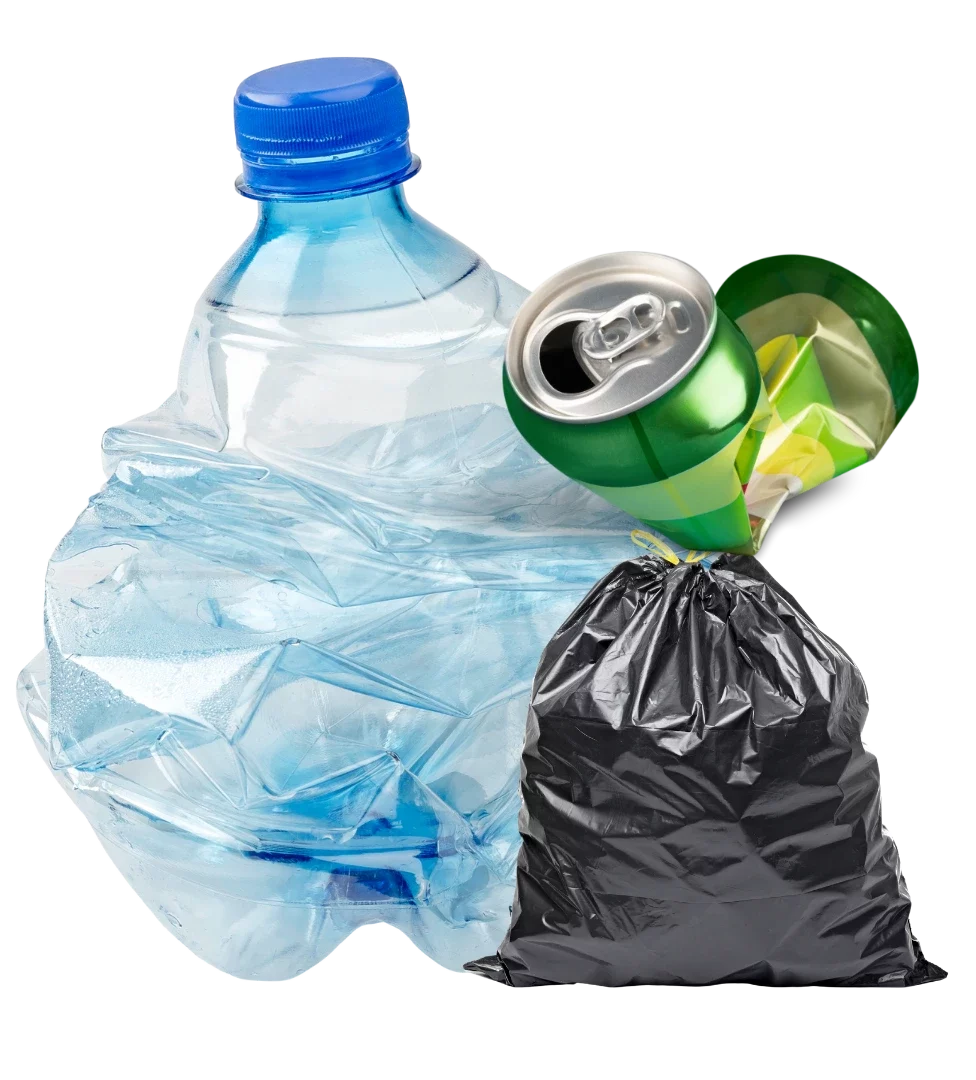
Vietnam faces a huge plastic problem! Every year, Vietnamese people create about 3.1 million tons of plastic waste, but only 27% gets recycled. Much of this plastic ends up in rivers and flows out to the ocean.
The Mekong River, which provides water and fish for millions of people, is filled with plastic bottles, bags, and fishing nets. In Ho Chi Minh City (Vietnam's biggest city), storm drains get clogged with plastic waste, causing floods during heavy rains.
Floating markets - where people sell fruit and vegetables from boats - are struggling because plastic waste makes the water dirty and harms the fish.
Since 2020, Vietnam banned single-use plastic bags in major cities. Many supermarkets now use banana leaves or paper bags instead! Some floating markets have "trash boats" that collect plastic waste from the water.
Young Vietnamese students created special machines that turn plastic bottles into eco-bricks for building houses. Hotels and restaurants are switching to bamboo straws and reusable containers to reduce plastic waste.
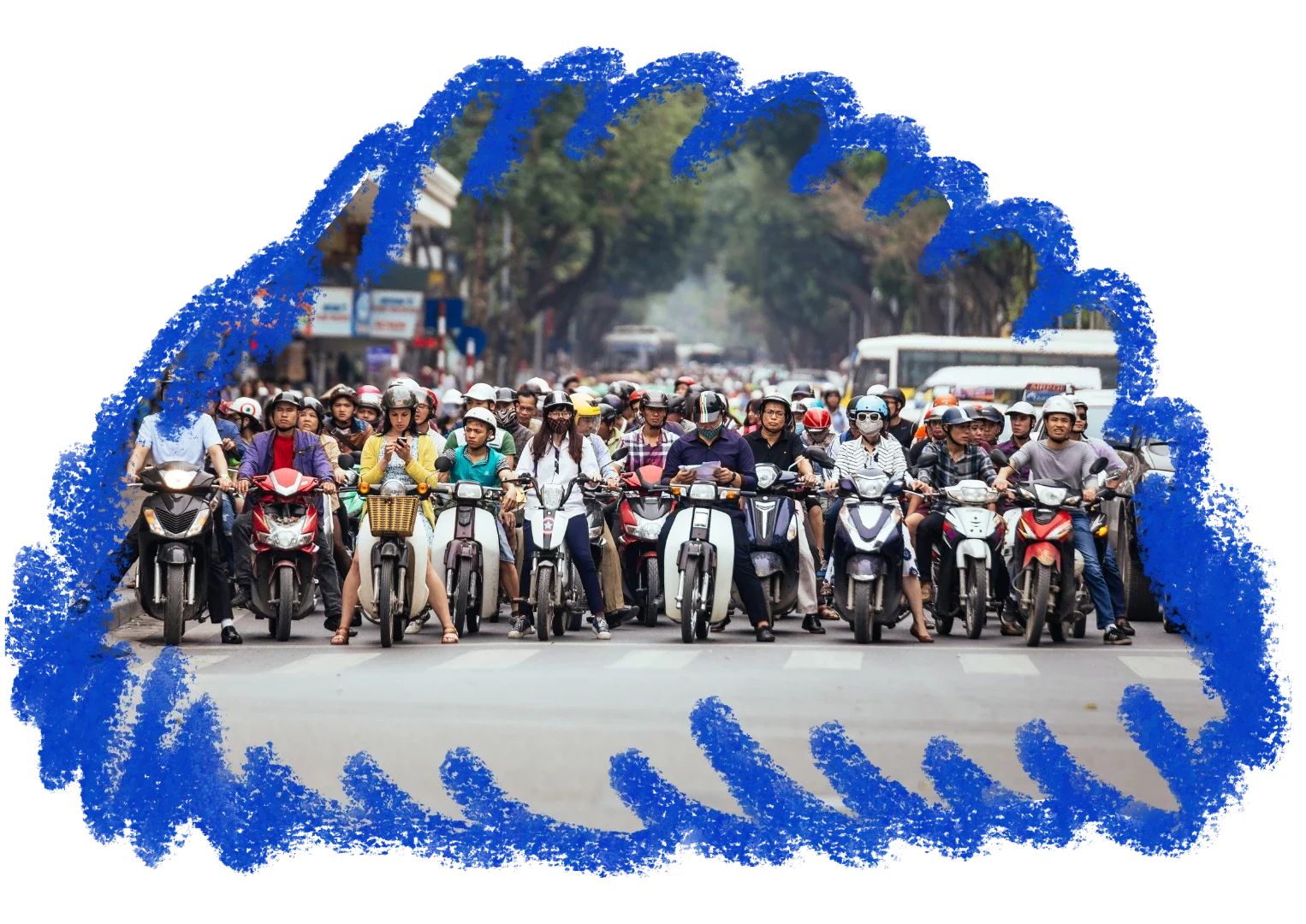
Vietnam has about 70 million motorbikes - almost one for every person! In cities like Hanoi and Ho Chi Minh City, thousands of motorbikes fill the streets, creating traffic jams and air pollution.
Most motorbikes burn gasoline, which creates smog (dirty air) that makes it hard for people to breathe. The exhaust fumes also contribute to climate change and make beautiful temples and buildings dirty.
Vietnam is switching to electric motorbikes! By 2030, all new taxis will be electric, and by 2050, all buses and taxis will use clean energy. Electric motorbikes are quieter, cleaner, and cheaper to operate.
Some cities are creating "green corridors" - special roads with lots of trees that help clean the air. The government offers special benefits (tax breaks) to people who buy electric vehicles instead of gasoline ones.
Vietnam's rivers are in trouble! Factories dump colorful chemicals and dyes directly into waterways, turning rivers red, blue, and green. Rice farmers spray pesticides to kill bugs, but when it rains, these chemicals wash into the same rivers where people collect drinking water.
About 10% of rural Vietnamese people still don't have clean water from taps. They collect water from rivers, wells, or catch rainwater that might contain dangerous germs. In cities, dirty water from toilets and sinks flows directly into rivers without being cleaned first - imagine brushing your teeth with water that has sewage mixed in!
These polluted rivers cause water-borne diseases like severe diarrhea that can be dangerous for children. Families living near rivers often get sick from drinking contaminated water or eating fish that have absorbed harmful chemicals.
Vietnam is building water treatment plants that work like giant washing machines for dirty rivers! These facilities use special filters and chemicals to remove germs and pollutants before water goes back into rivers.
New laws now force factories to clean their wastewater before dumping it. In rural areas, crews are digging safe wells and installing pipes that bring clean water directly to people's homes. Some rice farmers discovered they can use fish and ducks in their fields instead of pesticides - the animals eat harmful insects naturally while keeping the water clean!
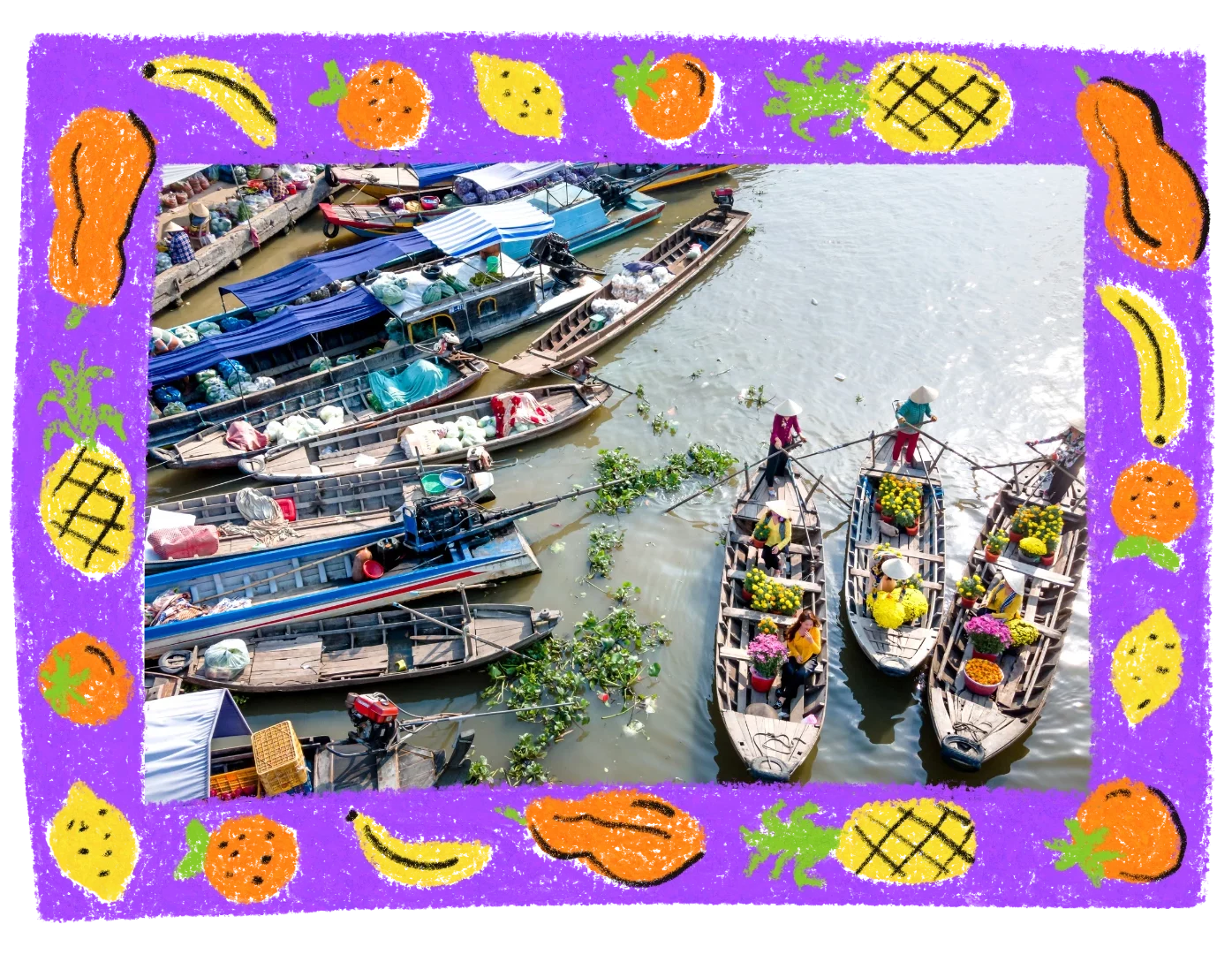
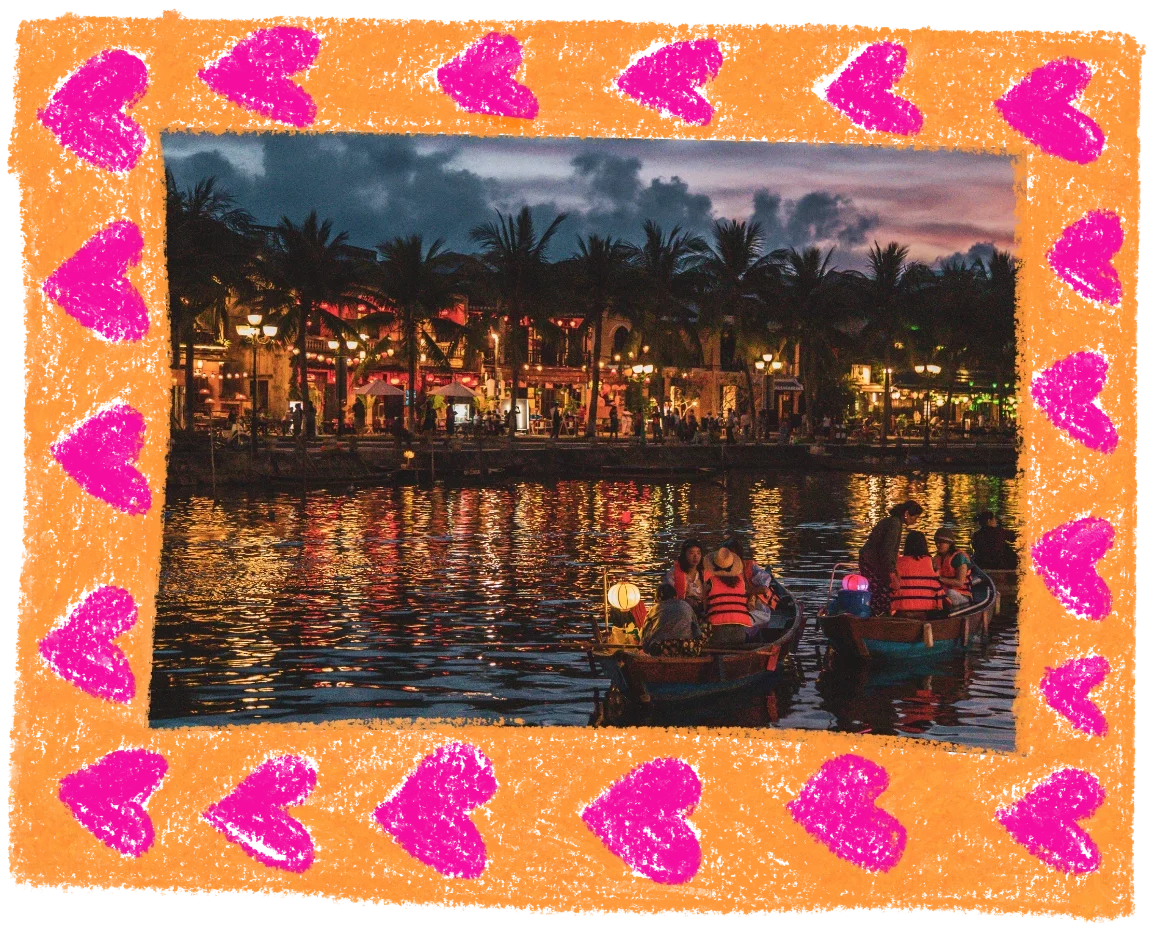
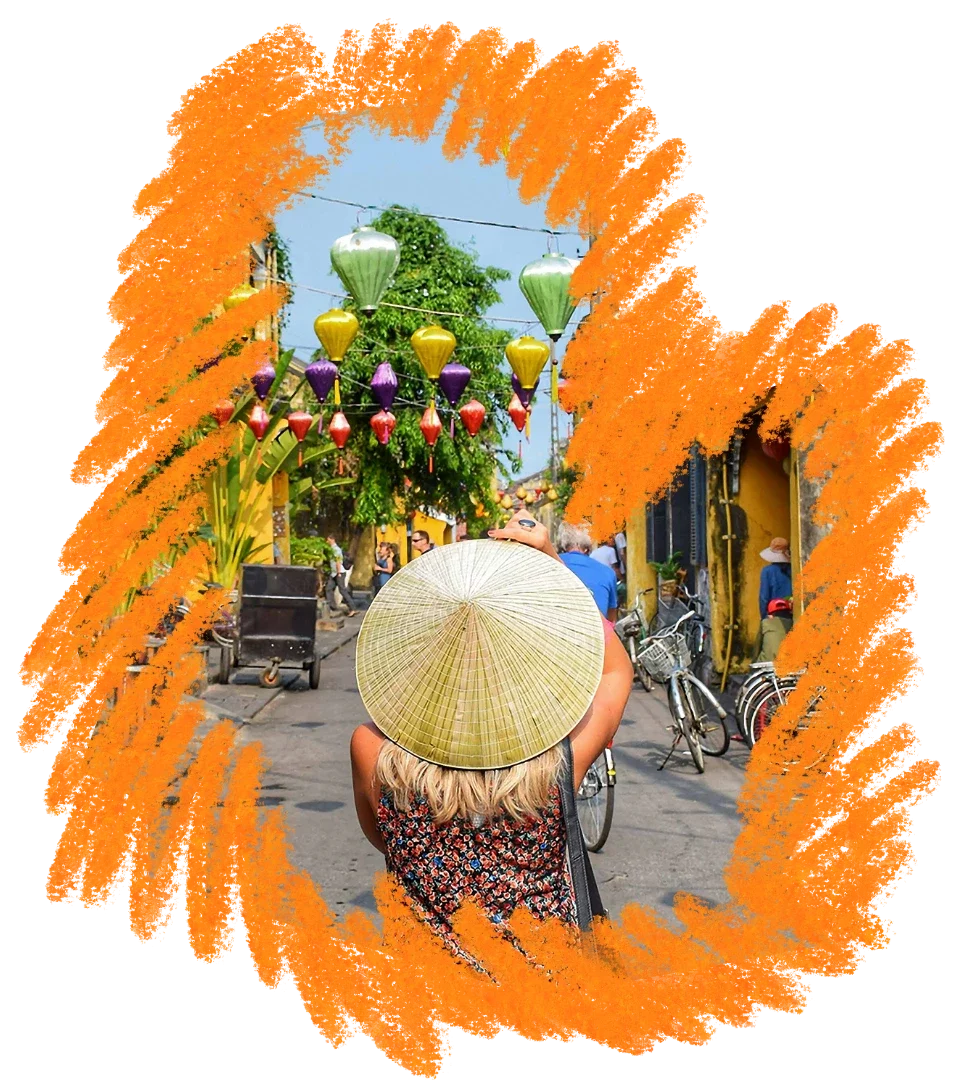

Vietnam welcomes millions of tourists every year who come to see Ha Long Bay's limestone islands, explore ancient temples, and experience floating markets. Tourism creates many jobs - people work as tour guides, in hotels, or making traditional crafts to sell to visitors.
But large numbers of tourists create challenges: lots of garbage, overuse of water and electricity in hotels, and damage to historic buildings from millions of footsteps. Popular sites like Ha Long Bay struggle with tour boats creating water pollution and noise that disturbs marine life.

Vietnam now controls crowds at popular spots like Ha Long Bay by making tourists book tickets in advance - like getting concert tickets for nature! Hotels must follow strict green rules about saving water, managing trash properly, and using less electricity, or they lose their permission to operate.
Village heroes are learning cool new skills! Local people are becoming eco-guides who teach visitors how to cook traditional pho, weave colorful silk scarves, and make art from recycled plastic bottles. When tourists pay to visit temples and cultural sites, some of that money goes straight to the villages to build new schools and water systems.
Some villages have become like outdoor museums where visitors can sleep in traditional houses, learn to farm using ancient methods, and watch families make beautiful crafts by hand.

SUNx Malta is a not-for-profit organization dedicated to Climate Friendly Travel (Paris 1.5, SDGs, and Nature Positive tourism). Dodo4Kids is one of our educational initiatives, inspiring young travelers to explore the world responsibly through stories, activities, and gamified learning.
Vliertjeslaan 5, Overijse, Brussels, 3090, Belgium