

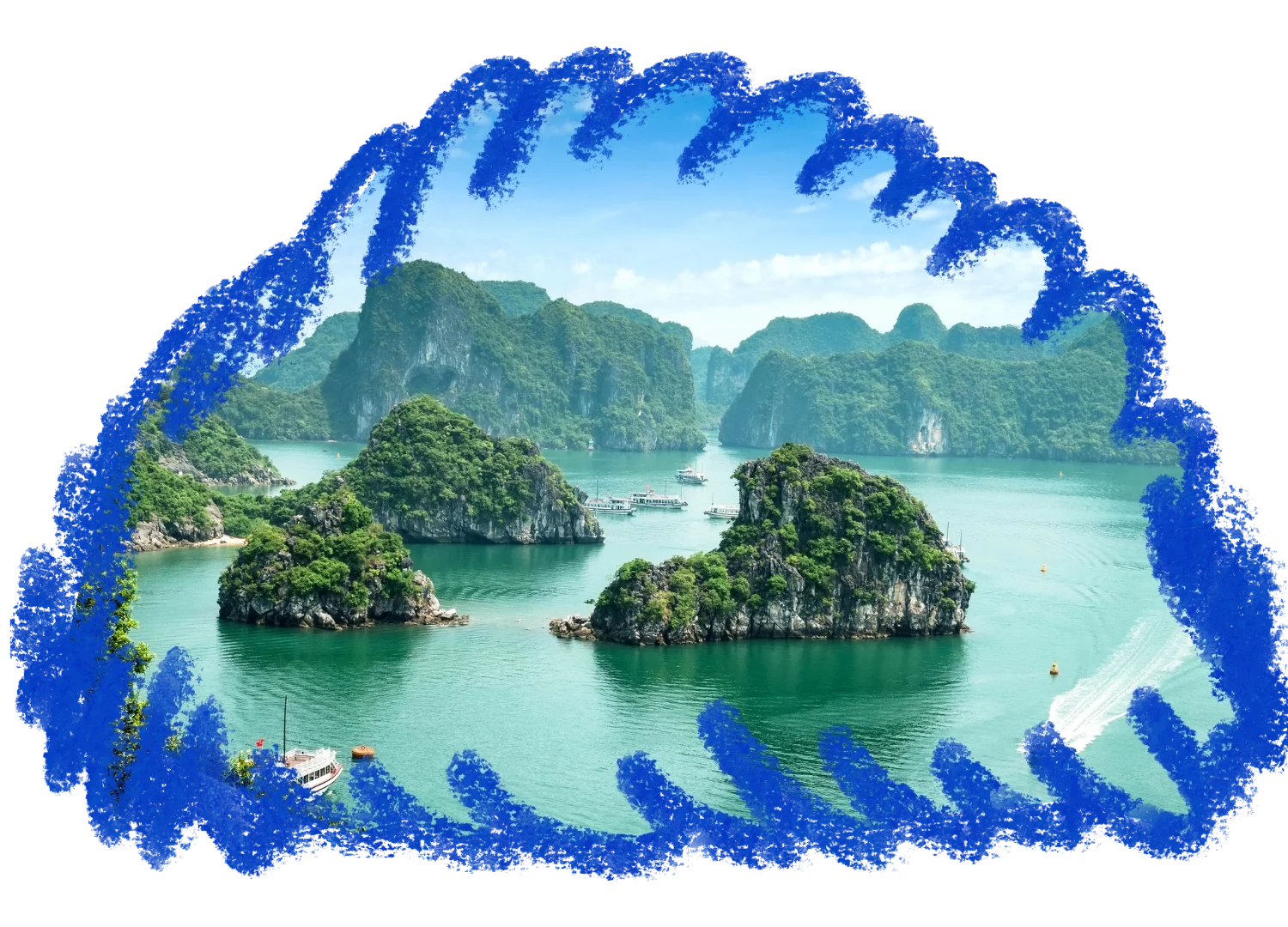
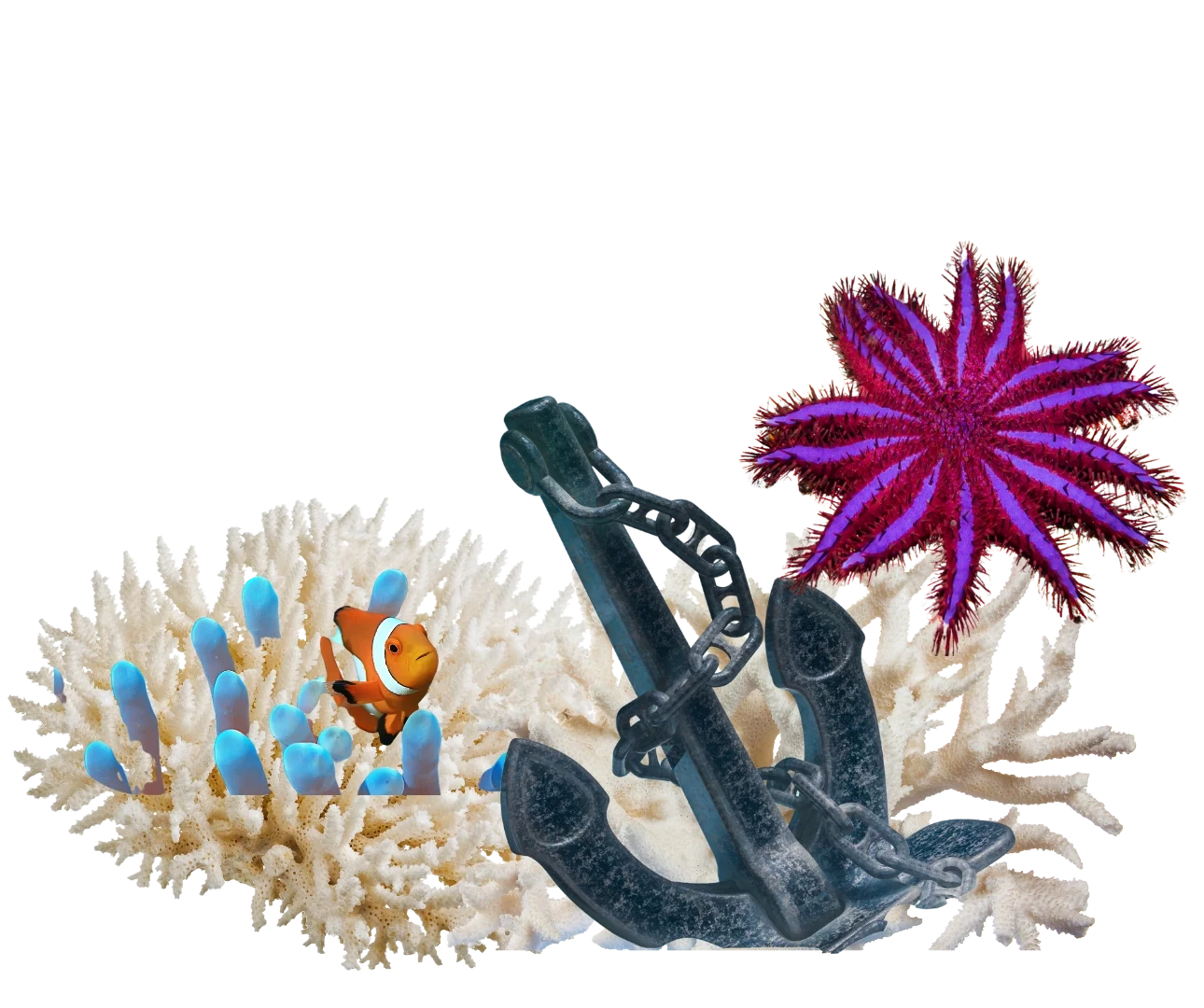
Vietnam's coastal waters are like an underwater rainbow! The country boasts 355 coral species - one of the world's most diverse coral ecosystems. These colorful coral cities provide homes for thousands of fish, sea turtles, and marine creatures along Vietnam's 3,400-kilometer coastline.
But Vietnam's coral reefs are in serious trouble! At Hon Mun Marine Park, once home to 340 coral species is now bleached white coral skeletons instead of vibrant living reefs. Fish longer than 20 centimeters now make up only 1% of catches - imagine if 99 out of 100 big fish just disappeared!
Tourism, pollution, and overfishing are killing the coral. Boats drop anchors that smash coral like breaking glass sculptures that took decades to grow. Sewage and farm chemicals flow into the ocean, making the water too dirty for coral to survive.
Vietnam is creating marine protected areas where fishing is banned and boats must use special buoys instead of anchors. Con Dao National Park is leading the way by carefully choosing which tourism projects can be built and requiring public approval first. Local diving guides like Ho Phong even hunt down crown-of-thorns starfish - spiky sea creatures that eat coral - to protect the reefs!
Some fishing communities are switching to sustainable aquaculture (fish farming) that doesn't damage coral, and new laws require hotels to treat their wastewater before it reaches the ocean.
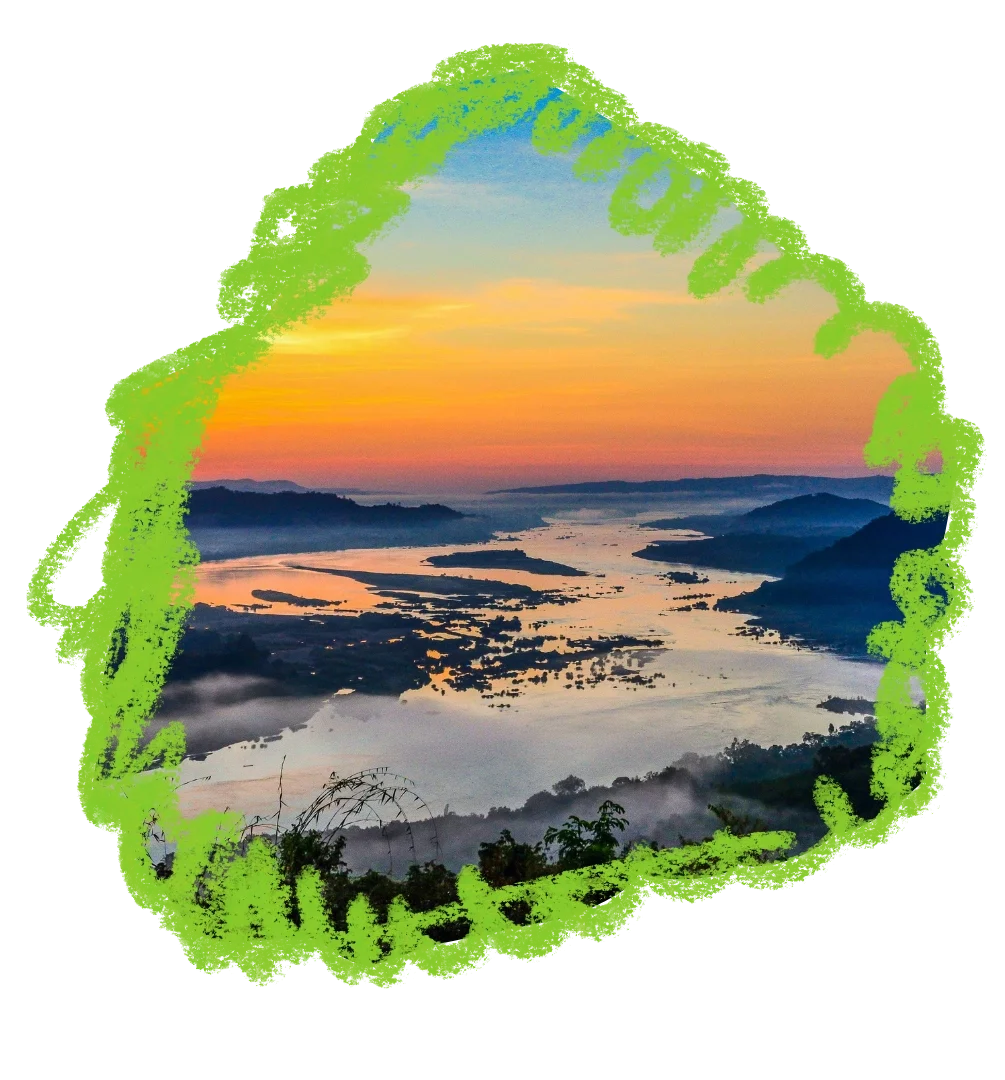
The Mekong Delta is Vietnam's watery wonderland! Local people call this area the "River of Nine Dragons" because the mighty Mekong River splits into nine branches, creating a massive maze of rivers, canals, and floating markets. This incredible ecosystem supports 60 million people and is second only to the Amazon for biodiversity!
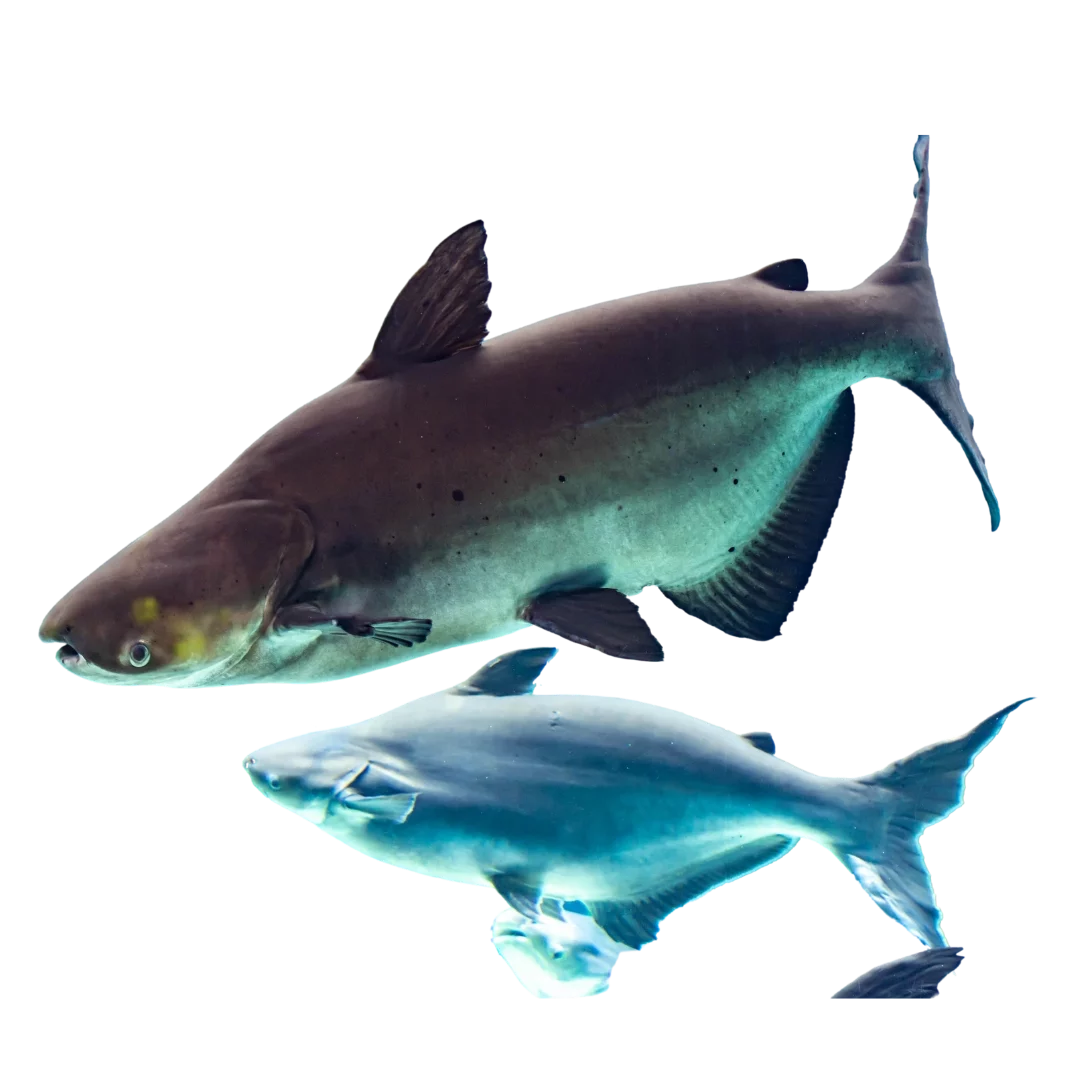
The Mekong is home to the world's largest freshwater fish migration and amazing creatures like the three-meter-long Mekong giant catfish that can weigh more than 300 kilograms - that's heavier than a motorcycle! The region hosts 70% of the world's sarus cranes, the tallest flying birds on Earth.
But the Mekong's wetlands are disappearing fast! Rice farmers overuse chemicals that poison the water and kill fish. Dams upstream block the natural flooding that deposits rich soil, and cities dump untreated sewage into the rivers. Climate change is making dry seasons longer and floods more dangerous.
Vietnam has created Ramsar Wetland Reserves - special protected areas recognized worldwide for their importance. Tram Chim National Park protects crucial grasslands that flood for six months each year, providing nurseries for fish and nesting sites for rare birds.
Scientists are teaching farmers organic methods, like using fish and ducks in rice fields instead of pesticides. The fish eat harmful insects while their waste fertilizes the rice naturally! New water treatment plants are cleaning sewage before it enters rivers, and floating trash-collection boats remove plastic waste from waterways.
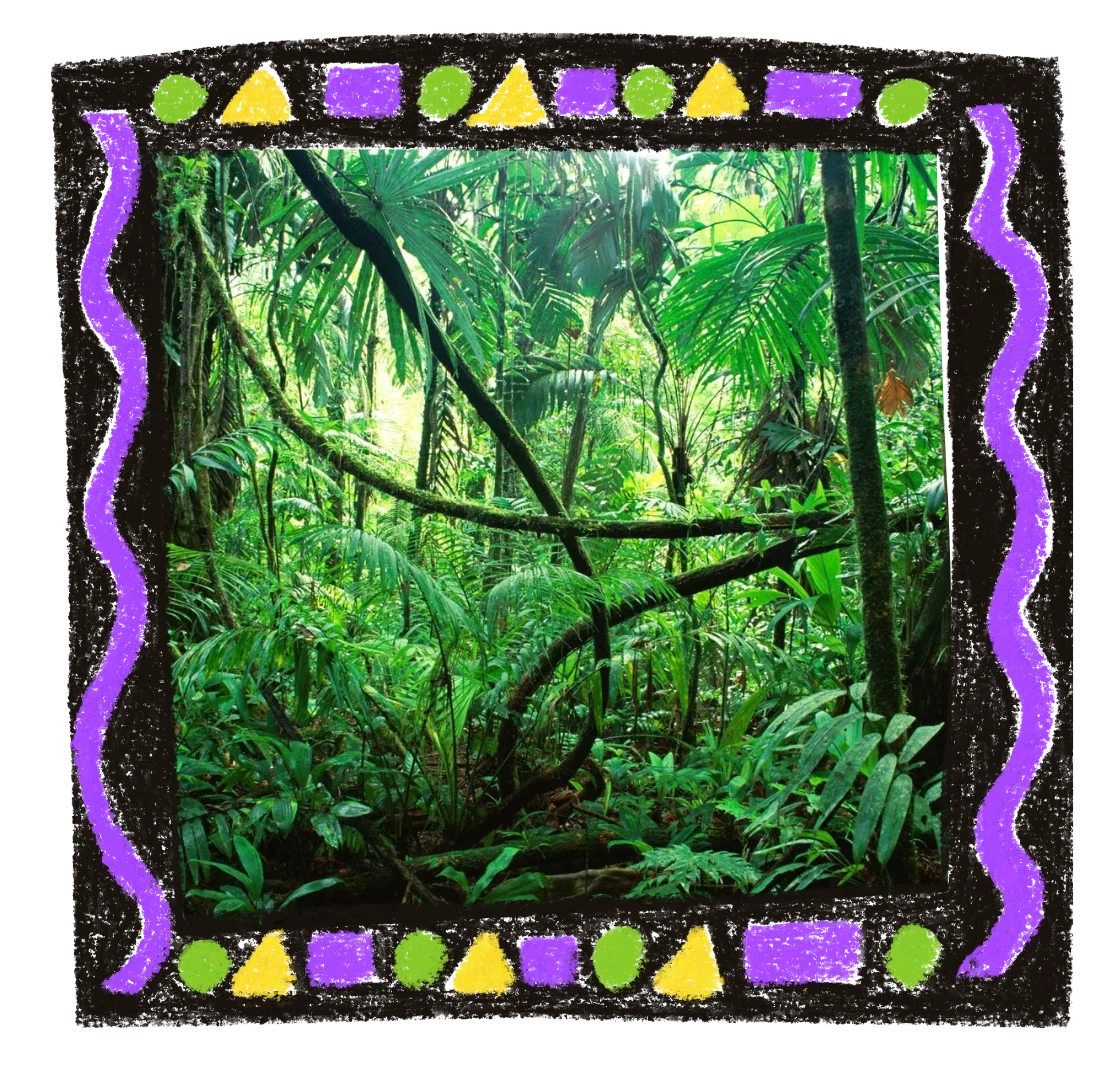
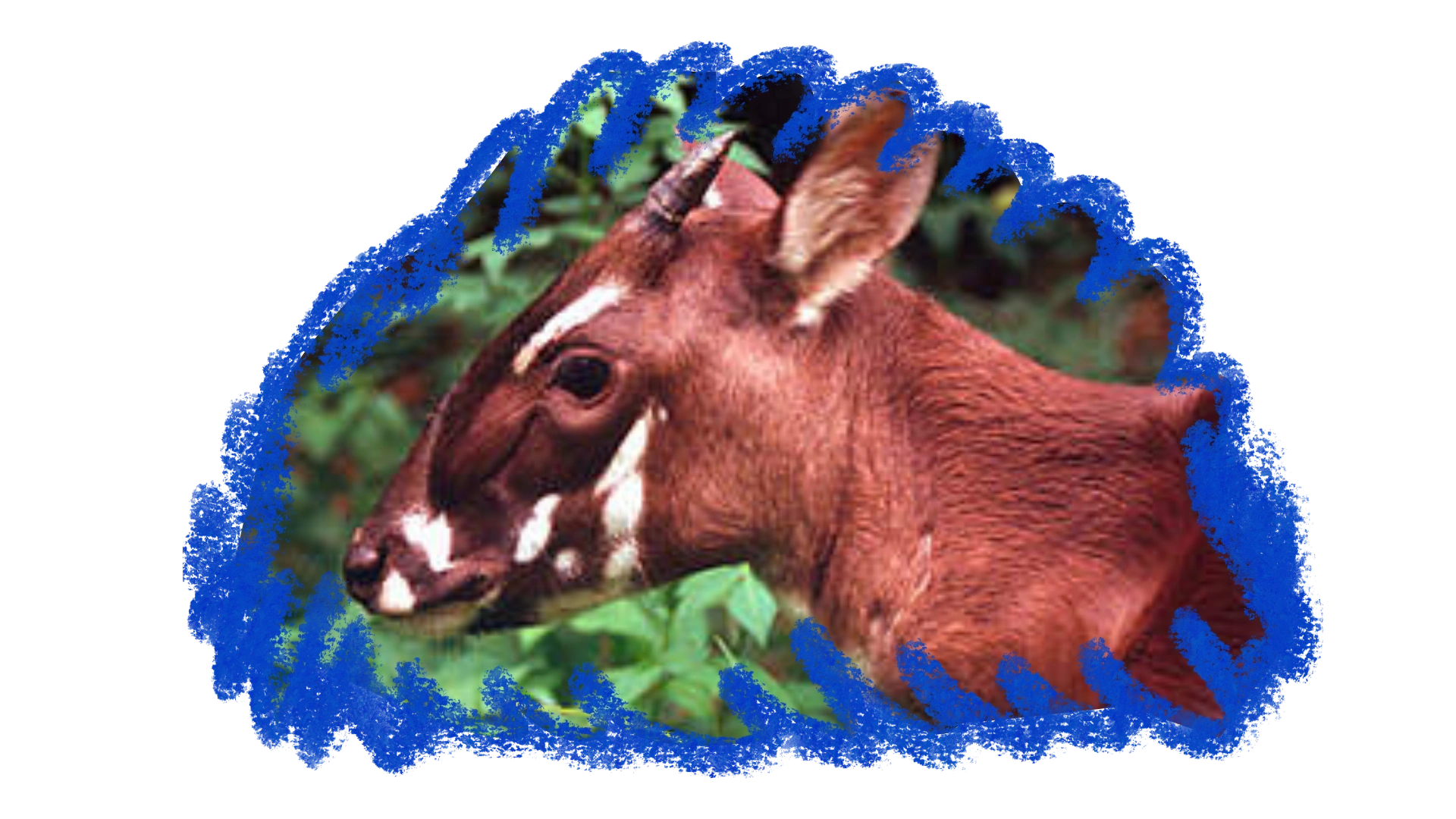
Vietnam's forests are being destroyed! The Annamite Mountains are called "Asia's Amazon" because they're home to so many unique species found nowhere else on Earth. These ancient forests shelter 25 primate species, including 11 that are critically endangered and 5 found only in Vietnam!
Scientists discover a new species in Vietnam's forests every two days on average - that's twice a week!
Illegal loggers are cutting down rare trees to sell expensive wood to other countries, destroying homes for endangered animals. Thousands of wire snares set to catch deer also trap saola, pangolins, and other rare species that get sold to restaurants or medicine shops.
Vietnam has banned logging operations and is creating forest corridors that connect protected areas so animals can move safely between them. Park rangers now use drones and camera traps to catch illegal loggers and hunters.
The Endangered Primate Rescue Center in Cuc Phuong National Park rescues and cares for orphaned monkeys and langurs. Local communities are trained as forest guards and eco-guides, earning money from protecting nature instead of cutting it down. Some villages now run successful eco-tourism programs where visitors can see wildlife while providing income for conservation.
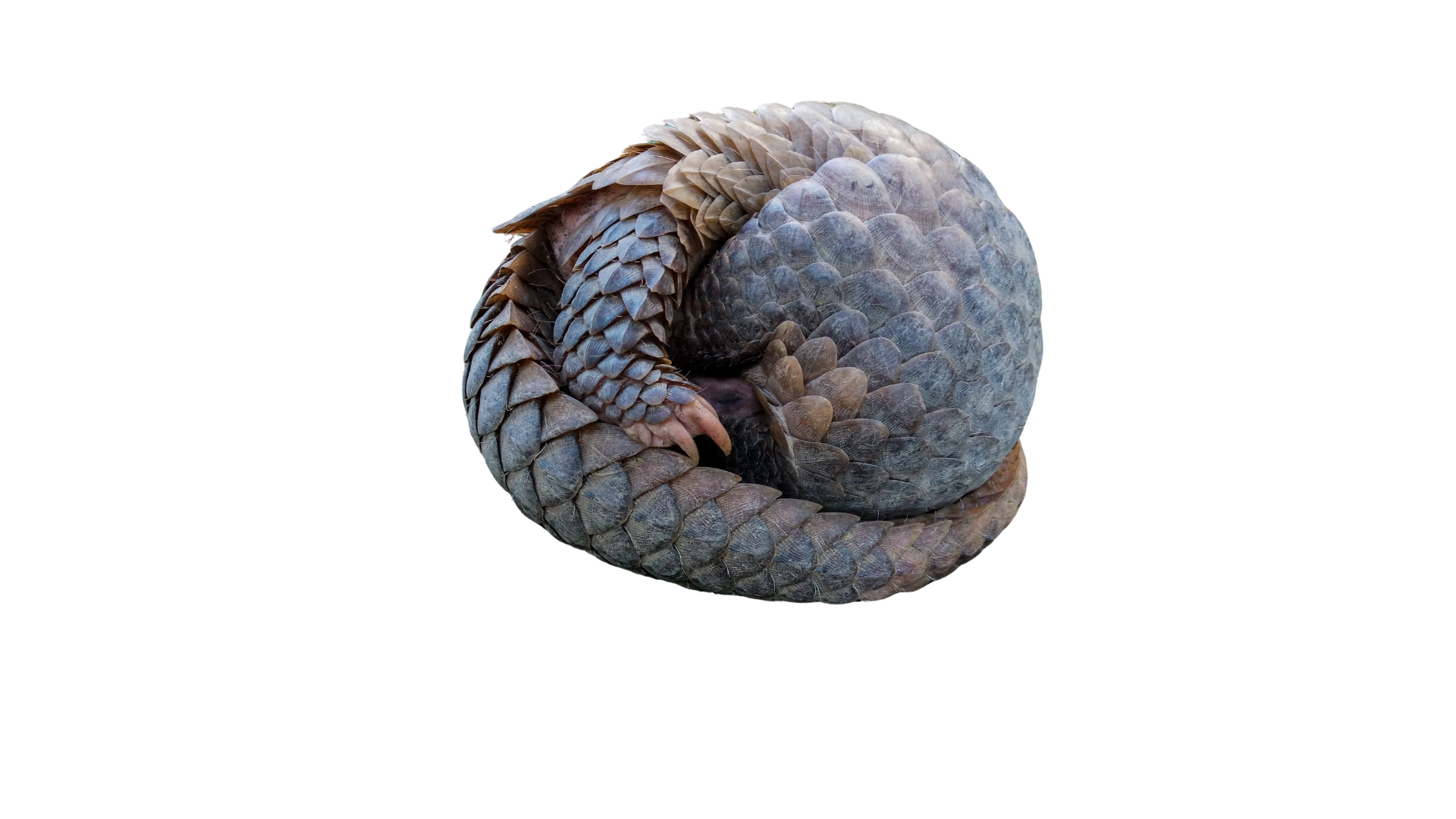
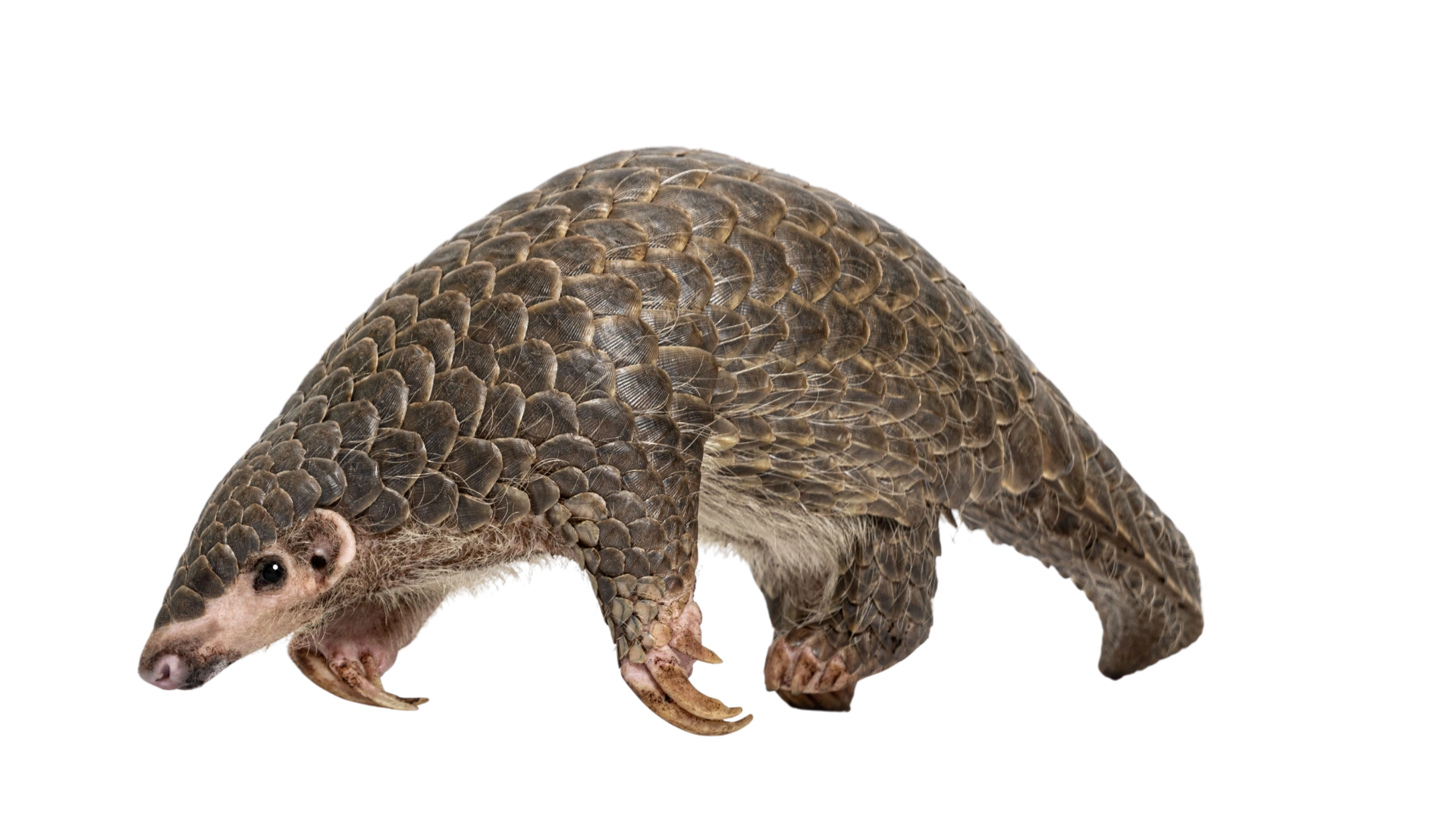
Vietnam is at the center of a wildlife crime emergency! Pangolins - scaly mammals that look like walking pinecones - are the world's most trafficked animal. About 100,000 pangolins are killed every year, with many smuggled through Vietnam to China.
Vietnam has two pangolin species: the Chinese pangolin and Sunda pangolin, both critically endangered. These animals can curl into balls when scared and extend their tongues 40 centimeters to eat ants. Their scales are made of keratin (same as your fingernails), but people wrongly believe they cure diseases.
In 2022, Vietnamese police confiscated over 6,400 kilograms of pangolin scales - that represents thousands of dead pangolins! The saola is even closer to extinction, with possibly fewer than 50 left in the wild. This "Asian Unicorn" might disappear before most people even know it exists.
Vietnam has increased penalties for wildlife trafficking and launched major crackdowns on smuggling networks. In 2021, Environment Police arrested four people and seized 984 kilograms of pangolin scales in one operation - the largest takedown ever!
Education programs teach people that pangolin scales have no medical value, while rescue centers care for confiscated animals. The Saola Working Group uses camera traps and local communities to search for surviving saola, and plans are underway for a breeding center to save the species from extinction.
Conservation organizations train local people to report wildlife crimes, and some former hunters now work as wildlife protectors earning steady incomes from tourism instead of poaching.
Vietnam is packed with incredible animals! The country has 889 bird species and over 310 mammal species - including some of the world's rarest creatures found nowhere else on Earth! From the mysterious "Asian Unicorn" to acrobatic primates swinging through ancient forests, Vietnam's wildlife will amaze you.
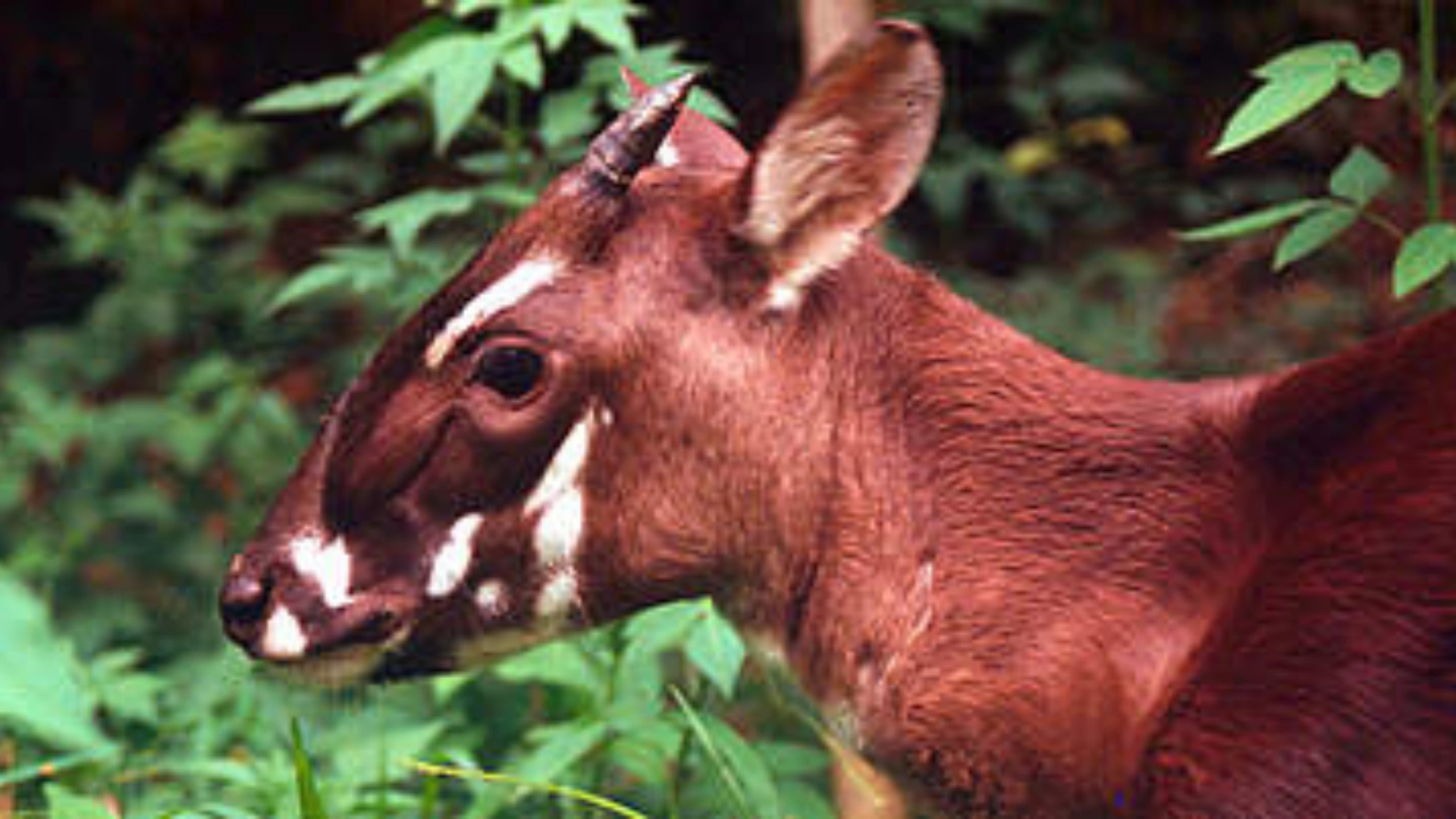
Saola
The most famous and mysterious animal in Vietnam! This antelope-like creature with long straight horns is so rare that scientists have never seen one alive in the wild - only through camera trap photos. Fewer than 50 saola remain in the misty Annamite Mountains
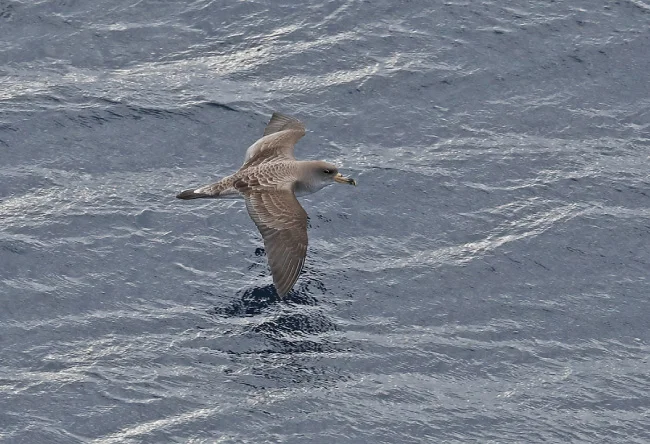
Malta is a small island, but it’s home to some incredible animals and plants that are found nowhere else. Sadly, some of these species are endangered, which means they are at risk of disappearing forever.
Let’s explore Malta’s nature and learn about the amazing creatures that live here and how we can protect them!



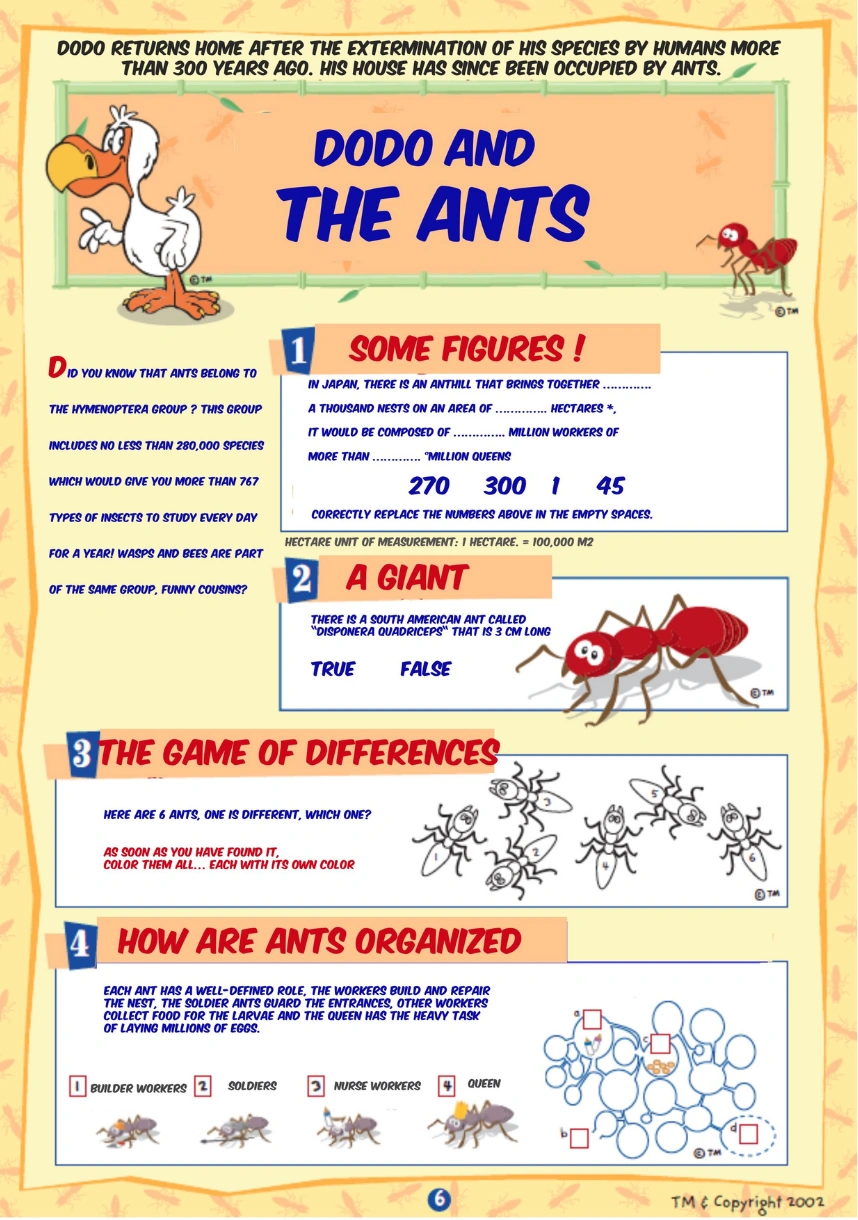


SUNx Malta is a not-for-profit organization dedicated to Climate Friendly Travel (Paris 1.5, SDGs, and Nature Positive tourism). Dodo4Kids is one of our educational initiatives, inspiring young travelers to explore the world responsibly through stories, activities, and gamified learning.
Vliertjeslaan 5, Overijse, Brussels, 3090, Belgium