

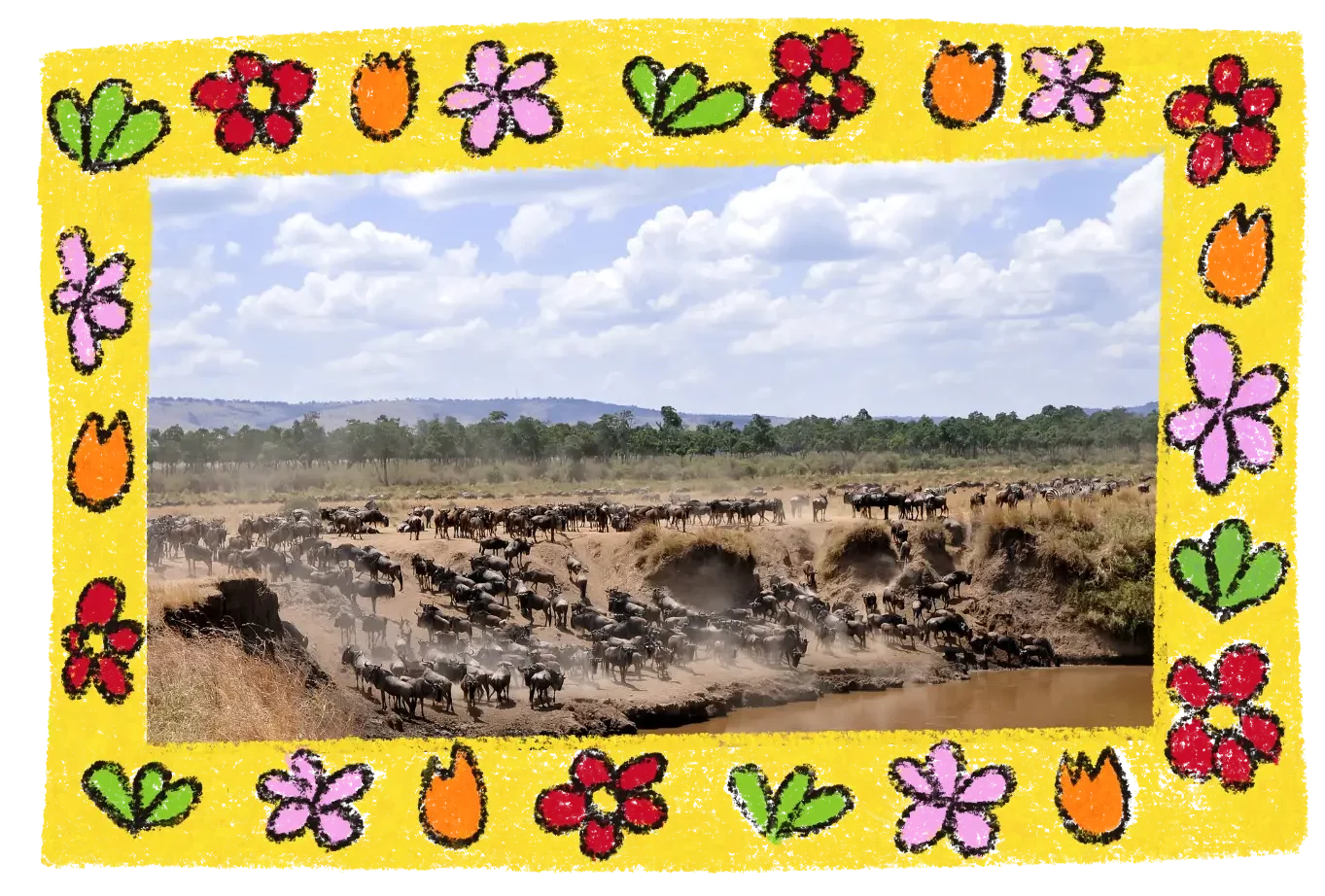
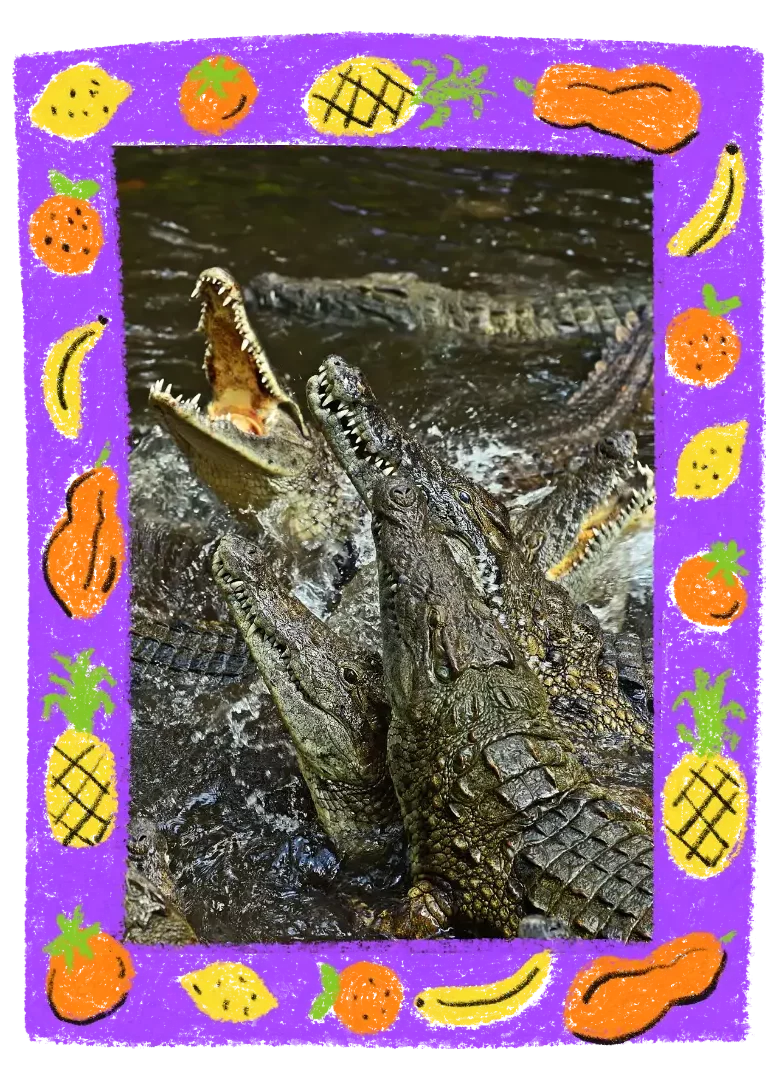
The Maasai Mara hosts one of the Seven Natural Wonders of the World! Every year, over 1.5 million wildebeest, 400,000 zebras, and 300,000 gazelles travel 800 kilometers in a giant circle from Tanzania's Serengeti to Kenya's Maasai Mara looking for fresh grass and water.
This massive animal parade is like having millions of animals following a natural GPS system! The herds have to cross crocodile-filled rivers and dodge lions, leopards, and cheetahs along the way.
New farms and fences are blocking the ancient routes animals have used for thousands of years. Climate change is also making the rains unpredictable, which confuses the animals about when to migrate.
Kenya's growing cities and new infrastructure sometimes cross through places where animals live. New highways, railway lines, and growing farms are cutting through elephant migration routes and lion territories.
The new railway from Mombasa to Nairobi had to be built with special elephant underpasses so animals can cross safely! But expanding agriculture, especially cash crops like avocados for export to China, is creating conflicts with wildlife.
Kenya created "wildlife corridors" - like special highways for animals to travel safely between parks! Local Maasai communities get paid to keep their land open for wildlife instead of building farms.
The Maasai Mara has some of the highest lion populations in Africa (800-900 lions), and tourism money helps protect 25,000 square kilometers of this incredible ecosystem shared between Kenya and Tanzania.
Kenya has amazing coastal forests called mangroves - special trees that can live in salty seawater! Kenya's 61,000 hectares of mangroves act like giant shields, protecting the coast from big storms and tsunamis. They're also like underwater nurseries where baby fish grow up safely.
Kenya's coral reefs stretch along 1,420 kilometers of coastline and are home to 250 different coral species! These colorful underwater cities provide homes for thousands of fish species and protect beaches from big waves.
In 1998, Kenya's coral reefs suffered 50-80% death from rising sea temperatures. Mangroves are being cut down for building materials and to make room for hotels and shrimp farms. Pollution from cities and farms is also harming marine life.
Kenya launched the world's first "blue carbon" projects! In Gazi Bay, local communities plant and protect mangrove trees, then sell "carbon credits" to companies that want to help fight climate change. The money goes directly to local families.
The Lamu Blue Carbon Project aims to restore 4,000 hectares of mangroves and will generate over $600,000 annually for local communities. Marine Protected Areas like Watamu and Malindi protect coral reefs while allowing sustainable fishing and tourism.

Kenya has one of the world's BIGGEST elephant and rhino conservation success stories! Black rhinos were almost extinct with only 15 left in some areas by the 1980s. People were really worried they might disappear forever!
But guess what? Kenya now has over 850 black rhinos - that's 80% of all black rhinos in East Africa! Plus, Kenya's elephant population has grown to over 36,000, making it the third largest rhino population in Africa. The goal is to reach 2,000 black rhinos by 2037!
Today, Kenya has world-famous conservancies like Lewa (which grew from 15 to 255 rhinos) and uses cutting-edge thermal cameras with AI to catch poachers before they can harm animals.
Poaching used to be a huge problem, but Kenya has dramatically reduced it! In 2017, only 9 rhinos were lost to poachers compared to 14 the year before. Some areas now have ZERO rhino poaching thanks to amazing technology!
Kenya created special "rhino sanctuaries" - like safe fortresses for rhinos! The David Sheldrick Wildlife Trust rescues orphaned baby elephants and rhinos, hand-raises them, and releases them back into the wild.
Super cool technology like thermal cameras that can "see" in the dark automatically detect poachers and send alerts to rangers. Kenya also created the world's first carbon credit programs where tourists help fund conservation by "buying" carbon absorbed by mangrove trees!
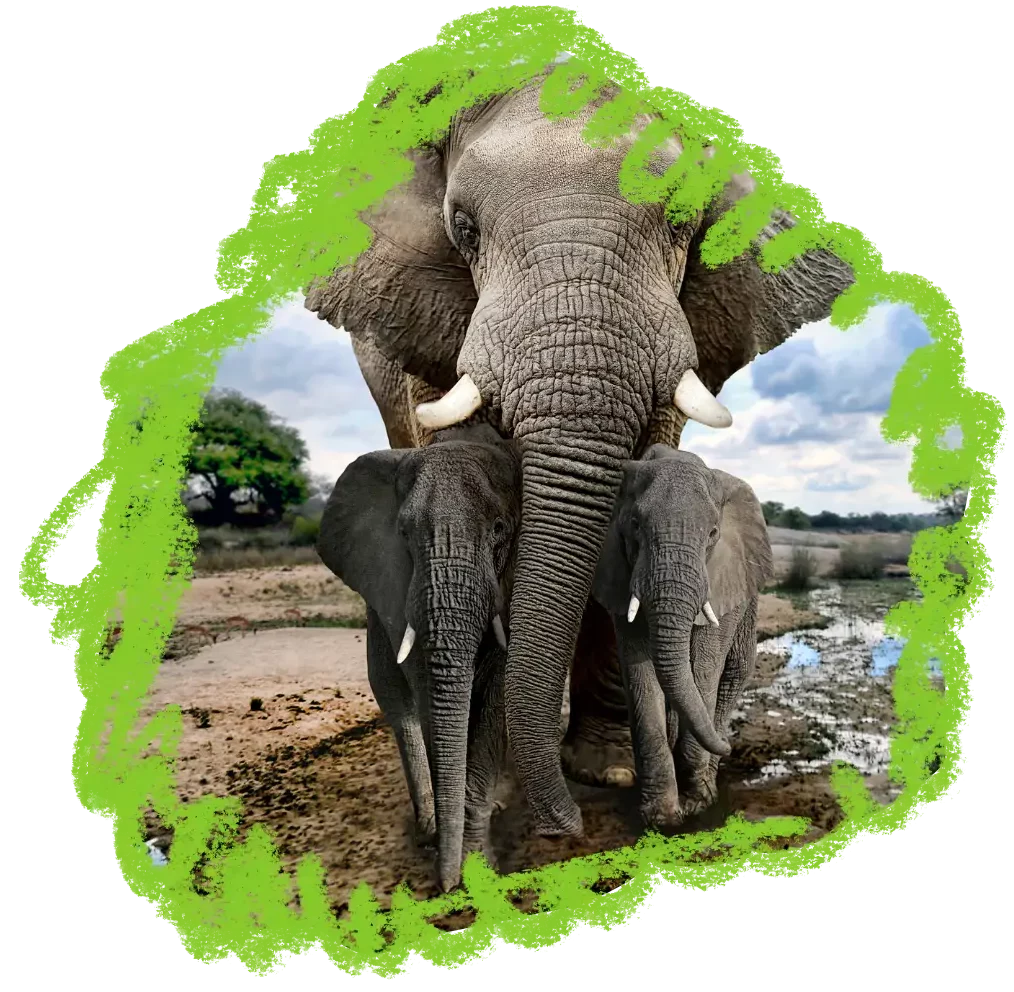
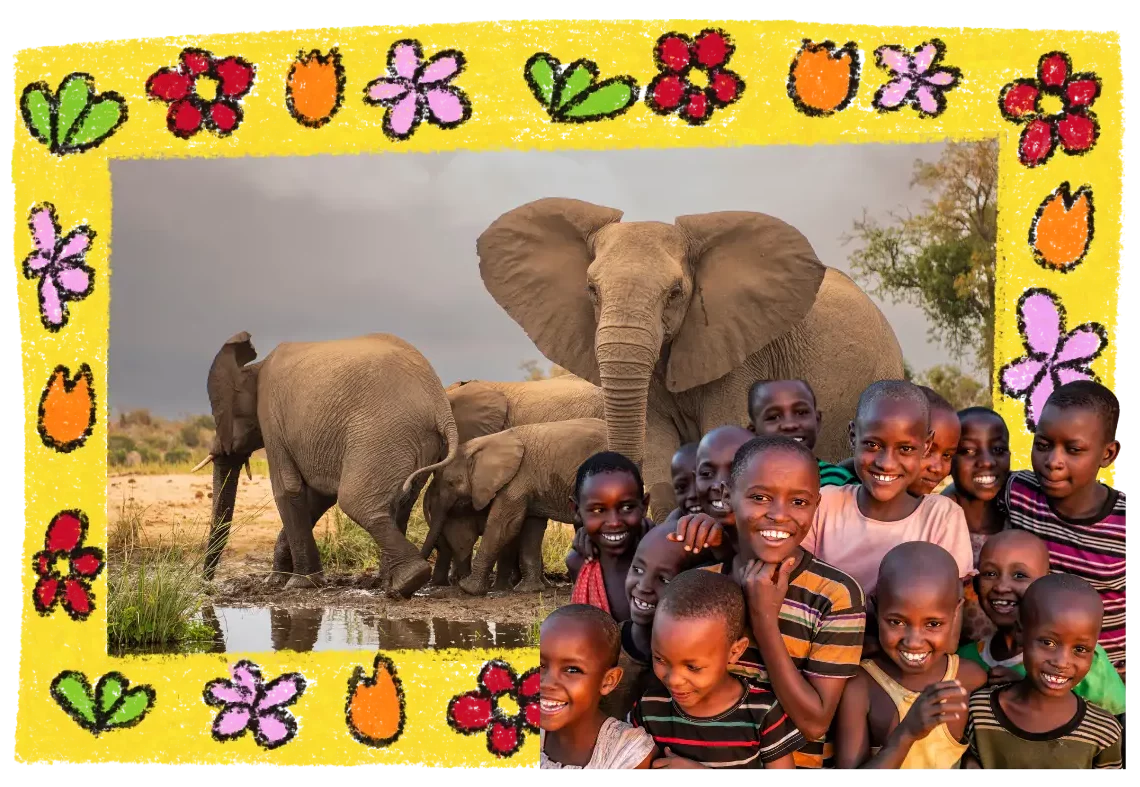
Kenya has 36,000+ elephants - among the most in Africa! But as cities and farms grow bigger, elephants and people sometimes have to share the same space. Elephants sometimes eat farmers' crops (they can eat 450 kg of food per day!), and in 2022, crop raiding incidents more than doubled from 156 to 363 cases.
Over the past decade, Kenya has recorded 305 human deaths from wildlife conflicts, with elephants responsible for 46% of conflicts. Lions and hyenas also sometimes attack livestock when their natural prey becomes scarce.
Kenya created amazing solutions that use animals' natural behaviors! Communities use clever tricks like:
The government pays farmers $45 million annually through insurance programs when animals damage crops. Wildlife corridors help animals move safely without going through villages.
Most importantly, wildlife tourism brings in much more money than farming in many areas - showing communities that protecting animals helps their families too!
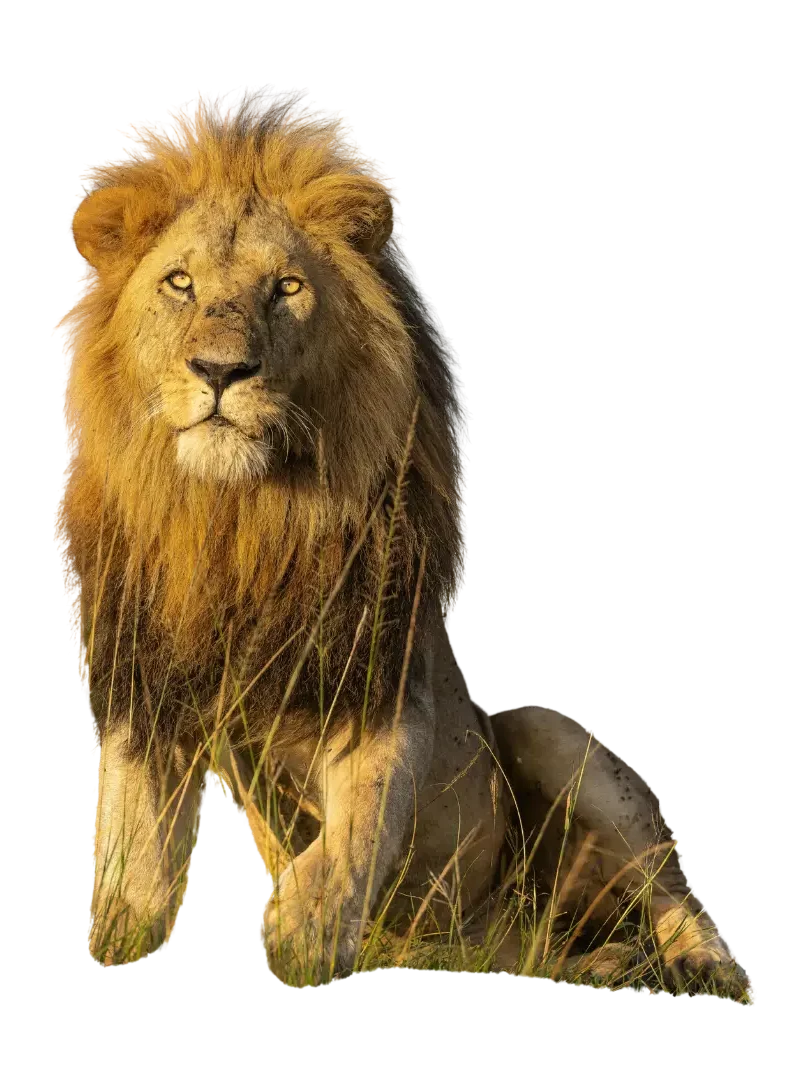
Kenya is packed with amazing animals! Kenya's Maasai Mara has 800-900 lions (one of Africa's highest populations) and the world's last two northern white rhinos live at Ol Pejeta Conservancy.
Kenya also protects unique species found nowhere else, like the endangered Hirola antelope (only 300 left in the world) and Grevy's zebras. The country has over 500 bird species and supports dugongs (marine cousins of manatees) along its coast.
Kenya shows that when people work together using both traditional wisdom and modern technology, even the biggest conservation challenges can become incredible success stories. From thermal cameras that catch poachers to mangrove trees that fight climate change, Kenya proves that protecting nature creates a better future for everyone!
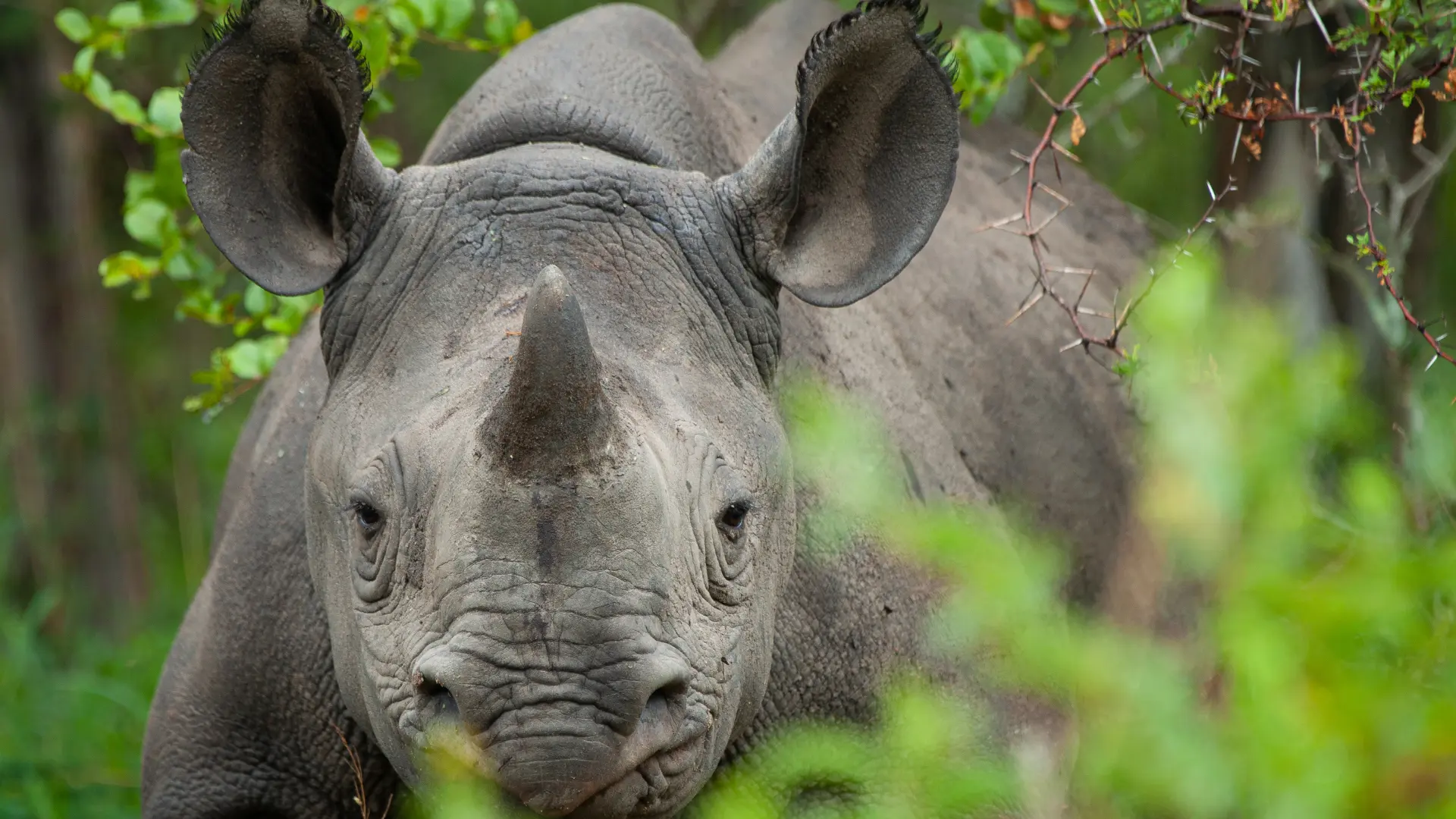
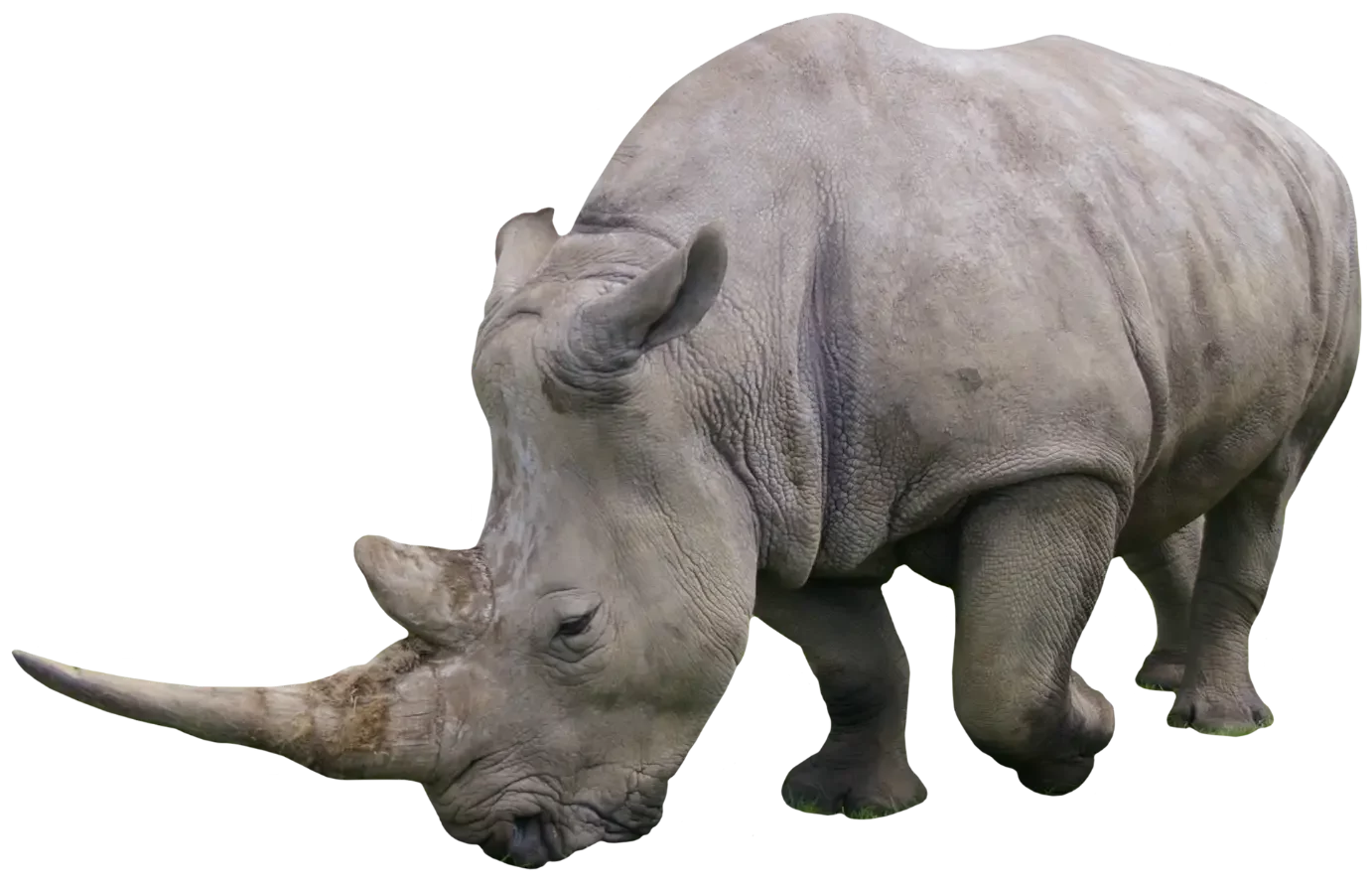
Meet Kenya's most amazing conservation comeback story - the Black Rhino! These incredible armored giants were almost extinct in the 1980s, with some areas having only 15 rhinos left. Today, Kenya protects 850+ black rhinos - that's 80% of all black rhinos in East Africa!
Black rhinos are like living tanks with horns that can grow up to 1.5 meters long! But their horns made them targets for poachers who sold them illegally. Kenya's rhinos were disappearing so fast that scientists worried they'd be gone forever.
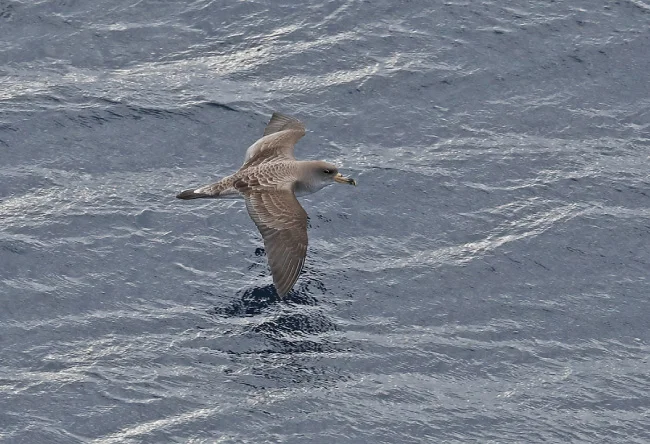
Malta is a small island, but it’s home to some incredible animals and plants that are found nowhere else. Sadly, some of these species are endangered, which means they are at risk of disappearing forever.
Let’s explore Malta’s nature and learn about the amazing creatures that live here and how we can protect them!



SUNx Malta is a not-for-profit organization dedicated to Climate Friendly Travel (Paris 1.5, SDGs, and Nature Positive tourism). Dodo4Kids is one of our educational initiatives, inspiring young travelers to explore the world responsibly through stories, activities, and gamified learning.
Vliertjeslaan 5, Overijse, Brussels, 3090, Belgium