



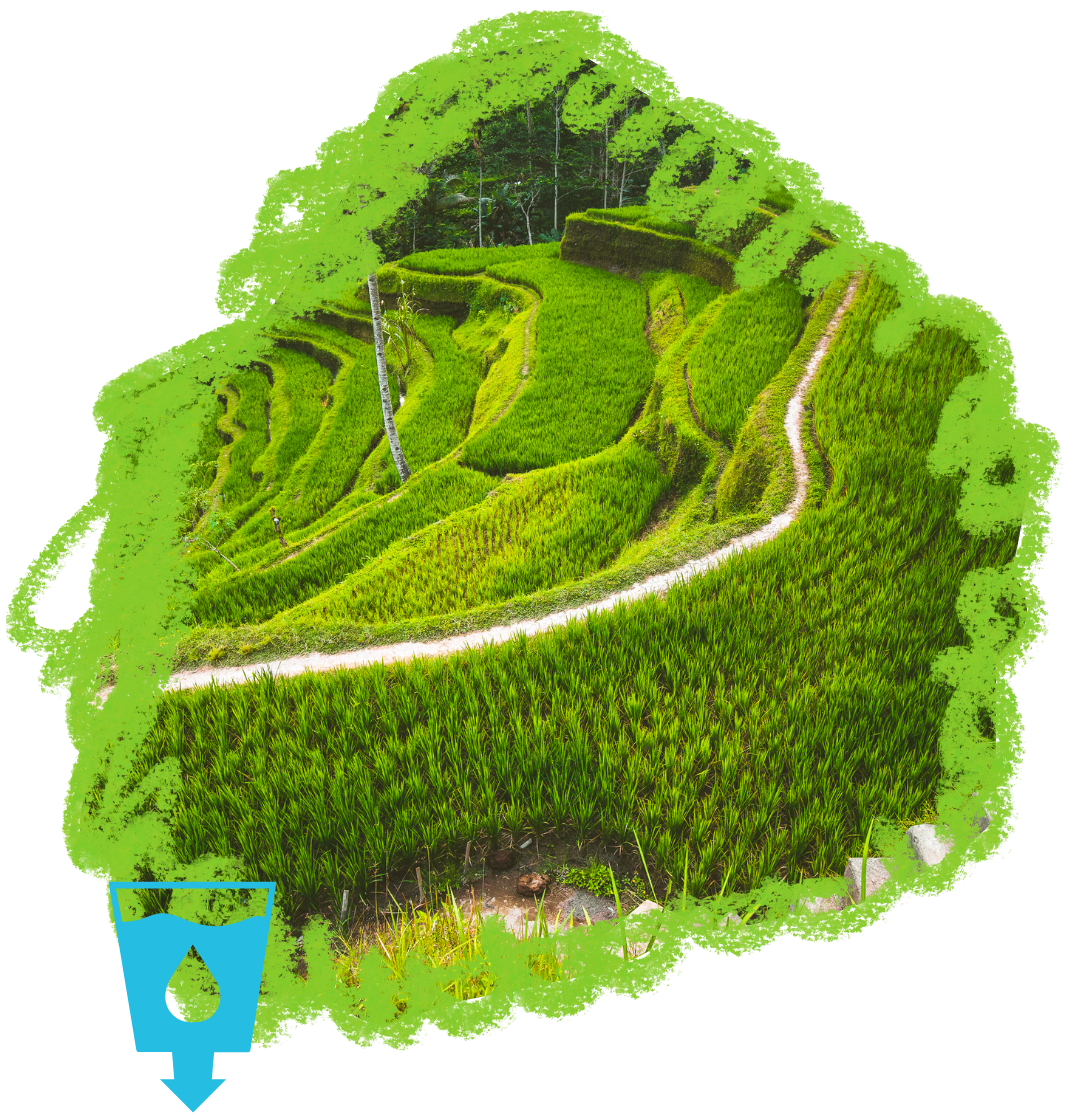
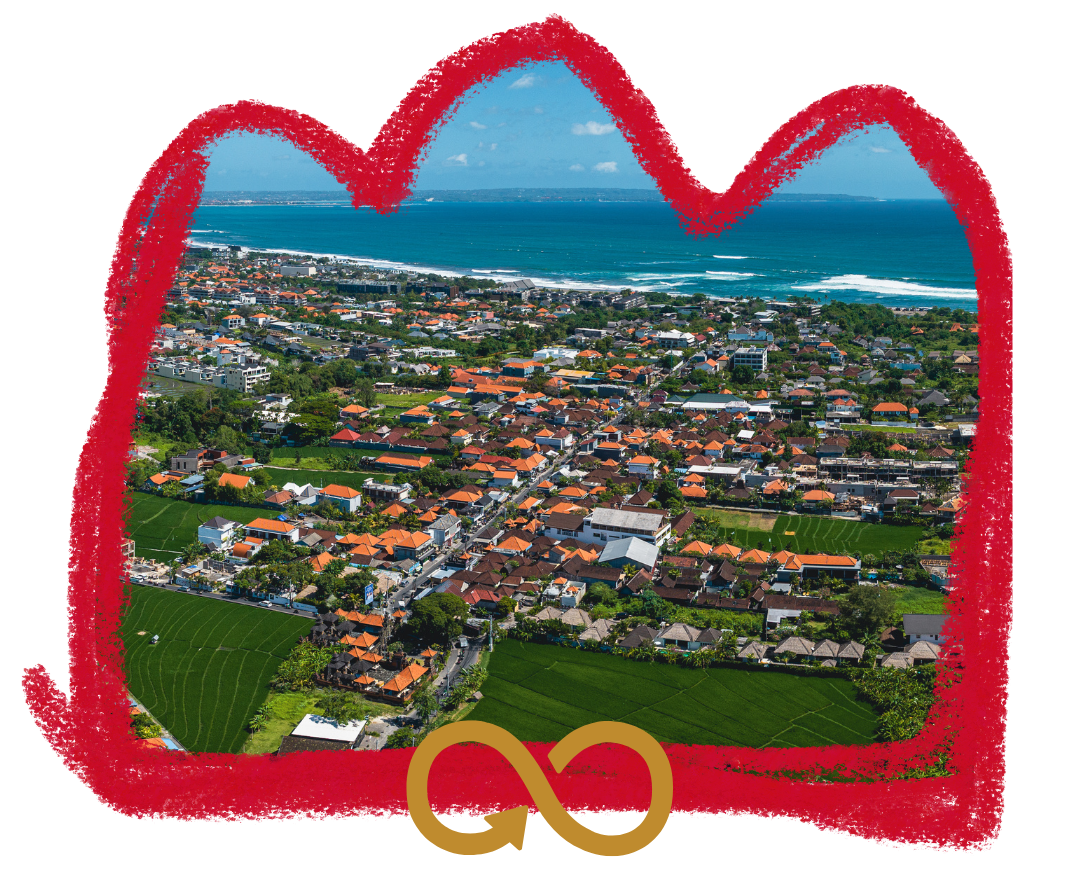
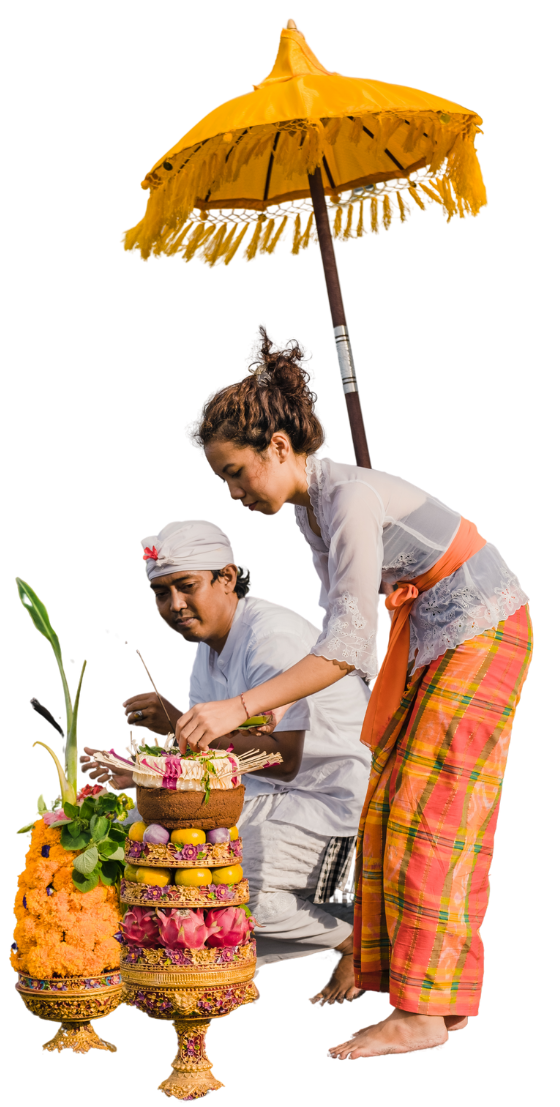
The Balinese people follow a special form of Hinduism and create beautiful flower offerings that you'll see everywhere. Their "Tri Hita Karana" philosophy teaches that happiness comes from balance between people, nature, and spirits - making sustainability part of their culture for centuries.
Visitors to Bali experience a world of traditional dance, gamelan music, and incredible crafts. The famous terraced rice fields were created by the ancient "Subak" water-sharing system that has sustained farmers for over 1,000 years. These cultural traditions don't just preserve Bali's heritage - they offer valuable lessons about living in harmony with our environment.
With so many tourists visiting, the islands balance is in trouble.
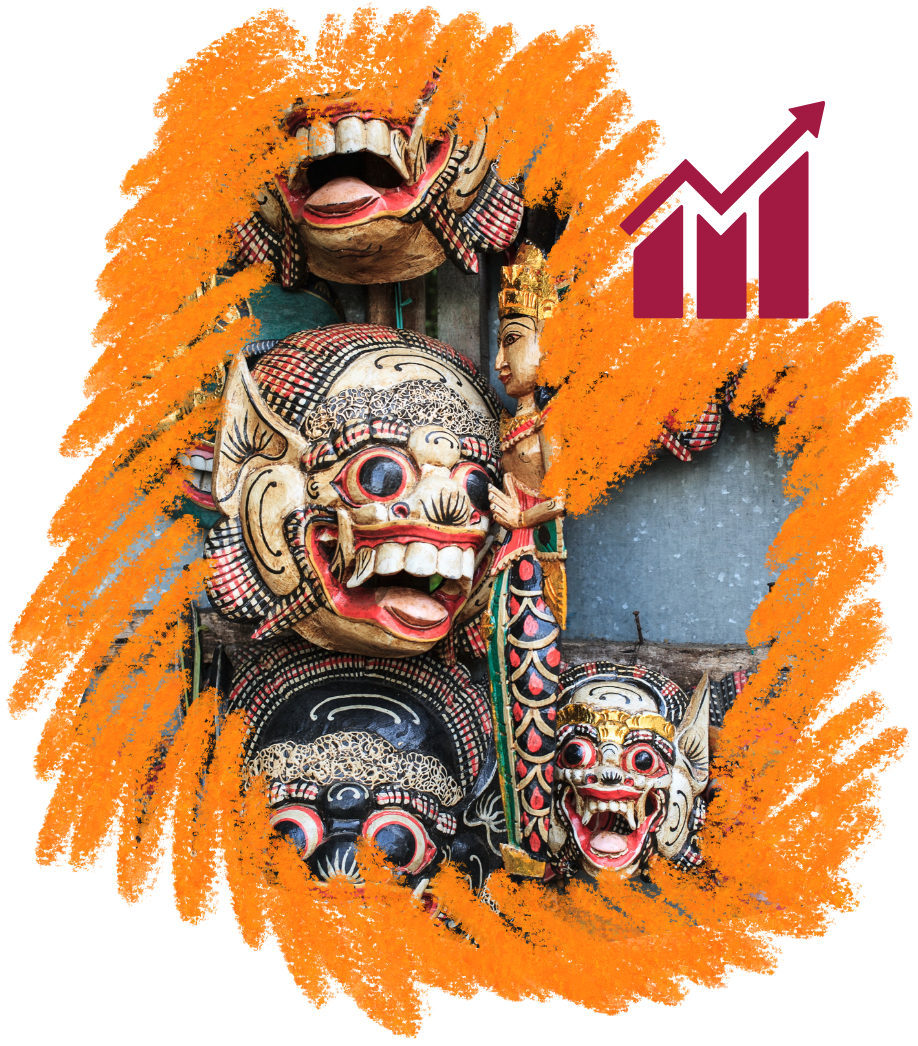
Only about 30% of souvenirs sold in Bali are actually made there! Many shops sell things made in other countries. But real Balinese crafts are amazing - wood carvings, silver jewelry, hand-painted batik fabric, and woven baskets made by skilled local artists.
Bali has started a "Love Domestic Products" campaign to encourage people to buy locally made items. Villages like Belega Bamboo Village show tourists how traditional crafts are made. When you buy something made in Bali, you help support local families and keep ancient traditions alive!
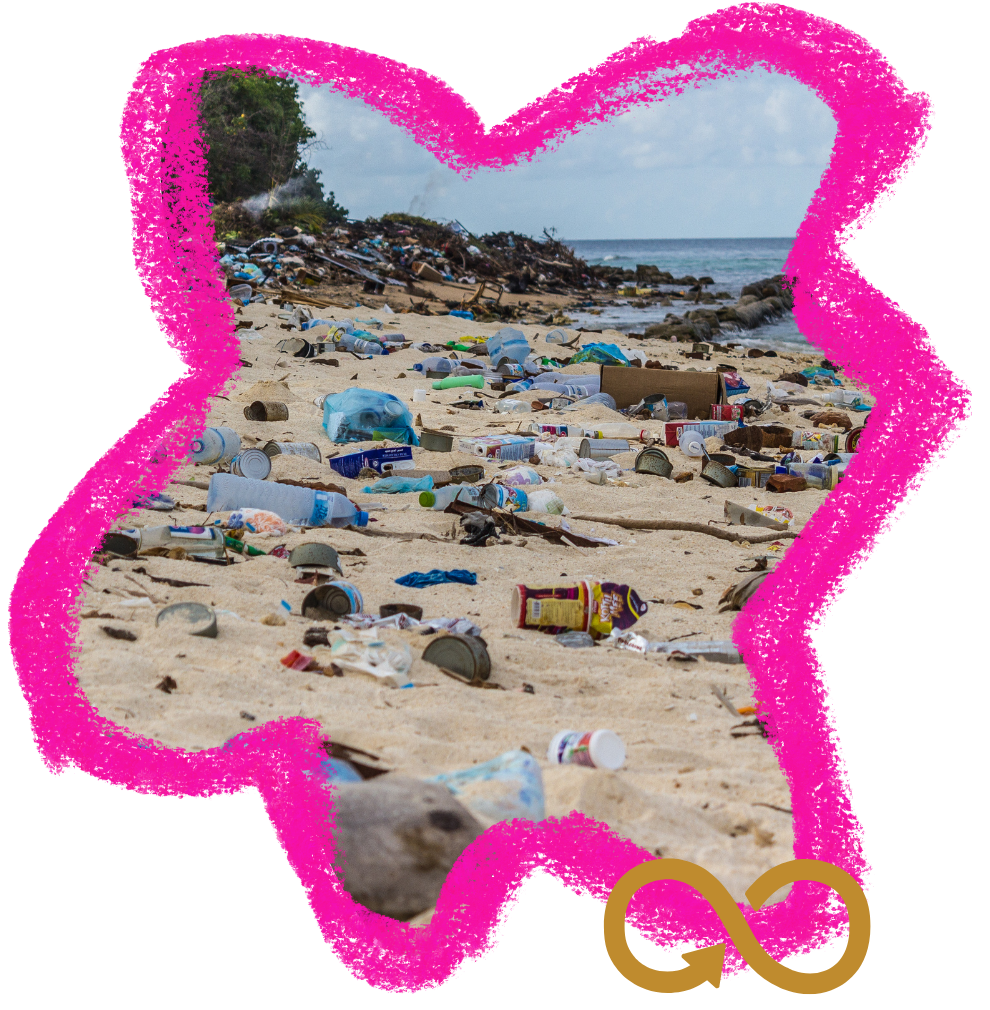
Bali struggles with too much trash! Every year, the island creates 1.6 million tons of garbage. Tourists make about 3.5 times more trash than local people. In 2017, Bali even had to declare a "garbage emergency" because beaches and streets were filled with litter.
Most trash from tourist areas like Kuta and Seminyak goes to a giant dump called Suwung, which takes in more than 2,000 tons of trash every day! Plastic waste often ends up in rivers and oceans where it hurts sea animals and makes beaches dirty.
Bali wants to charge tourists a small fee to help pay for better trash collection. Some hotels use beach-cleaning robots! Many schools teach kids about recycling. Villages organize community cleanup days where everyone works together to keep their home beautiful. The Balinese tradition of "cleansing ceremonies" shows how important being clean has always been in their culture.
When you visit Bali, you're a guest in someone's home! Tourism is good for jobs but sometimes hurts local communities when farmland is turned into hotels. In just one year (2020), more than 1,200 hectares of farmland were converted for tourism.
Bali has created more than 150 tourism villages where visitors experience traditional Balinese life. This helps spread tourism benefits to more communities. New rules help protect local land rights so farmers can keep their land. The Balinese community system of "banjar" brings people together to make decisions and solve problems as a group, including tourism planning.
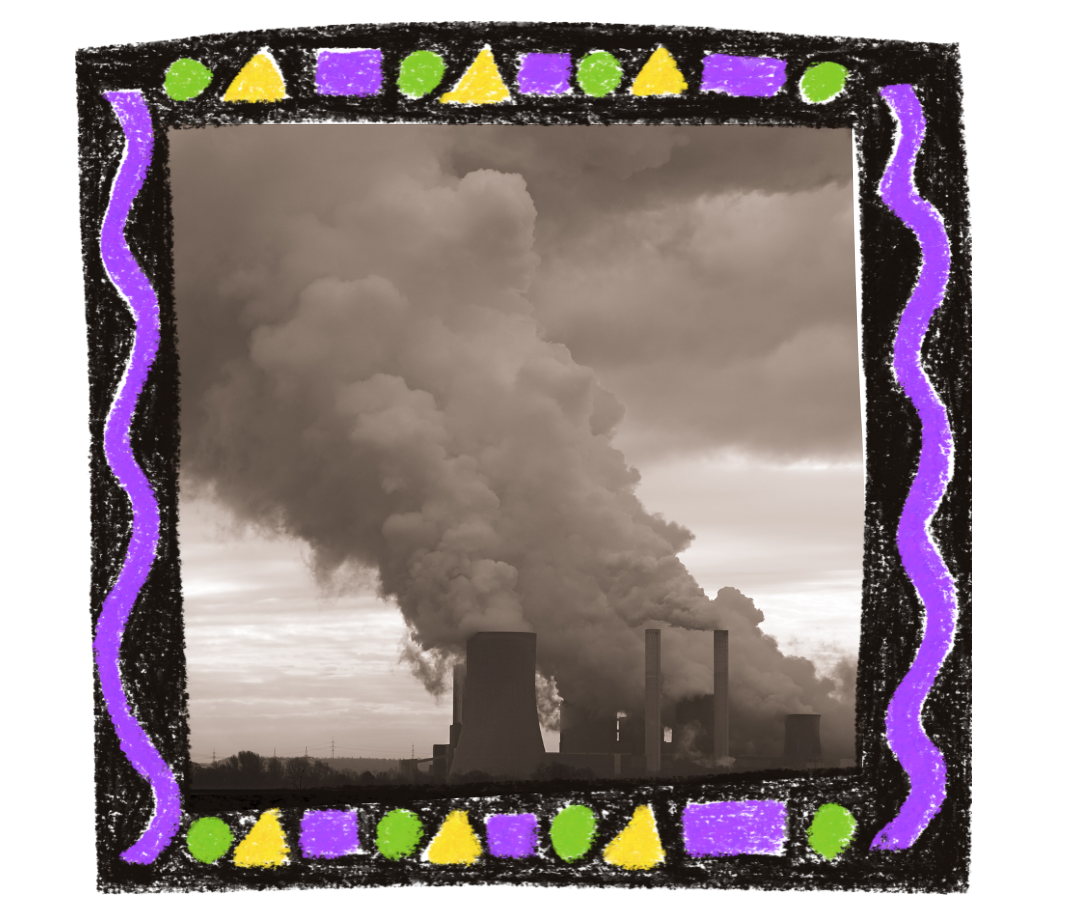

Bali needs lots of energy to power hotels, homes, and all those cool vacation activities! But right now, most of Bali's electricity comes from burning fuels that make the air dirty and hurt our planet.
Hotels use TONS of electricity - about 70% of all the power on the island! When it gets super hot, everyone turns on their air conditioning at the same time. This uses so much power that sometimes the electricity goes out! This happened during hot days in 2023 when hotels and restaurants lost power. No one likes when the lights go out or when the ice cream melts!
Bali has some awesome plans for clean energy! They want to completely switch to clean energy by 2045 in their "Bali Net Zero" plan. They're putting solar panels on hotel roofs to catch energy from the sun. The island of Nusa Penida is working to use 100% clean energy by 2030!
Balinese people have clever traditional ways of staying cool without air conditioning. Their houses have special open designs that let breezes flow through. Trees provide natural shade. People rest during the hottest part of the day and are more active in the cool mornings and evenings.



SUNx Malta is a not-for-profit organization dedicated to Climate Friendly Travel (Paris 1.5, SDGs, and Nature Positive tourism). Dodo4Kids is one of our educational initiatives, inspiring young travelers to explore the world responsibly through stories, activities, and gamified learning.
Vliertjeslaan 5, Overijse, Brussels, 3090, Belgium