
The UK's ancient woodlands are like natural time machines - some trees have been growing in the same spot for over 1,000 years! These forests are home to bluebells that create magical blue carpets in spring, red squirrels, and hundreds of bird species.
Sadly, the UK has lost about 90% of its original forests over hundreds of years. Only about 13% of the country is covered by trees now, compared to places like Sweden which has 70% forest cover!
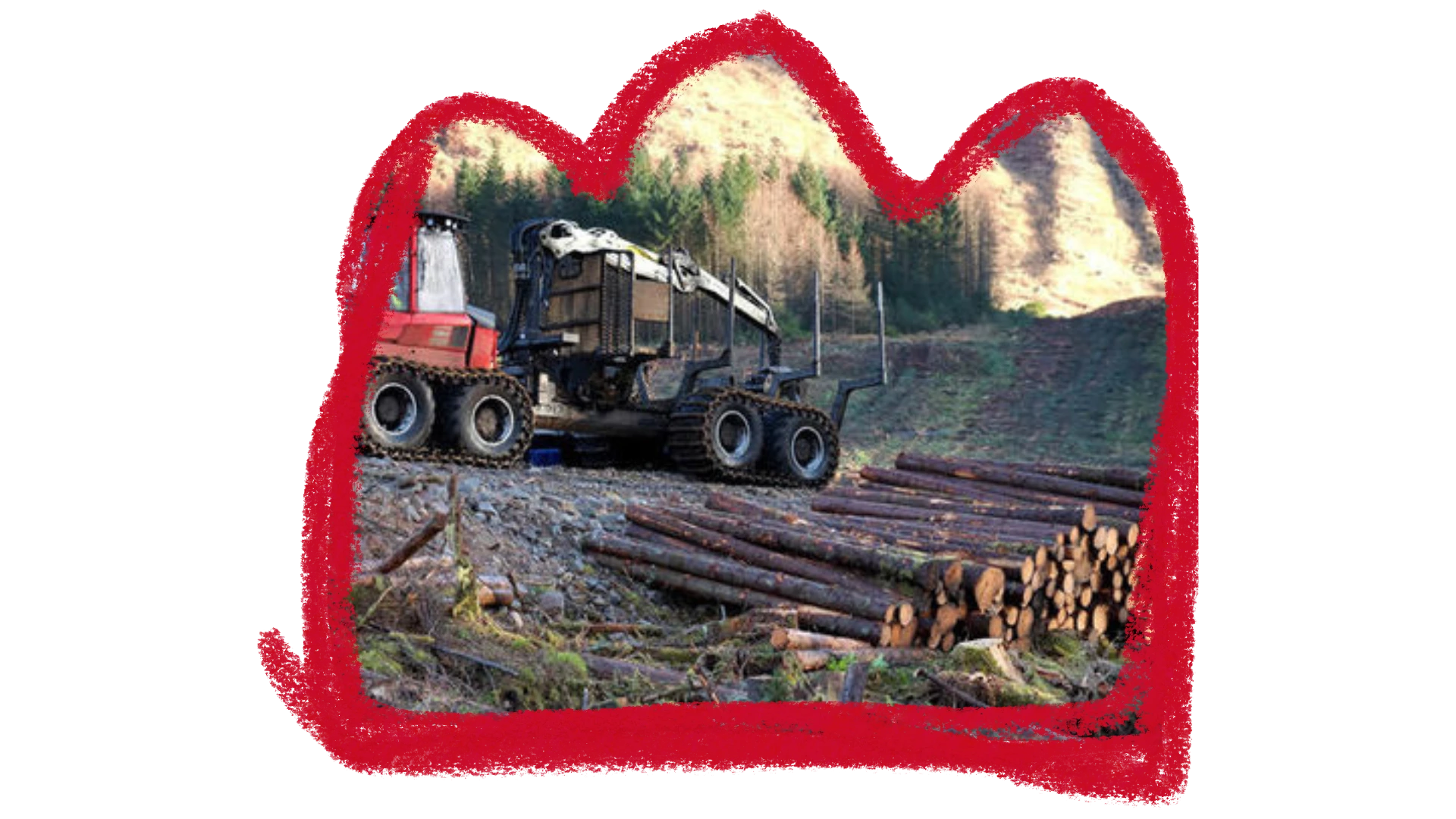
The government wants to plant 30,000 hectares of new trees every year - that's bigger than the entire city of Birmingham! The "King's Green Canopy" project encourages everyone to plant trees to celebrate the royal family.
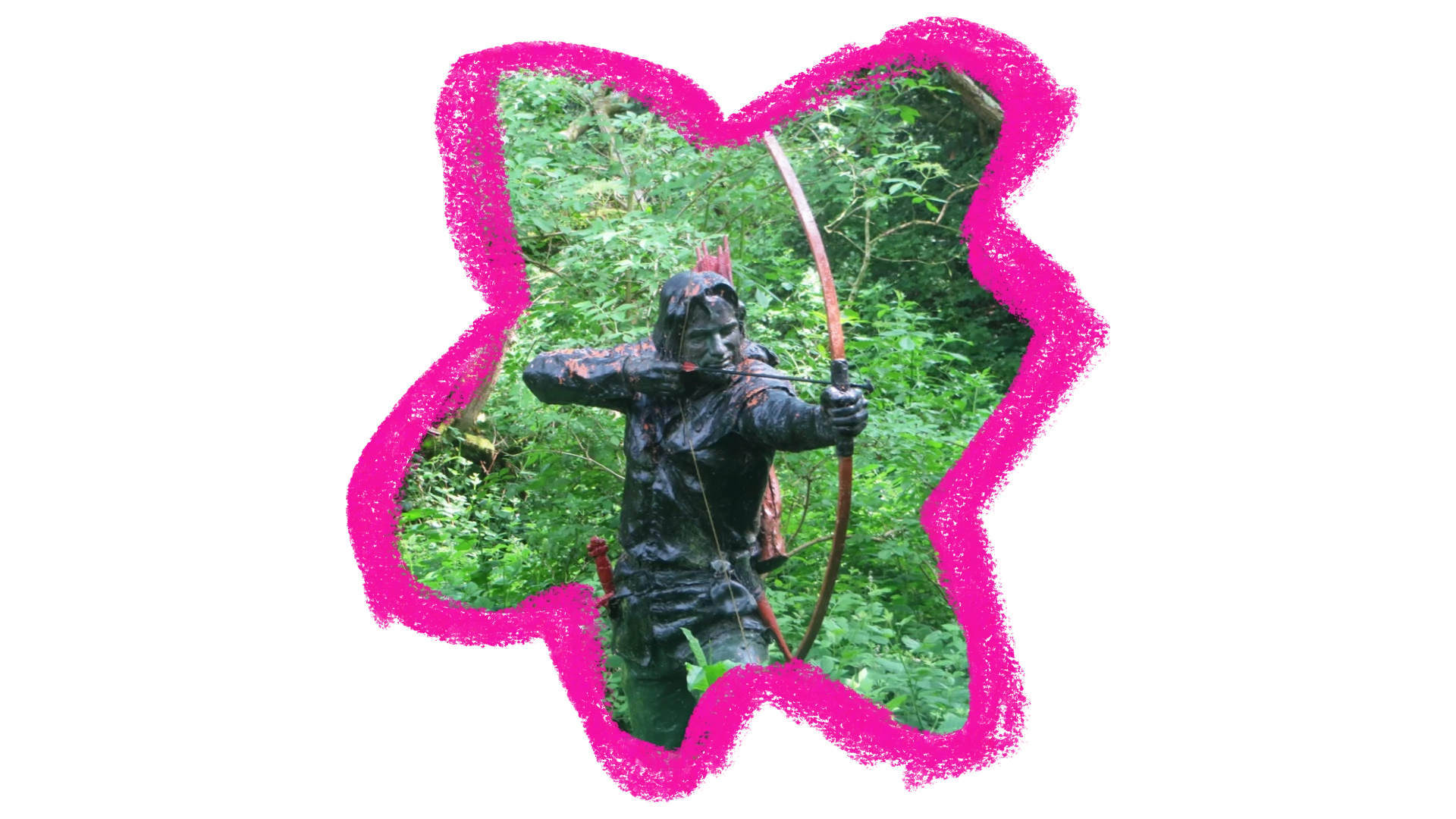
Ancient woodlands like Sherwood Forest (where Robin Hood lived in stories!) are now protected by law so no one can cut them down.
School children across the country plant trees as part of their lessons, learning why forests are important for clean air and fighting climate change.
Community groups adopt local woods, helping to remove trash and plant native wildflowers that feed bees and butterflies.
The National Trust protects many important coastal areas and works with local communities to keep beaches clean.
"Living shorelines" use natural materials like rocks and plants instead of concrete walls to protect the coast.
Beach cleaning volunteers remove thousands of tons of plastic waste every year. Some of this plastic gets turned into park benches and playground equipment!
Special protected areas help seals and seabirds have safe places to live and raise their babies.
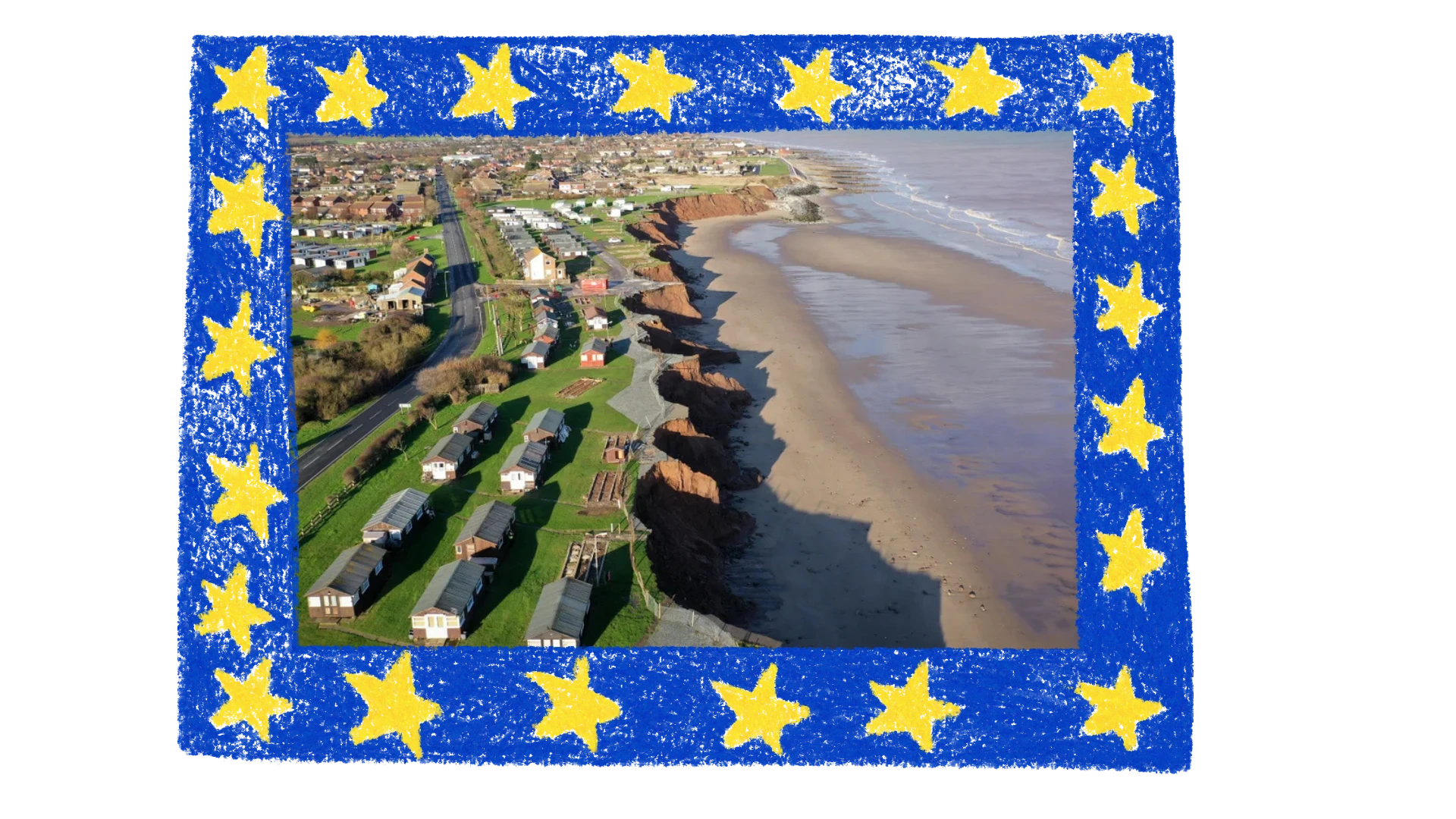
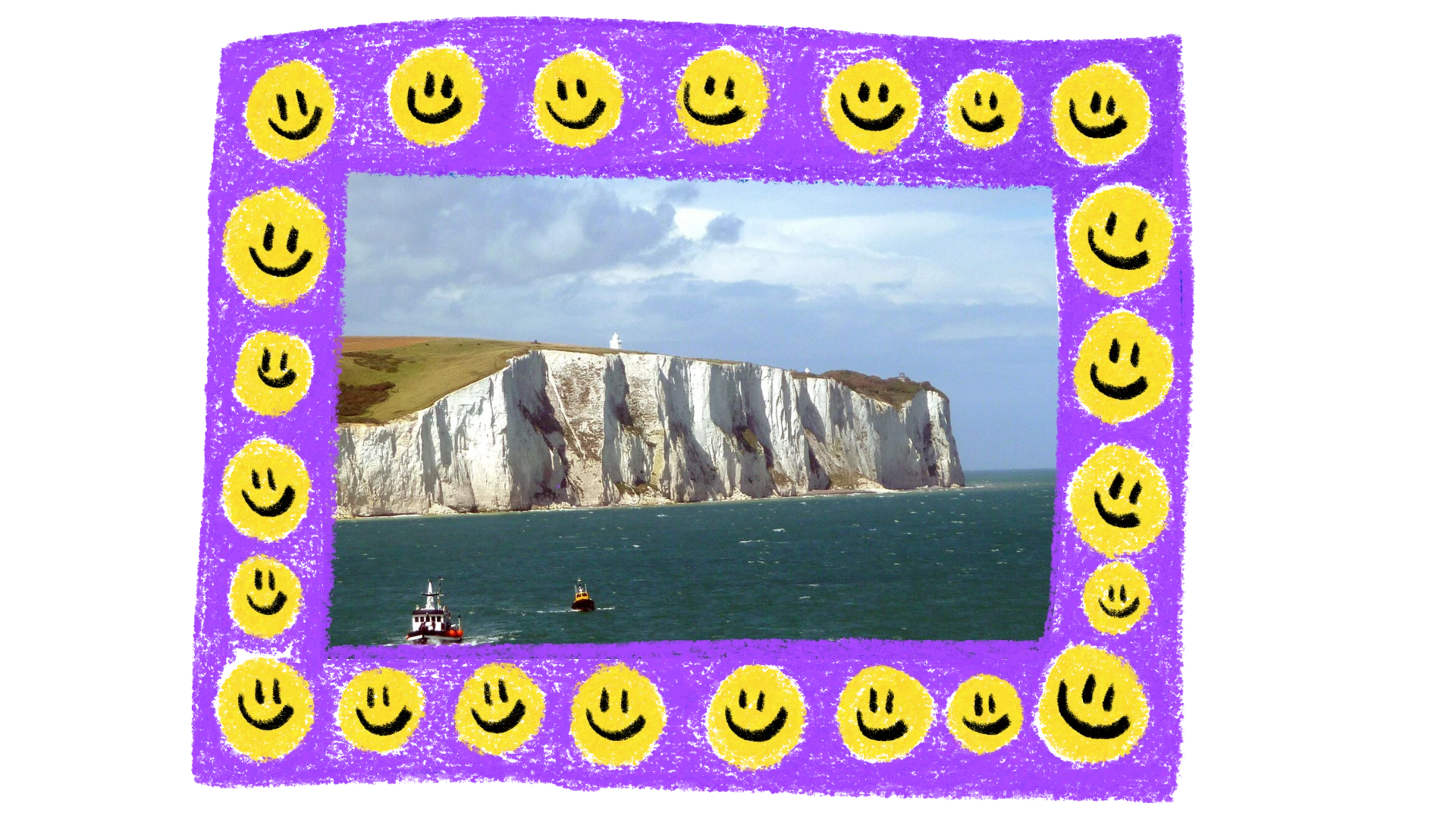
The UK has over 19,000 miles of coastline - more than most countries! From the white cliffs of Dover to sandy beaches in Wales, these coastal areas are home to seals, seabirds, and amazing rock pools full of sea creatures.
Rising sea levels and stronger storms are washing away parts of the coast. Some historic lighthouses and coastal villages are in danger of falling into the sea.

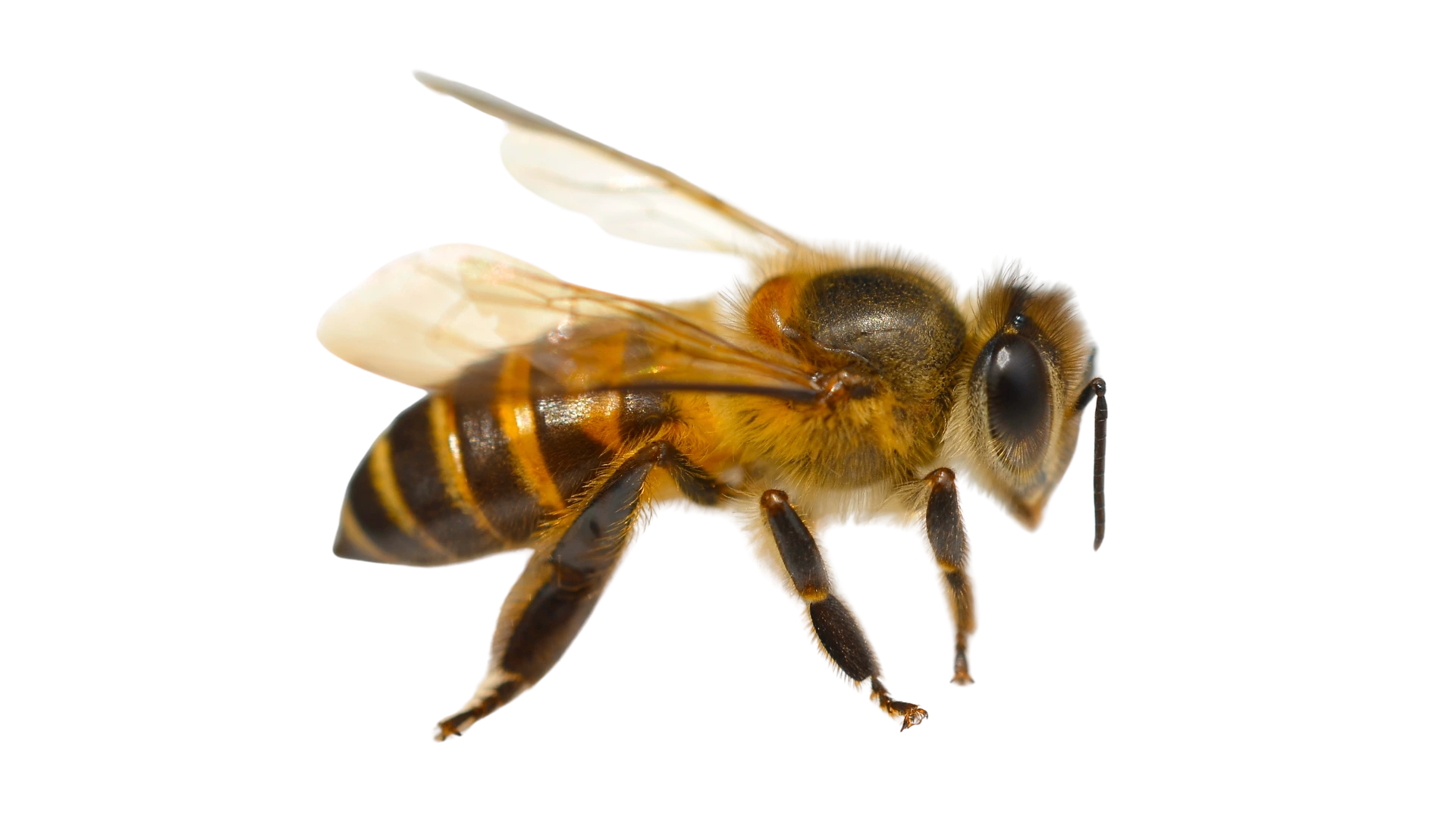
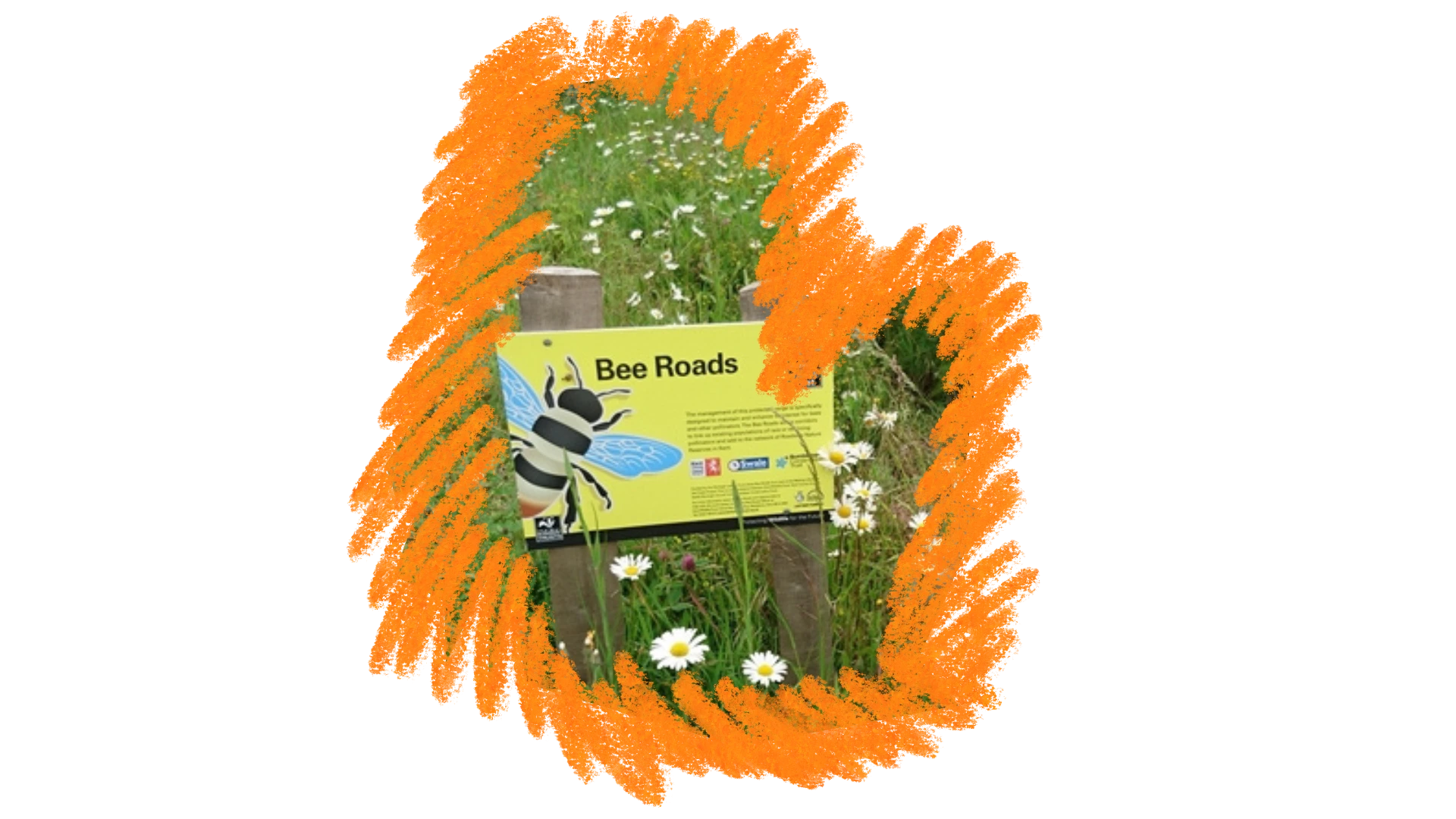
The "Bee Roads" project creates flower-filled paths connecting different areas so bees can travel safely between their favorite spots. Many schools and communities are creating "pollinator gardens" with native wildflowers that bloom at different times all year long.
Farmers are leaving strips of wildflowers around their fields and reducing harmful chemicals that can hurt insects. City rooftops are being turned into "bee highways" with specially planted flowers that provide food for urban pollinators
The "No Mow May" campaign encourages people to let their grass grow longer in spring so early flowers like dandelions can feed hungry bees.
The UK's bees, butterflies, and other pollinators are in trouble! About 1 in 10 wild bee species face extinction. Without these busy insects, we wouldn't have apples, strawberries, or many other foods. Modern farming and cities with fewer flowers mean pollinators struggle to find food. Climate change also confuses their natural timing - flowers might bloom before bees are ready, or after they've already finished looking for food.
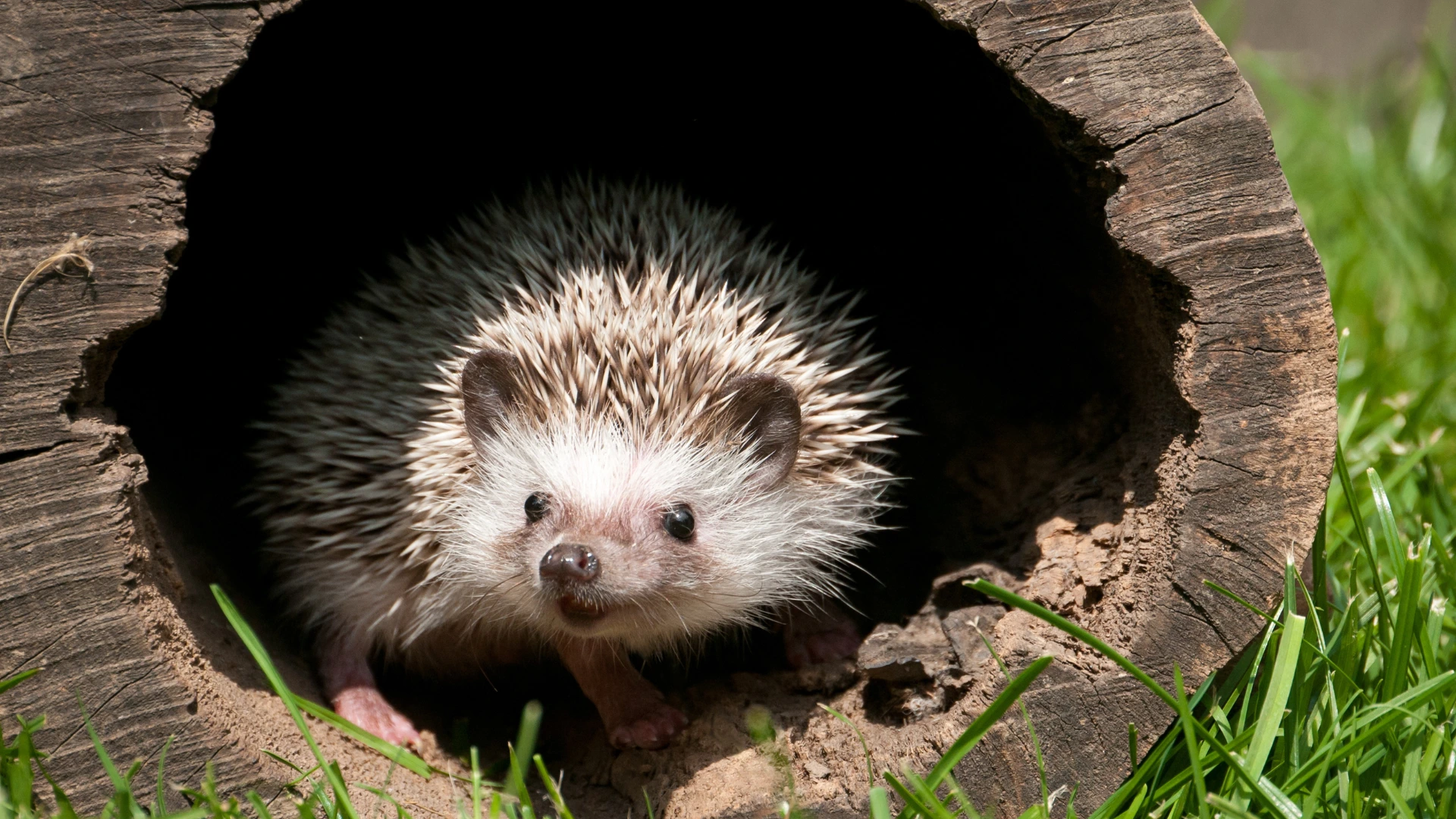
The UK is home to some amazing animals! From tiny hedgehogs to majestic red deer, British wildlife is special and needs our protection. Many animals that were once common are now rare because of habitat loss and climate change.

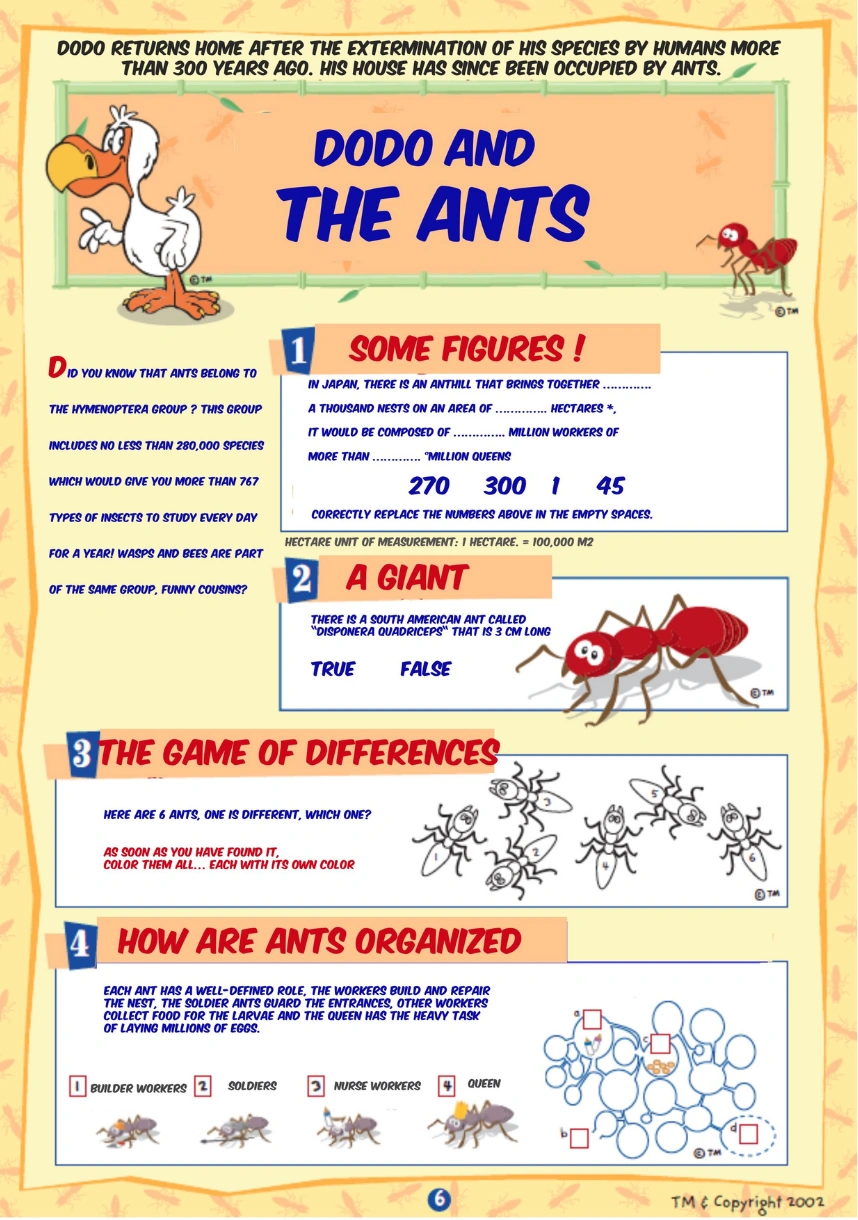

SUNx Malta is a not-for-profit organization dedicated to Climate Friendly Travel (Paris 1.5, SDGs, and Nature Positive tourism). Dodo4Kids is one of our educational initiatives, inspiring young travelers to explore the world responsibly through stories, activities, and gamified learning.
Vliertjeslaan 5, Overijse, Brussels, 3090, Belgium