
Climate change is making floods happen more often across Canada. When the air gets warmer, it can hold more water, which means heavier rain that fills up storm drains and rivers too fast. Places near the ocean get hit twice - from rising sea levels AND stronger storms that push water onto land.
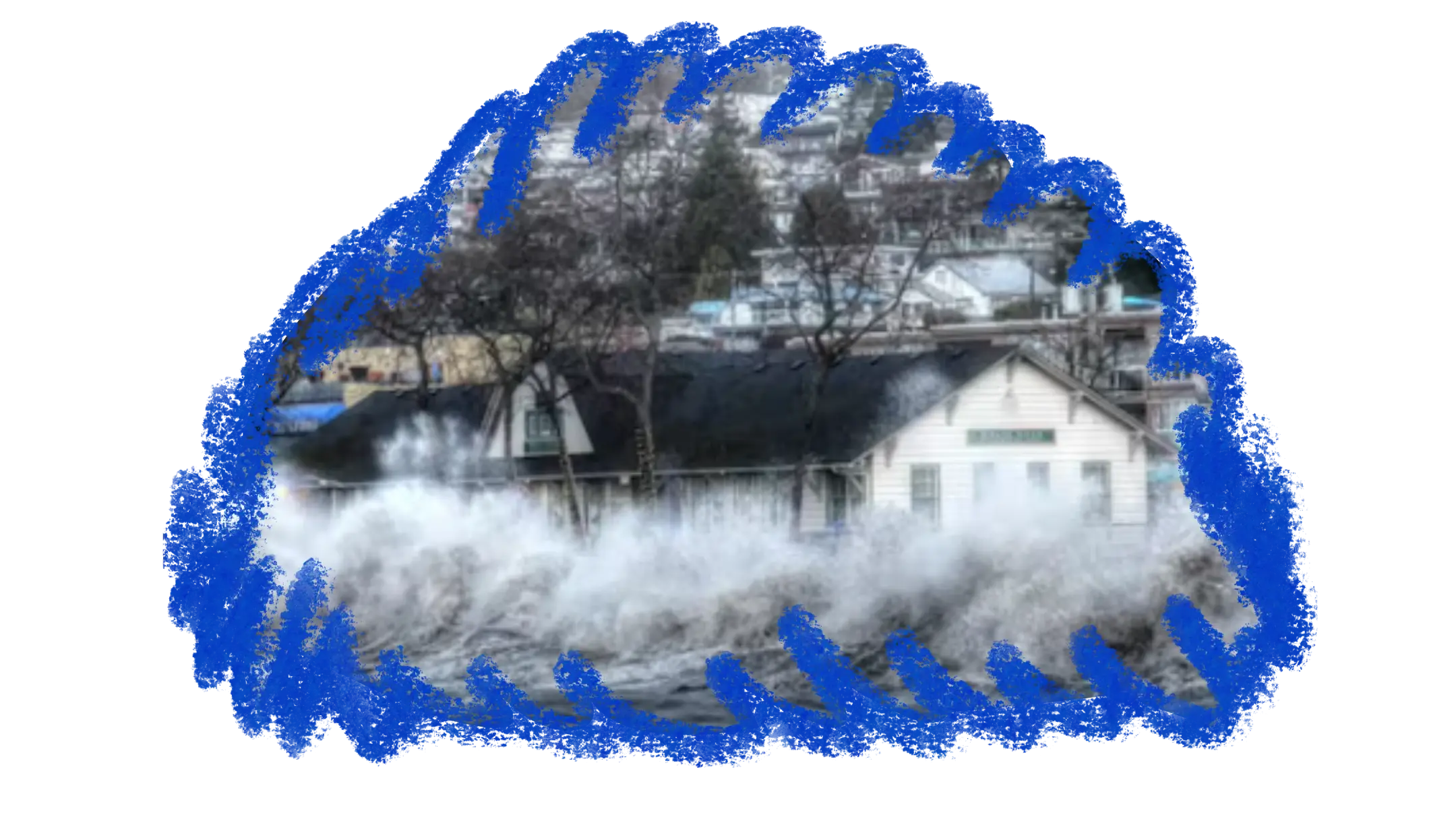
In 2021, British Columbia had such bad floods that communities got cut off when rivers overflowed and highways got washed away. Cities like Toronto and Montreal have had flash floods (when water rises super quickly) because too much rain falls too fast.
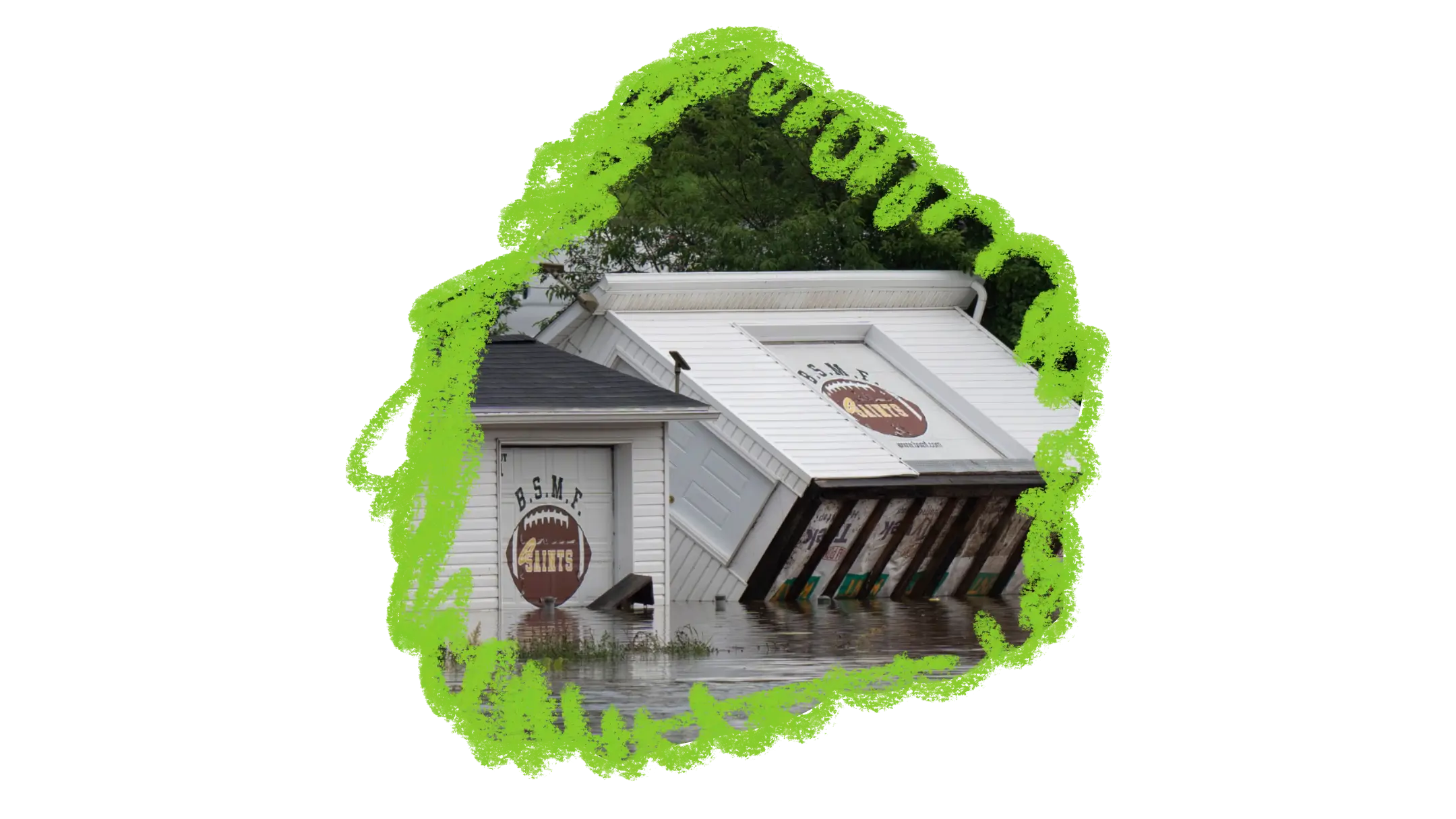
Canada is spending billions of dollars on flood protection - that means better storm drains, walls to stop flood water, and warning systems. Communities are making "green infrastructure" like parks and wetlands (wet, marshy areas) that can soak up extra water during storms.
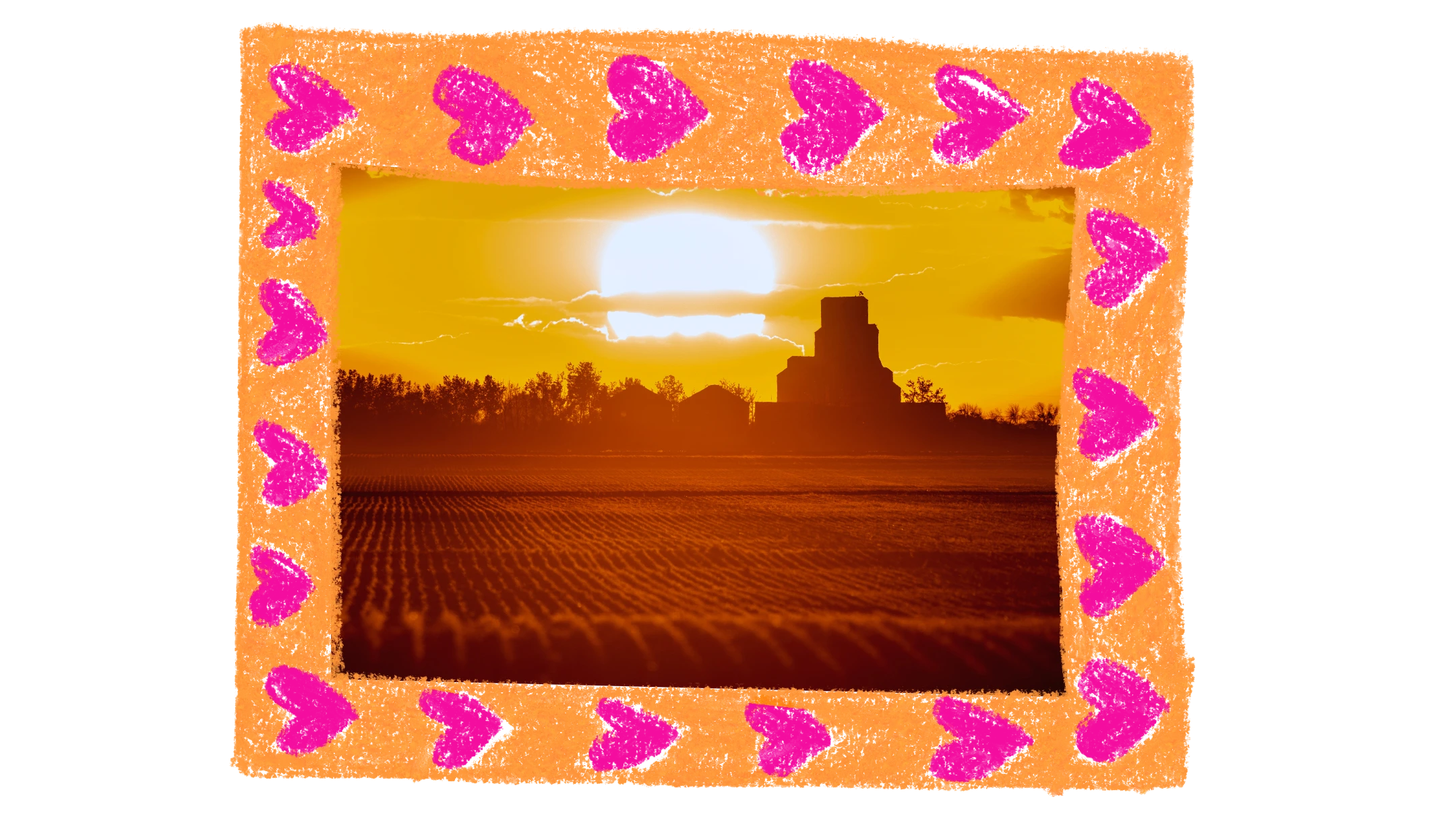
Canada has the world's longest coastline (the edge where land meets the ocean), and rising sea levels are threatening communities everywhere. Some parts of Atlantic Canada might see the ocean rise up to 1.6 meters by the year 2100. This means regular flooding during high tides, even when there are no storms!
The ocean is washing away beaches, cliffs, and even old lighthouses. In the really cold Arctic areas, the combination of rising seas and melting permafrost (ground that's supposed to stay frozen all the time) is causing coastlines to fall apart. This threatens Inuit communities (Indigenous people from the Arctic) whose families have lived by the sea for thousands of years.
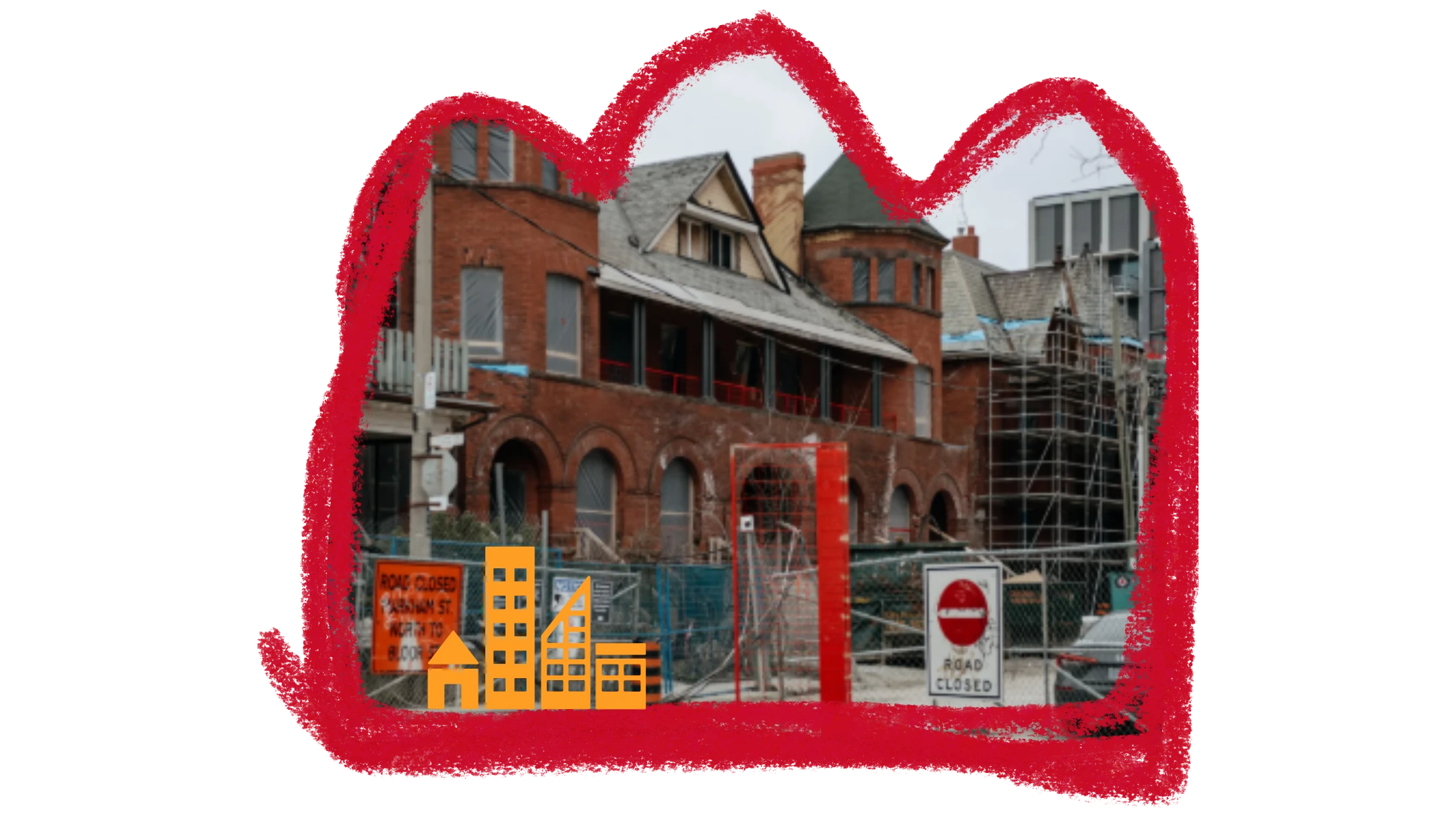
Communities are building "living shorelines" using natural things like rocks and plants that can live in salt water instead of concrete walls. Some coastal areas are planning "managed retreat" - carefully moving buildings away from places where the ocean might reach.
Some parts of Canada, especially the Prairie provinces (the flat, grassy middle parts) are having more times when it doesn't rain for a long time. This is called drought. In 2021, Saskatchewan's crop production fell by 47% because of the worst drought in almost 20 years!
Droughts don't just hurt farmers - they make wildfires more likely, reduce the amount of electricity made from water power, and can make drinking water dirty.
Canada made something called the Canadian Drought Monitor to watch for dry conditions across the country and warn communities early. Farmers are learning to grow plants that don't need as much water and install better watering systems.
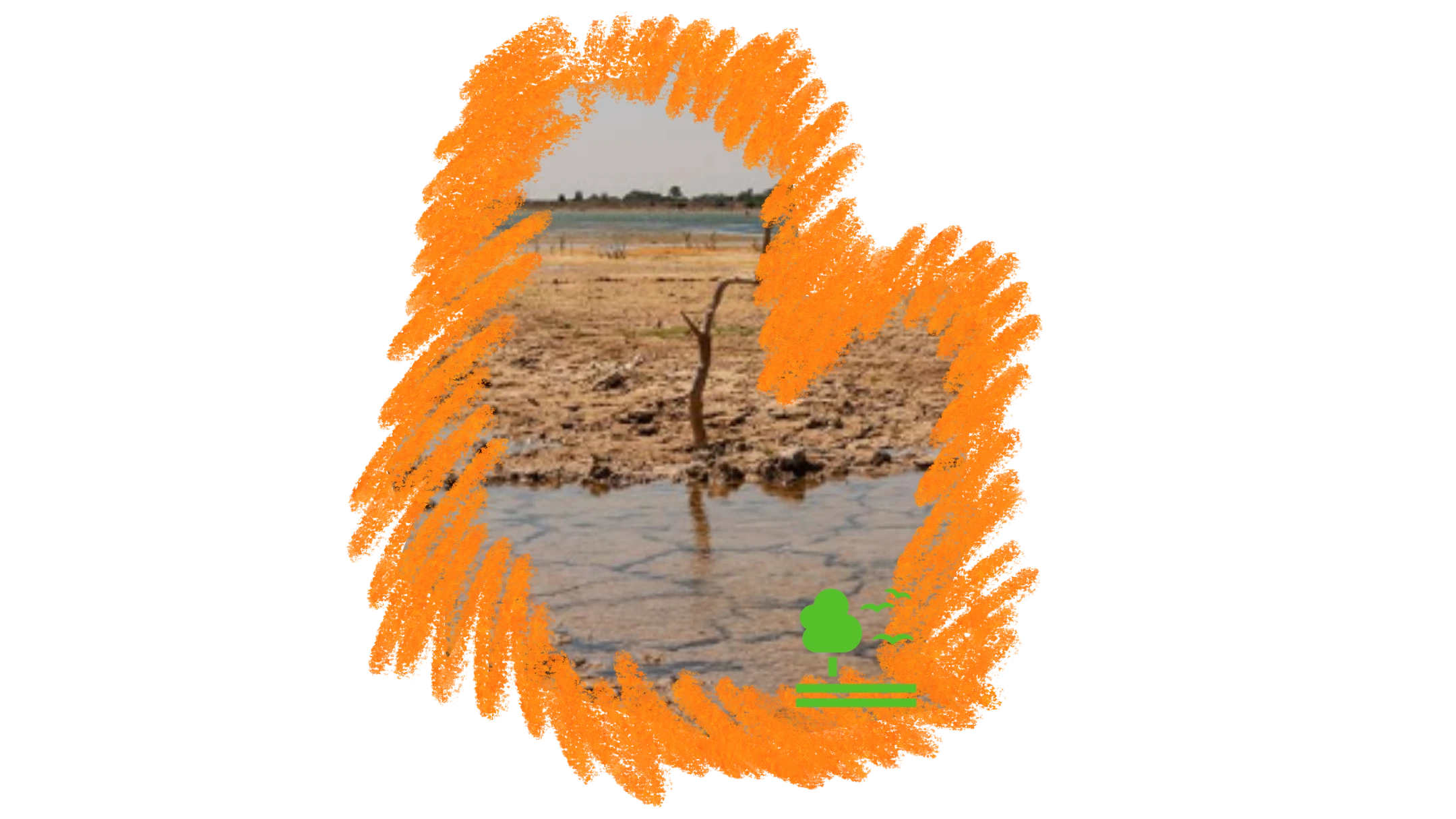
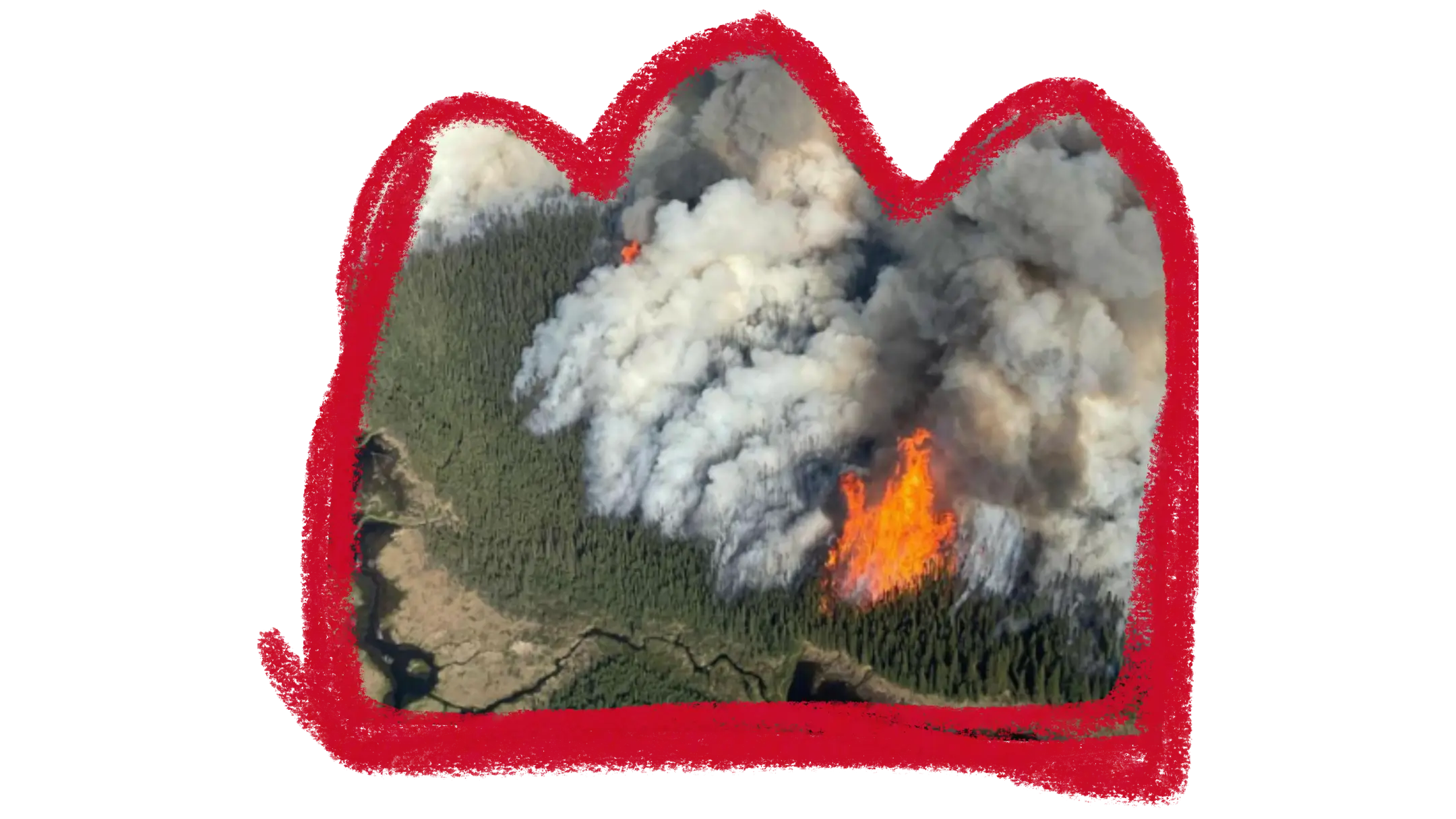
Canada's forests are burning more often and more intensely than ever before. Warmer, drier conditions make it easier for fires to start and spread quickly. The smoke from these fires can travel thousands of kilometers, making the air unhealthy to breathe even in cities far away from the flames.
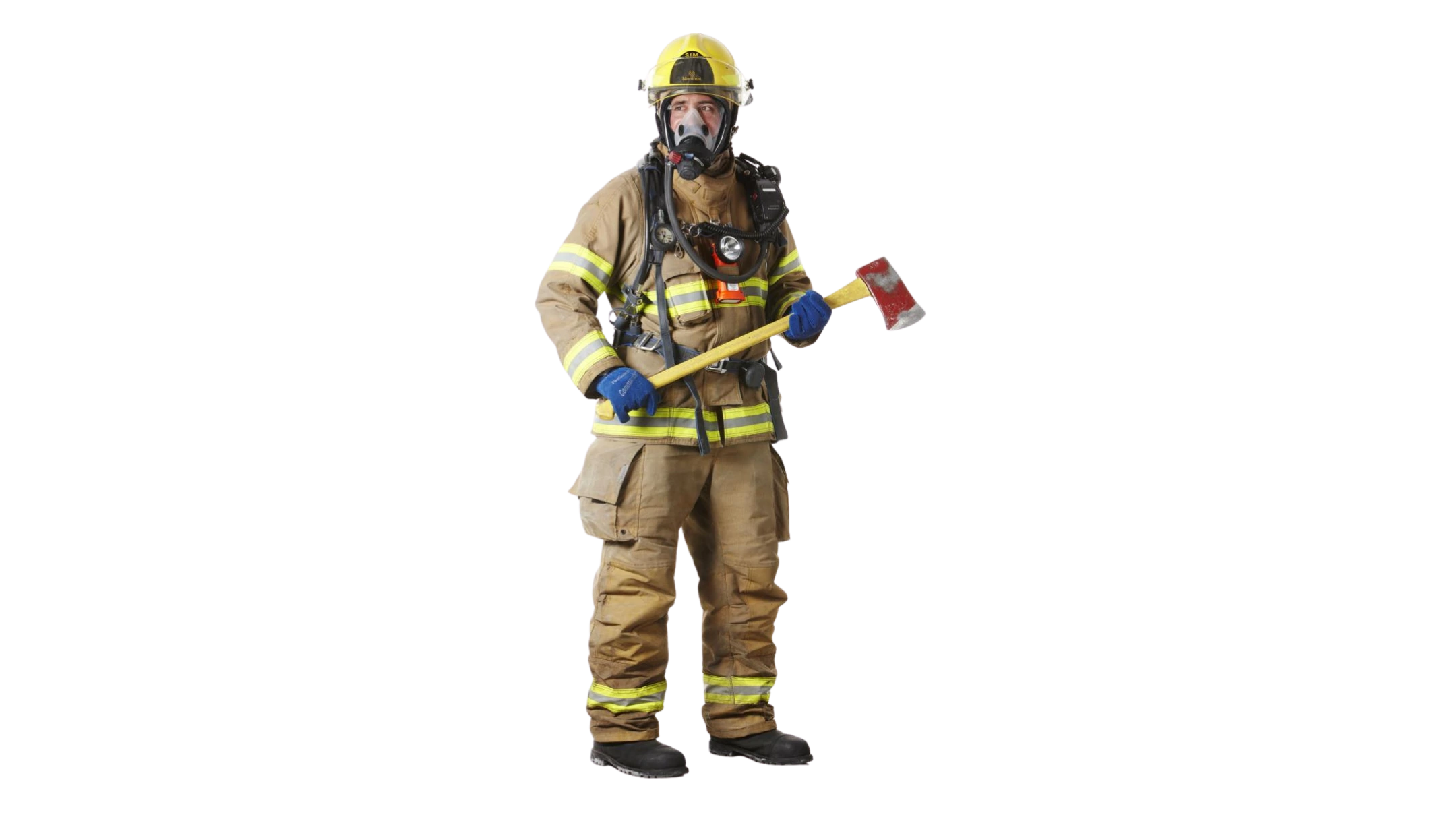
Canada is spending more money on better firefighting equipment, including airplanes that drop water on fires and early warning systems. Communities are creating "fire-smart" zones by clearing leaves and trees around homes. Scientists are working with Indigenous communities to learn traditional fire practices that have protected forests for thousands of years.
Canada also made the world's first super-fast weather system that can tell within one week how much climate change made a heat wave more likely! They send weather warnings right to people's phones through an app called WeatherCAN to help families stay safe.
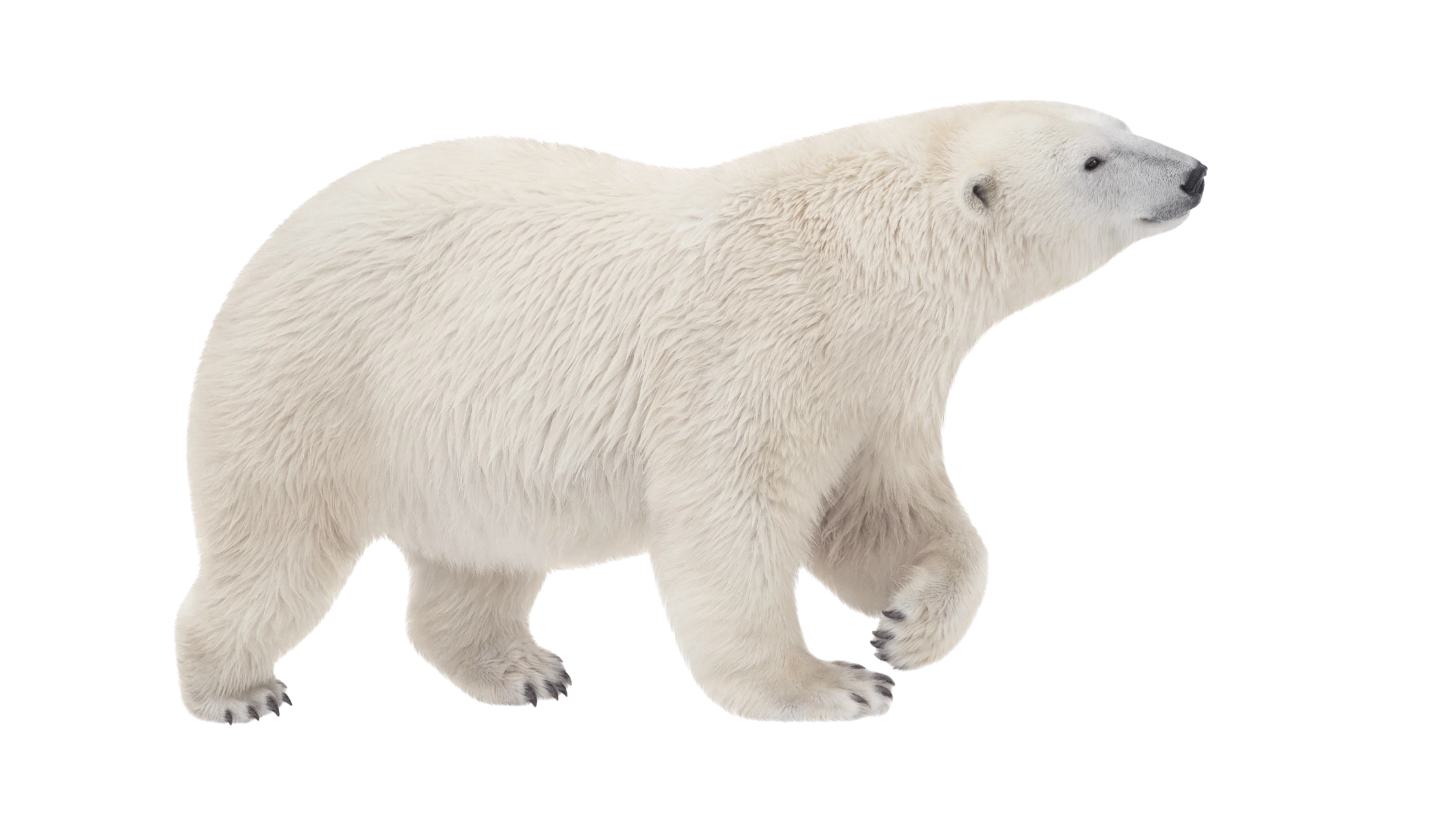
Canada's Arctic (the really cold part up north) is warming almost four times faster than the rest of the world! This is causing big changes. Sea ice that polar bears need for hunting is disappearing. Ancient permafrost is melting, which damages buildings and roads and releases greenhouse gases (invisible gases that make climate change worse) into the air.
Arctic communities are losing the routes they used for hunting and traveling because the ice is becoming dangerous and hard to predict.
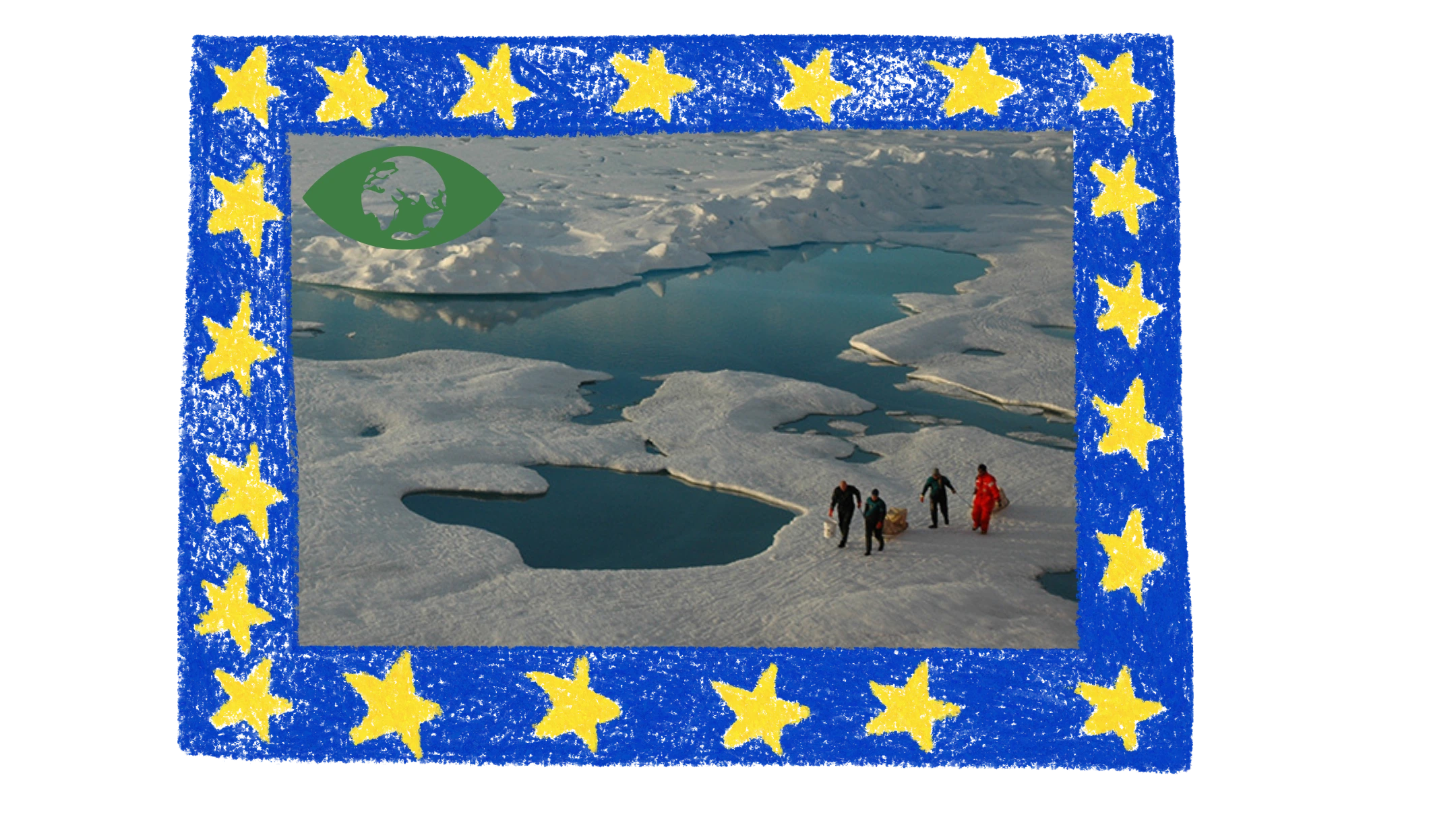
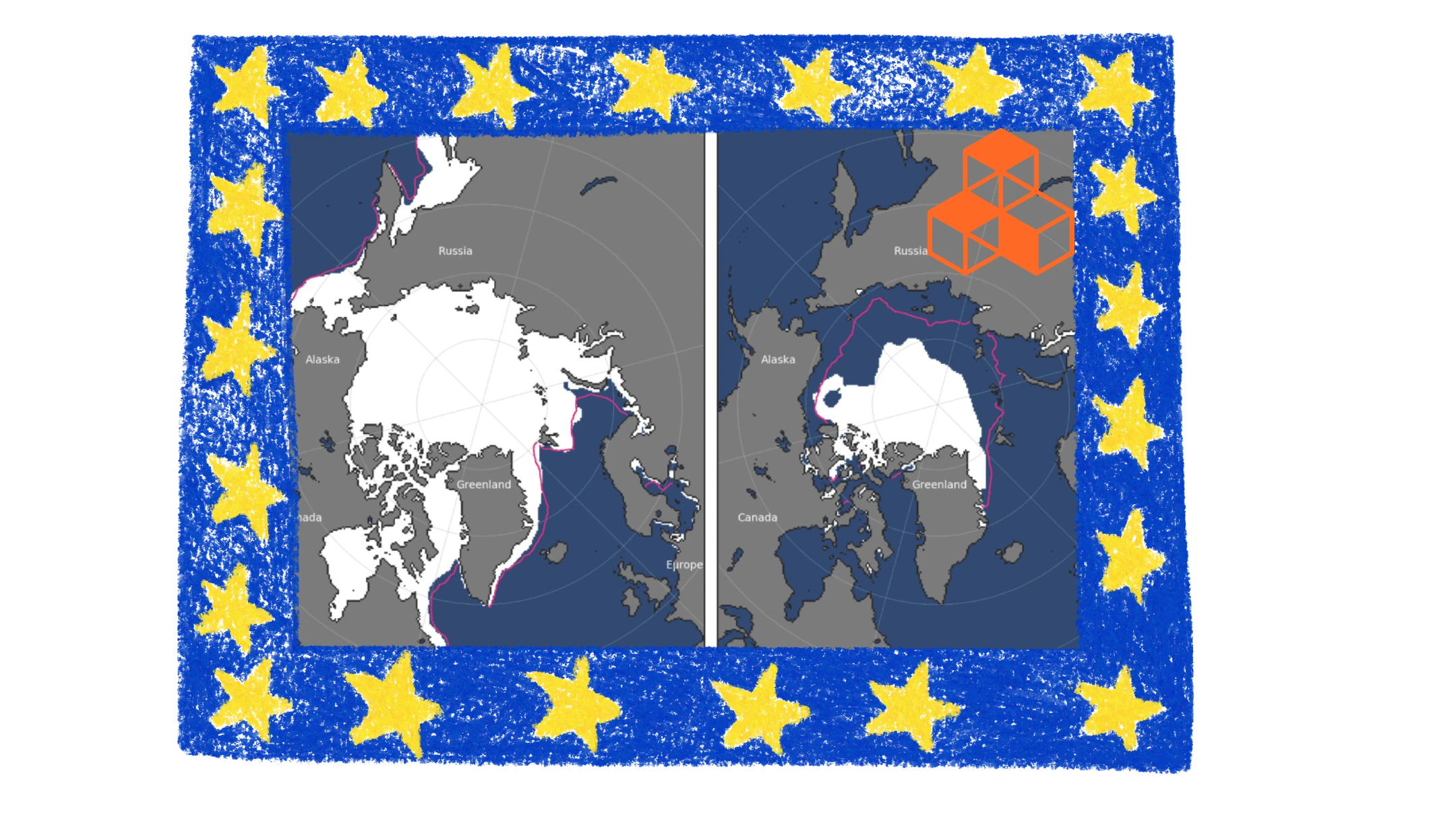
Indigenous communities are working with scientists to watch ice conditions and make new safety rules for traveling on changing ice. Canada is investing money to help northern communities get ready for climate change.



SUNx Malta is a not-for-profit organization dedicated to Climate Friendly Travel (Paris 1.5, SDGs, and Nature Positive tourism). Dodo4Kids is one of our educational initiatives, inspiring young travelers to explore the world responsibly through stories, activities, and gamified learning.
Vliertjeslaan 5, Overijse, Brussels, 3090, Belgium