

Wildlife Preservation Canada operates conservation breeding programs (helping animals have babies in safe places) to save species that might disappear forever. The government has invested over $2.3 billion in species recovery programs and habitat protection.
Canada has 841 species officially at risk of extinction (dying out forever) - that's like losing an entire zoo's worth of different animals and plants! Some animals like the North Atlantic right whale have fewer than 340 left in the entire world. Woodland caribou are disappearing so fast that only 15 of their 51 habitat areas (places where they live) have enough undisturbed forest for the herds to survive long-term.
Canada has lost 80% of its original wetlands (wet, marshy areas) around cities and 80% of its native prairie grasslands - that's like losing four out of every five natural spaces that wildlife call home! Southern Canada, where most people live, has lost most of its natural habitat to cities, farms, roads, and industry.
Habitat restoration projects are bringing back wetlands, replanting native prairie grasslands, and creating wildlife corridors (safe paths) that help animals move safely between protected areas.

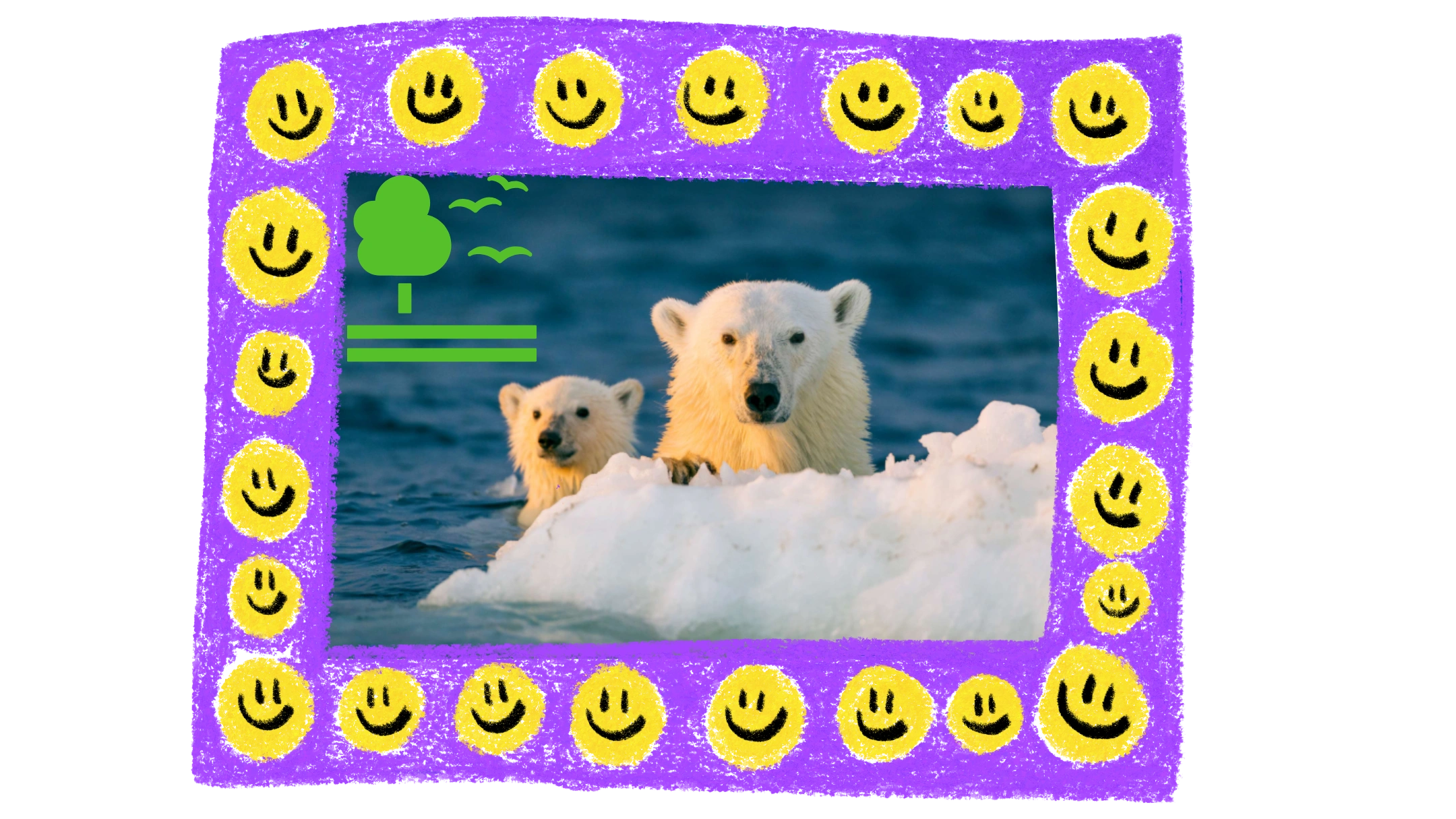
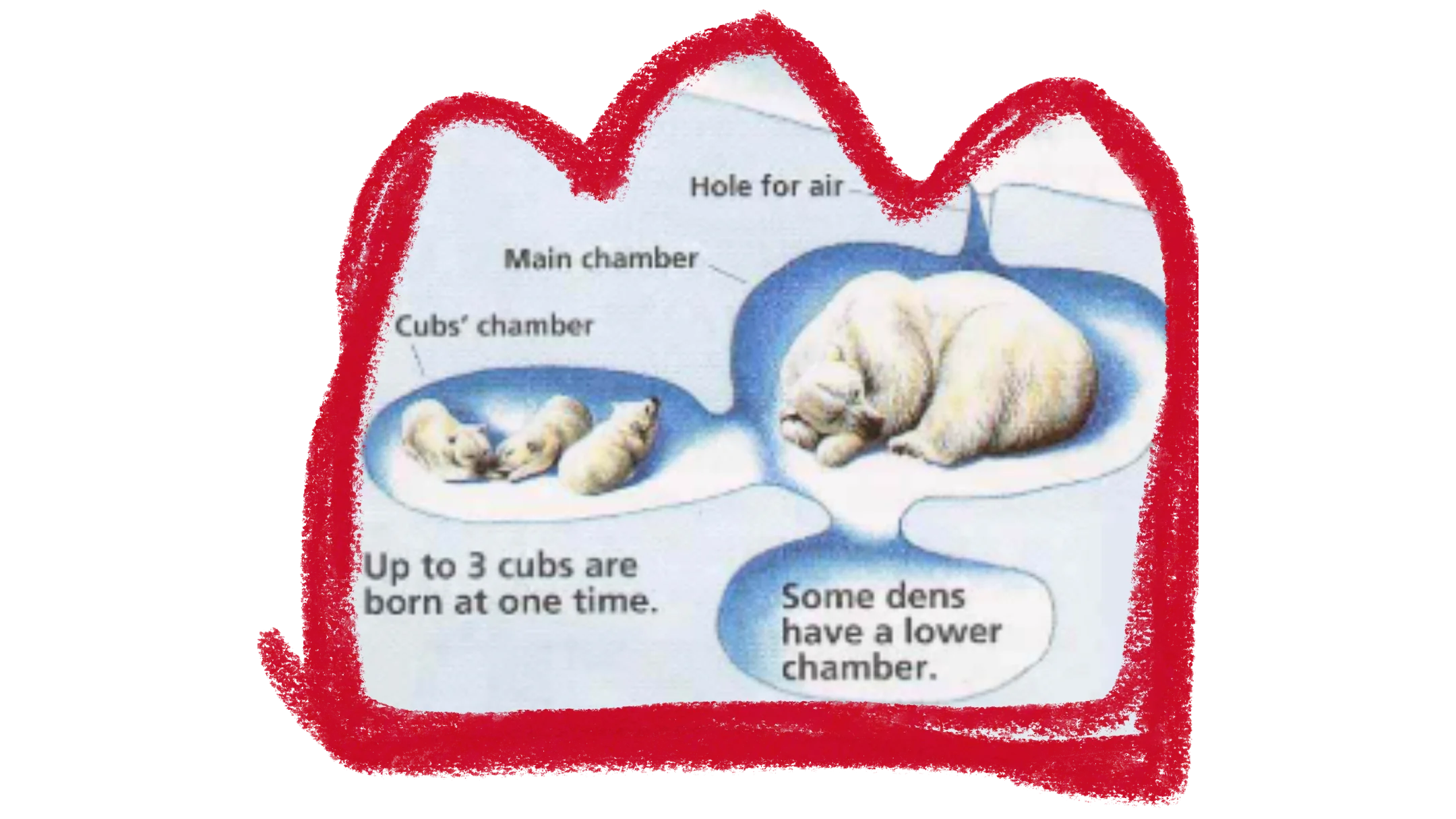
Scientists are mapping and protecting polar bear maternity dens (safe places where mother bears have their babies) to ensure mothers and cubs have safe places to survive the winter.
The Arctic is warming almost four times faster than the rest of the world, causing big changes that threaten Arctic wildlife. Sea ice that polar bears depend on for hunting is disappearing. Polar bears are struggling to find enough food, and some populations are getting smaller.
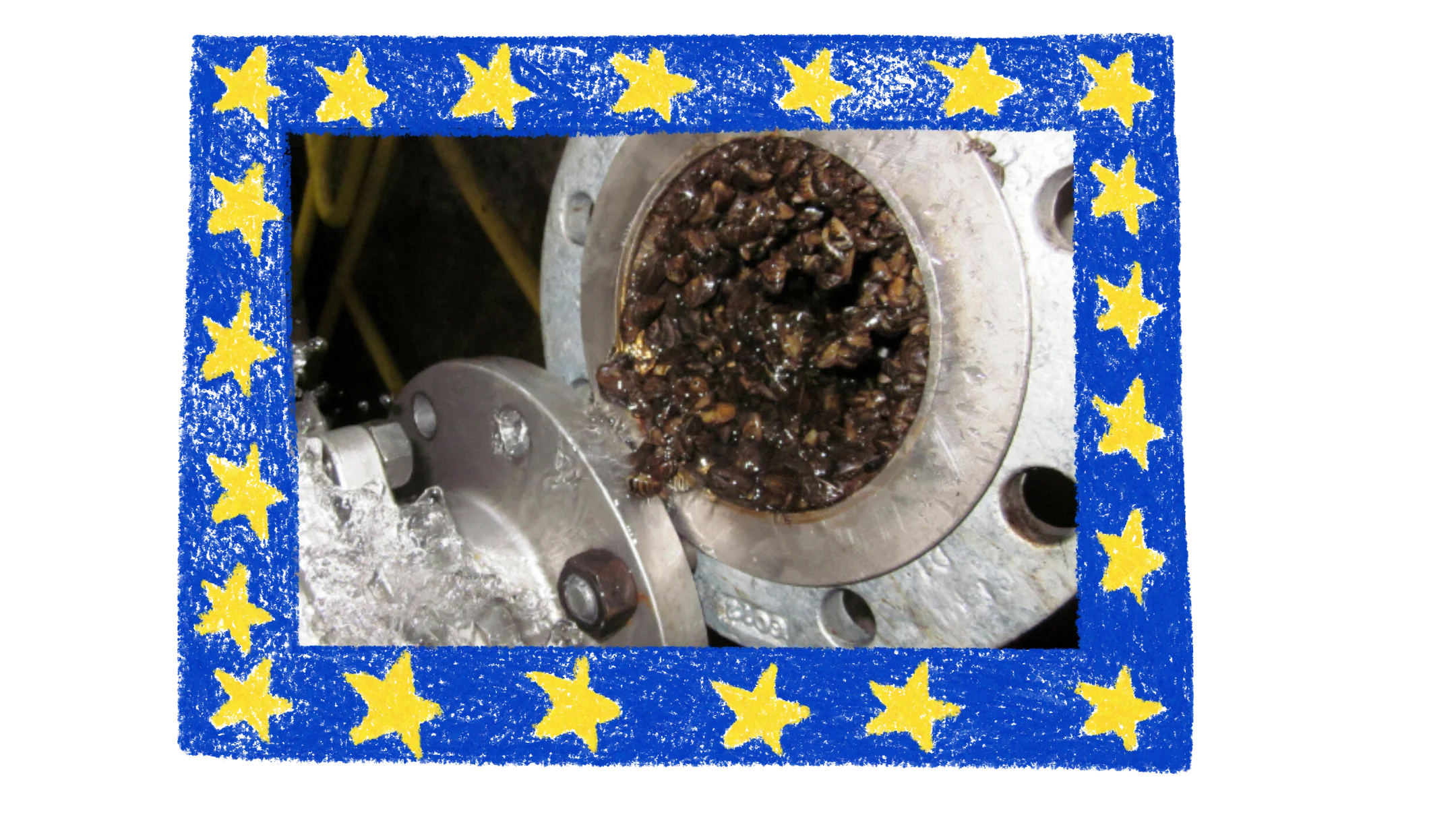
Non-native plants and animals that don't belong in Canada are taking over spaces from native species (plants and animals that naturally live there). Invasive zebra mussels clog water pipes and change entire lake ecosystems (all the living things in a lake working together). These invasive species often have no natural predators (animals that eat them) in Canada, so they can multiply rapidly.
Early detection programs help spot new invasive species before they spread everywhere. Community volunteers help remove invasive plants and report new invasions to scientists.
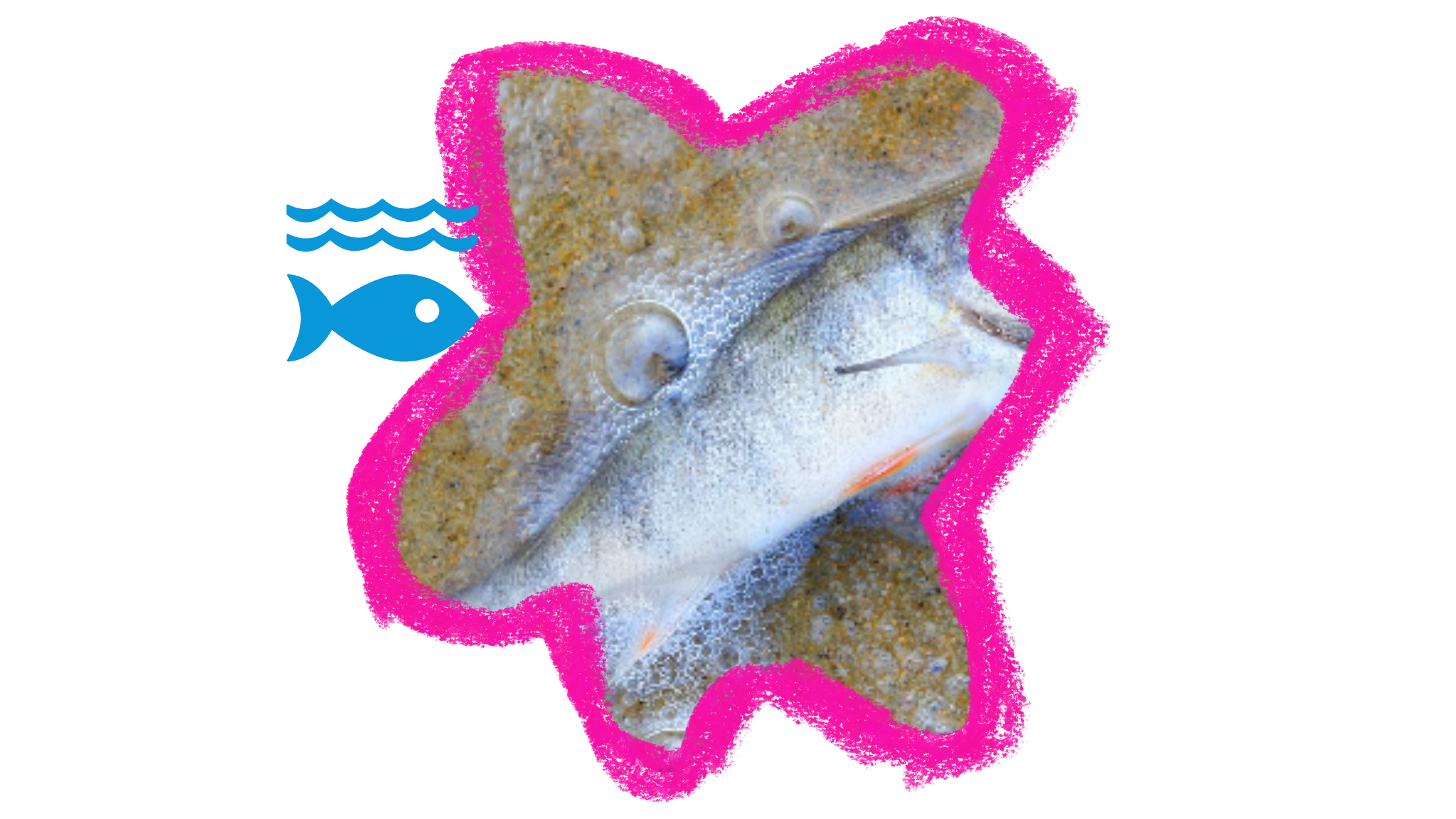
Pollution from chemicals and plastics is contaminating (making dirty) Canada's waterways and harming wildlife. Microplastics (tiny pieces of plastic) are found in fish, birds, and marine mammals throughout Canada's waters.
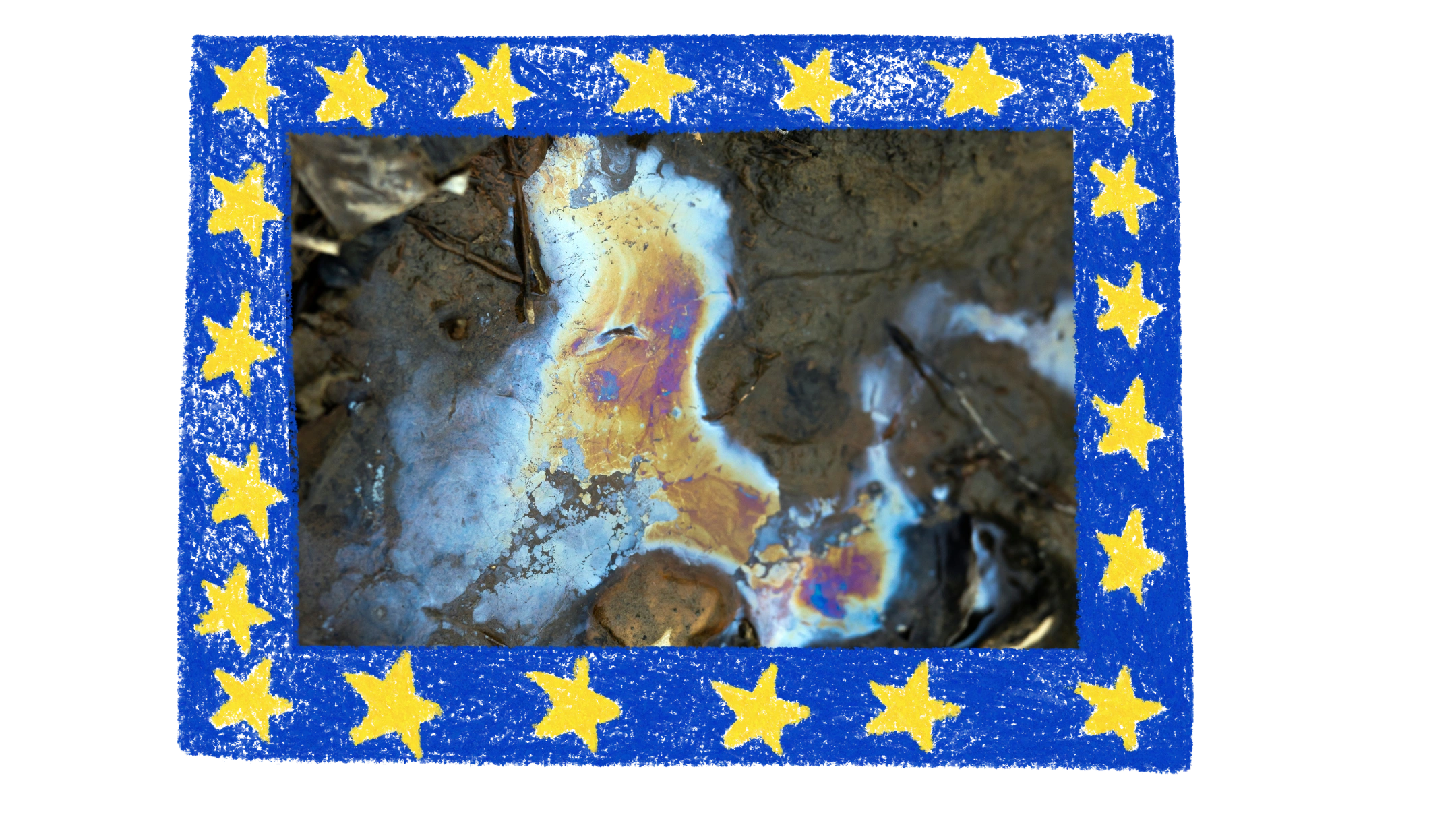
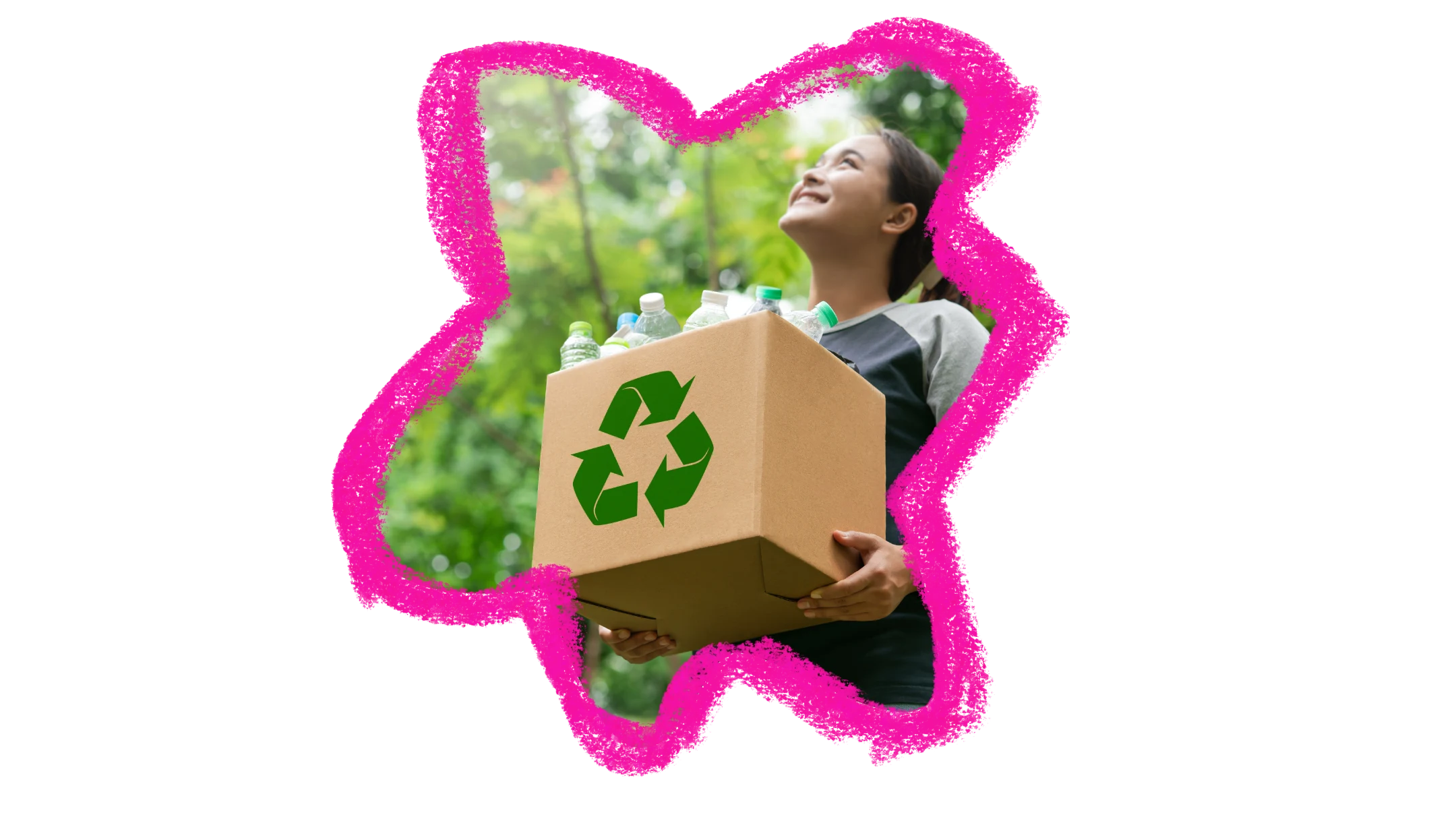
Stricter rules limit harmful chemicals that damage ecosystems (communities of living things). Community stream restoration projects engage volunteers in removing trash and planting trees along riverbanks. Recycling programs keep harmful materials out of natural areas.



SUNx Malta is a not-for-profit organization dedicated to Climate Friendly Travel (Paris 1.5, SDGs, and Nature Positive tourism). Dodo4Kids is one of our educational initiatives, inspiring young travelers to explore the world responsibly through stories, activities, and gamified learning.
Vliertjeslaan 5, Overijse, Brussels, 3090, Belgium