


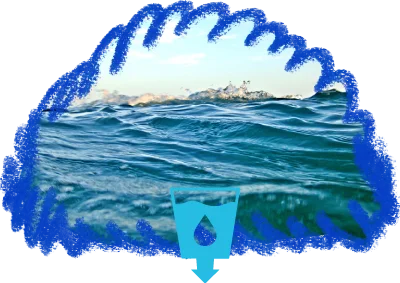
Rising sea levels are a big concern for Malta. As the planet warms, ice caps melt and oceans expand, causing the sea to rise.
Beaches like Għadira Bay and Ramla Bay could shrink or disappear completely in the future.
Important coastal towns and historic sites, like the walled city of Mdina or the Grand Harbour area, face risks of flooding and damage from stronger storms.
Malta is getting warmer faster than many other countries. Summers are becoming hotter and longer, making it harder to enjoy the outdoors.
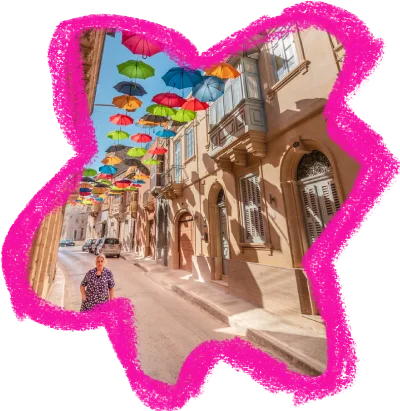
Extreme heat could shorten Malta’s peak tourist season, with fewer visitors wanting to explore in the sweltering heat.
High temperatures make it harder to grow traditional crops like grapes and tomatoes.
When it’s too hot, people use more air conditioning to stay cool, which increases the demand for electricity. During heatwaves in 2023 and 2024, Malta experienced power blackouts because the electricity system couldn’t handle the extra use. Hotels and restaurants suffered as fridges, air conditioning, and other systems stopped working.
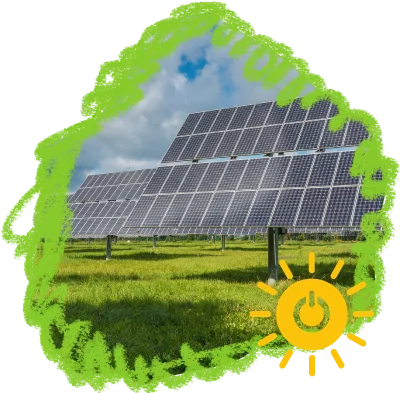
Most of Malta’s energy comes from burning fossil fuels like oil and gas, which pollutes the air and makes climate change worse. More people visiting Malta also means more energy is used.
Electric Buses: Malta is adding more buses that run on electricity, reducing pollution in cities.
Car-Free Zones: Streets in places like Valletta encourage walking and cycling instead of driving.
Tree Planting: More trees are being planted in towns to provide shade, cool the air, and absorb pollution.
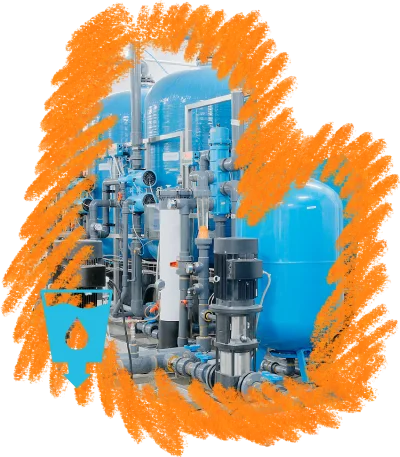
Water scarcity means there isn’t enough water to go around. Malta doesn’t have rivers or big lakes like other countries, so most of its drinking water comes from a special process called desalination.
Desalination plants take salt out of seawater to make it drinkable. It’s like a giant water filter that makes sea water safe for people to use. Malta relies on desalination plants because there isn’t enough fresh water underground.
Malta is one of the most water-scarce countries in Europe, meaning it has very little freshwater. Hotels and tourists use much more water than local families, which puts extra stress on the water supply. Even though desalination helps, it uses a lot of electricity and can harm the environment.



SUNx Malta is a not-for-profit organization dedicated to Climate Friendly Travel (Paris 1.5, SDGs, and Nature Positive tourism). Dodo4Kids is one of our educational initiatives, inspiring young travelers to explore the world responsibly through stories, activities, and gamified learning.
Vliertjeslaan 5, Overijse, Brussels, 3090, Belgium