
India has more than 2,000 different groups of people and over 700 languages - imagine if your school had 700 different ways to say "hello"!
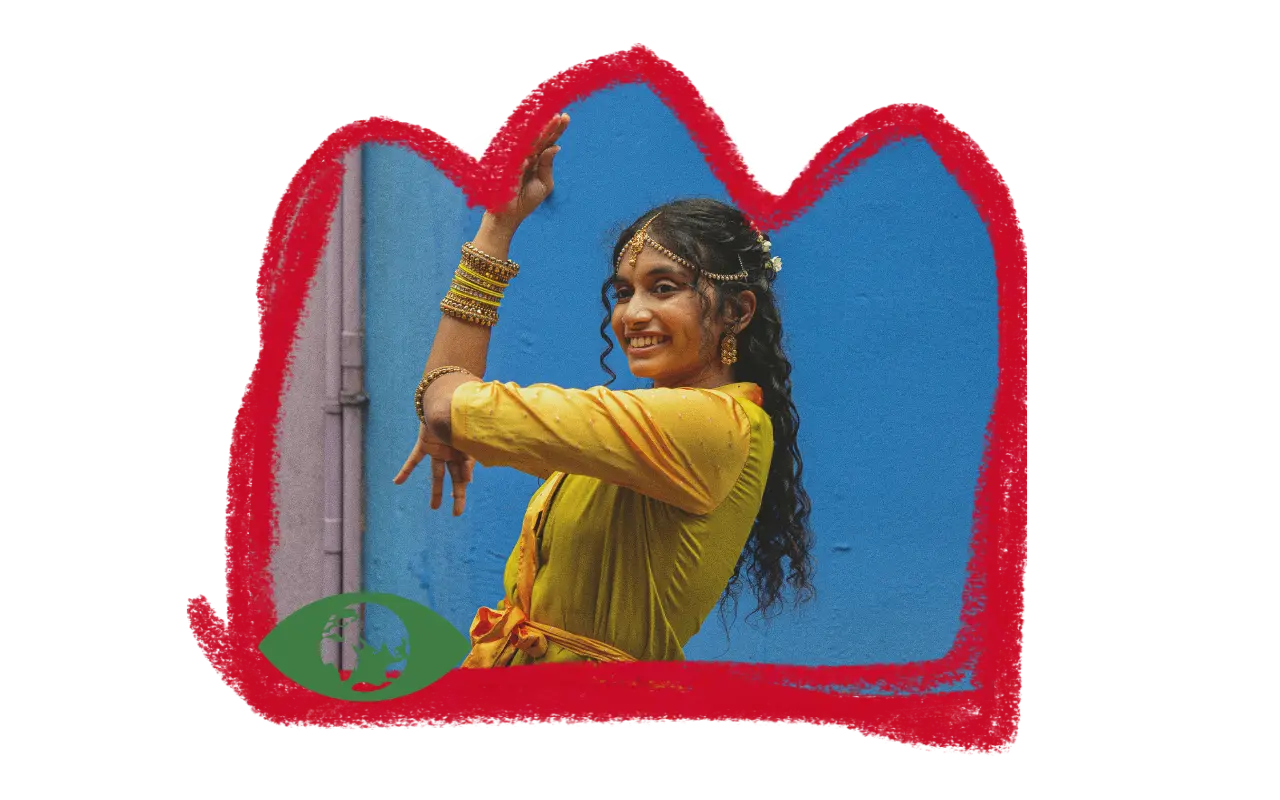
Indian dancers tell stories with their hands and faces - it's like acting without words! Bollywood movies have catchy songs that mix old drums called "tabla" with modern music.
Different states have different dances - like Punjab's fun "bhangra" where people bounce their shoulders!
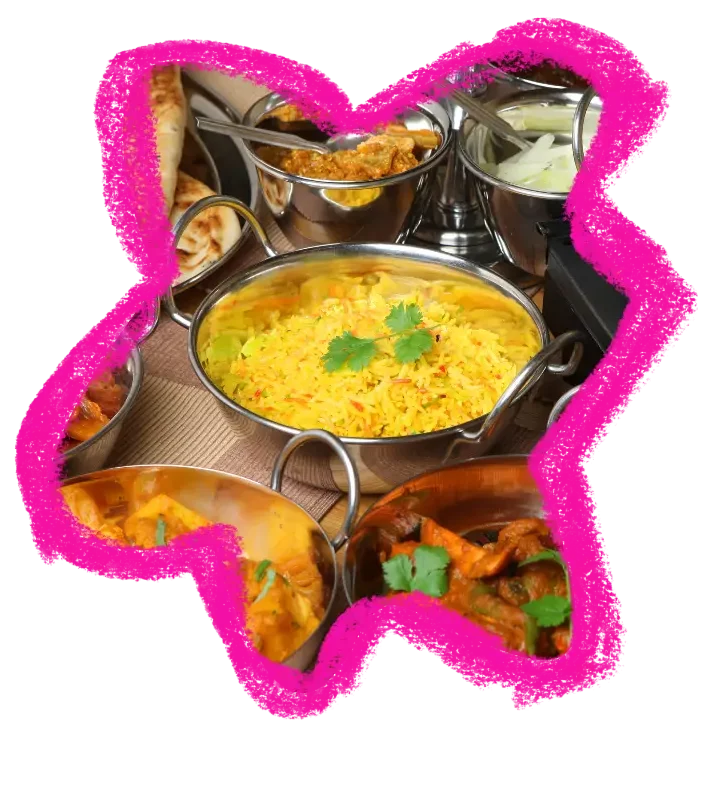
Kids in the south eat lots of rice, while kids in the north eat more wheat bread called "roti." Almost every meal has "dal" - that's like a yummy soup made from beans!
Indian children love "samosas" - crispy triangular snacks stuffed with spicy potatoes, and "kulfi" - it's like ice cream but even creamier!
Many Indian families don't eat meat because they believe in being kind to all animals. This actually helps the Earth too because growing vegetables uses less water and makes less pollution than raising animals for food!
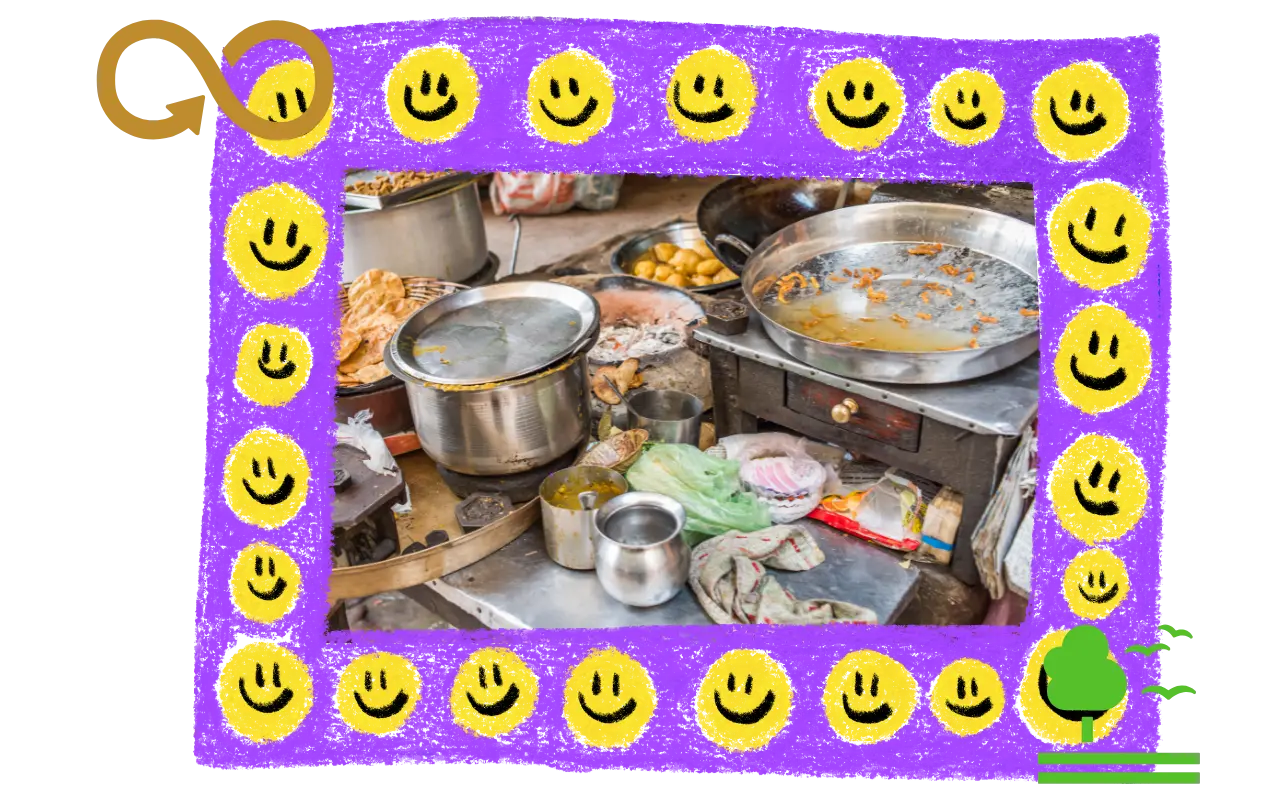
Most people in India (88 out of 100!) still cook by burning wood, which means cutting down trees. Hotels need tons of electricity and sometimes use loud, smelly generators that pollute the air.
India is making the world's BIGGEST switch to clean energy! They want enough clean electricity for 500 million homes by 2030 using sun and wind instead of coal!
The government has "FREE ELECTRICITY" - putting solar panels on 10 million house rooftops! In 10 months, they already put panels on 700,000 homes. Some hotels are putting solar panels on their roofs too!
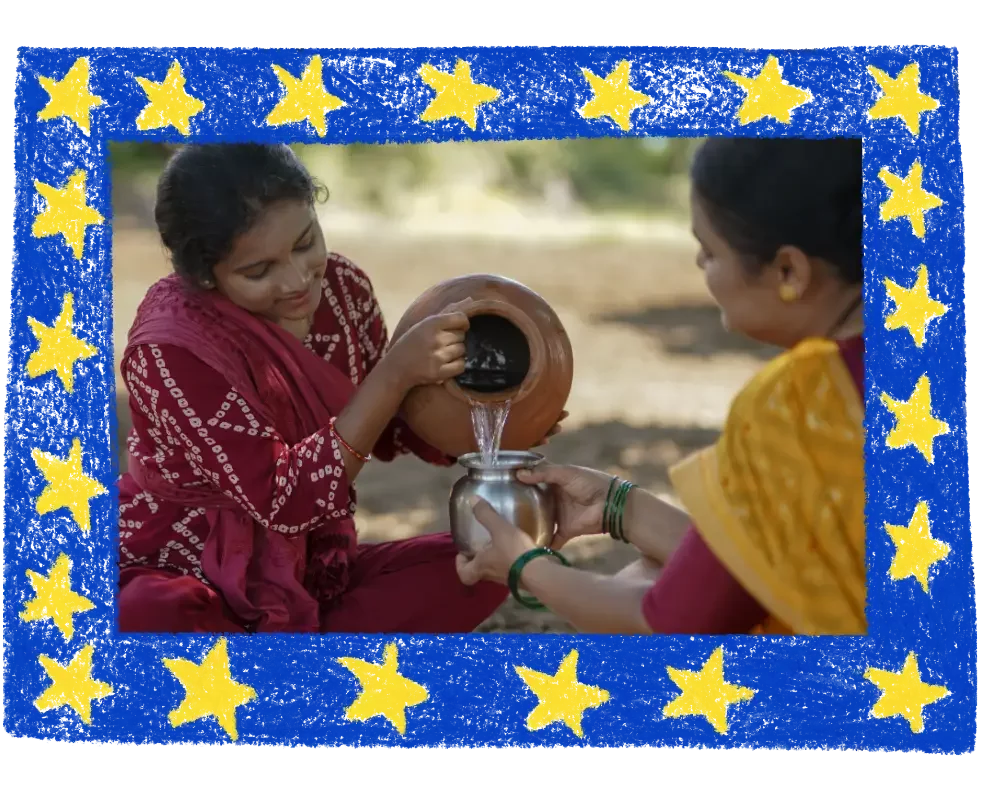
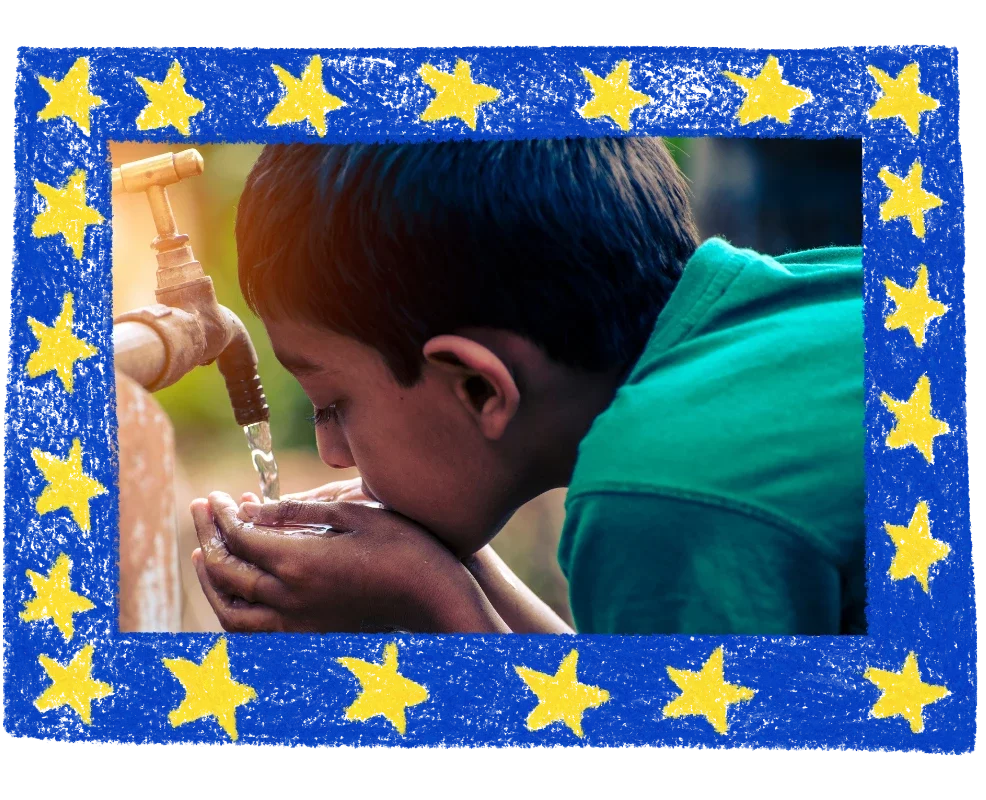
In many parts of India, people don't have clean water to drink or proper toilets. About 600 million people face water shortages! This makes it hard for families to stay healthy and for children to go to school.
Tourism areas need lots of clean water for hotels and restaurants, which can sometimes make the problem worse for local people.
In 2019, India launched "Jal Jeevan Mission" - a huge project to bring clean drinking water pipes to 146 million households in 700,000 villages by 2024!
The government also started programs to build millions of toilets in villages through the "Clean India Mission." Tourism money is helping fund better water systems and health centers in areas where tourists visit.
India's tourism strategy makes sure hotels share water resources fairly with local communities and use water-saving technology.
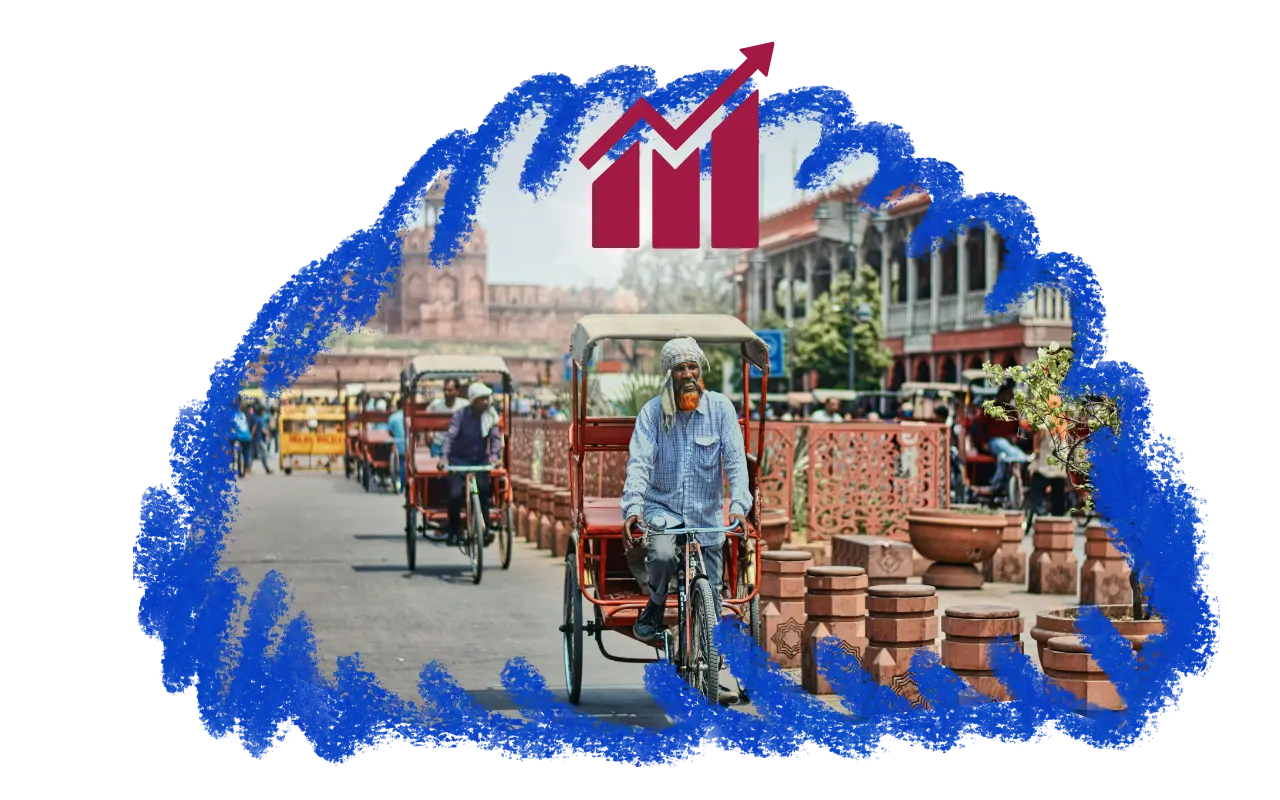
Tourism gives jobs to 42 million Indians - that's 1 out of every 33 working people! The government wants 53 million tourism jobs by 2029.
But many people haven't learned tourism skills, and it's harder for women and village people to get these jobs.
India created "From Skills to Jobs" - special schools teaching young people to be tour guides, work in hotels, or start tourism businesses!
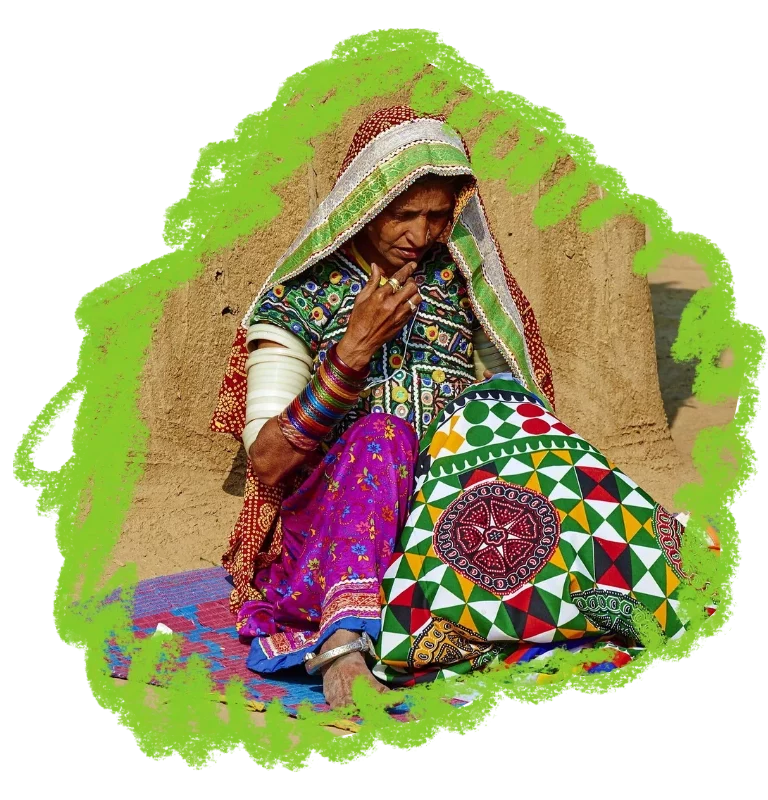
Local artists and craft makers now connect with tourists who want to learn about Indian culture. When tourists visit famous places, part of the money helps build schools and hospitals in nearby villages!



SUNx Malta is a not-for-profit organization dedicated to Climate Friendly Travel (Paris 1.5, SDGs, and Nature Positive tourism). Dodo4Kids is one of our educational initiatives, inspiring young travelers to explore the world responsibly through stories, activities, and gamified learning.
Vliertjeslaan 5, Overijse, Brussels, 3090, Belgium