



India experienced record-breaking temperatures in 2024! Some places reached 50°C (122°F) - that's scorching enough to cook an egg on the sidewalk!
Delhi had its warmest night EVER at 35.2°C (95.4°F). That's so sweltering that people couldn't sleep properly! Over 40,000 people got sick from heat stroke, and sadly, more than 3,000 people died because the temperatures were just too extreme. When it gets this blazing, schools have to close and people can't work outside safely.
Cities like Delhi and Mumbai get extra steamy because all the concrete buildings and roads trap heat like a giant oven.
India is building special "cooling centers" where people can go for free when temperatures get dangerous - like giant air-conditioned rooms for everyone! They're planting millions of trees to make shade and cool down cities. The India Meteorological Department (IMD) now warns people on TV and phones when dangerous heat waves are coming so families can stay inside and drink lots of water. India's National Strategy for Sustainable Tourism also requires new tourism buildings to use designs that stay cooler naturally and encourages renewable energy at tourist destinations.
Delhi's air pollution is so bad that breathing it is like smoking cigarettes every day! In 2024, Delhi only had 1 day with clean air - that means 364 days were unhealthy to breathe!
The pollution gets so thick in winter that it's like living inside a dirty cloud. Sometimes the air quality number goes over 700 - that's super dangerous! Cars, factories, and farmers burning crop leftovers all make the air dirty.
On the worst days, you literally can't see buildings just a few blocks away because of all the smog in the air.
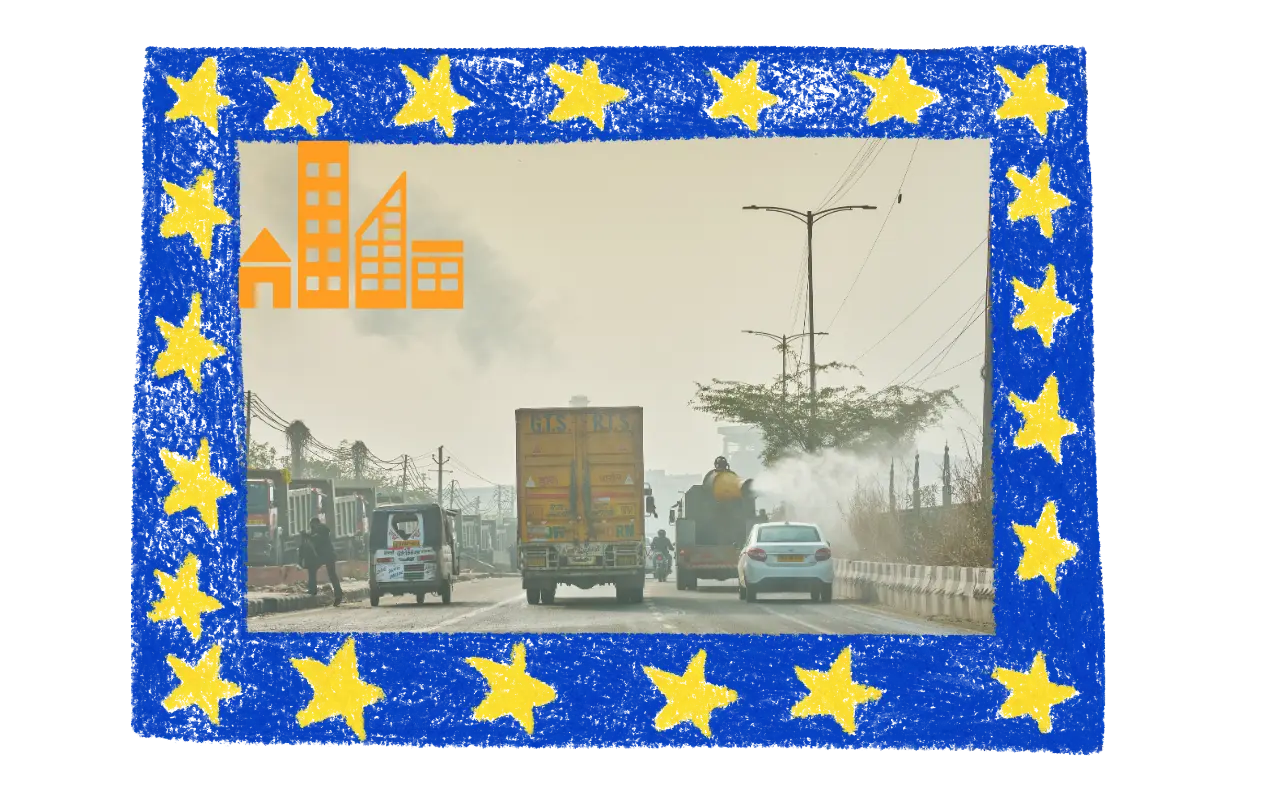
India created the Commission for Air Quality Management to monitor pollution levels every day. When air gets really bad, they stop older cars from driving and close some factories.
They're bringing in electric buses that don't pollute the air. Starting in 2025, cars older than 15 years won't be allowed to buy gas anymore! Schools give out masks and air purifiers to help kids breathe better.
India depends on monsoon rains like we depend on the school cafeteria - if it doesn't work right, everyone's in trouble!
But climate change is making the rains super weird. In the last 10 years, some places got way more rain than usual (55% of areas!), while others got much less (11% of areas). 31% of places now get 4 or more extra days of really heavy rain each year.
When the rains don't come at the right time, farmers can't grow enough food. But when too much rain comes all at once, it causes floods that wash away houses and schools!
India is building huge tanks to save rainwater for when they need it later - like giant piggy banks but for water! Farmers are learning to grow different crops that don't need as much water. The India Meteorological Department uses satellites and advanced weather technology to predict when the rains will come so people can get ready.
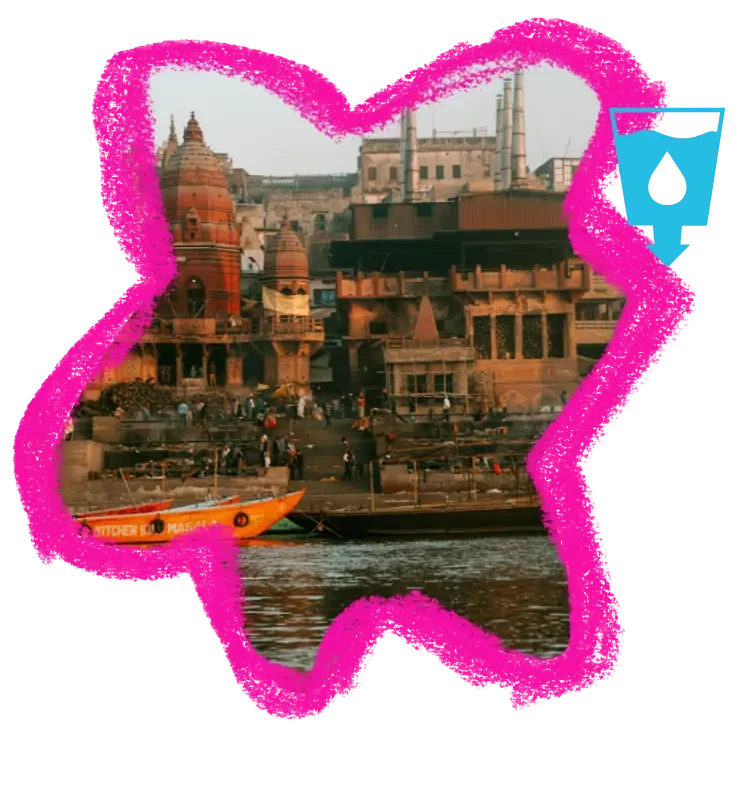
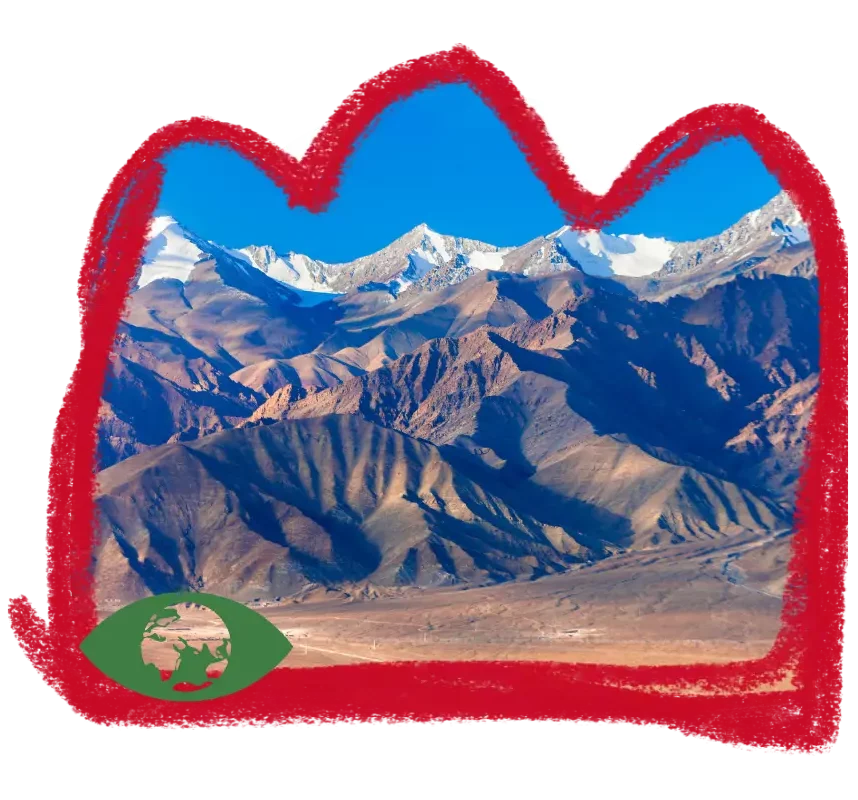
The huge ice glaciers in India's Himalayan mountains are melting super fast because the Earth is getting warmer!
These glaciers are like giant ice cubes that feed India's biggest rivers - the Ganges, Brahmaputra, and Indus. Almost 2 billion people (that's 1 out of every 4 people on Earth!) depend on water from these melting glaciers for drinking, farming, and electricity.
Scientists say that if we don't stop climate change, up to two-thirds of these ice glaciers could completely melt away by 2100! Some villages in places like Ladakh are already being abandoned because their water sources dried up.
India built a special research station called 'Himansh' high up in the mountains to study how fast the glaciers are melting. They're teaching mountain communities how to save water and grow crops that need less water. They're also working with other countries to share the rivers and make sure everyone gets enough water.






SUNx Malta is a not-for-profit organization dedicated to Climate Friendly Travel (Paris 1.5, SDGs, and Nature Positive tourism). Dodo4Kids is one of our educational initiatives, inspiring young travelers to explore the world responsibly through stories, activities, and gamified learning.
Vliertjeslaan 5, Overijse, Brussels, 3090, Belgium