


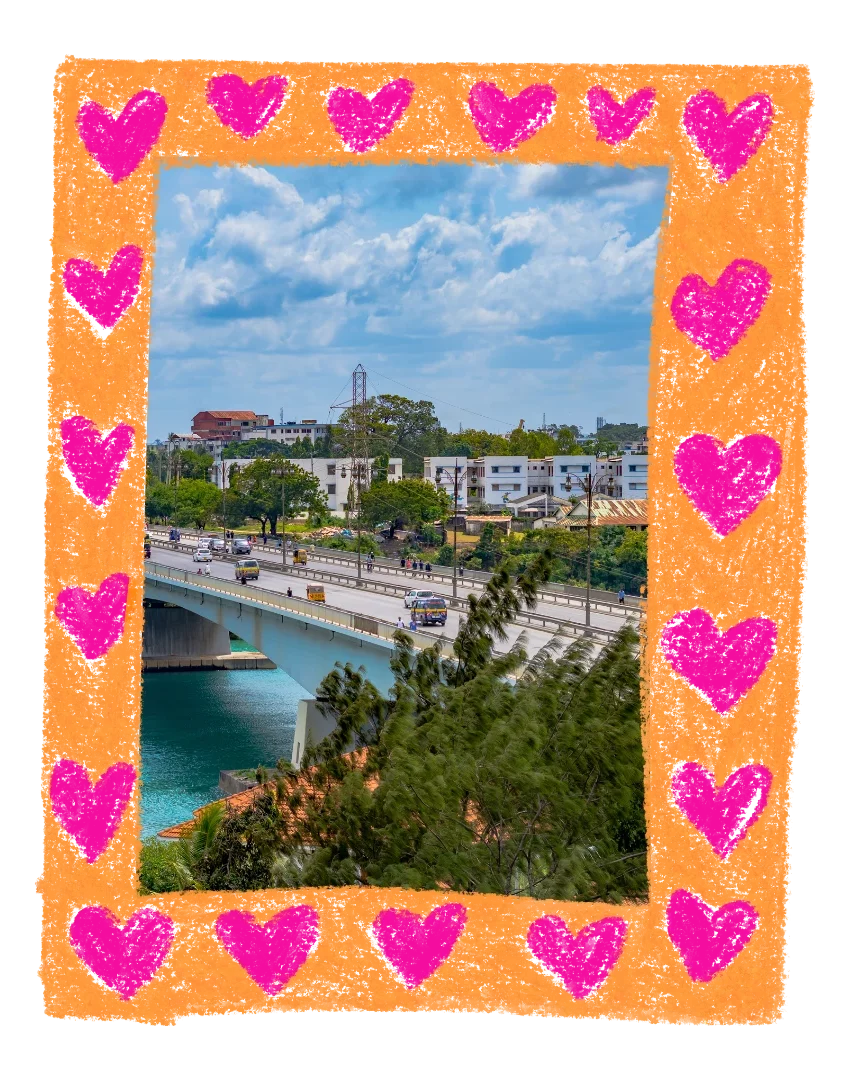

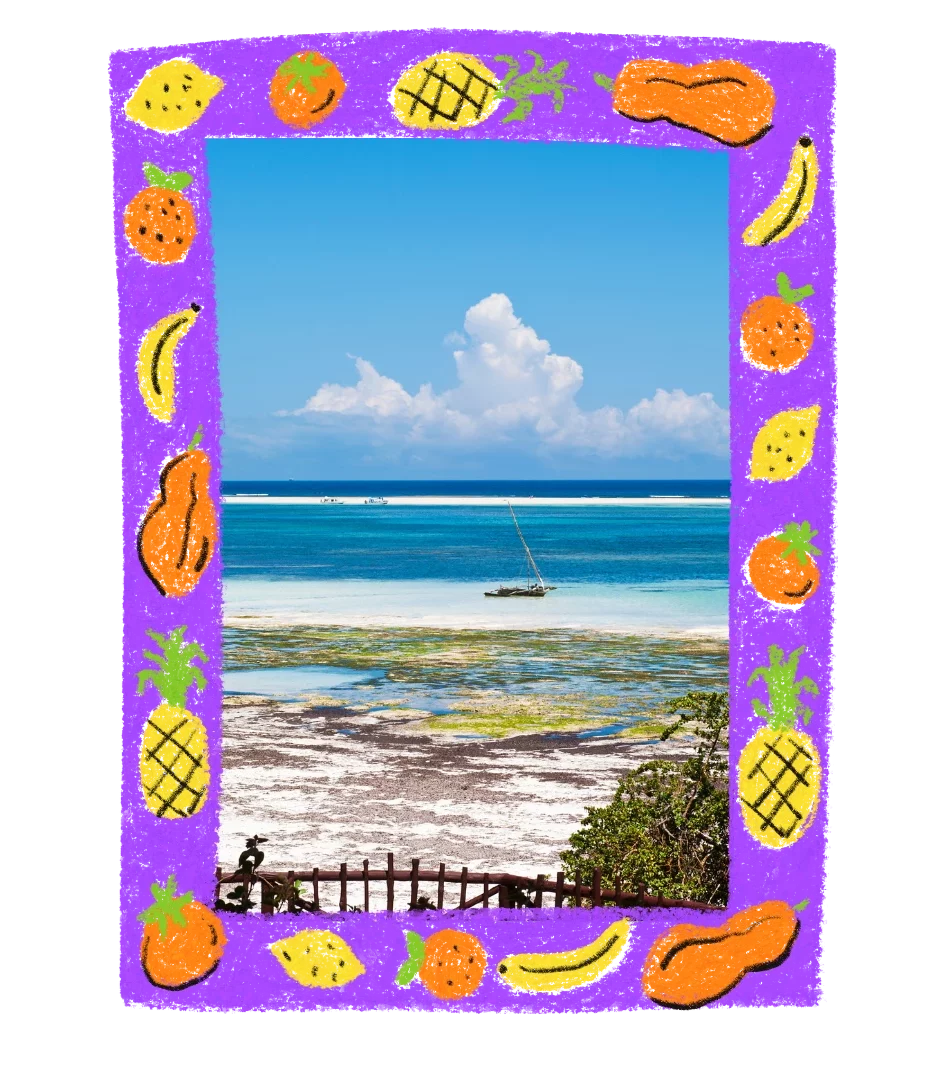
Kenya's beautiful coast is under attack from rising seas! Sea levels around Mombasa are rising by 3.8 millimeters every year, and scientists warn that with just 0.3 meters of sea-level rise, 17% of Mombasa could be underwater - that's like flooding 6,900 soccer fields in Kenya's second-largest city and biggest port!
The scary numbers:
Kenya is fighting back like ocean superheroes! Communities are replanting mangrove forests that can absorb more carbon than any other tree species in coastal areas. These "superhero trees" act as natural sea walls, protecting beaches from erosion. Through the Mikoko Pamoja project, Kenya pioneered the world's first community-led mangrove conservation project where villages get paid for protecting these vital forests - kind of like getting an allowance for taking care of nature!
Tourism companies are building sea walls and putting sandbags on beaches during high tide season to protect their properties. Hotels and resorts are taking new protective measures they've never had to use before.
Kenya gets hit by both devastating droughts AND catastrophic floods - sometimes in the same year! Between 1990 and 2020, Kenya experienced 16 major droughts, affecting nearly 53 million people (that's more people than live in all of South Korea!). It's like when you can't decide if you want it to be sunny or rainy, except the weather gets confused and gives Kenya too much of both!
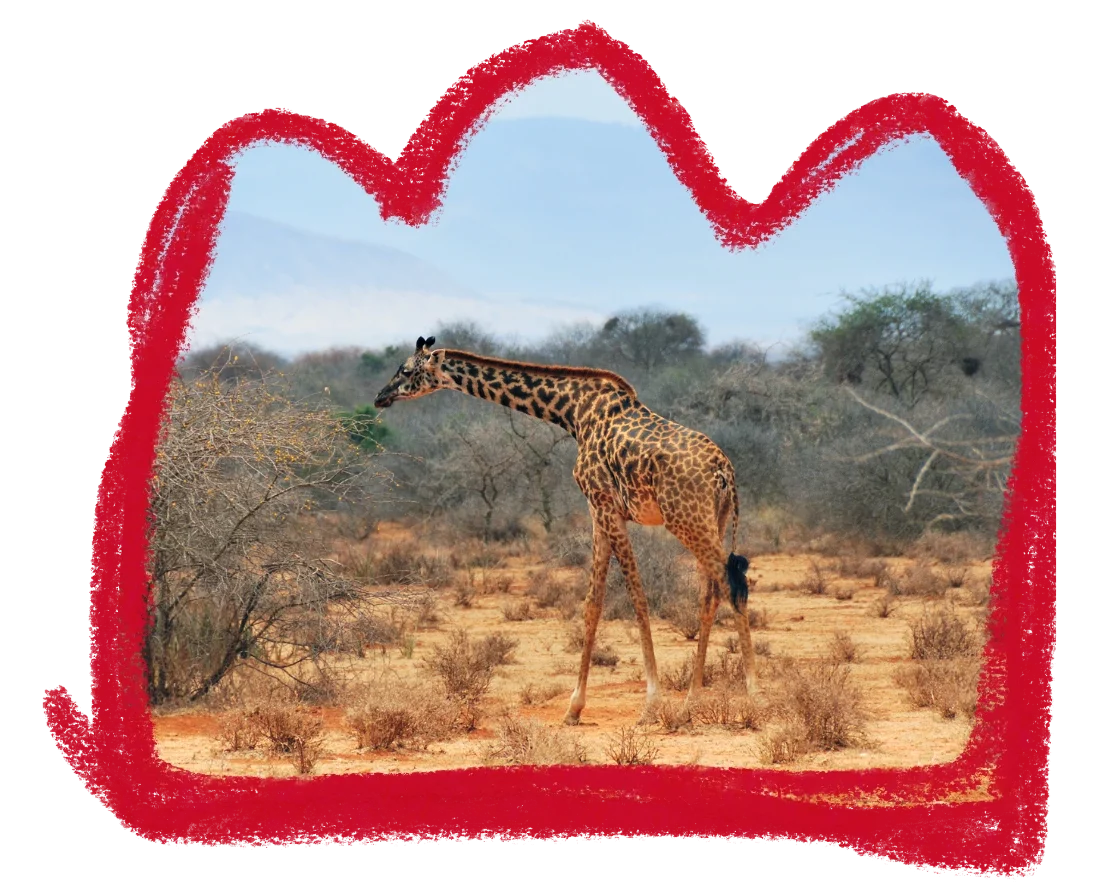
Kenya launched a specific $34 million project called "Towards Ending Drought Emergencies" to help 620,000 people in eleven counties and restore land the size of 750,000 soccer fields! The government is working with local communities to set up early warning systems and teach farmers new techniques for surviving droughts and floods.
Communities are creating "Community Forest Associations" that plant tree nurseries and learn kitchen gardening. Kenya is also pioneering the use of AI technology (smart computer programs) that work with NASA satellites to track how well tree-planting projects are working - like having a super-smart assistant that can see from space whether the trees are growing!
Kenya is heating up fast, making it dangerous for people to work outside and much harder to grow food. Temperatures are projected to increase by 1.7°C by the 2050s, and 3.5°C by the end of the century - that's like adding several extra summer days every year!
The hot facts:
Kenya is becoming a renewable energy superstar! Almost all of Kenya's electricity (90%) now comes from clean sources like sun, wind, and underground heat, with underground heat power making up nearly half of all electricity. The country is also launching an incredible tree-planting mission: planting 15 billion trees by 2032 and having trees cover 30% of the country by 2050 - that's triple the previous goal!
Scientists are developing drought-resistant crops and helping farmers learn new techniques to cope with changing weather patterns.

Kenya needs massive investment to fight climate change. The country needs $65 billion by 2030 to protect itself from climate change, but without taking action, Kenya could lose huge amounts of money and 1.1 million more people could become poor by 2050.
Despite producing less than 0.1% of the world's pollution that causes climate change, Kenya is leading Africa in climate action - proving that even the countries that pollute the least can be the biggest heroes in fighting climate change!
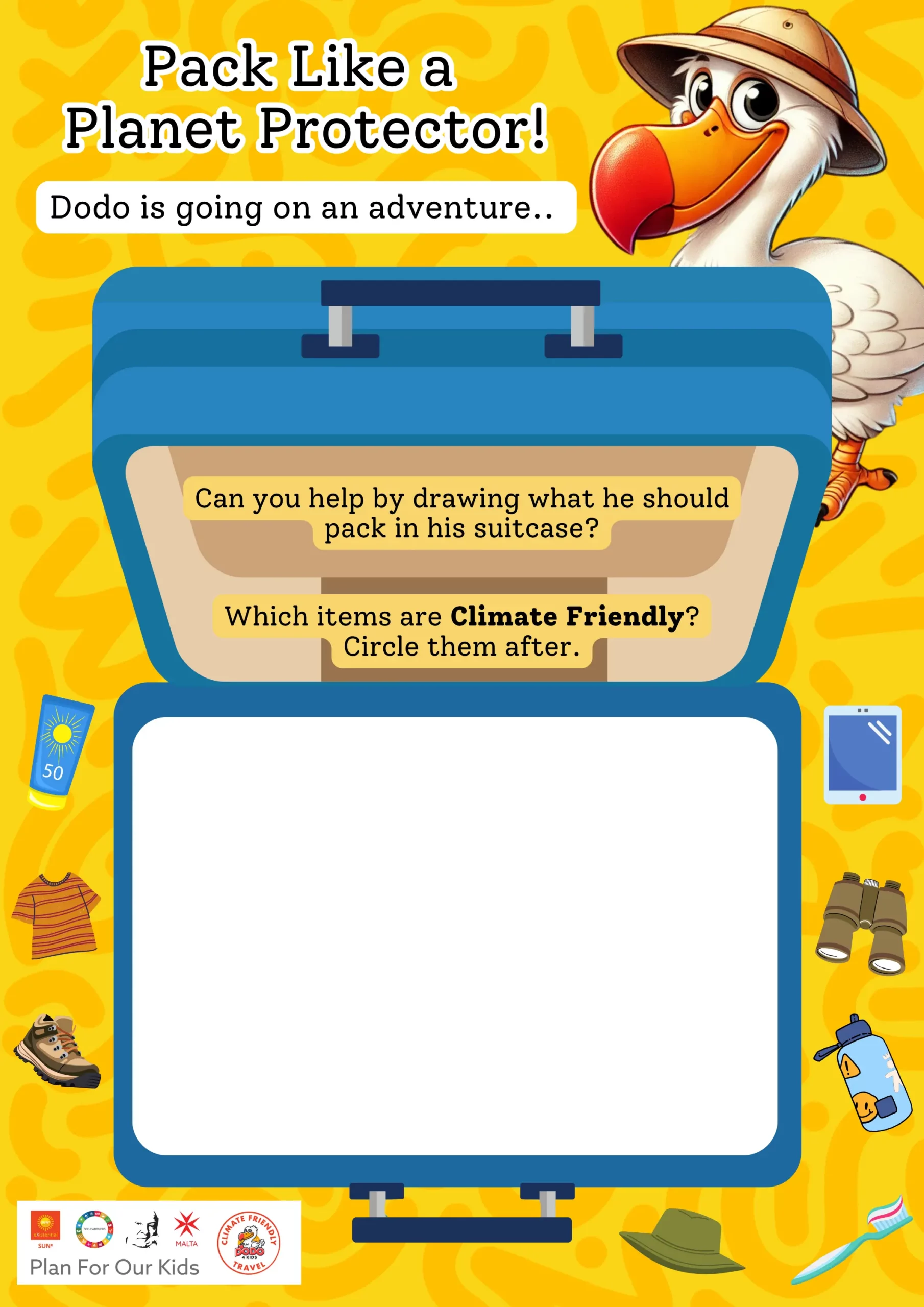
When you visit Kenya, you can be a climate hero too! Join beach clean-ups to protect sea turtles, visit mangrove conservation projects to see the "superhero trees" in action, stay at eco-friendly lodges that use solar power, and even plant one of Kenya's 15 billion new trees during safari activities. Save water (remember, Kenyans only have 2-3 bathtubs worth per year!), use refillable water bottles, and learn Swahili words for nature like "mazingira" (environment) - when you visit Kenya, you're supporting a country that's fighting climate change for the whole world!




SUNx Malta is a not-for-profit organization dedicated to Climate Friendly Travel (Paris 1.5, SDGs, and Nature Positive tourism). Dodo4Kids is one of our educational initiatives, inspiring young travelers to explore the world responsibly through stories, activities, and gamified learning.
Vliertjeslaan 5, Overijse, Brussels, 3090, Belgium