
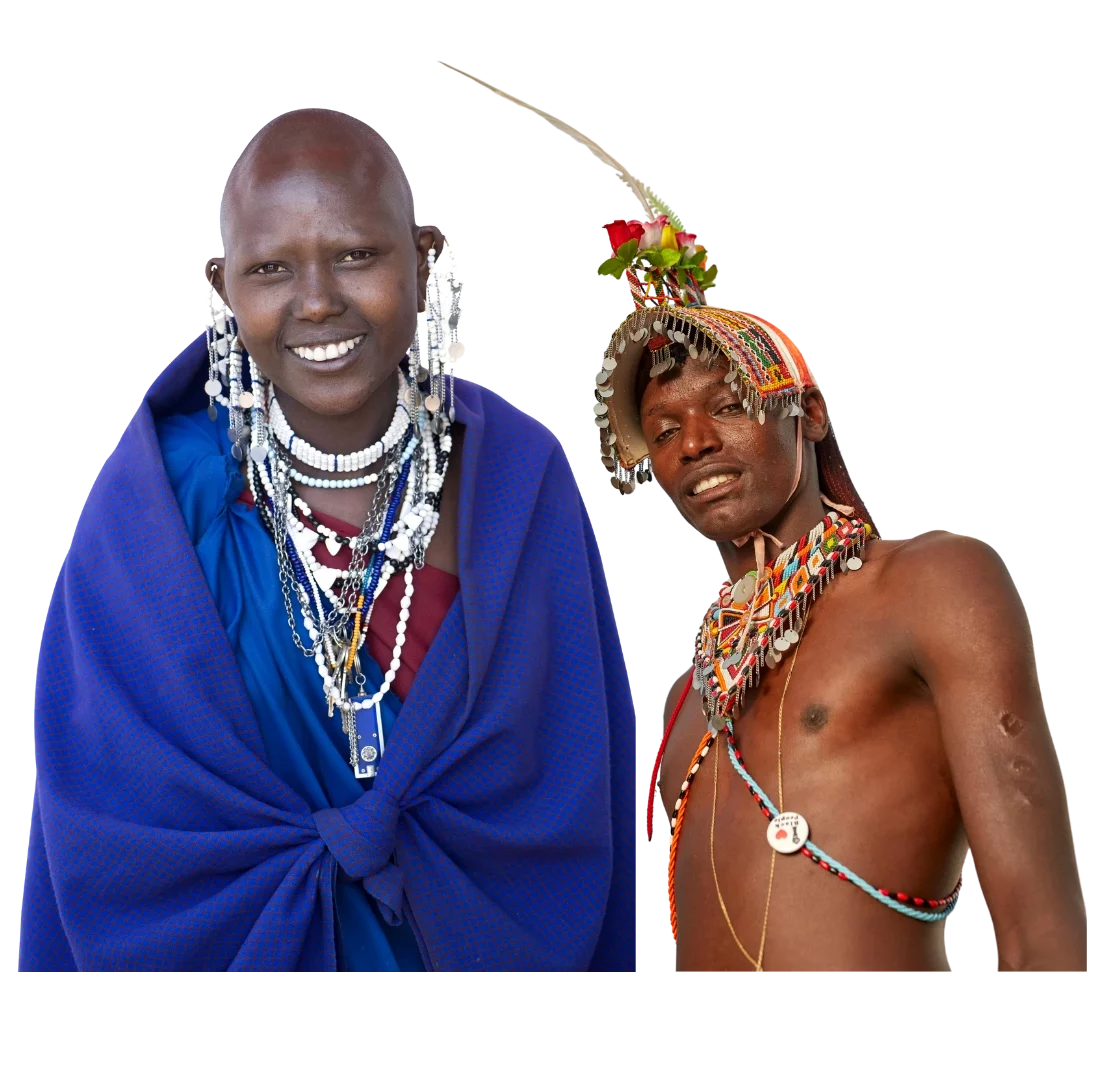
Kenyan communities have been environmental superheroes for centuries! The Maasai people traditionally move their cattle to different areas so grasslands can recover - like giving the land a vacation to grow back stronger. Coastal communities like those in Gazi use ancient knowledge to plant mangrove forests that protect beaches from big waves.
The Kikuyu people have special ceremonies for planting trees, and many communities use traditional crops that need less water and grow better during droughts. Kids learn from elders about which plants can heal sickness and which animals tell you when the weather is changing!
Kenya has more than 40 different ethnic groups and over 42 languages - imagine if your school had 42 different ways to say "jambo" (hello in Swahili)!
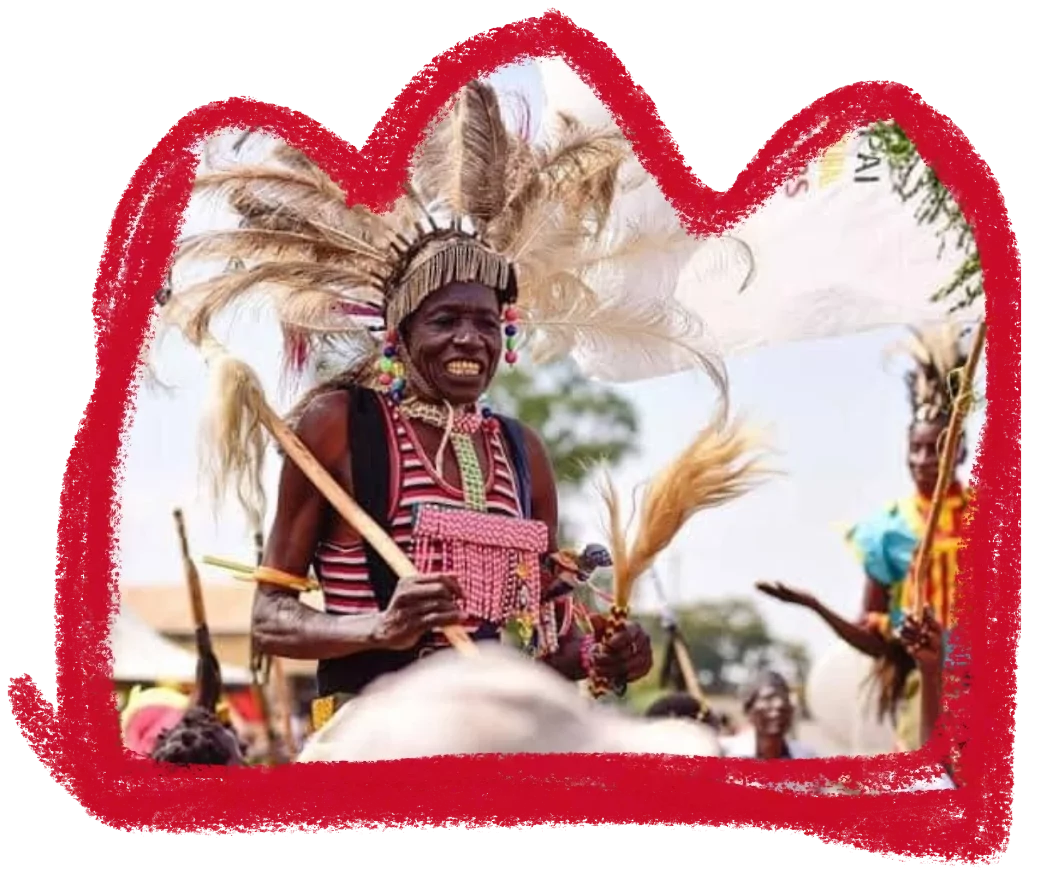
Kenya's cultural festivals are like giant outdoor classrooms where kids learn about different traditions! The Lamu Cultural Festival features exciting donkey races and dhow boat competitions, while the Maasai Mara Festival happens during the Great Migration - imagine watching millions of wildebeest while learning traditional Maasai jumping dances!
The Turkana people showcase their beautiful beadwork made from colorful materials, and the Kalenjin communities celebrate with traditional music that sounds like nature singing. Each festival teaches kids how different groups have lived sustainably with Kenya's amazing wildlife for thousands of years!

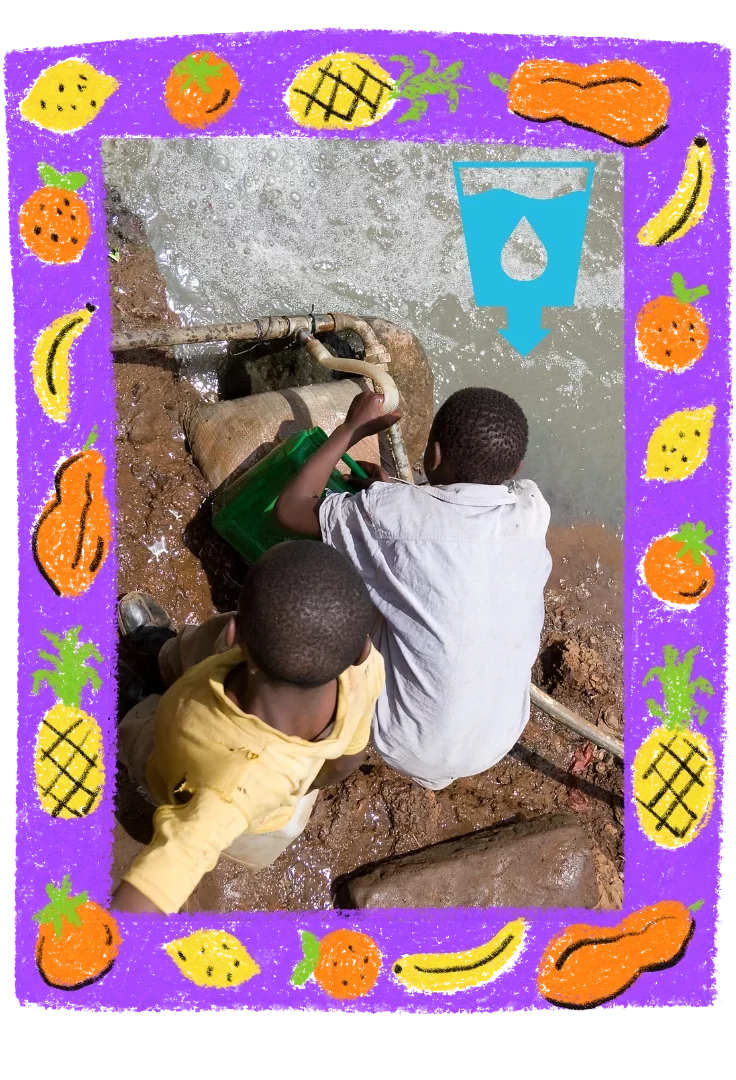
In many parts of Kenya, families had to walk for hours to get clean water, and kids sometimes missed school to help carry water containers. Only 59% of Kenyans have access to safe drinking water, but amazing programs are changing that!
About 9.9 million people in Kenya still drink water directly from rivers and lakes that might not be clean. Imagine having to share your drinking water with elephants and zebras - it sounds cool but it's not very safe!
The Kenya Integrated Water, Sanitation, and Hygiene Project (KIWASH) has brought clean water to nearly 900,000 people! They're building special water systems, teaching communities how to keep water clean, and even installing handwashing stations in schools.
Communities are learning to collect rainwater during the rainy season and store it for dry times. Some villages now have solar-powered water pumps that bring clean water up from deep underground - like having a magical well that never runs dry!
Over 1,700 villages have been certified as "open defecation free" - meaning everyone has proper toilets and the whole community stays healthier.
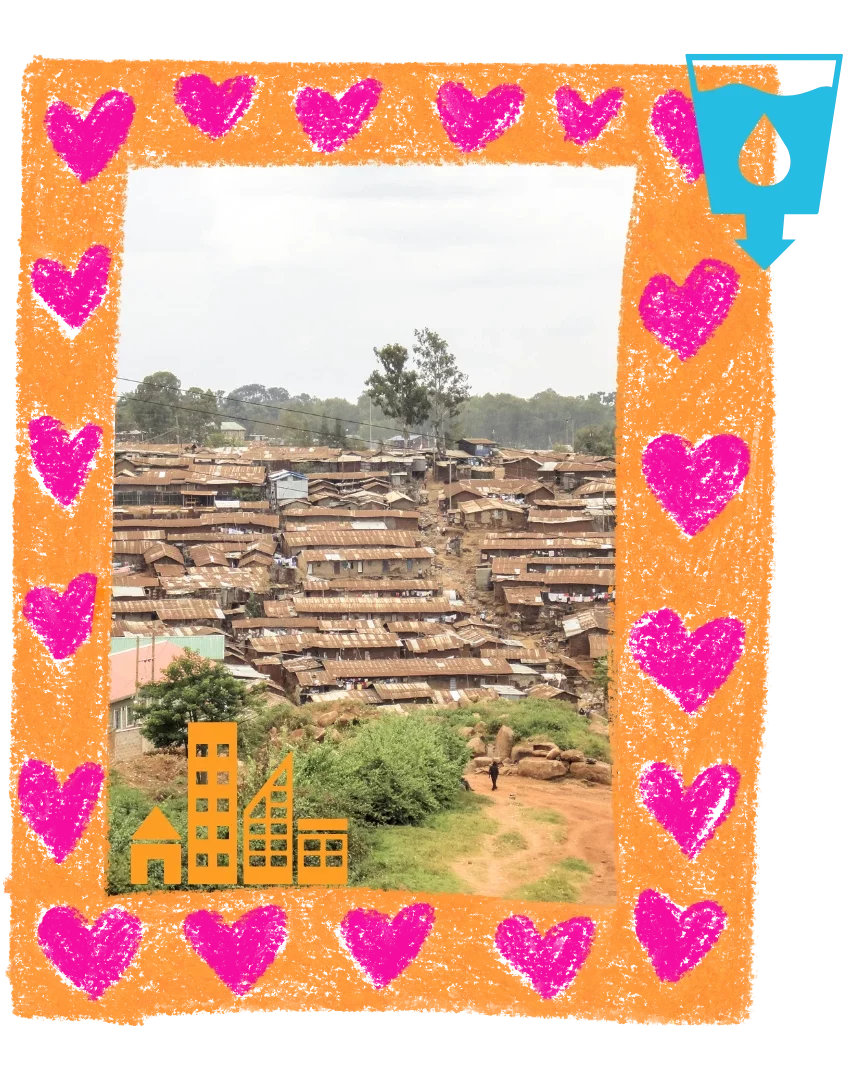
Kenya's cities are growing super quickly as people move from villages looking for jobs, but cities can't build houses and services fast enough! About 2.5 million people live in slums (very crowded neighborhoods without proper water, electricity, or toilets) in Nairobi alone - that's like the entire population of Chicago!
Kids grow up in tiny rooms shared by 8 family members, with garbage dumps right outside their door. Meanwhile, just a few kilometers away, luxury tourist hotels have swimming pools, fancy restaurants, and perfect gardens. Imagine if your neighborhood had no clean water while a fancy resort next door had fountains and pools!
Some smart projects are changing this! In Kibera slum, residents created "Slums Going Green and Clean" - they collect plastic water bottles thrown away by tourists and hotels, then turn them into tables and chairs. Meanwhile, responsible hotels like Severin Sea Lodge now clean their dirty water before releasing it, instead of polluting the ocean where local fishermen work.
The Kibera Public Space Project is creating clean community spaces with water kiosks that serve 37,541 people daily. Tour companies like Indy Escapes now take visitors to see these projects and help raise money for them, instead of just driving past slums on the way to national parks.
This way, tourism money helps solve city problems instead of ignoring them - and kids visiting Kenya can see how their choices make a real difference!
Tourism gives jobs to millions of Kenyans and brings in $2.7 billion every year to help Kenya's economy!
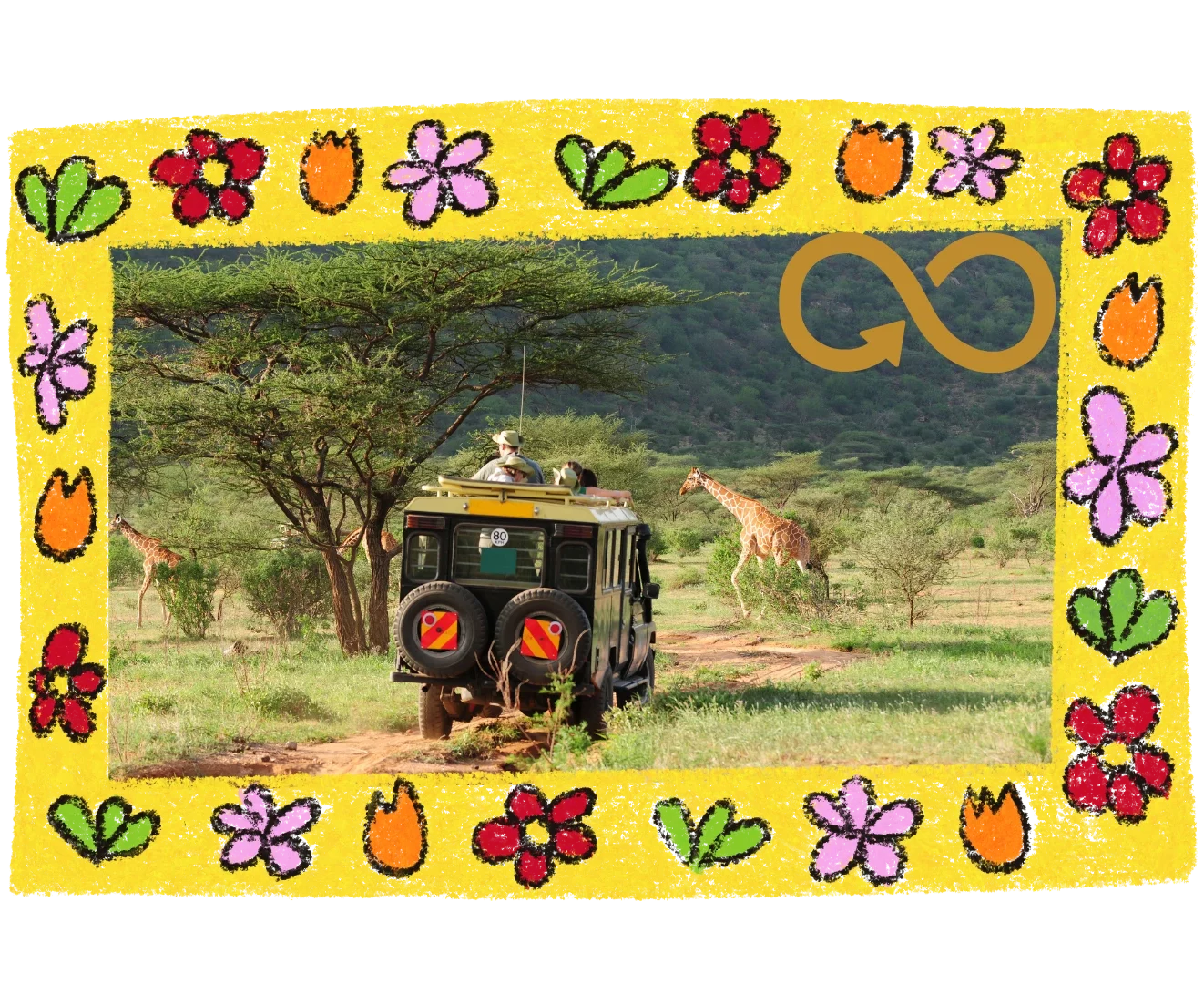
Instead of just big hotel companies getting all the benefits, Kenyan communities are creating their own tourism businesses! Local Maasai guides teach visitors about traditional life while protecting wildlife areas. Fishing communities along the coast show tourists how to plant mangrove trees and learn about ocean conservation (protecting and taking care of the ocean).
The Otenyo Cultural Centre in western Kenya runs entirely on solar power and collects rainwater. Visitors learn traditional Abagusii dances and songs while supporting local families. Every tourist visit helps preserve cultural traditions that might otherwise be forgotten!
Kenya's indigenous communities have been practicing sustainability for thousands of years, and now scientists are learning from their wisdom!
The Teso community protects frogs and snakes around water sources because they know these animals help keep the water clean. Pastoralist communities (people who raise animals like cattle and goats) practice "rotational grazing" - that means moving their animals to different areas so the land can rest and regrow, just like farmers rotate their crops.
Traditional healers know which plants can cure diseases and how to harvest them without damaging the ecosystem. Many communities have sacred forests where no one is allowed to cut trees, creating natural conservation areas that protect wildlife and water sources.
Scientists are now studying these traditional practices and combining them with modern technology. For example, traditional weather prediction methods are being combined with satellite data to create better early warning systems for droughts and floods.
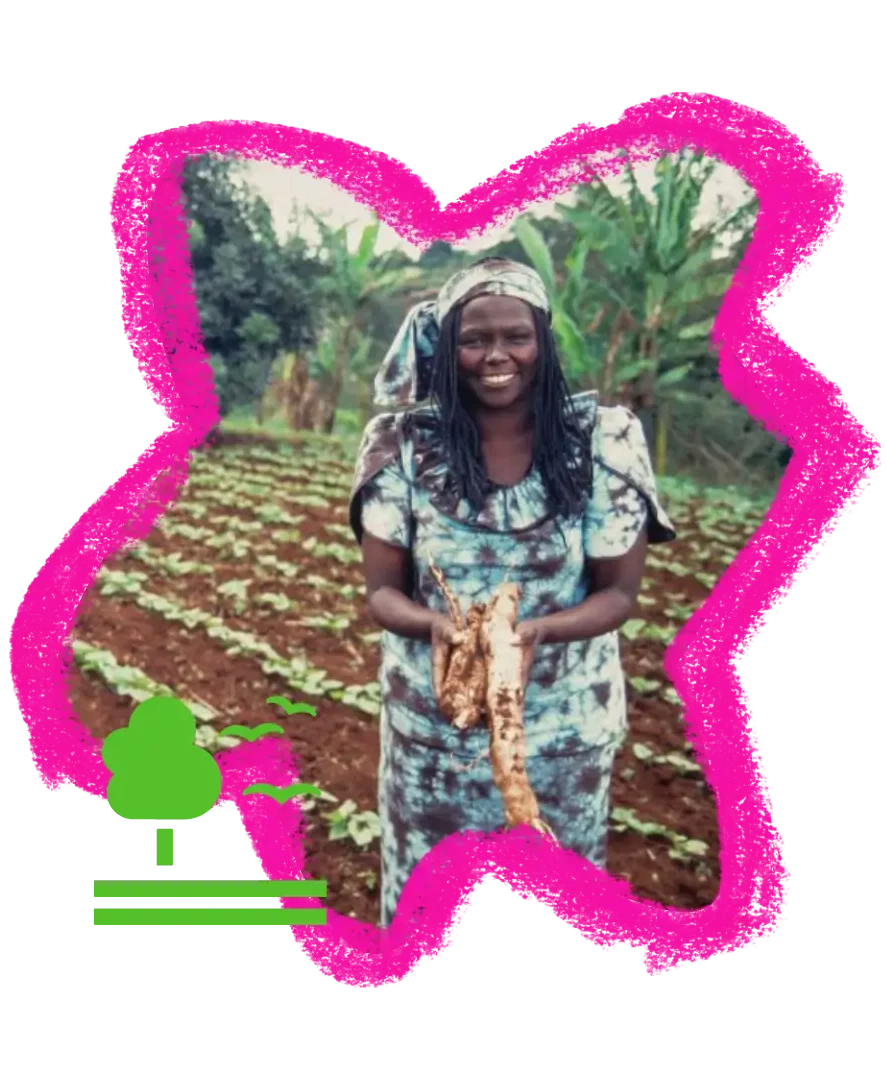
The famous Green Belt Movement, founded by Nobel Prize winner Wangari Maathai, combined traditional tree-planting ceremonies with modern conservation science to plant over 51 million trees!


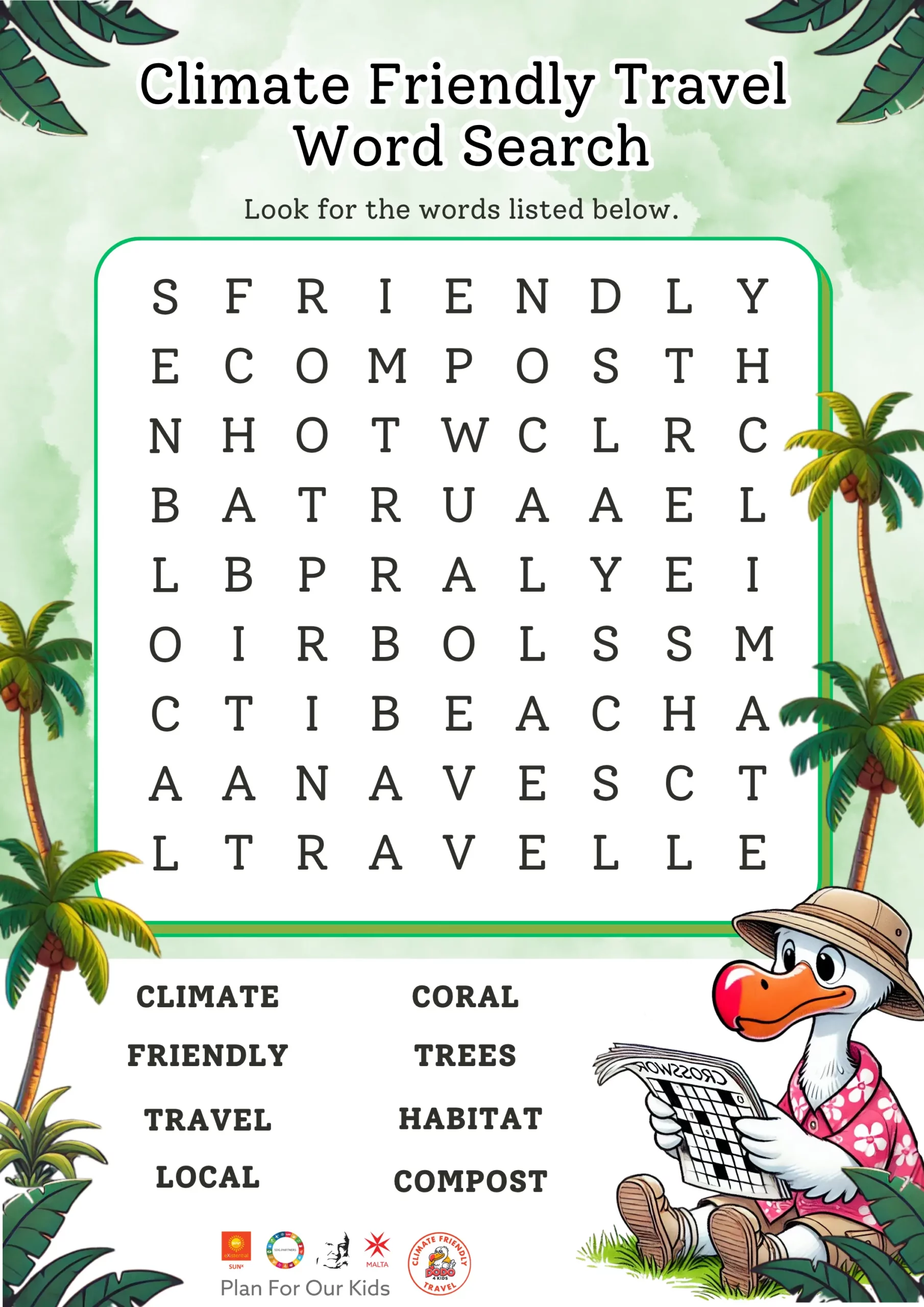

SUNx Malta is a not-for-profit organization dedicated to Climate Friendly Travel (Paris 1.5, SDGs, and Nature Positive tourism). Dodo4Kids is one of our educational initiatives, inspiring young travelers to explore the world responsibly through stories, activities, and gamified learning.
Vliertjeslaan 5, Overijse, Brussels, 3090, Belgium