

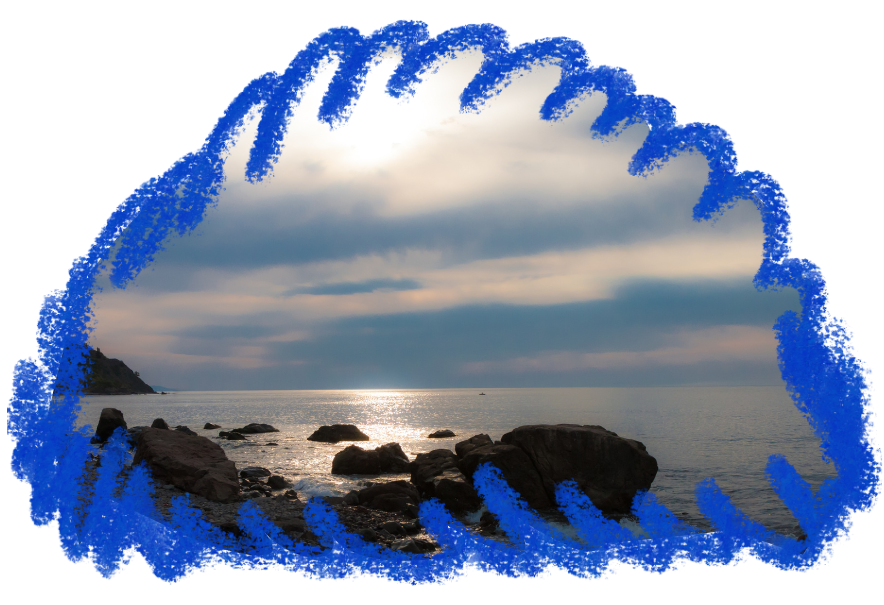
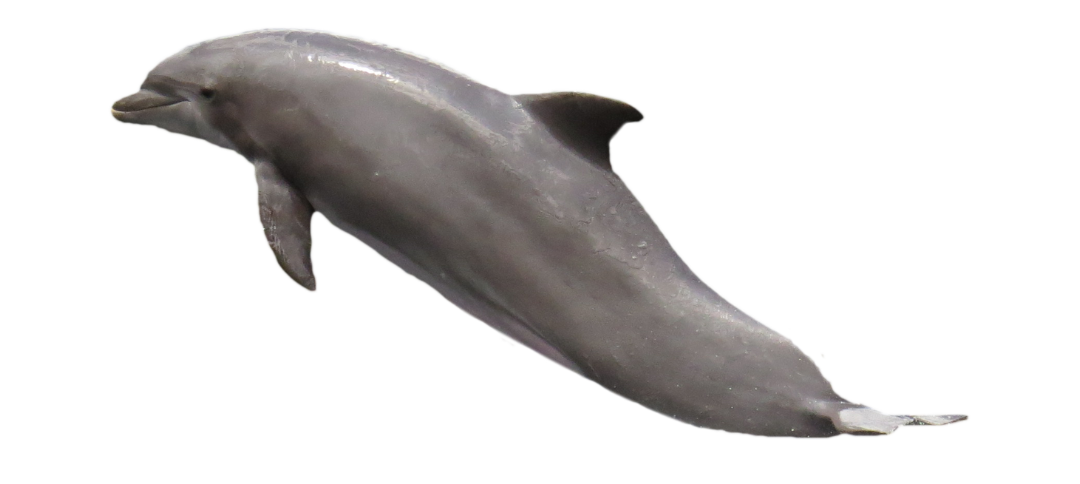
Ukraine has a beautiful coastline along the Black Sea. Underwater, there are coral reefs, seagrass meadows, and rare dolphins like the bottlenose dolphin.
But today, the Black Sea is one of the most dangerous places for wildlife:
Explosions and navy ships have damaged marine habitats.
Oil spills and toxic waste are polluting the water.
Loud underwater noise is scaring away dolphins and whales.
Monitoring dolphin populations to understand how they are affected.
Cleaning up oil spills and pollution to protect sea life.
Protecting marine reserves, like the Meotyda National Park, from further damage.
Ukraine’s forests are full of giant oak, beech, and pine trees. The Carpathian Mountains in the west are called the "Green Lungs of Europe" because they clean the air and provide homes for rare animals like:
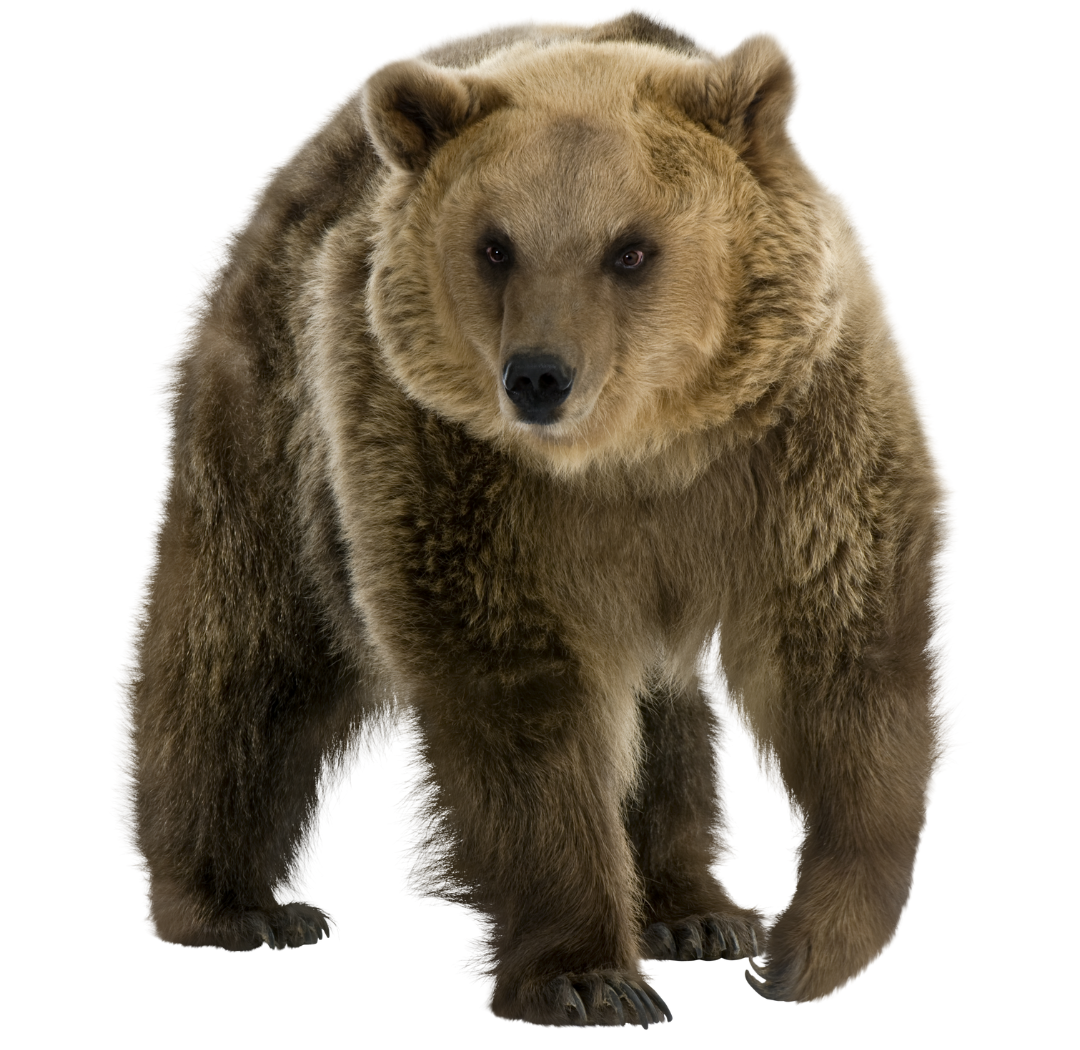
Brown bears
Wolves
Eagle owls
But war is hurting these forests:
Fires have destroyed huge sections of trees.
Heavy tanks and military vehicles are compacting the soil, making it harder for trees to grow back.
Explosions scare wildlife, making it hard for animals to find food or raise their babies.
Forest firefighters are working to stop fires from spreading.
✔️ Tree-planting programs are helping forests recover.
✔️ Protected areas like the Carpathian Biosphere Reserve are keeping Ukraine’s rarest forests safe.
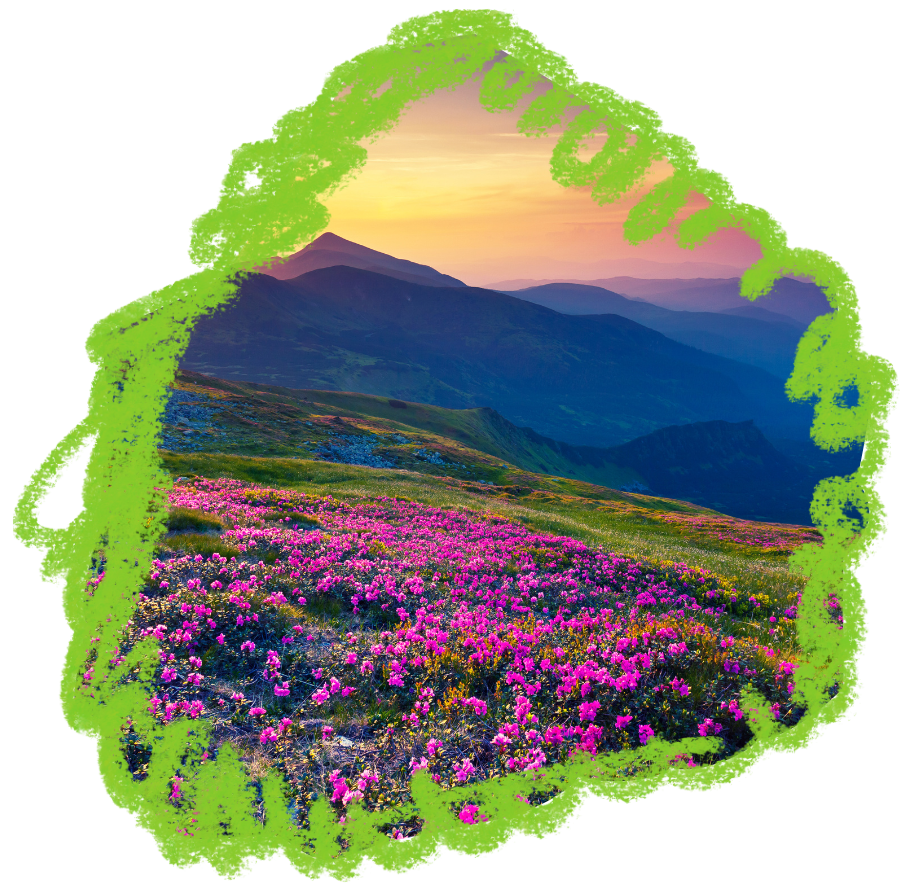
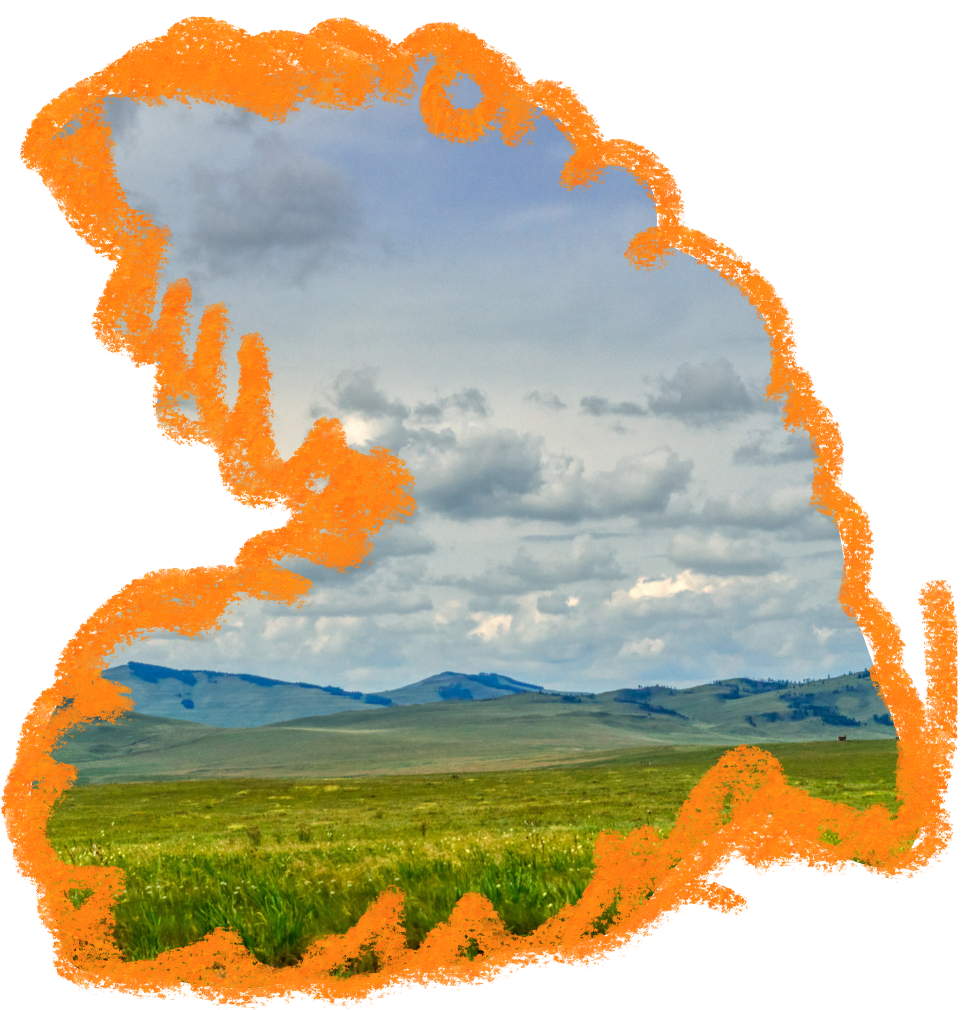
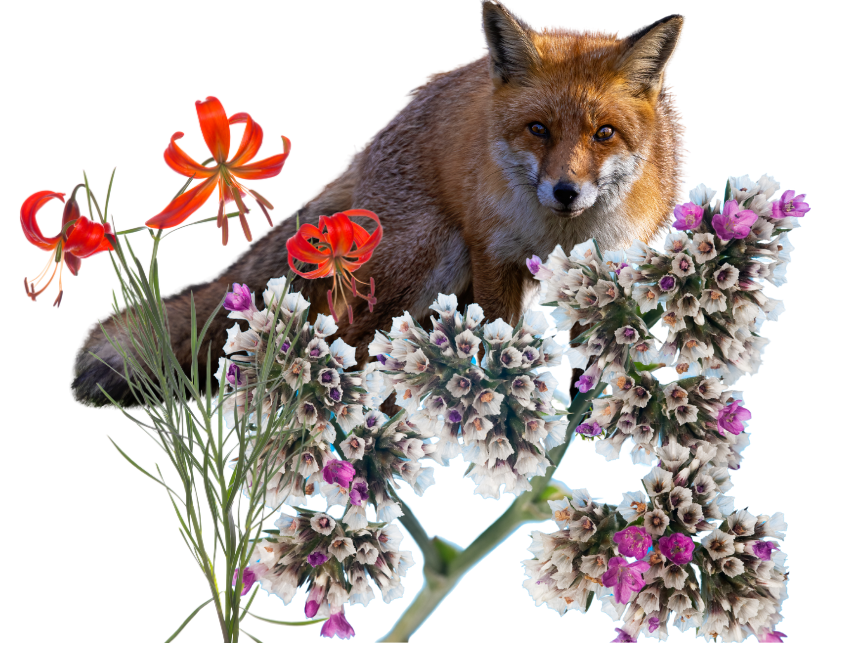
The Ukrainian Steppe is a huge open grassland that stretches across the country’s south and east. It is home to wildflowers, foxes, and rare birds like the steppe eagle.
But today, this land is one of the most damaged areas in the war:
Explosions have left deep craters in the land.
Fires have burned 1,650 km² of steppe, destroying plants and homes for animals.
Landmines are everywhere, making it dangerous for people and animals to return.
✔️ Scientists are mapping damage so they can find ways to restore the grasslands.
✔️ Rewilding projects may let the land heal by bringing back wild animals like bison and horses.
✔️ Special reserves, like the Askania-Nova Biosphere Reserve, protect the steppe’s last untouched areas.
Ukraine has huge rivers like the Dnipro, plus wetlands and lakes where rare fish, frogs, and birds live. The Danube Delta is one of Europe’s most important wetlands.
But the war is hurting Ukraine’s rivers and wetlands:
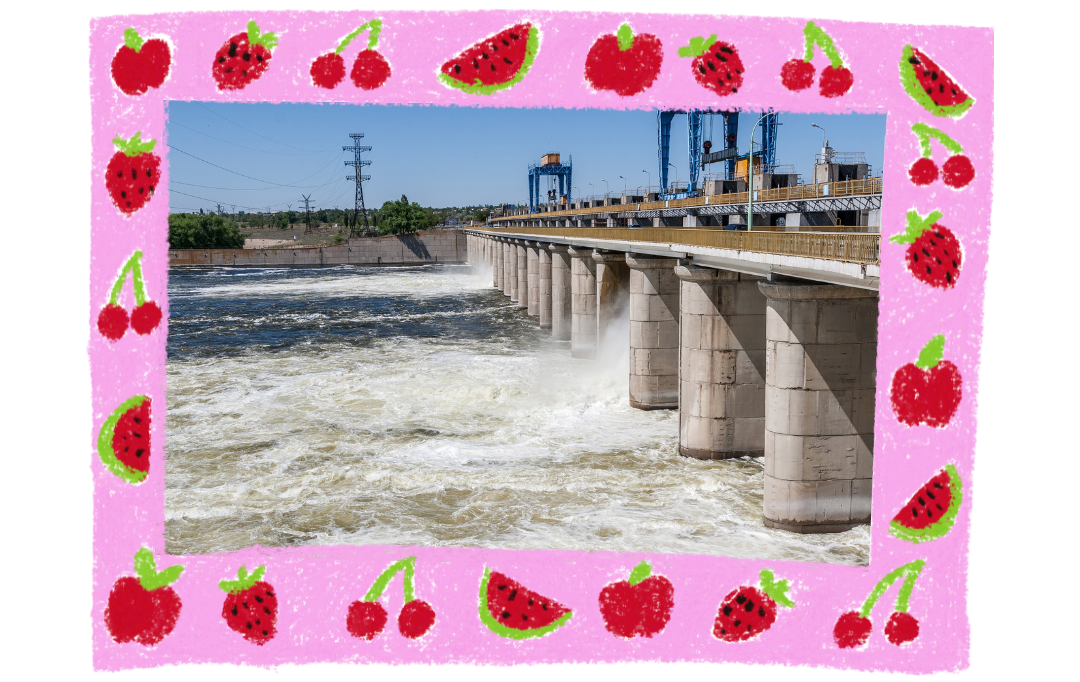
The Kakhovka Dam was destroyed, causing huge floods and drying out other areas.
Toxic chemicals from explosions are polluting the water.
Scientists are testing the water to clean up pollution.
New wetland areas are being protected to help birds and fish.
The Danube Delta is being monitored to make sure migrating birds still have a safe home.
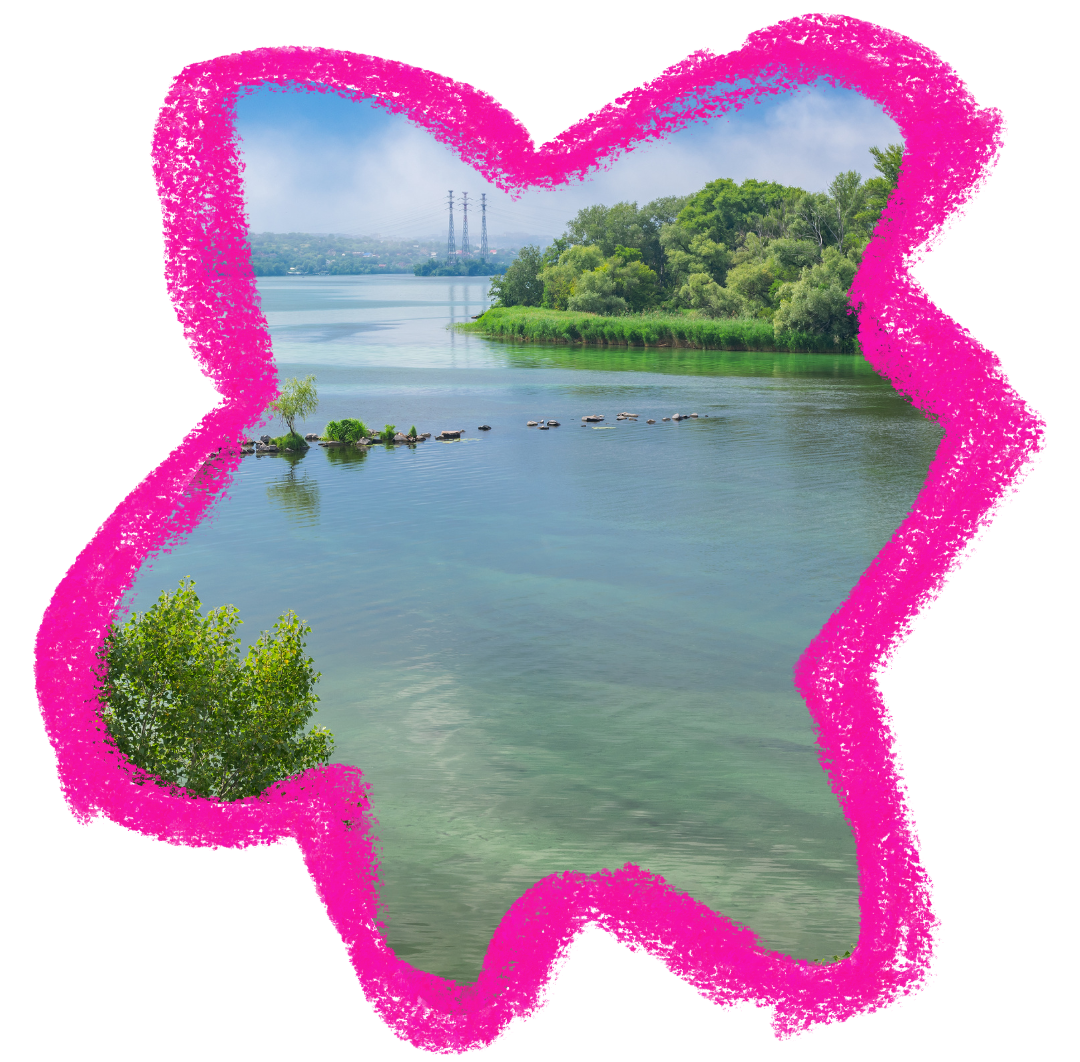
Ukraine is one of Europe’s most biodiverse countries, with over 70,000 species of plants and animals! It has huge forests, vast grasslands, wild rivers, and a long coastline, creating perfect homes for all kinds of creatures.
Here are just a few of the amazing animals that live in Ukraine:
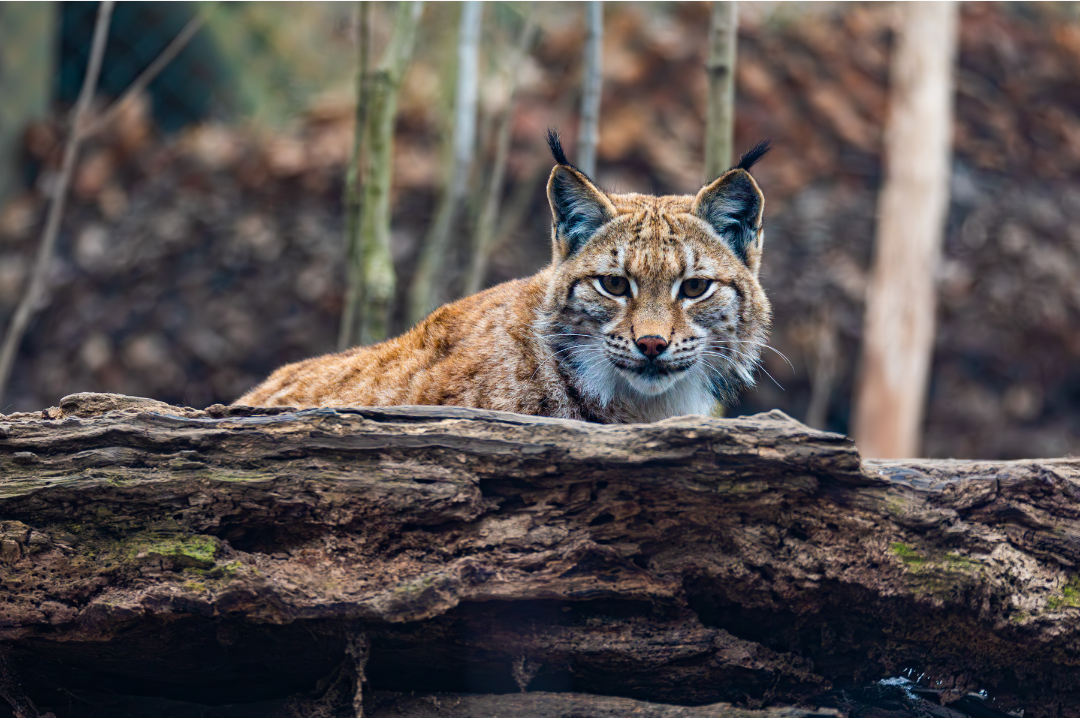
The Carpathian lynx is one of the rarest big cats in Europe! With its fluffy ears and sharp eyes, it sneaks through Ukraine’s forests hunting rabbits and deer.
Forest fires and logging are destroying its home. Loud explosions scare away its prey. Lynxes are struggling to find food in war-damaged areas.
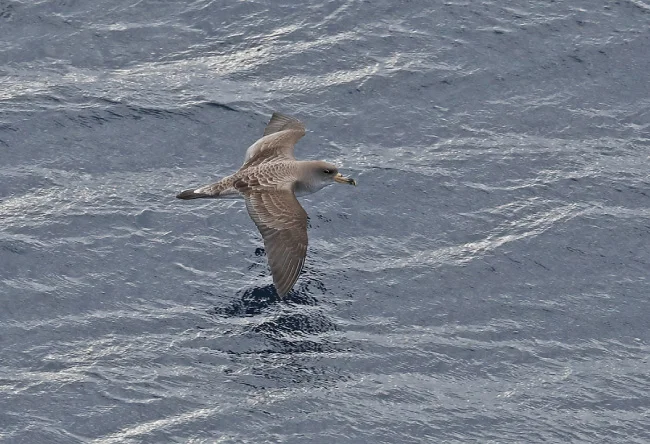
Malta is a small island, but it’s home to some incredible animals and plants that are found nowhere else. Sadly, some of these species are endangered, which means they are at risk of disappearing forever.
Let’s explore Malta’s nature and learn about the amazing creatures that live here and how we can protect them!



SUNx Malta is a not-for-profit organization dedicated to Climate Friendly Travel (Paris 1.5, SDGs, and Nature Positive tourism). Dodo4Kids is one of our educational initiatives, inspiring young travelers to explore the world responsibly through stories, activities, and gamified learning.
Vliertjeslaan 5, Overijse, Brussels, 3090, Belgium