


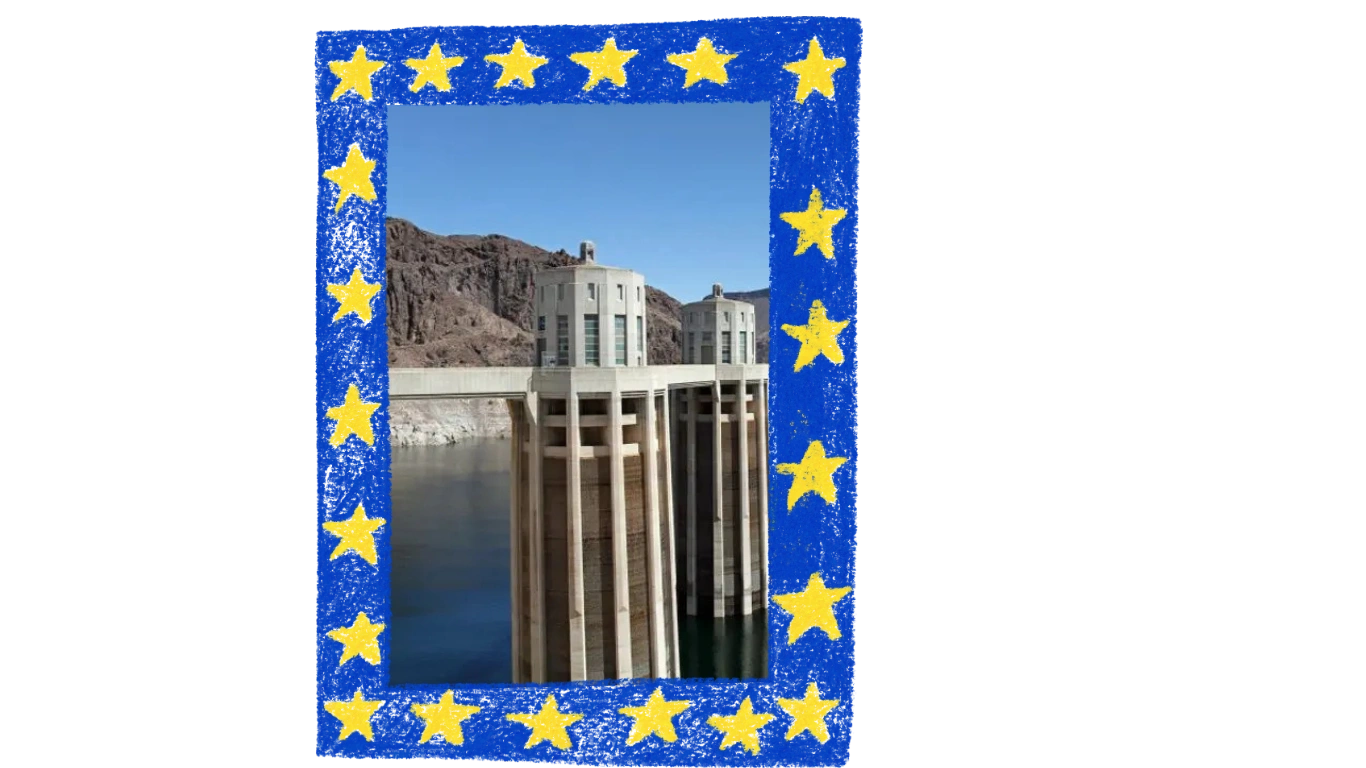
Malaysia is growing its clean energy! Right now, about 19% of Malaysia's electricity comes from clean sources, with most of that from hydropower (electricity from flowing water). But the country has set big goals: 31% clean energy by 2025 and 40% by 2035, working toward 70% by 2050!
Renewable energy comes from natural things that never run out, like water flowing through rivers, sunlight, wind, and heat from inside the Earth. Unlike coal, oil, and gas, renewable energy doesn't create as much pollution.
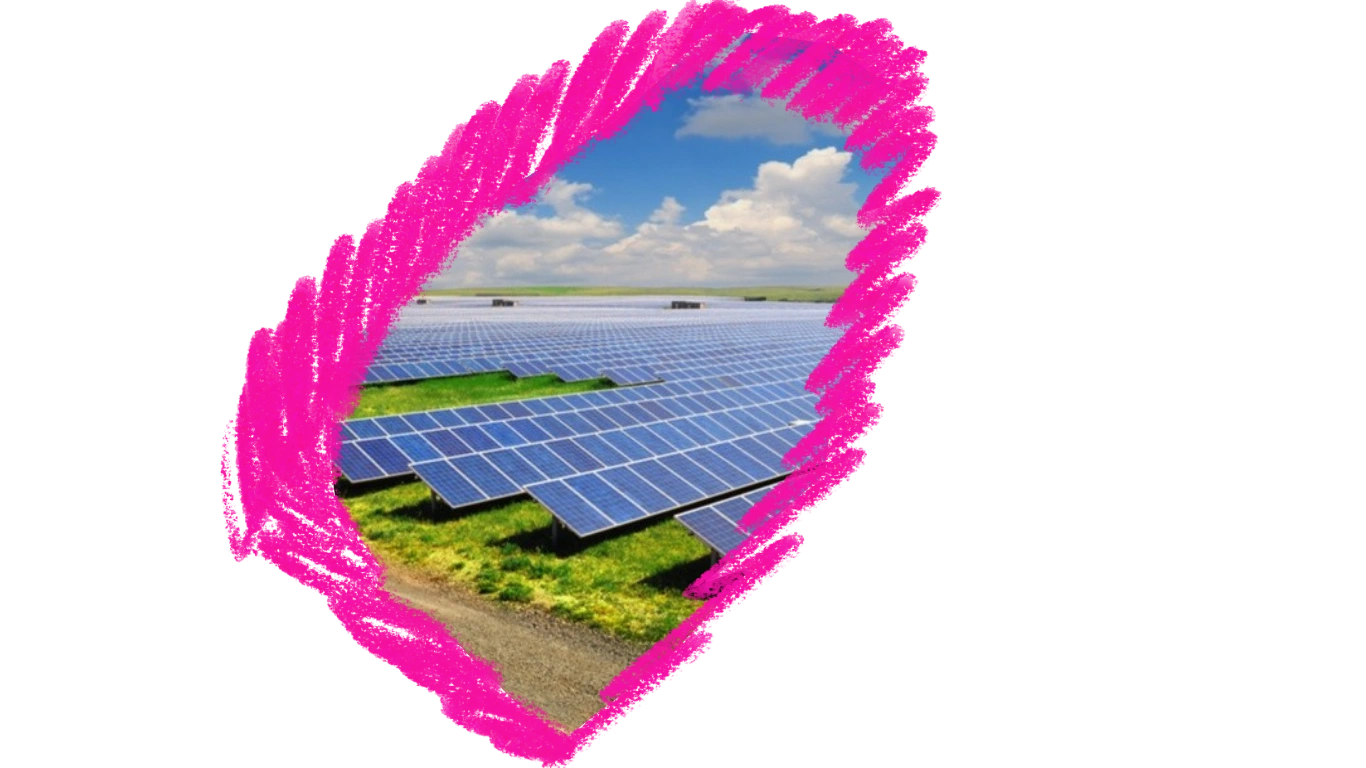
The government has put billions of dollars into renewable energy projects and offers special deals to encourage solar power!
Palm oil is in almost half of all supermarket products worldwide - from food to soap to shampoo. Malaysia is one of the world's biggest palm oil producers, and this industry provides jobs for hundreds of thousands of people.
But palm oil plantations have caused major problems. Between 2000 and 2012, Malaysia had one of the highest rates of cutting down forests in the world. Between 2001 and 2021, Malaysia lost 17% of its rainforest. Many of these forests were cleared to make room for oil palm plantations, destroying homes for orangutans, tigers, elephants, and countless other animals.
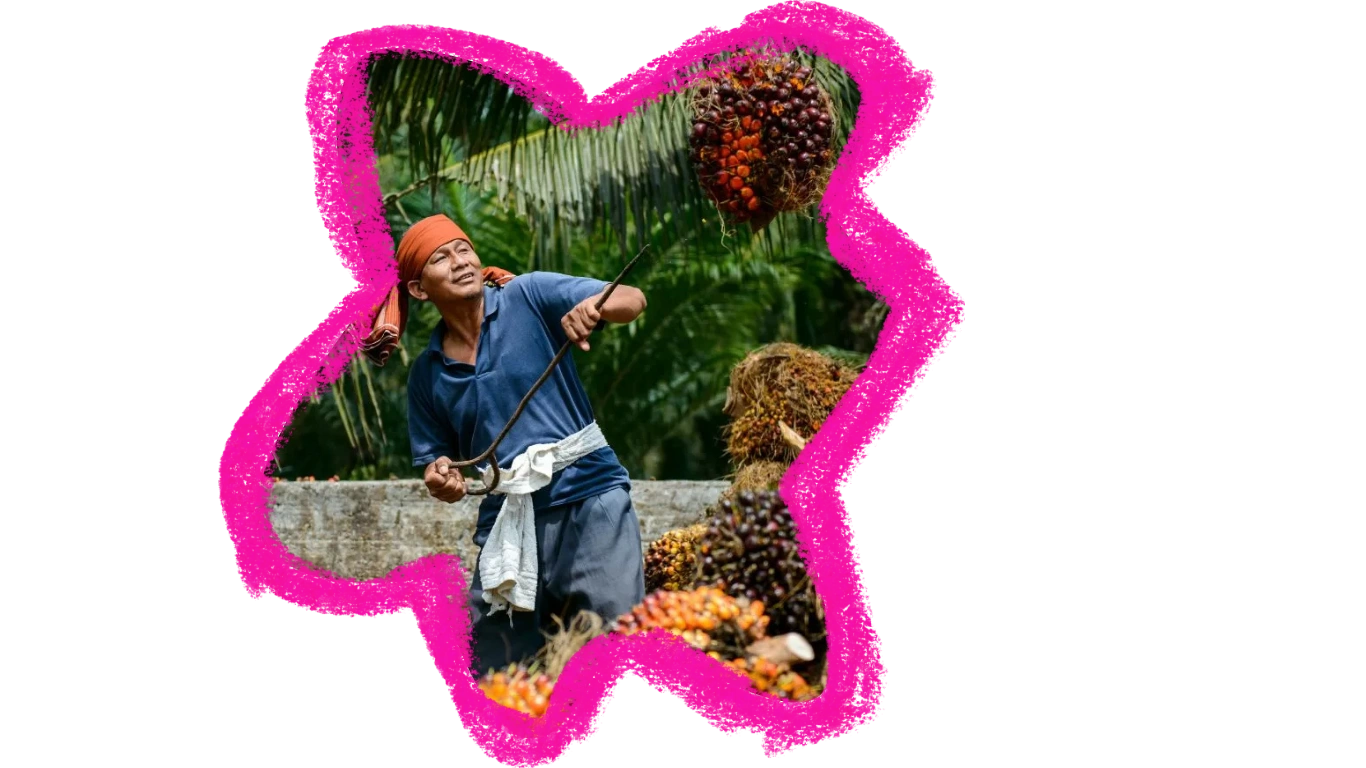
Malaysia is working on programs to make sure palm oil is produced without destroying rainforests. Some companies have promised "zero deforestation" - meaning they won't cut down any more forests. Conservation groups are working with palm oil companies to protect important wildlife paths. The government is also replanting forests and creating protected areas.
Malaysia produces about 38,000 tonnes of solid waste every day! That's like filling up thousands of garbage trucks daily. Much of this waste ends up in landfills, and only a small amount gets recycled. Malaysia sends about 2.5 million tonnes of waste to landfills every year.
Plastic pollution is a major problem, especially near coasts and in rivers. Thrown-away fishing nets and trash affect about 83% of reef areas surveyed.
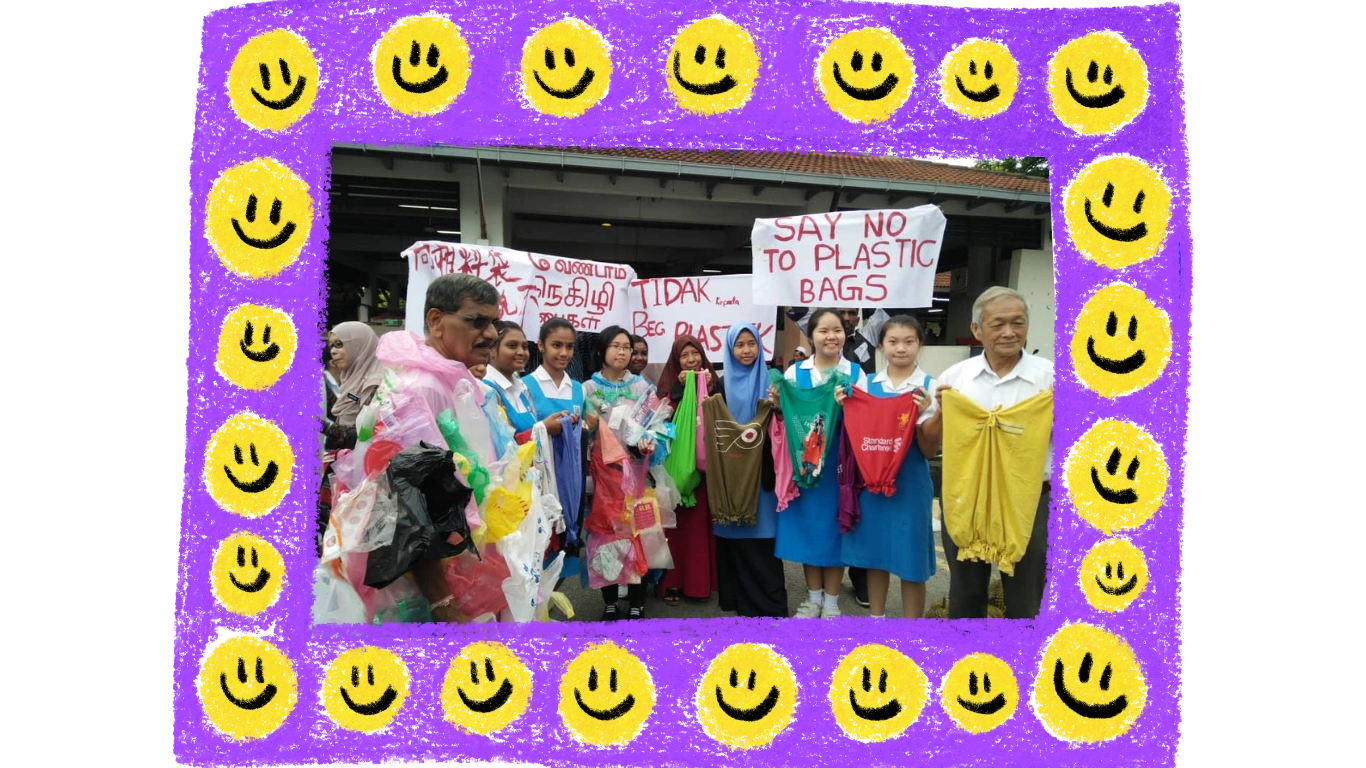
Many states have banned single-use plastic bags in supermarkets. Recycling programs are growing in cities and towns. Communities are organizing clean-up days for beaches, rivers, and reefs. Schools teach children about reducing, reusing, and recycling waste. Some projects are turning plastic waste into useful products.
Malaysia's beautiful landscapes, beaches, and wildlife attract millions of visitors every year! Tourism creates jobs and helps the economy, but too many tourists can damage fragile places like coral reefs, rainforests, and beaches.
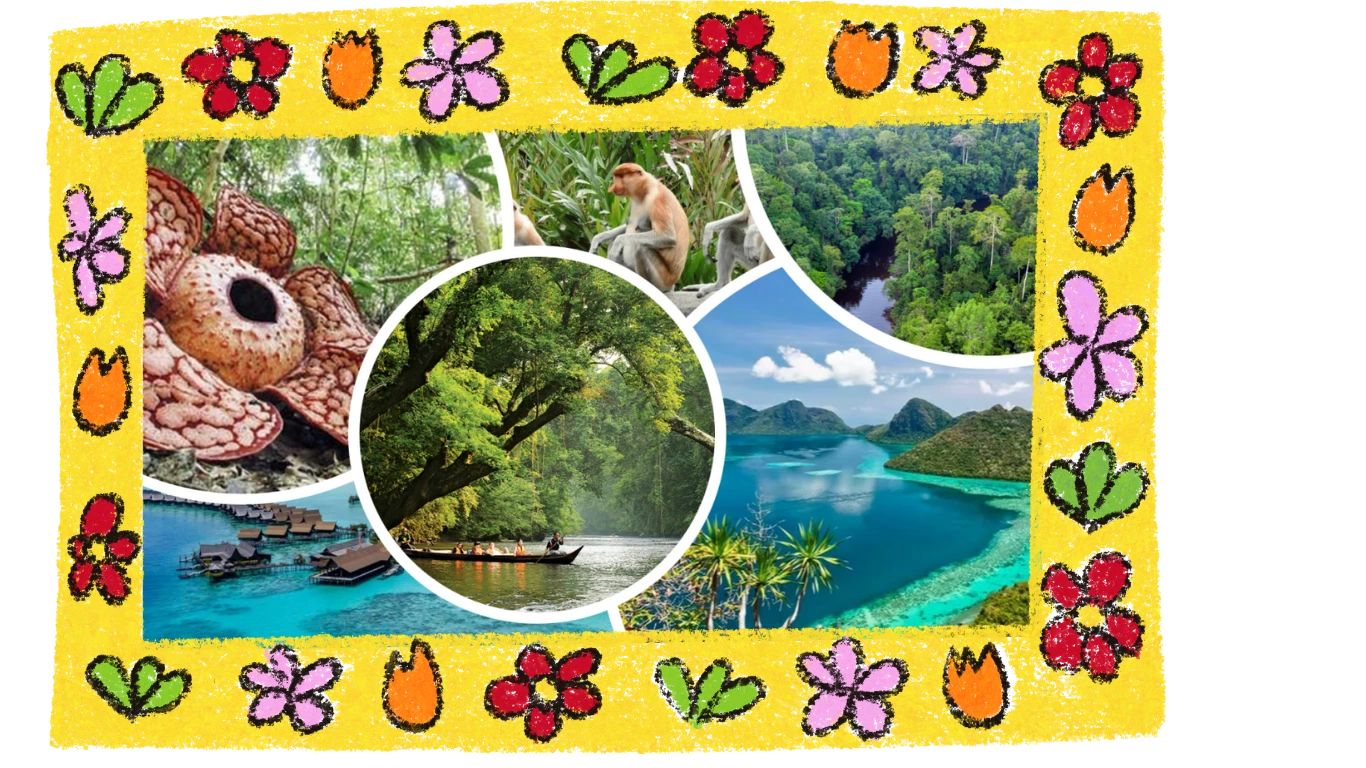
The government is promoting tourism that protects the environment. Some popular diving and snorkeling places have limits on the number of visitors to prevent damage to coral reefs. Tour operators are being trained in ways to protect nature. Ecotourism programs work with indigenous communities to share their culture while protecting traditional lands. Marine parks teach visitors about protecting reefs and marine life.





SUNx Malta is a not-for-profit organization dedicated to Climate Friendly Travel (Paris 1.5, SDGs, and Nature Positive tourism). Dodo4Kids is one of our educational initiatives, inspiring young travelers to explore the world responsibly through stories, activities, and gamified learning.
Vliertjeslaan 5, Overijse, Brussels, 3090, Belgium