


Malaysia's temperatures have been going up. By the end of this century, it could be between 0.8°C and 3.11°C hotter than now! Heat waves are becoming more common - really hot days that used to almost never happen could happen most of the time if the world doesn't stop pollution.
Cities like Kuala Lumpur already get extra hot because of all the concrete and buildings. They can be 4-6°C hotter than the countryside! This extreme heat can make people sick, especially elderly people and children.
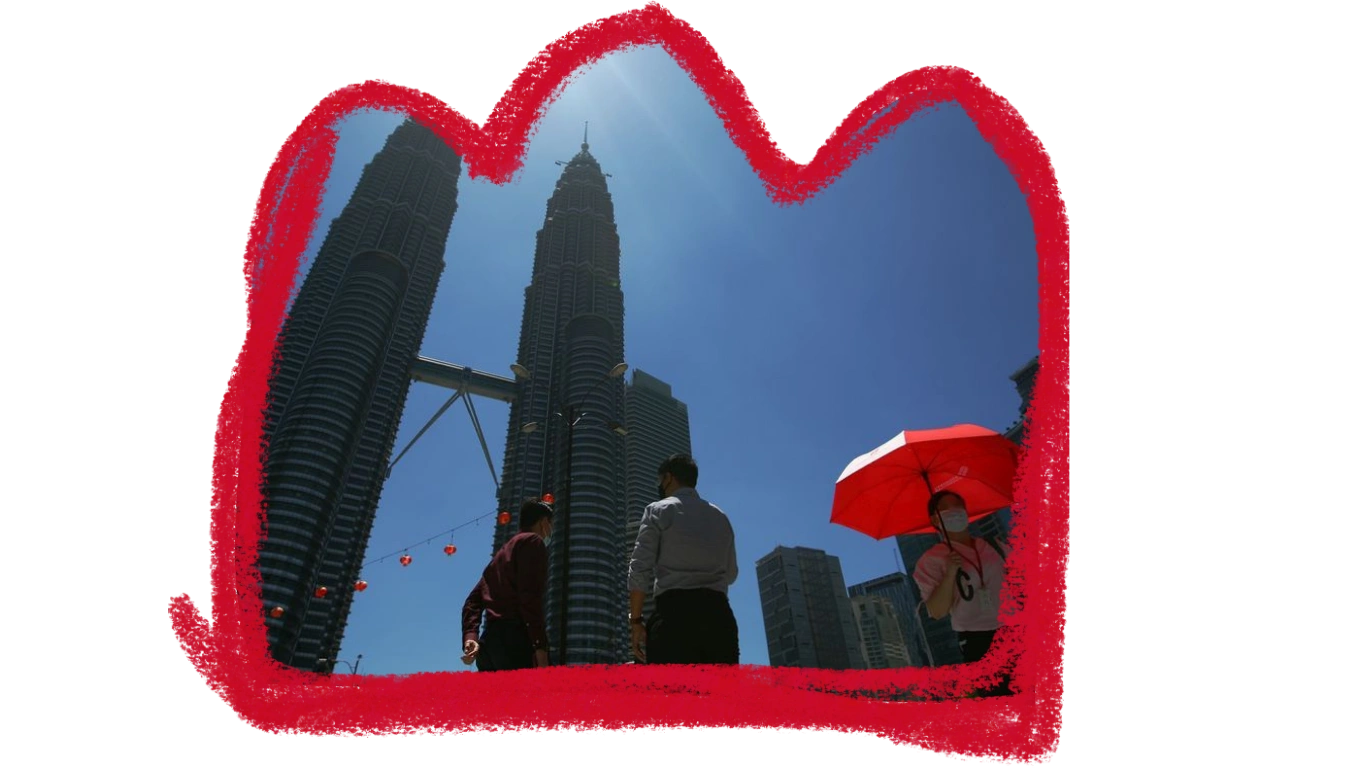
Malaysia is creating more parks and planting trees in cities to help cool things down. The government teaches people about staying safe in hot weather and provides cool places during heat waves.
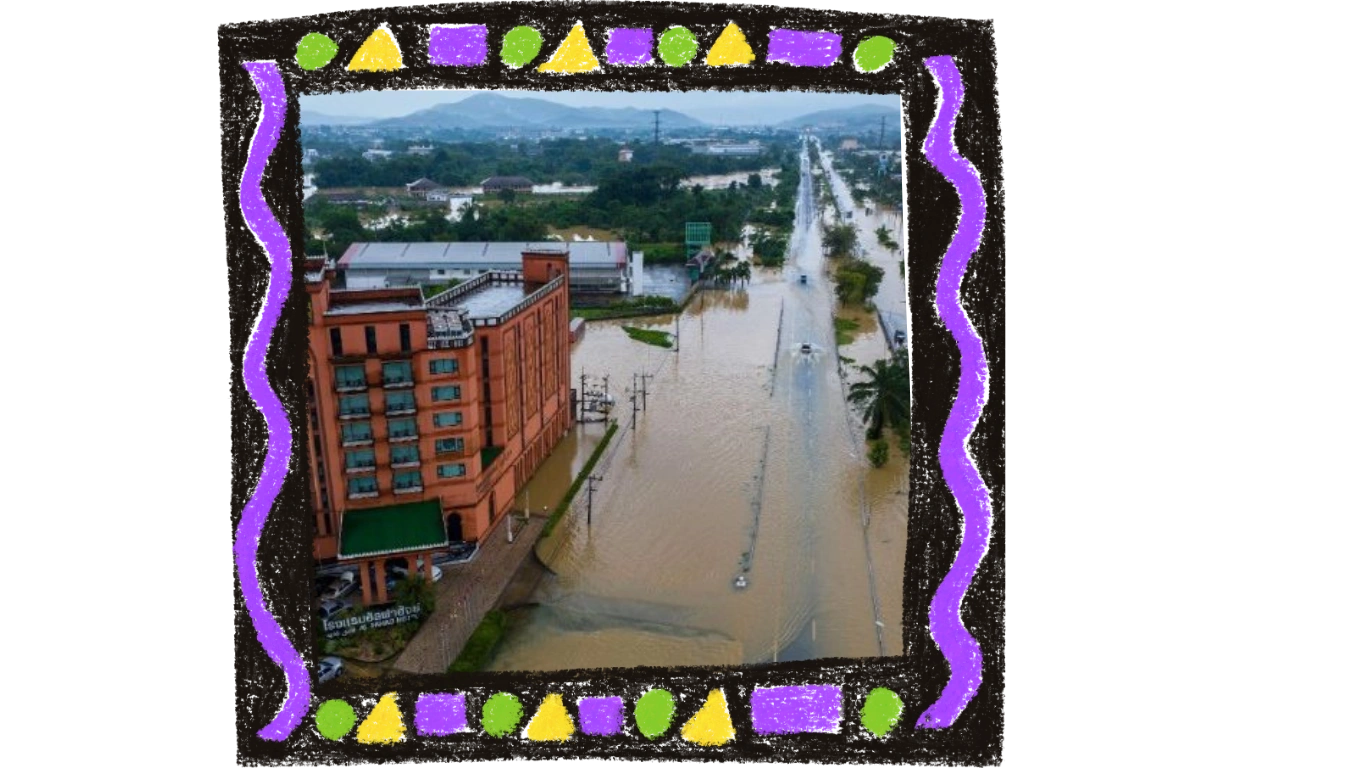
Flooding is one of Malaysia's biggest climate problems. When it rains really hard, rivers overflow and low areas get flooded quickly. Climate change is making rain more extreme - by 2090, big rainstorms could dump 32% more rain than they do today!
In December 2021, huge floods hit 11 states in Malaysia. The floods caused about RM6.2 billion (about $1.3 billion) in damage - that's enough money to build thousands of schools! Around 130,000 people could be hit by floods in 2010, but this number could grow to 200,000 by 2030.
Malaysia has spent RM19 billion on flood protection and RM5 billion to protect coasts. The government is building better drains, flood walls, and warning systems to help keep people safe. Communities are creating wetlands (wet, marshy areas) that can soak up extra water like a giant sponge. Malaysia is also keeping forests that help absorb rainwater.
Malaysia has a very long coastline, and the ocean is slowly getting higher. By the end of this century, the sea around Malaysia could rise by 0.4 to 0.7 meters (about 1-2 feet)! East Malaysia (Sabah and Sarawak) is especially at risk.
Rising seas mean more flooding during high tides, even when there are no storms. Beaches are being washed away, and some coastal communities may need to move to safer places. Mangrove forests that protect coasts from waves and storms are also at risk.
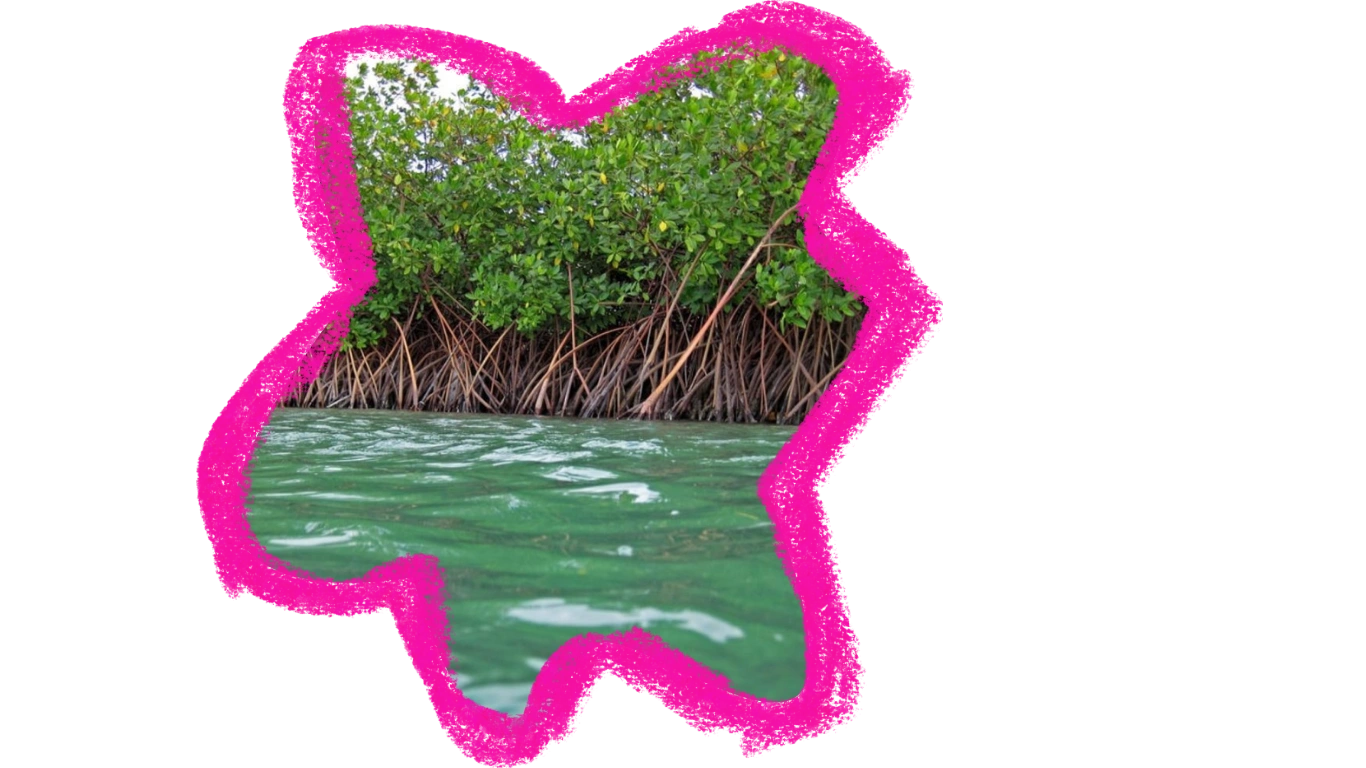
Communities are planting mangrove forests, which act like natural walls against big waves and rising seas. The government is building structures to protect coasts and making plans to help people who live near the ocean.
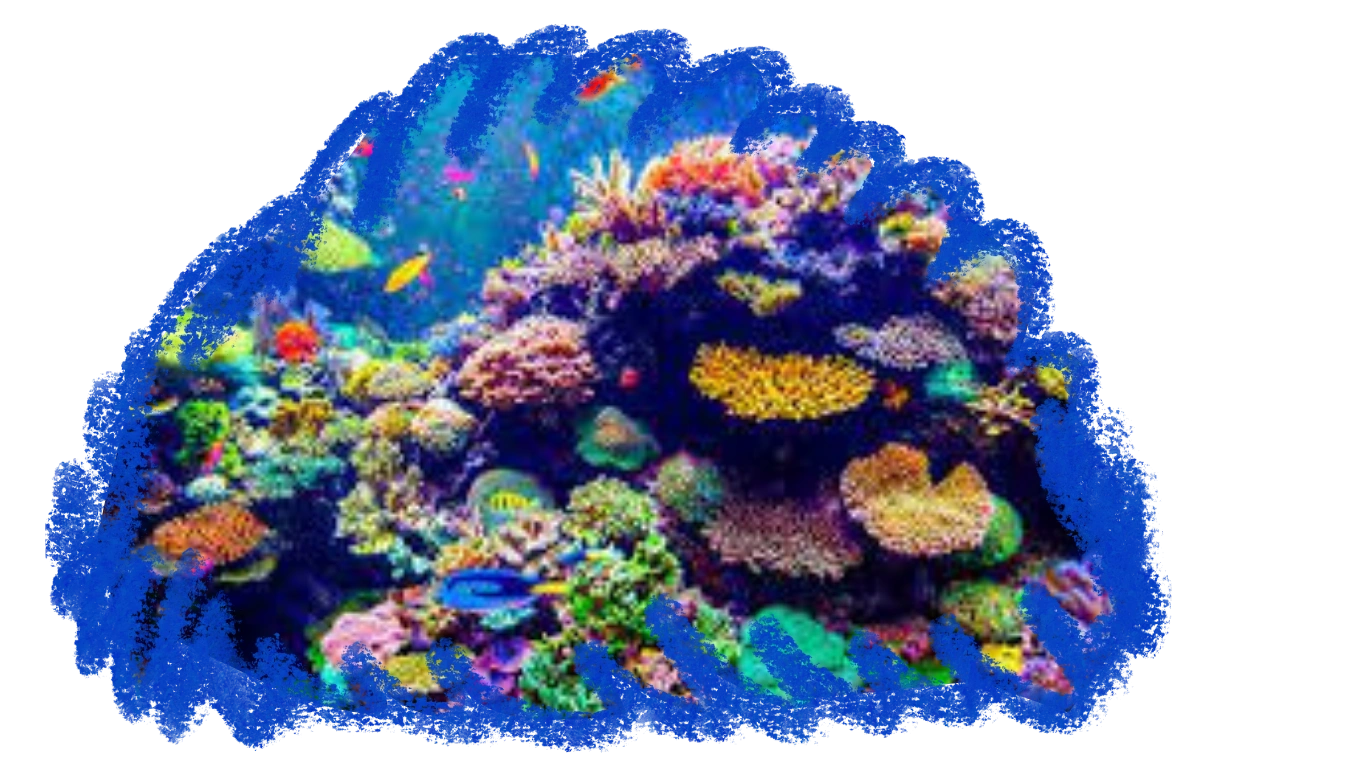
Malaysia is part of the Coral Triangle, home to over 75% of the world's coral species! But these beautiful coral reefs are in trouble. When ocean water gets too warm, corals lose their color and turn white (this is called bleaching). If the water stays warm too long, the corals die.
In 1998, about 40% of corals around Peninsular Malaysia died from bleaching. Recently, nearly 90% of Malaysia's reef areas were affected by bleaching. Only about 24% of Malaysia's reefs are in good condition now.
Reef Check Malaysia checks on coral reef health at over 300 places every year. The government has a Coral Reef Bleaching Response Plan to act quickly when bleaching happens. Scientists are growing corals in nurseries and planting them on damaged reefs. Marine protected areas give reefs space to recover.






SUNx Malta is a not-for-profit organization dedicated to Climate Friendly Travel (Paris 1.5, SDGs, and Nature Positive tourism). Dodo4Kids is one of our educational initiatives, inspiring young travelers to explore the world responsibly through stories, activities, and gamified learning.
Vliertjeslaan 5, Overijse, Brussels, 3090, Belgium